Poilâne
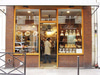
why we love it
This mini-chainlet is now five Paris locations strong (with an outpost in London), which makes a lot of sense: The bread really is distinguishably excellent, which in a place like Paris, says a lot. Though the sourdough loaves fly off the shelves, we love their nut breads—along with the fact that you can purchase by the half or quarter loaf if you can't take down the entire thing.
Originally featured in Paris in August, The Paris Foodie Guide
Specialty
Kunitoraya
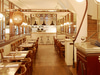
Rue Sainte-Anne in the 1st is the city’s version of Little Tokyo: There’s a seemingly endless row of noodle shops and small Japanese joints. Of all the options, Kunitoraya is our favorite, thanks to its multi-varied udons. There’s a more upscale location around the corner on rue Villedo, but this outpost is more casual and rarely requires a wait.

Le Mary Celeste
Named for an infamous shipwreck—the boat was found intact, including its stores of liquor, though the crew had vanished—Le Mary Celeste got a lot of ink in the press when it opened: The young team behind this restaurant in the 3rd is the same one behind taqueria Candelaria. Like its sister restaurant, Le Mary Celeste has a drinks menu that's long and formidable, while the food menu is a bit more succinct. It’s all about oysters and other small plates that are intended to be shared. Though it does take reservations, it's just as easy to grab a seat at the bar.
Verjus
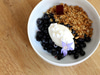
When American couple Braden Perkins and Laura Adrian moved to Paris, they didn’t start with a restaurant: Instead, they cultivated their reputation through a series of under-the-radar dinner party-style seatings hosted out of their apartment. Called Hidden Kitchen, you could only land a reservation by booking online. The concept—and cooking—was so popular, the duo opened a permanent location, called Verjus, in 2010, situated in a small passageway across from the Palais Royal. It’s distinctly New American and it’s delicious. If you can’t stomach the prices (the tasting menu is 98 euros), hit the bar à vins next door.
Spring
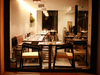
While it’s now a few years old—and has been expanded from its original, 16-seat footprint—it’s still hard to get through the door at Spring. Chicago-native Daniel Rose’s prix-fixe fare, which is served out of the large open kitchen, is reliably excellent and continues to justify the hype. In fact, there’s no actual menu: In their words, they will just make you dinner, all sourced from the Places des Fêtes.
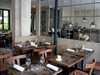
Septime
The chefs behind Septime seem to understand that you can’t fail when you start with the best fresh ingredients. This isn’t to say that the cool, pared-back space isn’t innovative—it just isn’t flashy.
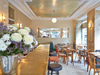
Le Servan
Parisian dining has a reputation for being a little stodgy at times, what with the ubiquitous gilded interiors and price fixe-only menu—but at Le Servan in the 11th, you’ll find neither. Instead, chef Tatiana Levha, and her sister, Katia, offer up a short but sweet a la carte menu of Asian-inspired classics that changes pretty much daily. As for decor, it’s all neutral, with a brass-top bar. Walk-ins fare well at lunch, but make a reservation for dinner.
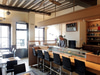
Isami
Top-quality sushi and sashimi is served alongside little else at this six-table spot on lle Saint-Louis. It’s tiny, so reservations are essential.
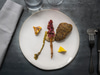
Frenchie
Nantes-born Gregory Marchand, who cooked under both Jamie Oliver and Danny Meyer (he earned his nickname “Frenchie” while cooking with Oliver), offers a subtle worldly perspective on classic French cooking via a tiny set menu (145 euros per person). Reservations are hard to get, though Marchand’s walk-in-only venture, Frenchie bar à vins, is an option should you fail to land a table, and there’s also his Italian restaurant down the street, Altro Frenchie.
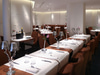
La Dame de Pic
Anne-Sophie Pic’s flagship restaurant in Valence has three Michelin stars, and the world expects La Dame de Pic to land the same rating. (It currently has one star, which it won in 2024.) Pic is ultra-talented, and her food feels rare and elegant. The high-concept menu here revolves around fragrance profiles—Pic partnered with Phillip Bousseton, the nose from Takasago—which makes for an unusual and unabashedly sensual experience.

Cibus
The chef’s daily market visits direct the brief all-organic, Italian-inflected menu at this fittingly tiny restaurant (only 15 seats). Expect dishes like French beans with octopus and wild mushroom spaghetti.
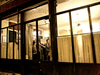
Le Chateaubriand
The dining room might not look like all that much, but this is one of those restaurants that changes how people think about food. Chef Inaki Aizpitarte, a pioneer in Paris’s neo-bistro scene, deconstructs traditional French dishes and reassembles them in wildly inventive, globally influenced ways. Despite the kitchen fireworks, it never feels pretentious here, which is probably why locals and tourists alike line up out the door to get a table.

L’Avant Comptoir de la Terre
Yves Camdeborde was so busy at his popular Left Bank restaurant, Le Comptoir, that he opted to accommodate the overflow by opening a tiny bar à vin next door. Though it’s standing room only, which is quite common in Paris, the delicious Béarnais-style small plates are worth tempting discomfort. We promise it’s a pleasant experience.

Buvette
It takes nerve (and talent) for an American to take a French concept and re-create it for a famously hard-to-please Parisian audience. In chef Jody Williams's case, her French-inspired wine bar, Buvette, has been embraced with open arms. She tested the concept in New York first—there is a much-loved West Village outpost—and exported her gastrothèque to Paris, to rave reviews. In this romantic, perfectly Parisian little wine bar, you can expect a wonderful cocktail and wine list, and a petite menu of small versions of dishes like coq au vin, moules, and tartines. They also serve several local, seasonal salads—good ones are still hard to find in many traditional French restaurants.
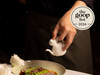
Shang Palace
The menu is plucked directly out of Southeast China, showcasing picks like wok-fried pigeon, steamed sea scallops with vermicelli, and perfect salmon, served with shredded fruit. The dining room is gilded, ornate, and luxe, which is exactly what you’d expect from the Shangri-La Hotel.
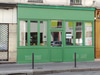
Clamato
While it's nearly impossible to get a reservation at Septime—and a bar stool at the wine bar is hard to come by, too—you’ll probably have better luck at the owners' venture, Clamato, a seafood-centric joint that doesn't take reservations. Also, it’s open all day on Saturday and Sunday, which is a rarity in Paris.
Marsan par Hélène Darroze
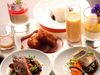
Classic and inventive dishes get the two Michelin star treatment at the hands of Landes-born and fourth generation chef Hélène Darroze. With additional restaurants in London and Marrakesh, the menu has a global touch with deeply local roots: Darroze uses area providers, and bases her dishes on what’s seasonally appropriate. Her quiet and restrained approach can be felt in the room’s decor as well, which is hushed and elegant.

Le Comptoir de la Gastronomie
This quaint little restaurant serves excellent French food—cassoulet, steak tartare, and chocolate cake—in an unstuffy Art Nouveau dining room. The adjoining shop, complete with ham hocks hanging from the rafters, has a killer selection of French wines, cheeses, and other specialty items.

Ober Mamma
This is a true trattoria in the middle of Paris, with great platters of antipasti, thin-crust pizzas, and surprisingly big bowls of house-made pasta (definitely not the skimpy starter size—these are mains). The interior immediately suggests a good time with long electric-blue leather benches running the length of the walls, offset by yellow table mats on quintessentially Parisian round tables. Expect a tight squeeze: This place is perpetually packed with locals downing glasses of sparkling Lambrusco and rounding off with a few bites of the sublime tiramisu.

La Fontaine de Mars
In a city filled with good, classic restaurants, it's hard to narrow it down to a few favorites, but Le Fontaine de Mars is one of those old-world bistros that constantly draws you back in. Once inside, no one would blame you for thinking that nothing has changed in a hundred years—and maybe it hasn't: Pink tablecloths, mirrored walls, and retro floor tiles abound. Keep your order to the tried-and-true classics, good steak-frites or coq au vin with a large glass of red is the way to go here.
Bonhomie
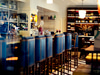
If you've overindulged on steak-frites and can't handle the thought of another buttery sole meunière, eschew the delicious but heavy bistro classics for some Mediterranean at Bonhomie. A café meets cocktail bar meets restaurant near the chic Marais district, sitting on a royal-blue leather stool in the beautiful, modern, white-and-gold interior feels like a breath of fresh air. The menu leans on Moroccan influences with a former Frenchie chef at the helm—dishes like minty chickpeas and labneh and harissa lamb with tabbouleh take center stage. If you happen to pass by at an odd afternoon hour, a coupe de champagne at the long marble bar is the way to go.
Le Dauphin
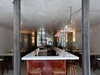
Le Dauphin is immediately next door to its sister restaurant, Le Chateaubriand. Locals hover around the marbled bar (there are only a handful of tables) for well-priced—though complex—small plates and surprisingly affordable wine.

Frenchie Bar à Vins
This first-come-first-serve wine bar is a tough seat for good reason: The small plates are crafted from superb ingredients, and the wine list is reasonably priced. Closed on weekends, you can usually snag a spot in the first wave by going early in the week, and arriving 20 minutes before the 7pm opening.
Septime La Cave
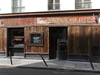
While you can take your low-sulfite wine to go at this former shoe repair shop, you can also grab a seat at the bar and snack while you drink: Sausages, anchovies, and cheese all get the Septime treatment here.
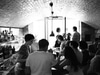
Verjus Bar à Vins
Tucked away beneath its parent restaurant upstairs (the excellent, prix-fixe Verjus) this more casual bar à vin lives in a cool vaulted cave and serves innovative small plates. Bonus: The wine list is top notch.
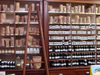
Herboristerie
For over 40 years, Michel Pierre has transformed medicinal plants into herbal infusions, nutritional supplements, essential oils, and cosmetics. The staff will prescribe based on your ailments, though there's plenty of lovely stuff here that is more preventative then curative.

Le Bon Marché
Though it's often (mistakenly) credited as being the first department store, there's no doubt that Le Bon Marché's founders, Aristide and Marguerite Boucicaut, were pioneers, particularly in a culture that so adamantly prizes specialty stores. Launched in 1838 as an extension of the Boucicaut's single market stall, it became a fixed-price department store in 1850 (before that, you would barter), moving into its sweeping, Art Deco home in 1867. While it's been expanded several times since (and now belongs to LVMH), it's still inarguably one of the most beautiful, large-scale shops in existence. Whether you're looking for Chanel, Louis Vuitton, Maje, or Iro, it's likely here: Along with lingerie, kids clothing, furniture, household essentials, and shoes and bags. The food hall, La Grande Épicerie, is pretty insane, offering a rich array of specialty products, from Fauchon macarons to Baltic smoked fish. Many visitors concentrate their buying power here in order to hit the spending level required for VAT.
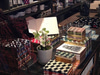
Astier de Villatte
Though it’s well located on Rue Saint-Honoré, this is the sort of spot that’s easy to walk right by. Inside it’s dimly lit, cloister-like, and achingly cool, complete with rickety, slightly off-kilter shelves that sag under the weight of Astier de Villatte’s ceramic tableware. Made from black terra-cotta clay and then finished in the brand’s signature milky white, these perfectly imperfect dishes are the hallmark of some of the best-dressed tables we know. You’ll also find the house line of geometric-print, gold-rimmed notebooks (made by the last master printer in Paris) and the gorgeously old-fashioned candle and incense collections, along with a handful of oddities, like glassware cast in the shape of skulls and stout little teapots.
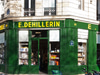
E. Dehillerin
Since 1820, E. Dehillerin has been outfitting the kitchens of Paris with copper pots, paring knives, whisks—and a million other ingenious gadgets nobody ever knew they needed. It is a huge store and an incredible resource, though come with full pockets (and plenty of room in your suitcase). They also sell online and ship globally.
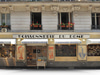
Poissonnerie du Dôme
Dotted with truly beautiful fish murals—all hand-painted on tile—this is one of those family-owned businesses where it's clear they hold a deep respect for what they do. And at this 30-year-old poisonnerie, they do the freshest fish in Paris. When we visited, they were offering beautiful jumbo crab claws along with a variety of in-season whole fish and fillets.
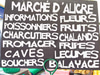
Marché d’Aligre
Occupying an old-world, village-like square, this market near the Bastille bustles with locals stocking up on their weekly groceries. When you need to catch your breath, head to Le Baron Rouge, a great wine bar just around the corner.

Pierre Hermé
Parisians swear Pierre Hermé's macarons are the best in town, and we're inclined to agree. After all, the pastry wunderkind (he began his career as an apprentice to Gaston Lenôtre at the age of 14, before becoming the pastry chef of Fauchon when he was only 24) is known for infusing his ganaches with interesting combinations, like his famous Ispahan, which blends rose, lychee, and raspberry. The chocolates and croissants shouldn't be missed either.
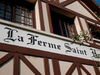
La Ferme Saint Hubert
The variegated marble walls, cow figurines, mosaic tile floor, and checkered apron staff sure are charming—but it's all totally unnecessary, too, as we'd happily visit a broom closet for the cheeses here. Sitting on top of a hilly street in the 9th, you'll find a country's worth of varieties—both stinky and delicate—and the know-how behind the counter to point you to something you're going to love. For those who are just passing through, they can vacuum pack fragile cheeses for travel.
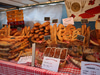
Marché Saxe-Breteuil
With the Eiffel Tower as a stunning backdrop, this market focuses on produce and fresh seafood. There are also stands for escargots, meat, eggs, and a smattering of home goods.
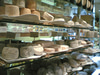
Barthélémy
Literally packed to the rafters with cheese, this is one of those tiny little spots you'll smell before you see. Owner Nicole Barthélemy and her team of cheese mongers will always let you sample before you buy—though the recommendations tend to be so spot-on, you arguably won't have to test many. For whatever reason, they don't tolerate photos in the shop—should you whip out your camera, you'll get scolded.
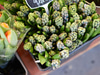
Marché Raspail
With more than 150 stalls, this is one of the largest open-air markets in Europe, and one any food lover will not want to miss. Beyond fresh veggies, fruits, eggs, and cheese, there are plenty of vendors who sell premade meals, perfect for an impromptu picnic. It happens three times a week.

Marché Monge
Complete with cobblestone streets, a bubbling fountain, stands full of fresh flowers, and heaps of fresh bread, cheese, and charcuterie, Marché Monge is pretty much the quintessential Parisian market. Jardin des Plantes is only a few blocks away, so it's a great pit stop before an afternoon of picnicking.
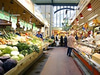
Marché des Enfants Rouges
At 400 years old, the Marais-based Marché des Enfants Rouges is worth browsing whether you're hungry or not (you can always stock up on fresh-cut flowers, ephemera, and larder-worthy oils and preserves). But bring an appetite—you'll find a seemingly endless sprawl of food vendors hawking everything from tagines to crepes to hearty sandwiches. Our pick: Chez Taeko's stand, which serves delicious, authentic Japanese fare.

Pascal Beillevaire
The farm behind this mini-chainlet is located in the Loire valley, where they make a range of unpasteurized cheeses, butters, yogurts, and crème fraîches from scratch—while aging the cheeses of area farmers. The demi-sel croquant unpasteurized butter is crazy delicious, and portable, as they're happy to vacuum pack it for the plane.
Goumanyat
For more than 200 years, Goumanyat has been a go-to spot for Parisian chefs looking for hard-to-find ingredients and spices. They specialize in saffron, which is stored in huge glass jars behind the counter, and grown on their farm in Iran. They’re located in a fittingly historic space that was formerly an apothecary, but they keep very irregular hours, so it’s best to call ahead before you drop by.
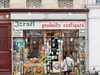
Izraël
You could spend hours in this shop, where the walls are lined with imported spices and large sacks filled with lentils, rice, and other staples dot the floor. Owned and operated by the same couple for many years, it’s become somewhat of an institution.
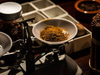
Épices Roellinger
A rolling ladder and packed floor-to-ceiling shelves underscore the library-like nature of this storied spice shop: Here, you'll find an encyclopedia worth of salts and peppers, mustards, chutneys, infused oils, and any number of spices. The main draw, though, are the Roellinger house mixes, like the Mauritius-inspired Poudre d'Or, which combines coriander, turmeric, West Indian bay, and unripe mango powder. Since no cookbook calls for this specific mixture, they make pairing suggestions (oysters and shellfish), and even offer links to recipes for those of us who are easily intimidated chefs.
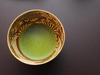
Jugetsudo by Maruyama
Stalks of bamboo dangle from the ceiling like hundreds of wind-chimes at this Saint-Germain-des-Prés spot, which is the first outpost outside of Japan for the historic, 19th-century teahouse, Jugetsedo. Upstairs, you can sample any number of green tees, from earthy Sencha, to nutty Genmaicha, to creamy Macha. In the cellar-like basement, you can participate in a full, uber-traditional tea service.
Breizh Café
We like to take a detour here while shopping on Rue Vieille du Temple. Though the buckwheat crepes are the main draw, there’s a small shop attached to the café that sells jams, ciders, and delicious cheeses.

Bellota-Bellota
This cozy little Spanish shop and restaurant serves up great tapas and solid selection of Spanish wine, but their real specialty is the store’s namesake charcuterie. Jamón Ibérico de Bellota, which comes from acorn-finished hogs, is the crème de la crème of cured meats. Their gift baskets, with include a few different varieties, make great gifts for fellow foodies.

Marché Avenue du Président Wilson
Located between the 16th and 7th arrondisements, the quiet, well-mannered vibe of this market is well suited to its upscale clientele. (It’s a great option if you’re the kind of shopper who is easily overwhelmed by shouting vendors and pushy customers.) As for the wares, expect fresh bread, flowers, seafood, olives, spices, vegetables, cheese, fruit, and even prepared foods. Friends tell us that farmer Joël Thiébault (who owns a family-run vegetable operation just outside the city) is a standout for his unique, visually stunning heirlooms.

Marché Barbès
Marché Barbès is underneath a train trestle at the Barbès Metro station, and the rumble of the trains above only adds to the boisterous atmosphere of the place, which is always packed to the brim with shoppers rushing around and haggling with vendors. The goods here can be much less expensive than those in other markets around town, and while you probably won’t find a rare artisanal cheese, you can stock up on necessities for the week without breaking the bank.

Du Pain et Des Idées
Baker Christophe Vasseur has won innumerable awards for the pastries at his tiny corner boulangerie in the 10th, which makes perfect sense. Don’t be put off by the lines—which extend around the block—since the effort justifies the wait. Do as the locals do and come here to stock up on daily bread, along with pain aux raisin, and the chausson à la pomme fraîche (puff pastry stuffed with half of a baked apple).
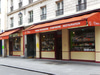
G. Detou
Whether you’re a baker or not, G. Detou is worth a visit. The walls are stacked (literally) from floor to ceiling with specialty baking ingredients for even the most ambitious baking project: artisian flower, specialty oils, metallic cake decorations, and even edible flowers. Their selection of dark chocolate is one of the best in the city.
La Cuisine Paris
Offering bilingual cooking classes, La Cuisine Paris teaches the basics of French cooking along with master classes in everything from macarons to poultry. If you're booking in August, make sure to ask whether they are taking Mondays off.
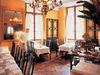
Mariage Frères
Enlisted by Louis XIV's court to explore the tea trade in the 1600s, Nicolas and Pierre Mariage sailed the globe in search of new offerings, passing the mantle down from generation to generation. In 1854, Henri and Edouard Mariage settled on land and launched a tea wholesale business in Paris, catering to the city's finest hotels and restaurants. They didn't open their doors to the public until the 1980s—and business has been brisk, to say the least, ever since. Outfitted with furnishings from the original Mariage Frères office (oversize tea canisters, heavy cabinetry, wicker furniture, potted palms), the Marais outpost offers a literal world of teas—along with small eats and a smattering of home goods, like teapots and gorgeously scented candles (Darjeeling is our favorite). There are outposts all over the city.
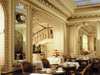
Angelina
Paris is one of those special cities that enthusiastically clings on to the more traditional, elegant remnants of the past—Angelina is an embodiment of this policy. A classic tearoom that first opened in 1903, the over-the-top Belle Epoque interiors create the ambiance for a truly decadent hour (or two) of sweet indulgence. The sculptural cakes and classic patisserie that line the glass cases are the perfect accompaniment to the main event: Angelina's world-renowned hot chocolate. We recommend the Old Style Hot Chocolate, made from a blend of cocoa beans whipped into hot milk and cream for the smoothest, slightly sweet, slightly bitter cup. Angelina also serves up well-executed classic French dishes like croque-madame and quiche Lorraine, but really it's the chocolate—and the people-watching—that makes this Paris institution a favorite with locals and tourists alike.
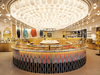
Pierre Hermé
A good part of the local population is of the opinion that Pierre Hermé makes the best macarons in the city. As for the éclairs, croissants, and cakes? You'll just have to do the taste-testing for yourself. This particular outpost is massive, with a sumptuous Art Deco interior to match the contents of the pastry cases. A pretty box of Hermé’s delicately-flavored macarons veloutés (essentially meringue-like macaroons stuffed with a creamy filling) never fails to impress and makes for the perfect, easily-packed gift to bring back home.
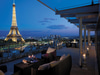
Shangri-La Hotel
Beyond the stunning views, the attention to detail is meticulous here, resulting in a luxurious and wonderful stay. More importantly (and unsurprisingly), two of the three on-site restaurants (Shang Palace, L’Abeille) boast Michelin stars.
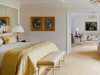
Four Seasons Hotel George V
Built in 1928, this opulent, eight-story hotel—just steps from the Champs Elysée—is pretty much the gold-standard for city-based, luxury hotels. It’s never a bargain, but if your budget can support the splurge, there’s really no better place to stay. Besides the lavishly-appointed rooms, the service is superb, the restaurant boasts three Michelin-stars, and the location is hard to beat.

Hôtel Dame des Arts
In the Latin Quarter, right between Boulevard Saint-Germain and the Seine, Hôtel Dame des Arts is a contemporary gem in a very old part of town. Guest rooms may not be incredibly spacious—this is Paris, after all—but they make good use of their limited square footage, and large windows keep the space from feeling cramped. That said, it’s worth shelling out for a premium room or a suite, some of which come with balconies or private terraces. At the downstairs restaurant, which has a pretty courtyard garden, chef Othoniel Alvarez Castańeda pulls off Mexican-French-Asian fusion. And the rooftop bar is an especially cool place to hang out for sunset drinks; it’s a rare place in Paris with a 360-degree view, and you should soak it in for as long as possible. The teensy spa has just one treatment room (for massages, exclusively) and a sauna, but the fitness room (also small) is visually stunning enough to carve out time for, even if your schedule’s packed.
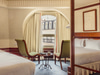
Hôtel des Grands Voyageurs
Hôtel des Grands Voyageurs occupies a middle ground that’s increasingly hard to come by in Paris: It’s well-designed and the service is solid, but it’s not true luxury, and the price point matches. The guest rooms run on the small side, but they are quite pretty, done up in a palette of cream, chestnut, pistachio, and slate blue—vaguely nautical, as are a few other details. The downstairs bar is a highlight: Poppy is inspired by the clandestine energy of speakeasies and opium dens, with good cocktails and better DJ sets. You might take advantage of the small gym and sauna downstairs, too.
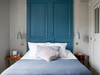
Hôtel Henriette
This boutique hotel is proof that affordable doesn’t necessarily mean scruffy and outdated. Though you won’t find all the creature comforts here, first-time hotelier Vanessa Scoffier has done wonders decorating with a mostly pastel palette, vintage finds, and an overall DIY/Scandi aesthetic. Added benefits, like the super thoughtful concierge service and fresh flowers, do go a long way.

Hotel Lutetia
Taking up half a city block, this is a hotel with history. During WWI, Russians fleeing the revolution stayed here. During WWII, occupying forces took the place over—and over the following years, concentration camp survivors, their families, and at one point, even Charles de Gaulle lived here. James Joyce played piano in the bar, and Antoine de Saint-Éxupery was a regular. Suffice to say, Lutetia has acted as a refuge for people throughout the last century. Designers went heavy on the marble and, on the upper floors, a dark eucalyptus wood. The basement now features an exquisite spa and swimming pool (a rarity in Paris). The brasserie and the bar are beloved by Left Bank residents, with many treating the facilities as extensions of their own homes. On any given night, there is no better seat in Paris than at Bar Josephine.

Hôtel Montalembert
Over the years, we’ve built a lot of wonderful memories here, in part because this is the sort of unpretentious and unfussy hotel that focuses on comfort rather than flash. While it’s fronted by an old-world, Beaux Arts exterior, the rooms are chic and modern.
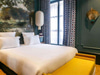
Hotel Monte Cristo
A hotel inspired by the residences of great nineteenth-century writers and thinkers like Alexandre Dumas—hence the Monte Cristo reference—seems fitting for the Left Bank location. (The neighborhood has long been considered the center of gravity for Parisian intellectuals.) Let's start at the bottom: the pool, surrounded by plants and blue tile, is pretty, intimate, and so necessary after a day spent pounding the cobblestones. And the same goes for the sauna. The guest rooms (go for the boudoir option) are quietly luxurious with rich navy carpets, beautiful frescoes behind the headboards, and the softest white sheets. Touches like tapestries, sumptuous textiles, and painted wallpaper articulate the communal areas and look a lot like the furnishings the Count of Monte Cristo himself might have encountered during his travels. In a city where everyone goes out, staying in for a swim, a steam, and a rum cocktail at the hotel bar is incredibly appealing. The breakfast spread is also worth mentioning. It's served at the bar, and the pastry situation rivals that of the best bakeries in the city.

Les Suites Cinabre
Above the boutique of artisan tie-maker Cinabre, this hotel consists of only two guest apartments, both beautifully and expertly decorated: upholstery by Pierre Frey, beds by Hästens, linens by Bergan Delorme, tableware by Cristal de Paris, and dressing gowns, slippers, silk scarves, and stationary by Cinabre itself. Plus: in-room massages, excellent room-service breakfast, knowledgeable concierge service, meticulously curated vinyl collections—there’s a vintage turntable in each room—and access to the exclusive and prestigious squash club Club du Jeu de Paume de Paris.

L'Hotel
Having “The smallest five-star hotel in Paris” for a tagline is pretty attractive, especially to the guest who prefers an under-the-radar, bespoke experience. With only twenty rooms and one of our favorite, hammam-style subterranean pools hidden beneath the building (for guests only), L’Hotel nails the bohemian vibe of the Left Bank. Guest rooms are what could be described as “intimate”, but the décor is so beautiful that you forget the square footage. With rich brocade wallpaper that looks like patterned velvet, antique furnishings, soft lamps, and supremely comfortable beds, no two rooms are the same. Book into the Oscar Wilde suite (the hotel’s most famous visitor was actually staying on the premises when he died) for the bathroom alone. The yellow and green tiles, emerald marble tub, and mahogany wall panels make a nightly bath mandatory, while the antique writing desk and private terrace ooze old-world allure.
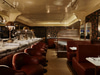
Aux Prés
Tucked away in Saint-Germain-des-Prés, this eternally cool brasserie mixes classic French and Asian-inspired dishes, like black truffle croque-monsieur, sea bream carpaccio, grilled filet, and the juiciest cheeseburger ever. Old leather cushion banquettes and marble countertops contrast with chic black-floral wallpaper; it’s both cozy and romantic.

Bistrot Paul Chene Cherche Midi
If you’d like to experience classic Parisian bistro food—escargot, duck à l’orange, cordon bleu, foie gras, eggs mayonnaise, frog legs, and more—dodge the tourist traps near the Eiffel Tower and aim straight for Paul Chêne. The food here is excellent and the service is personal and warm. (Often, the owner Harold Chêne will serve you himself.) Don’t skip the orange cognac liqueur, which they make in house based on an old family recipe. The restaurant only has a handful of tables, and they always book out; make reservations by phone and well in advance.

Blueberry
Travelers missing their sushi fix usually slink over to Blueberry on night three in Paris, when the capacity to consume another plate of steak-frites is officially no more. Purists be warned: The maki are on the innovative side, imbued with tropical, citrusy flavors like mango and yuzu (trust us: These rolls are next-level good). The atmosphere is more disco than serene. Whitewashed stone walls are illuminated electric blue and neon pink, while dozens of low-hanging lamps dispel any notions of a romantic dinner. Come at lunch for value, but dinnertime is when the ambiance reaches a celebratory fever pitch, when the lighting is most dramatic. Somehow, those perfect, umami-rich mouthfuls just taste better after dark.
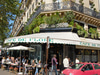
Café de Flore
This classic Parisian Art Deco café on the corner of Boulevard Saint-Germain has played host to everyone from Sartre to Picasso. They came for coffee and people-watching, and so should you: When the weather’s nice, find a spot on the outdoor patio and get a big café crème. (Or swing by just to see the place: The food's just okay, and the crowd inside made up of tourists exclusively, but the institution itself is pretty iconic.)
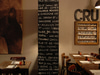
Cinq-Mars
Unpretentious and laid-back, this is the sort of restaurant that’s the perfect reprieve after a few days of big, loud brasseries. The food is simple but well-prepared and nicely affordable, too.
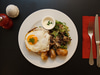
Eggs and Co.
Paris is not a brunch place, which means that this cheery, wood-beam lined spot is aggressively slammed on weekends. Go during the week: While they offer every conceivable iteration of egg dish, we like the Coco Meurette best. It features poached eggs submerged in a dreamy red wine and mushroom sauce.
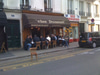
Joséphine Chez Dumonet
Chez Dumonet has been serving up classic bistro fare for decades, in a dining room that dates back over a century (to 1880 to be exact). Its Belle Epoque vibe is totally charming, made even better by the clientele: You can be assured that everyone in the dining room is likely a grandparent a few times over. Keep in mind that Chez Dumonet offers many half orders, which is key if you’re not staying in a spot that can accommodate leftovers (portions tend to be generous).
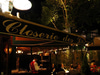
La Closerie des Lilas
La Closerie is in the same league as historic cafés like Les Deux Magots and La Palette. And while some might say this Montparnasse standby is past its prime, many insist it’s still very much happening—after all, Hemingway (there’s a handy sign indicating his preferred spot at the bar), Picasso, and Beckett used to hang out here all the time. We recommend springing for a full dinner in the formal main hall. But the brasserie-slash-piano-bar is great for a drink and to get a feel of the place without spending a fortune.
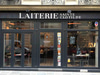
La Laiterie Sainte Clotilde
La Laiterie (translation: the dairy, which is what this tiny spot used to be), is located in a section of the Left Bank that’s particularly popular with tourists—the Musée Rodin and Musée d’Orsay are both within walking distance. Though the staff here will happily explain the dishes (leek soup, poached eggs, steak with new potatoes) in near-perfect english to out-of-towners, a good portion of the patrons are locals, which really speaks volumes for the pared-down, comfort-food-centric menu.
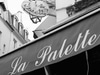
La Palette
This café looks straight out of central casting: The large main room, complete with mirrored walls and dotted with paintings, is almost always packed. Despite the area's popularity with tourists, La Palette still feels undiscovered, as it’s predominantly peopled by locals.
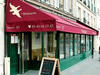
La Rôtisserie
It’s casual and cozy here, which is the perfect backdrop for the rural French food on offer. We come for the delicious roast chicken on Sundays; since most restaurants are closed, it can get quite busy, but in a low-key convivial way. Ask for a table by the window overlooking the Seine.
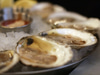
Le 21
Power lunchers from the publishing and political worlds tend to pack out the black booths at this discreet, hard-to-find spot (it’s pricey, so an expense account helps). They come for the fresh seafood, and the fact that 21 feels more like a private club than a restaurant.
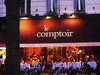
Le Comptoir du Relais
If you find yourself with time alone, grab one of the single-occupancy tables outside, which face onto the small square; that said, if you’re saddled with the little ones, this spot is blessedly kid-friendly, too. A bottle of red and the boeuf bourguignon—served with lemon rind, pasta, and pine nuts—is the meal to get here.
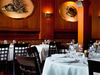
Le Duc
Fresh and wonderful seafood—served in a dining room that feels like the captain's dining room in a ship—justifies the haul to this slightly out of the way institution. The preparations here are blessedly simple and unflashy, which further underlines the consistently excellent quality of their catch.
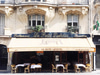
Le Petit Lutetia
The décor of La Petit Lutetia is that of a classic Paris bistro, with charming mirrored walls, monogrammed dishes, haphazard stacks of newspapers, and too-small tables. While the food is certainly good, you’re here for the people-watching, an endless parade of beautifully outfitted Parisians ducking out for cigarettes between courses and drinking seemingly endless glasses of red wine like water.
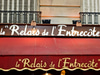
Le Relais de l’Entrecôte
You know exactly what to expect at this, kitschy, family-owned establishment and that is the best steak frites in town topped with buttery, herby “secret” sauce. That’s it, and it’s worth lining up for at this is a no-reservations locale. Touristy though it may be, it remains a local’s mainstay, too, as proof of its great quality.
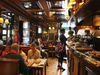
Le Voltaire
Situated right on the river, you can opt to take a seat in the front café for lighter fare (coffees, drinks, and classic sandwiches), or in the back, where they serve full meals. We love the grapefruit and avocado salad, but we particularly love the excellent people watching at lunch.
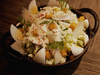
Les Cocottes
The only thing that outshines Les Cocottes’ brilliant use of glass jars and Staub cast-iron cocottes is the menu itself. The restaurant offers a robust offering of salads, soups, and mains that satisfy without breaking the bank. Consider making a reservation because there’s almost always a wait—which isn’t bad, as it’s conveniently located near the Champ de Mars and the Eiffel Tower.
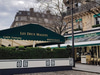
Les Deux Magots
Café culture is one of the many institutions that make Paris such a pleasure to visit. An hour spent sitting outside with a café au lait and a croissant watching the Parisians pass by is time well spent. Les Deux Magots in the heart of Saint-Germain has been one of the preferred literary and creative spots forever, with regulars including Picasso and Hemingway. The menu touches the greatest hits; the croque-madame is especially good, but honestly, a coffee or—hell, you’re on vacation—a glass of champagne outside under the canopy is the way to go.

Les Vins de Bellechasse
In Paris, charming little eateries are a dime a dozen, but this bistro is a true standout. Located just steps from the Musée d’Orsay on the left bank, it serves reasonably priced French fare (duck breast, eggplant, tarte tatin), excellent wine, all against a backdrop of a lipstick-red banquette and a caricature wall. This is a neighborhood spot that gets pretty packed with locals in the evenings, so don’t expect to run into too many tourists.
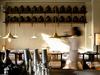
Little Miss Geisha
Little Miss Geisha is inspired by Kyoto’s machiyas—traditional wooden townhouses—and while you can get a full lunch, dinner, or Sunday brunch here, we’d argue it’s best for an unhurried afternoon tea. The menu might be simpler than at proper mealtime, but the vibe is more leisurely, which makes up for the restaurant’s slow service. And you can spill out into the Jardin du Luxembourg for a stroll when you’re done.
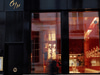
Ojii
Ojii pulls off unforgettable Japanese fine dining in a slinky, ‘70s-inspired boîte. They do white-tablecloth in a sexy way, and it’s great for date night: Spend the night eating caviar tuna nigiri and sipping sake cocktails made with sobacha, yuzu, or plum wine.
Shu
Tucked away down a flight of stairs, this cave-like find offers an excellent omakase experience with two menus to choose from. They specialize in kushiagué, which basically means that they specialize in delicious ingredients grilled on sticks, each one prepared differently.
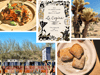
Sugaar
Basque fine dining restaurant Sugaar is one of the buzziest reservations in Paris, and the candlelit space is equally suited for intimate date nights or fancy gatherings with friends. Start with a round of martinis and fatty tuna pinxos before diving into white asparagus, charcoal-cooked fish, and sheep’s cheese tarts.
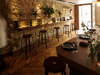
Freddy's
Freddy’s is in the top five most-visited bar à vins of our Paris-resident friends. The rustic stone walls, pretty chevron floors, artfully arranged bundles of wildflowers in old glass bottles, the museum-quality ceramics you eat off, the casual stools you perch on—it’s intoxicating and feels as Paris as Paris can be. To guarantee a seat, come with one other person, or better yet, come alone with your thoughts for company and the surrounding crowd for entertainment. The selection by the glass is seriously impressive (it’s no surprise the owner, Juan, is also the proprietor of wine shop extraordinaire La Dernière Goutte, around the corner) and the small bites are just what you want to nibble on with a glass of red.
Conservatoire des Hémisphères
When you step into this specialty tea boutique, the first thing you notice is how good it smells. Follow your nose: Sniff whole-flower teas in stone goblets, open the bulk jars and take a whiff, and pull out the pretty drawers in the wall, which hold teas with names like jardins suspendus (“hanging gardens”). You can’t sample the teas on site, but the shopkeeper will help you pick something to take home.
Coutume
This lablike Left Bank coffee house is owned by two pals (one Australian, one French)—and it offers so much more than standard espresso. Like so many Parisian cafés, this one has an indoor/outdoor seating situation making it a people-watching paradise. But you can actually get some work done, too—the interior is soothing, the Wi-Fi is free, and tables are roomy enough to spread out. You can also grab a quick breakfast or soup-and-salad lunch.
Le Bonbon au Palais
Styled to look like a 1950s classroom, Georges Marques’s shop offers hundreds of candies sourced from all over France. It’s kind of an amazing way to take a geography lesson, really, particularly because Georges is happy to lead willing students on a tour of the country’s various candy-producing zones. Everything—from the candied fruits to pastilles to calissons to chocolate—is arranged in old-fashioned apothecary jars.
Arty Dandy
With few exceptions, almost everything that lines the Crayola-colored shelves here rings in at under a hundred euros, whether it's backpacks, patterned wallets, or unique candles.

Aurélie Bidermann
Aurélie Bidermann is cool, a fact that's readily apparent in the design of her bright, turquoise-tile-accented shop. You'll find her entire line—including plenty of the braided cord bracelets for which she's now famous—plus horn necklaces, painted enamel earrings shaped like leaves, and tasseled pendants.
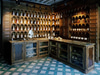
Buly 1803
The husband-and-wife team behind revamped cosmetics line Buly added a couple degrees of fantasy when furnishing their flagship shop—modeled after a nineteenth-century apothecary—with Tuscan tiled floors, Italian marble counters, intricately carved wooden cupboards, and prettily painted beams. And then there are the products: alcohol-free scents and modern, paraben-free formulations, beautifully packaged in old-fashioned vials and glass jars. Whether you’re in the market or not, this shop is a treat just to look at.
goodJo
goodJo’s collection of vintage luxury fashion is eclectic in the best way (you might find beautifully constructed Saint Laurent blazers in colorful prints and silk Escada blouses with exquisite details). If you don’t see what you’re looking for, ask; their collection is expansive and only so much fits in the store at a time.

Hermès
Inconceivable as it may sound, we like Hermès’ Left Bank outpost even more than the Rue du Faubourg Saint-Honoré original. Occupying a 1935 Art Deco landmark, which at one time was a swimming pool (the mosaic tile floor remains), this location is a complete brand departure. Archways made from undulating latticed wood reach toward the skylights, and the displays are spare. Beyond the usual suspects of scarves, ties, watches, and saddlery, the space includes an in-house café as well.

Isabel Marant
Isabel Marant has done a pretty amazing job of building a slavishly devoted fan base: It's partly because her clothes used to be nearly impossible to find unless you bought a ticket to Paris, and partly because she nails a bohemian-meets-modern aesthetic that always just works.
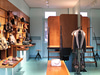
Jerome Dreyfuss
Invariably, when you see an Isabel Marant, you'll see an outpost of Jerome Dreyfuss. Not only is there a subtly shared aesthetic, but Jerome and Isabel are married. For the most part, the bags here are perfectly slouchy, and the shoes are kind of exactly what you want for a low-key weekend in the city.

L/UNIFORM
From cofounder Jeanne Signoles comes this must-have bag brand—done in canvas, and with a utilitarian, slightly nautical aesthetic. It’s hard not to fall for the simplicity of the concept: Choose the color for the bag, trims, and handles and add your initials in Futura. Stop by the sleek space to specify your bag, suitcase, tote, or pencil case.
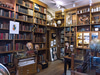
Librairie Alain Brieux
A bookshop and antiquarian for over a century, Librairie Alain Brieux specializes in rare scientific and sometimes esoteric titles, though the real allure is its cabinet-of-curiosities vibe. The windows and interior displays are continually refreshed with weird and wonderful assortments of vintage anatomical models, glass eyes, unusual toys, and the like.

Maison Martin Margiela
Nothing Martin Margiela turns out is particularly basic, but thanks to a muted palette and exquisite tailoring, everything is supremely wearable. The Belgian designer’s boots are always classic (if cerebral), and his jewelry is pretty cool, too. MM6, Maison Martin Margiela’s more reasonably priced line, is located in Galeries Lafayette.
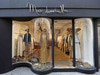
Mes Demoiselles
Lace-trimmed shirts, pointelle peasant blouses, and delicate floral prints are signature tricks of the eponymous line here. They do it really well.
Michele Aragon
Wander into antique dealer Michele Aragon’s eponymous shop, and you might walk out with a pair of Provencal bubbled-glass cups, a full set of handmade tableware, or a sofa fashioned from kilim rugs.
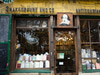
Shakespeare and Company
This just might be the best bookstore in the world. It has the vibe of a warren-like country home rather than a straightforward shop. Books are piled haphazardly from floor to ceiling (many of which are in English), there are benches dotted here and there, and it's staffed mostly by college kids who are full of great recommendations. It’s also home to a rich literary history—over the years, Shakespeare and Company has played host to famous American writers like Allen Ginsberg, Ernest Hemingway, William Burroughs, and William Styron. Founder George Whitman (the shop is now run by his daughter, Sylvia) famously opened up the shop’s cozy benches and couches to artists and writers who needed a place to stay. Many of these drifting creatives—or tumbleweeds, as they became known—went on to become important literary figures in their own right.
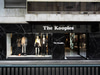
The Kooples
Started by three brothers (whose family made its fortune from French brand, Comptoir des Cotonniers), this brand splashed out across Paris aggressively and loudly. Their ad campaigns—of stylish couples who both look, and dress alike—are a good reflection of the subtly tough and subtly unisex wares here. Leather bomber jackets, graphic t-shirts, and streamlined sweaters are all part of the mix.
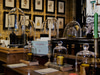
Trudon
In 1634, grocer and wax merchant Claude Trudon opened a store on Rue St. Honoré—and Trudon has been lighting the city’s palaces and homes ever since. Thanks to their superlative wax and rigorous candle-making process, the scented pillars burn for hours—without ever sputtering or smoking. They’re not cheap—after all, as company lore would have it, Napoleon’s only gift to his newborn son was a Trudon candle encrusted with three pieces of gold—but they are exquisite. The Paris boutique, complete with a rainbow wall of tapers, busts cast in wax, and the full expression of fragrances, shouldn’t be missed.

Fondation Cartier pour l’Art Contemporain
The Foundation Cartier pour l’Art Contemporain, situated in a Jean Nouvel-designed glass building and fronted by a soaring garden wall, houses an important—and growing—contemporary art collection. Don’t miss their Nomadic Nights, when the Foundation invites contemporary artists to host evenings of concerts, screenings, lectures, and performances.
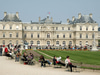
Jardin du Luxembourg
One of the prettiest and most popular parks in Paris still feels fairly local. Less traversed by tourists than the Tuileries and with more to do, the Jardin du Luxembourg is where you’ll catch Parisians soaking up the sun in front of the palace, playing chess at public tables, hitting balls on the tennis courts, and challenging one another to lively games of pétanque. And this park really shines when it comes to occupying little kids: Children can sail model boats in the fountains, watch shows at the puppet theatre, or ride donkeys on the vintage carousel. The park sits on the border of the Latin quarter and Saint-Germain—both worth a walk through, but if you have to pick, you should prioritize the latter.

Les Catacombes de Paris
When a handful of city cemeteries were closed in the 18th and 19th centuries because they were overflowing and posed a threat to public health, the bodies of more than six million Parisians were relocated to a former quarry below the city. What's even gnarlier is that bones and skulls were used to create its walls. You can tour the labrynth-like ossuary—and theoretically visit the remains of notables like Rabelais and Robespierre—but this is not for the claustrophic, and probably not for kids.

Montparnasse Observation Deck
There’s only one real reason to visit Paris’s only skyscraper: The view from the top, which is arguably better than the view from the Eiffel Tower. (From Montparnasse, you can actually see the Eiffel Tower—and you don’t see Montparnasse.)
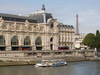
Musée d’Orsay
Sited in the former Gare d'Orsay, a soaring, glass-ceilinged Beaux-Arts railway station built in the late 19th-century, the permanent collection here spans from neoclassicism to art nouveau. The big draw, though, is the museum's deep collection of impressionist and post-impressionist art, which includes works by Monet, Manet, Renoir, Degas, Van Gogh, Seurat, and more.
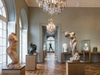
Musée Rodin
Auguste Rodin donated his complete collection—including the pieces for which he's most famous like The Thinker and The Gates of Hell—to France so long as they promised to transform the very stately Hôtel Biron, which was his workshop from 1908 on, into a museum. There are thousands of his sculptures on-site, in both the museum's halls and scattered throughout the surrounding gardens, along with highlights from his personal art collection (Monet, Van Gogh, Renoir, and Camille Claudel—who was his mistress, his student, and a great sculptor in her own right).

Panthéon
Modeled after the Pantheon in Rome, this giant mausoleum houses the remains of some of Paris's most famous citizens: Victor Hugo, Voltaire, Jean Monnet, Marie and Pierre Curie, Emile Zola, and as of 2002, Alexandre Dumas. And it was under the central dome that Léon Foucault constructed his pendulum to demonstrate the rotation of the earth (the original now lives in the Musée des Arts et Métiers). In 2007, Jacques Chirac dedicated a plaque in The Pantheon to the thousands of French citizens who harbored Jews during the German occupation, protecting them from concentration camp internment.

Jeanne Casimir
If you’re lucky enough to land an in-person appointment with face massage specialist Jeanne Casimir, you’ll leave with visibly lifted and invigorated skin. Casimir takes up residency at the Bon Marché for a week at a time, and she makes house calls. If you can’t meet her IRL, enroll in her self-massage class, which takes place online.

Rasa Yoga
Located in a quiet, sun-kissed courtyard, Rasa Yoga is wonderfully unintimidating—even if you don't speak a lick of French. It offers a comprehensive calendar of styles and levels, along with a deep roster of spa treatments from all around the world.

Studio Rituel
Yoga, Gyrotonic, Reformer Pilates, and Xtend Barre all under one roof make Studio Rituel a popular wellness destination. And the location, a stone’s throw from the Luxembourg Gardens, doesn’t hurt. The Gyrotonic classes, which involve fluid movement and targeted stretches utilizing the seven natural elements of spinal movement, are particularly helpful if you plan to do a lot of walking. As the class ramps up, these stretches are more like a dance, and over time they dramatically increase your flexibility. The studio also offers holistic treatments like massage and reflexology.
Saturday, Sorted: 3 Galleries by Yuko Mohri and a Samurai Negroni by Watr Rooftop

5 Thought-Provoking Novels to Discuss and Debate This Fall
These novels are guaranteed to give you and your friends something to talk about.

48 Hours in San Diego
Here’s how to spend the perfect weekend in this laid-back coastal destination—home to goop’s kitchen’s first dine-in location in Del Mar.


48 Hours in Istanbul
History, incredible food, fantastic shopping, and centuries-old bathhouse culture make Istanbul a must-visit. Here’s how to make the most of a few days in this endlessly fascinating city.

Tierras Villas in Crete Isn’t Quite a Hotel—and That’s the Point
Five private villas with infinity pools and wide-open Aegean views offer the privacy of a house with the ease of a hotel—the latest chapter in a Cretan family story that began more than three decades ago.



10 Must-See Art Exhibitions to Fill Your Fall Itinerary
Take in out-of-this world large-scale installations in Tokyo and one of the year’s most anticipated shows in London—where Edward Enniful explores the art, photography, and fashion of the ‘90s.

How I Stopped Trying So Hard to Win Over My Teen
One mother shares how a weekend in Coronado, a failed concert, and a little unplanned downtime helped her reconnect with her teenage daughter.


5 Smart Novels to Pack When You Want More Than a Beach Read
Five emotionally rich literary beach reads from Maggie O’Farrell, Kathryn Stockett, Elizabeth Strout, Andrew Sean Greer, and Ann Patchett.

The Garden Spell of San Ysidro Ranch
In Montecito, a storied hideaway of vine-covered cottages, fragrant gardens, candlelit dinners, and rare privacy proves that the greatest luxury may be being left alone.


.png)
The Historic French Spa Town Where You Can Still Take the Waters
Where to stay, eat, and explore in Évian-les-Bains on the shore of Lake Geneva.
.png)
Where Nancy Silverton Actually Eats in Los Angeles
From old-school institutions to under-the-radar gems, the legendary chef shares her go-to restaurants, markets, and specialty food destinations.