5 March Reads Led by Unforgettable Heroines
We cover things we're into and think you might be, too. If you purchase through an external link here, goop may earn a commission.

Strength takes many forms—resilience, vulnerability, loyalty, and self-possession. In honor of International Women’s Day and Women’s History Month, we’ve rounded up five novels written by women that explore those qualities through complex, unforgettable female protagonists.
Emily Nemens, Clutch

Emily Nemens’ Clutch celebrates adult female friendship in an honest and deeply entertaining way. Centered on five women who bonded 20 years earlier in college, the novel explores how the challenges of life in their forties test their relationships. During a weekend reunion in Palm Springs, the group confronts tensions shaped by hardships they have faced in their individual lives including fertility treatments, a partner’s addiction, and shifting careers.
Nemens writes about complex female friendships with a tone that is both funny and tender, making the story feel universal yet deeply personal. Most striking is her ability to craft five distinctly different characters without relying on stereotypes. At its core, Clutch highlights the quiet resilience of women who continue to show up for one another, revealing the strength found in vulnerability, loyalty, and shared experience. The result is a lively and comforting portrait of friendship that reminds readers to treasure the women in their lives.
Larissa Pham, Discipline
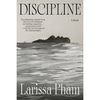
Larissa Pham’s debut novel, Discipline, follows Christine, a writer and artist pulled back into a complicated relationship with an older man who once nearly consumed her sense of self. Years after fictionalizing their dynamic in a revenge-driven novel, Christine reconnects with him, leading to an intense reunion on a remote island. As she revisits the past, Pham examines the imbalance at the center of their relationship, tracing the entanglements of desire, ambition, and creative influence.
Christine’s strength lies in her willingness to confront a relationship that shaped, and wounded, her. Though emotionally guarded and vulnerable in deeply relatable ways, she refuses to cast herself as a victim and remains committed to defining herself on her own terms. Discipline will appeal most to readers who enjoy character-driven stories about complicated relationships, creative life, and emotional power struggles. Pham’s spare, restrained prose builds tension through quiet moments and subtle shifts in control, creating a moody read that lingers long after the final page.
Nina McConigley, How to Commit a Postcolonial Murder
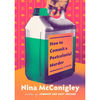
Nina McConigley’s fiercely original novel How to Commit a Postcolonial Murder feels destined to become this season’s smart, stylish book club pick. Audacious and quirky, it follows Indian-American sisters Georgie and Agatha as they navigate life in rural Wyoming during the eighties and plot to murder their abusive uncle. Through their darkly comic scheme, McConigley crafts a striking exploration of identity, belonging, and inherited trauma from a distinctly female perspective.
At times, How to Commit a Postcolonial Murder can be deeply unsettling—it confronts disturbing political and cultural truths, but in a way that always feels meaningful and important. McConigley brings a fresh, fearless voice to the page, and though her experimental structure—a mix of fragmented narration, pop culture references, and quizzes—can make the pacing feel slightly uneven, the edgy novel remains powerful in all the ways a story should be, particularly in its exploration of women’s lived experience. While there is a backdrop of murder, it is the least memorable plot point, which tells the reader everything she needs to know.
Tayari Jones, Kin
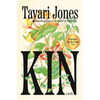
Tayari Jones, bestselling author of An American Marriage, delivers another emotionally rich work of fiction with Kin. Set in Louisiana during the late 1950s, the novel centers on Niecy and Annie, two motherless girls who form a sister-like bond as children. As they come of age, both women confront the absence of family in different ways—one going off to college and finding her chosen family, the other seeking her birth mother. As their lives diverge, they confront painful family histories and grapple with how race, class, and circumstance shape their choices within the social constraints of the mid-century American South.
At its core, Kin is an intimate portrait of women finding their own identities in the face of loss. Through alternating perspectives, Jones writes with precision and restraint to create two deeply human characters whose choices feel both complicated and inevitable, drawing readers into their emotional worlds. Rather than relying on dramatic plot twists, Kin’s power lies in its nuanced exploration of connection, loyalty, and the search for belonging.
Allegra Goodman, This Is Not About Us
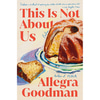
Allegra Goodman’s This Is Not About Us is a deeply perceptive portrait of a multi-generational, modern American family and the complicated ties that bind them. Centered largely on sisters Helen and Sylvia and their conflict after a relative’s death, the novel unfolds against the backdrop of marriage, divorce, and everyday family life. Through their perspectives, Goodman explores the complexity of women’s relationships, revealing how love, competition, and loyalty can coexist. She captures these moments with psychological insight and quiet humor, and the holiday gatherings prove especially resonant.
In less deft hands, This Is Not About Us could feel light, but Goodman’s elegant prose elevates it into something far more profound. Helen and Sylvia are richly drawn characters who confront resentment, lingering tensions, and longstanding drama with intelligence and resilience. Though they aren’t heroines in the traditional sense, they radiate capability, complexity, and strength. Goodman’s gift lies in showing how people actually live and love, and in portraying women with rare emotional depth.