How 4 Days at a Wellness Clinic Helped Me Find My Center
We cover things we're into and think you might be, too. If you purchase through an external link here, goop may earn a commission.

By the time I arrived at SHA Mexico, I wasn’t just tired— I was coming out of a season of major change. A separation. A move. A new life rhythm with a toddler in tow. All of it layered on top of one another in a way that didn’t feel dramatic or emotional, but more like a slow, steady depletion that comes from holding a lot for a long time. I was still showing up for everything that needed to be done, but beneath the surface, my body was running on empty: puffy-eyed, low-energy, moving through my days from a place of survival rather than truly living.
So, when I checked in for the four-day Rebalance & Energize program, I didn’t arrive with lofty spiritual expectations. I just wanted to feel better.
Set in Costa Mujeres, the property is a pristine collision between a cutting-edge medical institute and an ultra-luxury hideaway, the kind of place where biometric data and green juice coexist effortlessly. Alongside spa rituals like Abhyanga massages and “red carpet” facials are rooms dedicated to far more advanced therapies, from ozone IVs and cryotherapy to infrared treatments, transcranial stimulation, and virtual-reality workouts. There’s a distinct medical rigor to the experience, with on-site diagnostics that include hormone screenings, food-sensitivity testing, and even dental care. In other words, this is no casual spa getaway; guests arrive at SHA Mexico in search of something deeper—a science-driven reset that extends well beyond rest and relaxation.

The vision traces back to Spain, where founder Alfredo Bataller Parietti began exploring a more considered approach to diet and restorative therapies following a health condtition. What started as a deeply personal experiment evolved into a European wellness phenomenon. Now, with its Mexico outpost opened in 2024 and a Middle East expansion slated for 2027, SHA is quietly positioning itself as the future of longevity and hyper-intentional living, offering a transformative destination where science and holistic wisdom merge. The SHA method, as it’s called, focuses on nine main areas: healthy nutrition, natural therapies, preventive and healthy aging medicine, advanced aesthetics, cognitive stimulation and emotional health, well-being and inner balance, and physical performance.
What to Pack
At SHA, robes are part of the lifestyle—you’re encouraged to wear them around the property all day, whether you’re heading to appointments and therapies or going to breakfast and lunch. (Sandals are provided as well.) The dress code for dinner is “smart casual,” so I packed a few put-together but easy outfits for the evening, plus bathing suits for the hydrotherapy circuit, sneakers for the gym, comfortable clothes, and plenty of SPF. (Don’t worry about going full glam—I left my entire makeup bag at home and quickly realized most guests arrive at dinner with wet hair and minimal makeup, likely coming straight from a treatment or the hydrotherapy circuit.)





Day One: Arriving
From the moment I arrived, the energy felt calm, intentional, peaceful—and nothing like a typical resort. Instead of the mezcal margarita I’d grown accustomed to ordering the second I landed in Mexico, I was handed a glass of cold herbal tea. The grounds were quiet; the only sounds were the ocean nearby and the warm wind moving through the air. As I settled in, I passed only a handful of other guests, which only deepened the sense of calm.

Had a quick break before dinner, so I showered and slipped into the robe—naturally—while taking in the view from my private patio.
The first day at SHA is normally designed as a diagnostic reset. Through advanced preventive diagnostics, metabolic evaluations, and consultations with SHA’s physicians, nutrition experts, and other specialists, a complete picture of your health begins to emerge. From stress levels and nervous system activity to inflammation markers, hormone balance, and metabolic rate, each insight helps reveal what your body truly needs. This information then guides the subtle personalization of the rest of your stay, whether that means refining your nutrition plan or tailoring specific holistic treatments.
Because my flight landed later in the afternoon, dinner was the only thing on my schedule—or rather, on the SHA app I had downloaded before arriving, where every guest’s full itinerary and test results live. As I walked through the quiet grounds, hungry and craving fish tacos and a cocktail, I questioned if I’d leave the dinner satisfied or end up back in my room sneakily ordering room service. Thankfully, the meal delivered: fresh vegetable sushi with cucumber and sesame seaweed salad, followed by seared tuna loin in a silky guajillo chili sauce with crunchy quinoa, and a dessert of coconut cloud over macerated mango, lime ice cream, and gofio crumble. It was rich, elegant, and deeply satisfying, despite being free of meat, eggs, dairy, gluten, and refined sugar.

It became clear that food is central to the SHA experience. A staff member explained that the kitchen is nearly empty most of the time, a detail that initially surprised them as well, since ingredients are purchased fresh every two to three days. The SHA diet is primarily plant-based, with limited seafood, and relies on organic, seasonal, and locally sourced ingredients whenever possible. Processed foods are avoided entirely, and the program blends centuries of Eastern nutritional wisdom with modern guidelines from Harvard Medical School and the World Health Organization.
Caffeine and alcohol are not included in the meal plan but can be ordered separately. I didn’t see a single guest with coffee or alcohol the entire trip, and shockingly, I didn’t crave it either. Water is also intentionally limited during meals. At SHA, guests are encouraged to drink water 30 minutes before or after eating to support digestion, something I discovered only after noticing no water was served unless specifically requested.
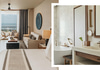
After dinner, I was more than ready to slip into bed and savor a full night of restorative, uninterrupted sleep—something that rarely happens at home with a toddler. The rooms at SHA are calm and contemporary, with soft neutral tones, warm wood accents, and clean architectural lines. Floor-to-ceiling windows open onto private terraces with sweeping ocean views. The rooms are designed to help. you exhale, and truly unwind, especially after a long day of appointments and treatments.
Day Two: The Unraveling
After a deep sleep and a quick herbal tea on the sun-drenched, ocean-view patio, it was time for breakfast and a day of back-to-back appointments. Breakfast was colorful, fresh, and filling: oatmeal porridge with berries and açaí, edamame hummus, a tofu and avocado scramble with tuna—and their infamous miso soup. Yes, for breakfast. At SHA, the nutrient-rich fermented staple is a daily ritual—providing plant-based protein and essential minerals, while also contributing to gut health. Later in the week, I would learn to prepare it myself during a cooking class with Daniel Quesada, SHA’s head chef. Making the recipe from scratch with fresh, carefully chosen ingredients and listening as Quesada explained the benefits of each was enough to inspire me to bring this ritual home with me.
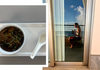
Enjoying my miso soup and tea on the patio.
After breakfast, I took my Ume-Sho-Kuzu tea to go—made from umeboshi and shoyu plum and traditionally used to hydrate, repair, and strengthen the digestive system—before heading to my first appointment. I began with a general health review and an “advanced proactive” diagnostic, which involved stepping onto a very fancy machine that assessed everything from my central nervous system to vascular age and stress levels. My cognitive function was evaluated separately through a series of tests measuring memory, reaction time, focus, and overall mental acuity. After a few back-to-back diagnostic appointments, I met with a doctor to go over the findings.
I learned that my stress levels were extremely high—no surprise there. My doctor explained that my nervous system was stuck in a parasympathetic “freeze” state. Unlike the sympathetic fight-or-flight burnout of my 20s, this was a “dorsal vagal shutdown”: a pattern marked by numbness, dissociation, fatigue, and disconnection, often following prolonged stress or emotional overload and trauma. The description felt uncomfortably accurate. The doctor would go on to suggest supplements with a big emphasis on adaptogens, like rhodiola and ashwagandha, which I’ve kept up with taking after returning home.
Following these results, I met with an “agenda planner,” who helped tailor my schedule on the SHA app to my personal needs based on my results. Additional programs were suggested including an abhyanga massage, a hormone consultation, stress management session, and shirodhara, to name a few. I also met with a nutritionist who fine-tuned my diet—an inclusion of specific teas throughout the day (passionflower, umeboshi, lotus and mu), various sides (sauerkraut, green leafy vegetables, seaweed or kelp), as well as apple cider vinegar and various vegetable juice shots to accompany meals.
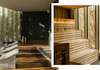
By 4 p.m., I had hit a wall. Headache, irritability, overwhelm, and fatigue, not to mention the inevitable caffeine withdrawal. The past two days seemed to catch up with me all at once. But instead of surrendering to the bed, I pushed myself to experience one of SHA’s best offerings: the hydrotherapy circuit. Two saunas, a steam room, a cold room, an ice plunge, a hot tub, and a series of therapeutic pools designed for detoxification and total renewal. The whole circuit takes roughly an hour rotating through the various rooms and pools and was one of my favorite amenities at SHA. I found myself there each time I had a break from appointments and meals because of how rejuvenated and calm I felt after.
Finally able to breathe a little deeper, I settled in for another night of truly restorative sleep, the kind my Oura ring would congratulate me for the next morning with my highest sleep score to date (a 95 in case you’re wondering).
Day Three: The Shift
By the third morning, something changed. I woke up energized. Happier. Lighter, both mentally and physically. My breath grew slower. Deeper. My ability to truly relax (what my Oura ring calls a “restorative phase” as opposed to “stressed” or “engaged”) finally came.

Pool time with Dr. Becky Kennedy’s “Good Inside”—and starting to feel lighter.
As the days unfolded and the treatments layered on—cold plunges and cryotherapy sharpening my senses, breathwork and yoga expanding my lungs, and a neuromodulation session calming my overstressed nervous system so deeply that I nearly nodded off during lunch afterward—something inside me began to shift. Designed to regulate the nervous system and gently pull the body out of a chronic stress response, the treatment left me in a state of rare calm. Lingering in that Zen-like stillness, I enjoyed one of my favorite meals of the entire trip: fish tacos with tomatillo sauce and refried beans, a roasted beet salad, followed by chocolate sponge cake and coffee ice cream. I’ve done diets and cleanses before, but the SHA meal plan was in a category of its own. I remember wishing I could eat like this every day.
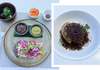
The fish tacos and dessert I still think about.
Somewhere between the 30-plus appointments in three days, reflection arrived. Thoughts surfaced. Some I didn’t love. Questions and doubts rolled in and out like the ocean just beyond the property.
And then, right on time, I met with SHA’s clinical psychologist, Anna-Maria. Three days of detoxing and recalibrating had loosened something; I felt a wave of emotion walking into my session with her, as if everything had risen to the surface. She assured me this was normal, and explained why her role at SHA was so unique: You spend most of the time here working on your physical health, but mental health deserves space, too. I hadn’t realized how much I needed that session, but I left deeply grateful and more confident as I stepped into the next phase of my life.
The Moment That Stays with Me
On my final day, I had a private yoga session with Isabel, who guided my first cryotherapy treatment that morning. She began by asking what kind of yoga I liked. Instead of my usual answer, something like vinyasa or a steady power flow, I admitted I was craving something calm and restorative to close out the trip. I shared a bit of what I had been carrying emotionally, and she gently shifted our session toward kundalini-inspired work, incorporating breathwork, mantra, and meditation. She introduced a devotional chant, Om Mata Kali: Jai Ma by Sri Ma, and told me the stories of Kali and Durga, goddesses who embody fierce transformation, protection, and strength. Seated with our eyes closed, our voices moved together in steady rhythm, filling the room with something both grounding and expansive. It was something I needed more than I knew.
That mantra is now something I carry with me. For moments when I’m overstimulated or frustrated. A pause. A reset. A return.

My view for a private yoga session—peaceful and perfect.
What I Took Home
By the time I left SHA, I wasn’t just rested. I was recalibrated. My body felt lighter. My mind clearer. My breath deeper. My nervous system steadier. I remembered what it feels like to move through life from a place of ease instead of endurance.
Four days didn’t change my life, but they reminded me how it’s supposed to feel. And that’s something I intend to keep.