Palacio Duhau - Park Hyatt Buenos Aires

why we love it
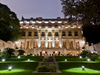
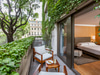
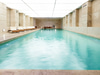
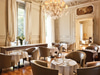
As far as classic neighborhoods go, few can really top BA’s Recoleta, and no place better captures the glamour and history quite like the Palacio Duhau - Park Hyatt Buenos Aires. Its imposing façade, in a Neoclassical style, was inspired by grand European architecture, and is made up of two buildings, a 1930's Palace and a more contemporary building called Posadas. While there are 165 rooms in total, it’s best to request one of the 23 rooms in the original palace. The rooms on the palace side tend to be more of a balance between old a new: there are stucco fireplaces, French windows, and crystal fixtures. The rooms in Posadas have a minimalist bent, with pale wood flooring, a soothing neutral palette punctuated by jewel tones, and black-and-white photographs of old BA in addition to unbeatable views. The two buildings are connected by an underground gallery lined with an impressive collection of important Latin American art. Between the two towers, a beautifully manicured garden terrace and patio serve as one of the very best seats in the house. Particularly charming is La Floreria del Duhau, on the ground level, where you can see some of the hotel’s grand arrangements being put together as well as pack up your own bouquet to take away.
Originally featured in The Buenos Aires Guide, Romantic Escapes
Hotels
$$
- Babysitting
- Concierge
- Good For Business
- Good For Kids
- Gym
- Hotel Bar Lounge
- Hotel Restaurant
- Meeting Conference Rooms
- Laundry
- Spa
- Free Wifi
Av. Alvear 1661, Recoleta
+54.11.5171.1234

Algodon Mansion
A former private residence dating back to 1912, the mansion has a distinctly European aesthetic with parquet floors, modern furniture, and ornate flourishes. Ten suites strong, staying at the Algodon feels cozy, intimate, and quiet. All of the suites feature soaring ceilings, high thread count sheets, and beautifully outfitted marble bathrooms with steam showers. The larger suites however come with their own small wine bars stocked with Argentinian labels and conveniently have separate lounge areas, ideal for in-room entertaining. The hotel also has an in-house spa, a rooftop pool, and an individual butler to assist each guests throughout their stay.
Alvear Palace Hotel
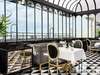
The Alvear Palace was, in its last life, an apartment block home to rich beef magnate families. Nowadays the 197 rooms still exude the grandeur and class of its past: Accommodations are bright, high-ceilinged, and smartly furnished with fine art and antiques, while the marble bathrooms are stocked with Hermès toiletries. The hotel features five restaurants, each one slightly different, but you can't go wrong. The rooftop bar with its panoramic views of the city is so atmospheric, illuminated by candles and twinkling lights. L’ Orangerie Bar is incredibly ornate, and one of the more beautiful spots in this city for a classic afternoon tea with all the bells and whistles (including monogrammed teacups). Aside from the overall grandeur, practicalities abound and the concierge are renowned for being able to accommodate any and every request, including snagging those much sought after last-minute tickets to polo.

Faena Buenos Aires
The Faena, more so than any other hotel in the city, has its own very distinct look. Designed by Philippe Starck this property is a design-enthusiasts dream with its towering stained glass entryway, etched crystal mirrors, and oddball wall hangings. Using primarily red, white, and black each space oozes drama and borderline kitsch—white leather furniture, red velvet drapes, palatial beds made up with crisp linens and embroidered red throws. The rooftop pool is urban in feel, fittingly with red loungers and umbrellas. Despite the limited palette used, each room has its own personality—the bar is dark, moody, and clubby. As an added bonus, there's great tango in the subterranean bar El Cabaret—inspired by the tango clubs of the twenties—complete with red velvet everything. Revelry aside, the Faena has an incredible spa and immersive wellness program with crystal and pranic healing on offer alongside a full hammam and beauty lounge.
Fierro Hotel
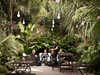
The Fierro is located in the quieter, more residential area of Palermo known as Hollywood. An intimate, boutique option, this hotel may be small but it has all the expected amenities—including a rooftop pool and sauna. Rooms are modern and tastefully appointed with writing desks, super soft sheets, and rain showers. The on-site restaurant Uco is much-loved by locals and visitors alike serving up farm-to-fork food and a full Irish breakfast in the mornings (thanks to influence of Irish chef Ed Kerrigan). A hidden gem behind the property is the garden, a verdant space that feels like the tropics—it's a great spot to sit with a post-dinner drink under the twinkling lights strung between the trees. The Fierro is not the over-the-top option but it’s comfortable, practical, and has its own charm.

Home Hotel
Every corner of Home is considered, from the décor to the garden to the accoutrements they offer guests (including a totally current city guide, written in-house). It's the first boutique hotel in BA to have a sustainable bent (the swimming pool is heated with solar power), and its accommodations read more like a stay in the city's coolest artist's home–with all the extras. The design incorporates a retro appeal with its gorgeous use of colorful vintage wallpaper throughout, punctuated by stunning Mid-century furniture, all of which makes it one of the more aesthetically unique places we've stayed. What makes this hotel stand apart, though, is its outdoor pool and garden area, which is best enjoyed in the morning while indulging in the hotel's stellar authentic Argentine breakfast, or at night with a glass of Malbec. And its location is ideal: tucked along a leafy street in Palermo Hollywood, it makes for a quiet respite if you're looking to totally unplug, or a convenient basecamp if you'd rather explore some of the city's best restaurants, all of which are within striking distance.
Hub Porteño
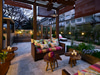
A converted townhouse with a mere eleven rooms, Hub Porteño is one of the newer kids on the block, having opened its doors in 2013. The rooftop space is a slice of Latin bohemia with vibrant upholstered sofas, candles, sculptural wooden furniture, and a garden. The concierge are experts in curating special experiences whether it be a cooking class or a polo excursion. The 600 thread-count sheets, spacious rooms, and marble swathed bathrooms (each one with a beautiful antique dressing table) are perfect spaces to retreat from the city chaos and recharge. With a small gym and sauna in the basement, Hub Porteño is a snug, cozy experience that feels more akin to staying in someone’s tastefully-appointed home than a hotel.

Sofitel Buenos Aires Recoleta
This hotel in the Recoleta neighborhood oozes with Art Deco touches. While the rooms aren’t the the biggest draw (they've utilized a beige-y, champagne palette with purple accents), they're comfortable and spacious with all the requisite amenities. The lobby and communal area however, are beautifully ornate and have French feel. The library in particular is cozy, the kind of inviting space that encourages you to curl up with a book and a coffee (or cocktail) for a slow afternoon. Other amenities include a pool and spa, as well as a pretty outdoor garden. The real draw is walkability to many of BA's best restaurants and cultural spots.
Asian Cantina
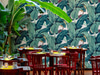
Argentinian food—though flavor-packed—lacks spice, and chef Christina Sunae’s Southeast Asian Cantina is a breath of culinary fresh air. The food aside, the space is refreshingly vibrant with banana-leaf wallpaper, splashes of color, and plenty of plants. The menu has mined the Philippines, Thailand, Vietnam, and Indonesia for inspiration—try the fresh yum talay salad (seafood, mint, cilantro, and a spicy, citrus-y dressing), the empanada-style wontons or the roasted eggplant puree (with coconut milk, sweet potatoes, and crisp banana chips). For diners craving something more familiar go for reliable standby’s like Pad Thai or a nourishing bowl of pho. Post-dinner sweet treats have been re-interpreted to reflect the aforementioned regions—we loved the key lime pie with it’s ginger-infused dough, pandan meringue, and green tea ice cream.

Bar du Marché
Open all day, this restaurant resembles a classic French brasserie with its simple wooden tables and throwback checkerboard floors. Interestingly, the menu is more Paris-meets-Tokyo with both charcuterie and sashimi on offer, alongside some of the best sushi in the city. With over fifty wines available by-the-glass, Bar Du Marché is a solid spot to start your evening with a few small plates and a glass of wine before moving on to a larger steakhouse dinner. The breakfast is also worth noting: stop by for egg and toast dishes, creamy hot chocolate, and a sampling of their deliciously flaky pastries—many of which are filled with Argentina’s favorite sweet condiment, dulce de leche.

Basa
Set in a subterranean space, the décor at Basa is contemporary and minimal. Everything is dark—the furniture, the lighting, even the walls, which contributes to the moody, sexy atmosphere. The menu is Mediterranean-inflected, but in classic Buenos Aires fashion, also meat-heavy, spanning everything from rich pastas and grilled lobster to tapas-style dishes like croquetas and calamari. We suggest stopping in for a cocktail or two and some small bites to start off an evening, which, in this city, is likely to last into the early hours.
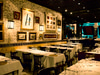
El Burladero
In a city heaving with steakhouses and (surprisingly) traditional Italian restaurants, El Burladero is a gem for those craving decidedly Spanish flavors. A fun spot where the white brick walls are adorned with paintings (and plenty of red and yellow accents in case you forget where you are), the seating is a mix of booths and intimate tables, high ceilings, and excellent service. Upon arrival, you’ll be served a little amuse bouche, juicy olives, and salty warm bread to get the appetite going. In terms of the menu, while all the plates pack a punch, the tortilla Espanola (paper-thin slices of potato and onion cooked into a type of cake with plenty of olive oil) is melt-in-your-mouth good and a must order—especially when washed down with a few jugs of refreshingly tart sangria.
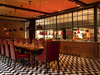
Elena
Housed within The Four Seasons Hotel, Elena is inspired by the storied life led by Elena Peña Unzué, the lady of the mansion on the hotel grounds (where many of the suites are located). It’s a chic, split-level space with monochromatic, marble chevron floors, leather walls, and sculptural light fixtures that cast a soft glow. In direct contrast with many of the city’s mom-and-pop old-school operations, Elena feels truly modern. Expect dry-aged steaks, Argentinian Kobe beef, rotisserie chicken, and perfectly cooked vegetable sides—paired with a stellar wine list, of course.

Fervor
Fervor is one of those goldmine restaurants that serves excellent food matched by exceptional service. An old-world steakhouse that exudes all the charm of a time gone by—with its floor-to-ceiling velvet drapes, checkerboard floors, red leather booths, and soft lighting—the interior feels classic and clubby yet nostalgic. The chefs dry-age all the meat, allowing the enzymes to break down, which results in melt-in-the-mouth tenderness and a more concentrated flavor. The steaks are then charcoal-grilled for smokiness and a thick crust that pairs so well with a robust glass of Malbec. Start off with a pisco sour and prepare to stay late.
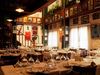
La Brigada
Located on old-time San Telmo, this spot has been serving carnivorous Porteños their steak for two decades. La Brigada provides the nostalgia of old-school restaurants of yesteryear that any traditionalist will love—small tables are packed closely together, the walls are covered in paintings, references to home team the Boca Juniors, and images of notable Argentinians. Beneath the dining room is a cavernous brick wine cellar, home to thousands of bottles with a long wood table set up for subterranean tastings. In case there's any question as to the restaurant’s food focus, the menus are encased in cowhide and contain pages of nose-to-tail options from lamb tongue to every cut of steak imaginable—expertly seared for a dark crust and meat so tender the waiters actually slice it with a spoon. The deserts don’t disappoint either and in keeping with the overall vibe, you’ll find decidedly old-fashioned (but no less delicious) comforting treats like bread pudding, chocolate mousse, and baked apples to finish.

La Cabrera
Steak and all its many accompaniments are what this Buenos Aires institution is best known for. While we do recommend booking ahead, the inconvenience of standing in line outside is definitely tempered by the flutes of sparkling wine the waiters often disperse to the waiting crowd. The steak options are endless, with every possible cut finished with various sauces and butters. La Cabrera has a comforting, dimly lit, slightly kooky interior that encourages you to settle in for the evening—the walls are covered in plates and clocks while the tables are of the white-tablecloth variety.
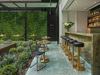
La Cocina
Casa Cavia—this restaurant-slash-retail concept in a stunningly renovated Belle Époque mansion is home to La Cocina, the toughest reservation to snag in the city. In keeping with the house's creative vibe (it’s also home to a publisher and bookstore), the menu is incredibly inventive and unusual (roasted bone marrow with cassava, rice with stewed flowers, or for desert, a marshmallow, barley, and peanut fudge), and is accompanied by an equally impressive cocktail menu (try the Fitzgerald which marries juniper essence with Patagonian pear cider). Food aside, the interior is reason alone to make a reservation—inspired by the cafés of the 1920s, the space is all marble, brass, chevron floors, and antique mirrors—it feels airy and fresh, yet incredibly refined. If you can’t commit to dinner, stop by for a sweet Argentinian breakfast of dulce de leche stuffed baked goods and coffee to soak up all the design details in the daylight hours.

Mishiguene
Translating from Yiddish as ‘crazy or eccentric’, Mishiguene serves up what they self-describe as ‘immigrant cuisine’—essentially dishes sprung from the food memories of immigrant Jews around the world. Friday is the night to try and snag a booking, especially as on the Sabbath, the meal is accompanied by live Klezmer music. Argentinian chef Tomás Kalika honed his culinary craft in Jerusalem, helped along by his grandmother’s recipes. Kalika’s menu takes the diner on a journey through Ashkenazi, Sephardic, Israeli, and Middle Eastern food traditions. The space itself is cozy and convivial, filled with tables of varying sizes, walls lined with photographs and, more often than not, a super fun crowd. Order whole roasted cauliflower dressed up with labneh, matbucha, and silky tahini to enjoy alongside the sensational homemade breads (sesame bagels, Israeli pitta, raisin challah). The pastrami comes in salty slabs, the latkes are crispy, and the tangy hummus should be drizzled liberally on every plate.

Patagonia Sur
A reservation is essential for what always turns out to be a truly special evening. This is Francis Mallman’s restaurant in the heart of one of Buenos Aires’ oldest (and on occasion dicey) neighborhoods, La Boca. Press the buzzer and be welcomed into what feels like dining at the chef’s home. The dinnerware is a little mismatched, the walls are covered in assorted paintings and prints, plush red velvet drapes dress each window, and low hanging lamps create that ambient moody light that makes you want to linger for an extra glass of wine. Steaks are the order of the day here (be sure to specify that rare means rare, as oftentimes Argentinians err on the side of well-done). Yes, it's an extravagance, but the atmospheric intimacy of the surroundings, and of course, the food itself, more than justify a trip to La Boca.
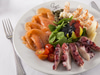
Piegari
This award-winning Italian mainstay is housed in the elegant Recoleta neighborhood. Piegari has all the bells and whistles associated with a fine dining establishment–white tablecloths, a stellar wine list, and superior service. The sizable dining room packs out, locals and visitors alike show up night-after-night to this classic but modern spot for reliably good Italian fare (read: lots of pasta).

UCO
Located in the boutique Fierro Hotel, UCO is a wine-centric restaurant (named for Mendoza’s Uco region) with over 300 labels available and helmed by Irish chef Ed Holloway. The interior is rustic, and almost Scandinavian-looking with textural walls of contrasting planks of wood and big windows looking out onto the greenery outside. Chef Holloway presents a true farm-to-fork menu with everything down to the charcuterie prepped in-house daily. Open for all three meals, UCO is probably one of the only restaurants in South America to offer a full Irish breakfast alongside the typically sweeter Argentinian options. If you need a break from all the steak, try one of their vegetarian or fish paellas, while the eighteen-hour shoulder of Patagonian lamb is utterly unforgettable. Early bird eaters should try lunch over dinner as ideally, dinner should be eaten at around 9pm to make the most of the convivial atmosphere that's as paramount to the restaurant’s atmosphere as the food.

Bar Los Galgos
The original owner of this jazz bar was an enthusiastic dog-racer, hence the name Los Galgos, which translates to "the greyhounds." It's a determinedly old-school joint, where in lieu of beer taps, the booze flows from vintage goosenecks, the tables are Formica-topped, and the mirrored bar is a relic of times gone by.
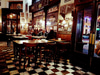
Bar Plaza Dorrego
Bar Plaza Dorrego is one of those super-evocative, classic, old-school spots with the requisite checkered floor, suited-up waiters, and dusty wine bottles. The old wood bar is covered in the scrawled etchings of customers past and present, and some of the waiters have been working the floor for over two decades. Take a seat at the bar and order a few drinks (teetotalers try their famous submarino—hot milk with a little added chocolate), and traditional Argentine snacks to the sound of tango music for the quintessential BA evening.

Bar 878
Ocho7ocho (as the locals call it) is packed to the rafters, night after night and deservedly so. Located—like many of the city's bars and restaurants—in a converted townhouse, the vibe is laid-back and relatively unfussy with low sofas, smooth stone walls, and dark lighting—it kind of feels akin to being in a cave. The cocktails are excellent, but this is also the kind of bar to kick back with a simple, but well-made gin and tonic and catch up with a friend.
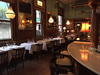
Café Rivas
Café Rivas serves food and drinks all day in a space about as charming as they come (that happens to be located on one of the more picturesque, cobbled corners of the city). Dining options are of the classically Argentinian variety (steaks, breaded pork cutlets), and the weekend brunch is excellent but, really this is a spot to sit at the bar with a glass of full-bodied wine or creamy coffee and unwind—ideally after a few hours spent browsing the San Telmo flea market.

Florería Atlántico
This bar—submerged beneath a pretty flower shop—is helmed by the city’s most revered bartender, Tato Giovannoni. The cocktail list is a celebration of the immigrant-led cultural fusion that is the backbone of this Latin city. Tato makes his own homemade gin (a pretty novel endeavor in Argentina), unusually—and patriotically—flavored with eucalyptus, yerba mate, and grapefruit. The basement bar itself is minimalist and urban with whitewashed walls, a chalkboard menu, and a long bar brightened up with yellow stools. Small plates are available, but be sure to book well in advance for table service.
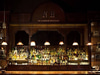
The Harrison Speakeasy
A riff on the fish market speakeasy operated by the notorious Harrison family in New York during the Prohibition, this iteration (authentically located underneath a sushi restaurant) recreates all of the illicit drama of the period. The real Nicky Harrison—a jailbird who later fled New York—wound up finding life and love in Buenos Aires and every detail in this bar is an ode to his story. (Even the menus feature newspaper clippings detailing Harrison’s 1930 incarceration.) The well-stocked bar is manned by guys who know what they're doing, too.

Isabel
Conveniently next door to BA hot spot Casa Cruz, Isabel is equally as glamorous as her neighbor. An upscale bar, the decor has that seductive, seventies vibe going on—gilded doors, a roaring fireplace, plush velvet booths, and mood-setting dim lighting. If you can get past the tight door, the martinis are the thing to order.
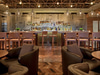
Pony Line at the Four Seasons
Inspired by Argentina’s polo-loving lifestyle, Pony Line has become a destination in and of itself for both visitors and resident Porteños (despite its hotel location which can sometimes be a real mood-killer). This bar is beautiful and so aesthetically different—the walls, floors, and bar are composed patchwork-style of varying shades of timber. The combination of natural materials and neutral colors feels immediately relaxing and warm—it's the kind of place you want to settle into the cozy, tan, leather banquettes with a drink in hand and stay all night. The libations range from champagnes and cocktails to locally-made artisanal beers with a solid small bites menu (oxtail empanadas, truffle fries) to keep you going.

Uptown BA
A pretty novel concept, this bar is a complete reconstruction of the NYC subway, as if it’s in transit from the Bronx to Uptown—yet, unlike the subway, this bar also manages to feel illicit, swanky, and clean. From the guys behind the Harrison Speakeasy, no stone was left unturned here—they’ve thought of every detail from the subway tiles that cover nearly every surface and the turnstile you need to pass through, to the actual subway car that holds the bar. This, however is no ordinary subway car, inside is a chic space with leather booths, towering ceilings, and a bar manned by booze experts mixing up themed cocktails to a soundtrack of rap and R&B.
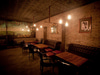
Victoria Brown Bar
A speakeasy, designed to resemble a Victorian-era factory (hence the name), the ambiance is dark and cozy with circular leather booths, low lighting, and truly excellent cocktails. Settle in for a few aperitifs and small plates to tide you over until dinner, which given Buenos Aires’s dining schedule typically gets going around 10 p.m.
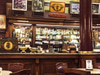
Café Tortoni
Tortoni is more akin to a ballroom than a café, yet it’s imposing size does not deter from the grand, turn-of-the-century continental café décor. The towering ceilings, colonnaded walkways, and white-collared waiters delivering strong cortados and cake to packed tables feels a lot like stepping back in time. Settle into this long-standing institution for a few solo hours with a good book and work your way through several coffees for some of the best people-watching in the city.
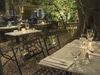
Croque Madame
In a city that has a picturesque café on every corner, Croque Madame has the distinguishing factor of being part of the very beautiful Museo Nacional de Bellas Artes. The outdoor terrace is a buzzy, cozy situation surrounded by lush greenery, the ideal spot for a continental breakfast (flaky croissants, OJ, endless jam), or a quick coffee. While admittedly there are a few Croque Madame Café’s dotted around the city, this one is all about the location—surrounded by museums, it's perfect for a caffeine-centric pick-me-up between exhibits (with some stellar people-watching on the side).

FARINELLI
Farinelli has the feel of a traditional French bakery and the appearance of a thoroughly modern operation. Small but mighty, the menu is loaded with healthy options, and given that Farinelli is a determinedly seasonal café—everything is homemade. Choose from sandwiches, salads, cakes, juices, and signature desserts (anything Dulce de Leche). Portions are small but the flavors are assertive, leaving you feeling satisfied. Inarguably chic, the interior is covered in white tiles and walls with red trim, which feels clean, pared-back, and contemporary. The few seats out front are made for sitting back with a strong coffee (or juice) and watching the locals go by.

LAB
LAB is a hyper-contemporary space aptly named given they treat the roasting and brewing process much like a precise science. A café for the true coffee connoisseur, every accouterment is available here from Chemex and V60, to an Aeropress for the perfect custom brew. Décor-wise, the space is a mix of white walls and blonde wood with low-hanging modern lamps and plenty of natural light. Aside from the incredible coffee, we recommend the grilled cheese or a sweet-savory slice of banana bread if you're feeling peckish.

La Biela
While the service at this long-standing café can sometimes be a little lax, sitting outside on an elegant Recoleta street with a coffee in hand is the quintessential Buenos Aires experience. La Biela has occupied this leafy, shady corner for decades and is much-loved by the neighborhood's occupants. The people watching—both inside and out—is pure gold and the old-world interior filled with bustling, white-shirted waiters and automobile paraphernalia doesn't hurt. Stick to beverages and pastries here, save a full meal for one of Recoleta's incredible steakhouses—like Fervor, for example—instead.
Ninina
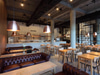
A modern (by Buenos Aires standards) café and bakery serving up extravagant cakes in a minimalist setting, you wouldn't be blamed for thinking you’ve stepped into a Stockholm fika spot. Ninina's décor is decidedly Scandinavian, with walls, floors, and tables all made of polished blonde wood. The bar, in contrast, is a sheet of white marble showcasing traditional cakes covered in clouds of whipped cream, stiff meringue, and fresh berries. A mellow spot for an afternoon coffee and slice of cake, they also serve breakfast and lunch with an American slant—avocado toast, eggs, smoked salmon, waffles, and refreshing smoothies.

Próspero Velazco
The work of acclaimed patissier Próspero Velazco (who trained under Francis Mallmann, no less), this is no ordinary bakery. The bread, croissants, tarts, and cakes are all baked fresh daily and resemble miniature sweet sculptures. The space is charm personified, with all the confectionary displayed in glass cases, stacks of porcelain cups and saucers lining the shelves, and pretty blue tables and chairs scattered throughout for those wanting to sit in and enjoy a decadent éclair or tart slice of lemon pie.

Anushka Elliot
Anushka Elliot's ethereal dresses and tunics in loose linens and floaty silks serve as ideal transitional pieces, perfect for both the pampas and the city. A little bohemian, her designs are a reflection of time spent studying in Palermo and in London with a stint at American Vogue. By appointment only, Elliot’s Palermo showroom is well worth a visit if you're looking for one-of-a-kind pieces you can't find elsewhere or to add a heavy dose of femininity to your wardrobe.
Arandu
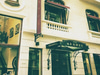
Argentina is known for exceptional leather craftsmanship, which is on full display in this family-owned shop. Originating in the mid-1980s, Arandu started out making bespoke leather saddles and bridles, eventually expanding to bags, boots, wallets, and other handmade items, including silver, wood, and ceramic accessories. Detailing is the focal point of every piece, down to the pristine stitching on the jackets and shoes. Leave ample time to explore the entire shop (which smells, of course, like gorgeous leather), as you're likely to find something truly special—say, a traditional steak knife made by their in-house silversmith?

Blumm Flower Co.
Tucked into the corner of the beautiful retail and restaurant concept that is Casa Cavia, walking into Blumm is an all senses on deck experience—every surface is covered in bright blooms, and their fresh scent fills the space. Owner and master florist Camila Gassiebayle is a former fashion stylist and consultant and her unique aesthetic is what sets Blumm apart. The arrangements are strictly seasonal and more bohemian than done up. Order a bunch, let Gassiebayle work her magic, and enjoy a coffee next door, or browse the chic selection of vases, pots, and botanically themed books (all of which make great gifts).
Casa Cavia
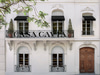
Some people head to Casa Cavia for the flowers, others for the books–we go for the incredible mix of both, as well as its stellar restaurant and gorgeous perfumery. This hybrid concept shop is actually a multi-use space inhabiting a drop-dead gorgeous 1920's Palermo home, renovated by design team Kallos Turin. When you first walk in, you're hit with the scent of the fresh florals artfully arranged in bouquets and displayed in each room. The first floor hosts the florist, Fueguia 1833 parfumerie, shop, and restaurant, where chef Pablo Massey offers his inventive take on traditional Argentinian dishes. There's also an impeccable garden and the in-house Ampersand Publishing company which produces and sells books all in one place. On the second floor, there's a beautiful library where they host readings, presentations, and classes. Pro tip: Come late afternoon to peruse the wares, have a glass of wine, and stay for an early dinner (a rarity, given the city's proclivity to eat late, but so worth it for the quiet).

Casa Fagliano
This atelier—founded by an Italian husband and wife duo in 1892—makes, arguably, the most superlative polo boots in the world. Despite the longevity of this family business, practices have remained largely unchanged, with the boots still made by hand in the store to this day—more often than not by octogenarian Rodolfo Fagliano himself. The artisanal production process is painstaking in its detail—leathers are selected for durability and softness (the Fagliano’s prefer cordovan, calfskin, and buffalo hide), and soles are cut and prepared all on a 1920s sewing machine. While a pair of these exquisite handmade boots don't come cheap and the waiting list can be months-long, for the true polo-enthusiast these boots are worth it. Every detail is customizable, from the leather to the thread color to the type of brass nails used. If you absolutely must have a piece of this craftsmanship in your life without the hefty price tag, Casa Fagliano also offers a selection of other leather products like watch straps and belts.

El Ateneo Grand Splendid
Buenos Aires is typically known for its tango and steak, but the written word is also a big deal around here with a bookstore on practically every corner. El Ateneo is not your run-of-the-mill bookseller: housed in a former grand theater built in 1919, this imposing, cavernous space is now packed floor-to-ceiling with books set amidst the original ornate fixtures. A particularly thoughtful detail is the in-store café, built onto what was once the tango stage, and still framed by dramatic red velvet drapes. Spend a few hours taking it all in and wrap up with a strong cortado center stage.

El Camarin
What we love most about El Camarin is its completely considered and unique inventory. Owner Yanina Solnicki sources the most beautiful vintage dresses, which she and her team restore in-house. Tucked inside Recoleta's promenade gallery, the small shop has a healthy inventory yet is somehow easy to manage, too. You'll also find new pieces from several modern Argentine lines–and given Solnicki's penchant for lace and chiffon, this boutique has become a go-to for brides looking for a one-of-a-kind dress.

Gil Antiguedades
While San Telmo is known for its incredible Sunday street fair, the bounty of antique stores and quaint restaurants make it a worthy destination any day of the week. Case in point: this impressive boutique specializing in early- and mid-century vintage clothing and homewares. The space feels like an artful labyrinth packed with accessories and clothes—from flapper dresses to lace wedding gowns—all of which is meticulously displayed between rows of beaded necklaces and Bakelite bracelets. The upstairs houses most of the homewares, including rare china, vintage crystal, and gorgeous textiles. A collector's dream.

Sadaels
Juan Hernandez Daels is a Belgian-Argentinian designer who studied both in Antwerp and in London’s Central St. Martins. Having cut his teeth at Dries Van Noten and Raf Simons before launching his own flagship in Buenos Aires in 2014, it's no wonder at all that his line is defined by sharp tailoring and conceptual silhouettes—expect beautifully deconstructed separates with plenty of cocktail attire thrown in.

JT
Argentinian designer Jessica Trosman (formerly of the label TrosmanChurba) is the proprietress of what many would agree is the most stylistically dynamic boutique in the city. Located in a renovated warehouse, the space—all whitewashed walls with a dramatic mirrored glass structure surrounded by suspended greenery acting as a dressing room in the center—is a true pleasure to shop. (Trosman’s design studio is out back and you’ll often spy her sketching away through the glass walls.) Admittedly, the candy-colored and dip-dyed patterns and elaborate, over-the-top silhouettes are not for everyone, those in the market for something truly unexpected will hit the motherlode here.

Panorama
Panorama is one of the more avante-garde boutiques in the city in the sense that the owners (a trio of Argentine designers) adhere strictly to stocking the best edit of emerging Argentinian talent. The store itself is a completely white space, save a few pops of neon, highlighting the colors and textures of the pieces displayed. Browse through buttery leather bags by Le Bas, chunky knits from Maydi, and dresses from a handful of under-the-radar brands. This multi-line concept store is the perfect for bringing home something you won't find anywhere else in the world.

Libros del Pasaje
Proof that this city holds culture and literature in the highest regard, BA is known for having the most bookstores per capita in the world. Passage stands out for its incredible inventory, which includes first editions and a decent amount of literature in English. The staff is approachable and insanely knowledgeable, but the best part is the overall vibe: the music is always edgy and perfect for the setting (think: Massive Attack, The White Stripes, and Jane's Addiction), and there's a cozy café in the back that makes for a great spot to post up with a book and coffee on a lazy Saturday.
Tramando SA
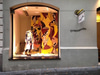
Tramando designer Martin Churba is so fixated on the quality and innovative elements of his textiles that he has his own lab specifically for experimenting. Churba produces ready-to-wear pieces that are hyper-modern in both silhouette and fabrication (think of him as the Argentinian Rick Owens). Shirts are either wildly patterned or unexpectedly sheer, the cocktail pieces, meanwhile, are chic and modern. The are four stores in the city, so you can't miss it.

arteba
arteba was founded in 1991 in an effort to strengthen the city’s domestic art market. The foundation has evolved into one of Latin America’s most significant art fairs (last year drew more than 100,000 visitors), bringing Argentinian art to the international market and vice versa. Typically the fair takes place in May and features approximately 300 curators, collectors, and artists. The organizers also produce an excellent bi-annual magazine covering the domestic art scene for those who cannot attend, or are just interested in keeping up.

Bosques de Palermo
An urban park that acts as effectively as a communal backyard for millions of Porteños with three artificial lakes for boating, trails for walking and biking, as well as that delightful fusion of culture and the outdoors that many Latin cities do so well. The 989 acres are teeming with pretty groves and rose gardens (home to over 12,000 roses), but our favorite is the Poet’s Garden, filled with bronze busts of famous wordsmiths from Pirandello to Shakespeare.

Faena Art Center
A non-profit with a second location in Miami, the Faena Art Center provides a platform for local and new artists to exhibit and bring their work into the public sphere, as well as plays host to international exhibits. The center in Puerto Madero is built into what was once one of Argentina’s largest flour mills and thankfully many of the unique turn-of-the-century industrial details were retained. The ceilings are soaring, and huge 1900's-style bay windows flood the space with light. Exhibits have included multi-disciplinary artist Typoe’s 'Forms of Life', where the artist created a fantastical futuristic city, vivid with the colors of Miami (Typoe’s birthplace) with children’s building blocks—visitors were encouraged to construct their own future worlds—while another recent exhibit was choreography based.

Herlitzka & Co.
Herlitzka & Co. concentrates on geometric abstraction and the more conceptual Latin American art. The gallery gives a platform to new and established artists as well regularly hosting cutting-edge exhibits—recent examples include Mirtha Dermisache, and Carlos Ginzberg’s New Capitalism show, a meditation on modern commercialism and exploitation through the lens of photographs and placards. Faria keeps his finger on the pulse and his gallery is a must-visit for creatives and art-lovers curious about Argentina's domestic art scene.
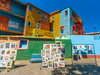
Il Caminito
The La Boca neighborhood of Buenos Aires has a reputation for being a little touristy, however considering it's home to the Boca Juniors stadium, and many of the city’s best restaurants, the charming street is well worth the trip (and is walkable from quaint San Telmo). The caminito is just as described, a little walk through what was once an immigrant Italian neighborhood still called La Boca (or the mouth) thanks to it’s harborside location. The area’s charm lies in the mish-mash of brightly painted houses situated along the cobbled streets that are lined with artists and craftspeople. Many of the walls are covered in murals that delve into the social and political themes present in Porteño life. Go for a wander, take in the sights and—if you’re organized enough—book at table at one of La Boca’s restaurants for dinner.

La Bomba de Tiempo
If there's one sweat-inducing, invigorating, authentic experience to be had in BA, it's this: A group of talented percussionists perform a mix of improvised drumming every Monday at Konex, the city's cutting edge, slightly gritty, cultural center. The music is loud and totally infectious–you'll find everyone dancing in the audience, which is an eclectic crowd—everything from local die-hard fans of all ages to tourists. The set runs for about three hours, but it literally flies by, leaving you wanting more. Head there early to get a spot near the crowd exterior (the middle can get rowdy) and wear sneakers and comfortable clothing–you'll be on your feet for hours.

La Ciudad Universitaria de Buenos Aires
Universities are the often-overlooked, yet most ideal locations to really feel out the cultural and political pulse of a city. Buenos Aires’s Ciudad Universitaria is a sprawling campus based on an urban plan drafted by seminal French architect Le Corbusier in 1938. The buildings are fairly Brutalist is style (a change from the typically ornate structures that dominate the city landscape), and the campus is covered in graffiti, political banners, and cultural references—an unusual but authentic spot to walk around and really take in the civic undertones of the city.

Museo de Arte Contemporaneo
The city’s Museum of Contemporary Art is relatively new, having opened in 2012 in the lively San Telmo neighborhood adjacent to MAMBA. MACBA is primarily dedicated to displaying the art collection of financier Aldo Rubino, which has a heavy focus on geometric abstraction. Other artists exhibited include international names like Le Parc and Vasarely, and Argentine artists like Fabian Burgos and Veronica di Toro. A recent initiative promoted the works of female artists in exhibits curated by women.

Museo de Arte Moderno
The Museum of Modern Art (not to be confused with from MACBA which focuses on purely contemporary artists), is dedicated to displaying modern art from the 1920's to the present day. The collection encompasses over 7,000 works by both Argentine and international artists spanning everything from photography to graphic and industrial design.

Museo Nacional de Bellas Artes
This museum not only houses Argentina’s largest collection of fine art, it's the largest public collection in all of Latin America—over 12,000 pieces of 19th-century European Art sit alongside a substantial Argentinian offering. The permanent collection is incredibly varied and includes stunning works be Rembrandt and El Greco. Don’t miss the Goya room, filled with the striking sketches and paintings by the artist, many depicting topics like death and war in the Napoleonic period. Impressionism lovers will find an expansive selection of works by Manet, Monet, Renoir, and Degas, alongside sculptures by Rodin and some Modernist pieces including a Jackson Pollack. This museum truly has something for everyone and is beautifully laid out with a robust library, a gift shop filled with collector-worthy art books, and a pretty café.

Palacio Libertad
Aside from being the largest cultural center in Latin America, Palacio Libertad occupies a stunning, French-empire style historic building that was once the city’s post office. Spread across nine floors, the center is dedicated to music, theatre, dance, and art.

Polo Season
We'd be remiss not to mention the all-important polo season when talking about Buenos Aires, or Argentina, for that matter. While there are three main events, The Tortugas Open, The Hurlingham Open, and The Argentine Polo Open Championship, the Polo Open Championship is the main event and happens in BA in what Argentinians call the 'Cathedral of Polo' in the Palermo neighborhood (typically from November into early December). Aside from all the action happening on the horses, polo events also come accompanied by some pretty serious food and late-night revelry. It's totally worth planning your trip to BA around this time of year. Trust.
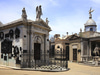
Recoleta Cemetery
Built in 1822 around an existing convent, a walk through Recoleta Cemetery’s labyrinthine alleys reads like an Argentine history lesson—generals, presidents, citizens, and Eva Perón herself, are all buried here. This is truly one of the most dynamic and visually beautiful resting places in the world—covered in over 4,691 vaults and mausoleums so grand (a mixture of marble palace-like structures some perfectly maintained and some crumbling), many have been declared national monuments. The cemetery is arranged on a grid—like most modern cities—and the many thousands of decorative tombs cover all the architectural movements that have spanned the last two centuries from Art Deco to Neo Gothic.

Ruth Benzacar Galería de Arte
One of Buenos Aires's longest-standing art institutions, Ruth Benzacar was founded by Ruth herself in 1965, when in the midst of a financial crisis the matriarch transformed her then-home into a gallery space to the showcase the contemporary art collection she and her husband had amassed. These days the gallery has moved space, but continues to be a family affair, now run by Benzacar’s daughters Orly and Solana. Aside from frequent exhibits showcasing mostly contemporary Argentinian talent, the space also hosts other cultural activities like poetry readings and workshops for kids.

San Telmo Market
This market has served locals since 1897, when it was originally founded as a marketplace for the waves of European immigrants who flocked to the city during that period. Set indoors, take a moment to look up and note the original fixtures, columns, and beams that still adorn the space today. Most of the stalls—selling all manner of knick-knacks, antiques, records, and crafts—are open daily. A separate Sunday flea market happens every weekend in this same quaint plaza, oftentimes with live tango as an accompaniment. Stop by the charming Bar Plaza Dorrego for a post-flea pick-me-up.
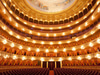
Teatro Colón
Without question, Teatro Colón is one of the world’s most breathtaking opera houses, and has played host to all of the greats across ballet, classical music, and opera from Maria Callas to Margot Fonteyn. Whilst the building itself has gone through many incarnations amidst plenty of turmoil (an anarchist bombing in 1910, the murder of one of its architects), the latest refurbishment was completed in 2010. Architecturally, the Teatro is eclectic in style which reflects the structure's journey through the last century—the horseshoe-shaped hall (which creates an echo chamber-like sound effect), holds nearly 4,000 people and feels grand and celebratory with plenty of velvet, tapestries, and ornately carved wood. Take a tour—which includes the deep catacombs beneath the building—or dress up and attend a performance to take in the old-world grandeur and hear the incredible acoustics for yourself.

andBeyond Benguerra Island
The andBeyond outfitters have a slew of incredible properties in Africa (they'll typically book visitors to more than one destination in one visit), and while this quiet paradise off the coast of Mozambique makes a great beachy add-on to a safari trip, it's a more than worthy destination in its own right. For starters, there's the idyllic private beach location in the Bazaruto Peninsula, where the already-warm waters of the Indian Ocean are gentle, and swimming and snorkeling is comfortable and easy—those balmy temperatures also attract pods of humpback dolphins, sea turtles, and dugongs (the endangered Indian version of a manatee). It's easy to fill the days here lounging in the sun (especially since the West-facing beach means they have gorgeous sunsets), but there's plenty of high-touch staff on hand to organize excursions for sailing, deep sea fishing, and diving. That said, you'd be entirely justified in never leaving your individual cabana—each is decorated in blues and whites, with thatched wooden roofs, gauzy curtains hanging around the four-poster beds, and private open-air showers.

andBeyond Matetsi River Lodge
Housed in a renovated lodge on a 123,500-acre reserve, you're in close reach of all of the activities that Victoria Falls and Zimbabwe have to offer. Made up of two camps, each nine rooms strong, the stone-and-thatch facades dot the riverfront and feature all the requisite safari creature comforts: a four-poster bed, indoor-outdoor shower, and a private plunge pool. The team can arrange everything from game drives (there are incredible elephant sightings), birdwatching, canoeing, and boat excursions.

Babylonstoren
For the better part of a decade owners Koos Bekker and Karen Roos lovingly worked on restoring a 300-year-old farm at the base of the Simonsberg mountains into a wine destination in its own right. There are only thirteen rooms (formerly farm-workers’ cottages) and each one is whitewashed and pristine with an open floor plan and modern furnishings from the likes of Kartell and Bourellec Bros. For those in need of something more generously sized, whether it’s for themselves or for a couples getaway, the five-bedroom Owner’s House is pretty special, and features checkerboard floors in the bathrooms, a soaking tub, and the farm kitchen with its own wood-burning stove. On property, an eight-acre walled garden informs much of the menu at its restaurant, Babel, which churns out deliciously fresh meals. (In the summer months, it's yellow tomatoes, apricots, and gooseberries, while a winter menu may feature, say, a slow-cooked lamb leg in a red wine sauce.) For a bit of pampering, spa treatments can be had in the bamboo pavilion, which also includes a Hammam. Guests can participate in the harvest, pruning, and picking (they provide trowels and gloves), and they also offer wine tastings, though Babylonstoren is also within easy striking distance of South Africa's other celebrated vineyards. If you’re in need of an expert to help you plan a longer Africa trip, consider Deborah Calmeyer, a trip-planning ace at ROAR Africa, who can set you up at Babylonstoren and beyond.

El Fenn
Owned in part by Richard Branson's sister, Vanessa, El Fenn is a bright spot in a city that's already wildly colorful. Years ago, Vanessa and partner Howell James were walking through Marakkech looking for a home to buy when they came across a once stately riad that was desperately in need of a resuscitation. The pair restored it to its former glory, and transformed it into a gorgeously appointed hotel, which now has 41 guest rooms. It has a number of restaurants, bars, and pools, and it's within striking distance of most of Morocco's biggest hits (see our Marrakech guide).
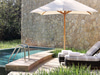
Hotel Saxon
The grounds at the Saxon Hotel are so relaxing and private that Nelson Mandela retreated here to write his memoirs. Located on ten-plus acres, the approach here is zen- and detail-orientated—from the impeccable service to the neutral decor that mirrors the surrounding African landscape. If you're really looking to recharge, it's best to book one of the private villas–and book a sound therapy session at the spa. On the property, high tea–one of the Saxon's specialties–is served daily in one of the six impeccable gardens. And while the hotel's huge pool and rooftop terrace offer even more reasons to stay put, should you want to venture out, Sandton, a neighborhood known for its shopping, is an easy day trip.

La Mamounia
"I stayed at the revamped historic La Mamounia Hotel, located in the heart of the imperial city. The Jacques Garcia designed interiors are splendid to say the least, and the hotel’s gardens are out of this world, almost from a fairy tale. The hotel has four restaurants supplying cuisine from around the world—L’Italien, Le Francais, Le Marocain, and Le Pavillion de la Piscine—and five bars to choose from—Le Bar Marocain, Le Bar Italien, Le Bar Churchill, Le Bar de la Piscine, and Le Menzeh 'Glacier & Patissier.' The food and drinks here are elegant and delicious, and with all the choices, it’s easy to stay in the hotel for an entire weekend of relaxation. Speaking of which, I couldn’t resist a daily Hammam treatment at the hotel’s spa. Get this: 15 minutes in a steam room, a full-body lather in black soap, an exfoliating rub down, a Ghassoul (Moroccan clay) body masque, and then a warm shower... Ridiculously lavish!" —Gwyneth, 2019

Le Quartier Français
Surrounded by the hills and vineyards of the Franschhoek Valley, this little boutique hotel (there are only 21 rooms on the property) is just an hour from Cape Town, but it feels worlds away. While the quaint, comfortable suites by themselves justify a trip, this location is really all about the food. Their famous restaurant The Tasting Room has been re-imagined as La Petite Colombe, the second location of a La Colombe, a much-lauded local outfit that made a name for itself with the exquisite tasting menus that perfectly complement the the wine from this region. Note: They're currently closed for almost-finished renovations, and are now taking reservations for their re-opening.
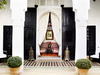
L'Hôtel Marrakech
The first hotel from designer Jasper Conran (son of design luminary Sir Terence Conran, and maker of several famous Princess Diana suits), this 19th-century renovated riad is smack dab in the middle of the medina, just a few blocks from Jemaa el-Fnaa. Conran's design scheme is subtly 1930s, featuring whitewashed beds done in clean linens and draped with sheer curtains; meticulously selected antiques and artwork from Conran's own collection; and Moroccan flourishes like tall zouak ceilings, mosaic tiling, and locally made rugs. Despite its close proximity to the lively madness of central Marrakech, the entire operation here, from the five elegant suites to the serene rooftop terrace—which offers gorgeous view of the Atlas mountains—is pure serenity. The central courtyard features a small swimming pool (hard to come by in this part of town, even at luxury hotels) shaded by lush palms and citrus trees, and there's a private hammam with tadelakt walls done in a rich jade green. A simple but satisfying menu of old-school Moroccan dishes like tagines, grilled meats, and locally grown vegetables is served in a lovely little dining room that opens up onto the courtyard in the warmer months.

North Island
Part nature and wildlife conservatory, part exclusive resort, North Island is a tropical paradise the likes of which you’ll be hard pressed to find anywhere else. Taking up prime real-estate along the shores of the Indian Ocean, the 11 individual villas allow for unlimited access to the crystalline waters. An on-site dive school allows novices to hone their skills while experienced scuba divers explore the legendary coral reefs solo. On their way to or from the restaurant on the western side of the island, guests are encouraged to detour to the Seychelles Historical Museum or visit with the Island’s oldest inhabitants at the tortoise sanctuary.
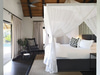
Londolozi
Londolozi has several camps, all equally luxurious, but for honeymooners it's hard to beat their granite suites, which walk a thin line of luxury while maintaining the feeling that you’re out in nature. Outfitted with wide doors and windows that open to the Sand River, the stone huts (even the slanted roofs are made from granite slabs) feel like they’re part of the land, with private, heated pools that mirror the floor of the riverbed. Of course, the real draw here is the safari adventures in Kruger Park, and Londolozi’s guides have a great track record for finding some of the more difficult animals to see, along with plenty of lions, elephants, hippos, and more. As a bonus, Londolozi has a well-respected reputation for conservation and community support in the area.

Mahali Mzuri
Richard Branson's tent camp in the Maasai Mara National Reserve is home to only twelve rooms, so the entire experience is very private and intimate. The tents themselves are more architecturally ambitious than what you'll find elsewhere in the region, with curved roofs that swing out of the hillside and around each tent's private deck for maximum viewing of the grasslands. The main lodge, where meals are served, features a warm, open fireplace in the center and an infinity pool with the same sweeping views as those in the rooms. The main attraction, of course, is the wildlife, viewed from jeeps on twice-daily game drives led by local Maasai guides. Lions, wildebeest, elephants, giraffes, cheetahs, gazelles, zebras, and buffalo are recurring characters, and skilled guides have also been known to scope out rarer finds, like elusive pangolins. Be sure to ask about night drives, when you'll be more likely to find nocturnal animals like aardvarks and honey badgers. This makes for a particularly great honeymoon after a summer wedding, as the peak season—when guests can get a glimpse of animals moving during the great annual migration—is from July-September.
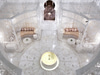
Royal Mansour
This crown jewel of Moroccan hospitality is home to 53 separate riads, each with their own courtyard and fountain. Every room, spa, and common space is dripping in elegant Moroccan décor, including intricate tiles, colorful silks, and traditional chandeliers and lanterns. What’s more, the palace has more than 500 staff members, offering service that’s literally fit for royalty. The entire medina is a labyrinth of soothing water sounds (from the aforementioned fountains) and lovely scents that waft up from the well-tended garden, which spreads out over every inch of unclaimed space—it’s especially magical at night, when the winding paths are lit up with candles. When you’re not out exploring the city, book one of the couples’ treatments in the jaw-dropping spa.
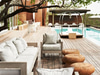
Singita Lebombo Lodge
Everything about this safari camp is achingly chic (to the extent that it's Michael Kors' favorite vacation destination), from the leather and canvas washed interiors, to the long pool. Of course, that's kind of just a side note to the fact that it's in the middle of South Africa's Kreuger National Park, meaning that you get to take your laps in the morning to the sound of giraffes tussling nearby. There are also incredible views of the N'wanetsi river. While they allow kids over 10, keep in mind that a safari isn't for those who don't want to wake up early in the morning (or hate being confined to a car for most of the day). Rates include two game drives per day, walking safaris, and all meals and drinks (there's a great wine cellar).
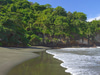
Amankila
Bali’s lush forests and crystal-clear oceans make it a pretty romantic destination regardless, but the accommodations at Amankila take everything next level with isolated, stilted villas that are situated at the perfect height for optimal ocean views. If you take the walkways through the jungle from your room, you’ll find yourself at a three-tiered infinity pool with tiling that perfectly matches the dreamy green-blue hue of the bay it overlooks. The attentive service here is everything you’d expect from an Aman, and the concierge will set up one of the many adventures available from this isolated spot, including trips to a perfect beach, surfing, scuba diving, and more. But with cozy rooms, private patios, a great terrace restaurant, and suites with private pools, you probably won’t want to leave at all.

Amankora
This Aman holding in the mountains of Bhutan is actually split up between five different properties, each one with its own lodge, in a different alpine valley. A trip here stands out because you’ll have the chance to learn about the unique culture in the area—upon arrival, you’ll be paired with a driver and guide who will show you their country, based on your own curiosity and needs. We definitely recommend hiking to see Tiger’s Nest, a Buddhist monastery built into the mountainside that’s thought to be the first place where Buddhism was practiced in the Kingdom. The lodges themselves are an Aman-take on traditional Bhutanese style, and they’re set up like homes, with 5-8 rooms in each one. Find an evening to stargaze—the sky up here is unmatched.

Aman Tokyo
Many hotels in Tokyo occupy the upper floors of skyscrapers, but none can compete with the majesty of Aman’s first city hotel, which opened in 2014. Step off the elevators and your head will automatically swivel upward to take in the nearly one-hundred-foot atrium that greets you. Once you get over the showstopping entrance, more delights await: 84 rooms designed in Japanese simplicity, with a deep soaking tub in every single one; floor-to-ceiling windows with views of Mount Fuji, the Imperial Palace, and the Tokyo skyline; and a spa and swimming pool that are so high up, they may as well be in the clouds. The hotel’s in a solidly business-oriented neighborhood but is close to Ginza and sits above five subway lines.
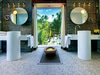
The Brando
Much like Marlon Brando fell in love with Tetiaroa while filming Mutiny on the Bounty (he purchased the land for him and his wife Tarita in 1967), guests are instantly charmed by the island’s coconut palm groves and white-sand beaches. To further his commitment to sustainability, Brando enlisted the help of hotelier Richard Bailey to build the world's first ever post-carbon resort. Though by no means cheap (the all-inclusive rates start at $2,700 per night) The Brando’s lengthy list of activities (snorkeling, kayaking, paddle boarding) and indoor/outdoor accommodations—complete with sleek decor, plunge pools, and outdoor bathtubs—mean the pricetag makes sense. The island’s restaurants serve dishes comprised of ingredients plucked from the resort’s own organic fruit orchard and veggie garden.
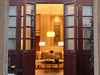
Capella Shanghai Jian Ye Li
Located in the former French Concession neighborhood–a quiet, residential spot with tree-lined brick walkways–this boutique villa hotel is excellent if you're looking for a quieter stay in the city. The grounds are both historic and impressive: the buildings, all of which were built in the 1930's, are of the Shikumen-style architecture distinctive to Shanghai and include elaborate stone gates and brick detailing. Each room is technically a two-story home in which there's at least one bedroom, two baths, and a private patio. The service here is impeccable: a personal assistant contacts you prior to arrival to tailor your stay (say, for gluten-free meals or site-seeing plans), and the staff offers grocery shopping services for longer visits. Given its proximity to the city's stellar food scene, you may want to venture out for dinner, but it's worth booking at least one meal at Le Comptoir de Pierre Gagnaire, the hotel's in-house restaurant serving incredible authentic French food.

Cap Karoso
Cap Karoso is spacious, sleek, and dotted with art. It’s also remote, on a relatively undisturbed stretch of Sumba’s west coast, where cell reception is blessedly spotty. The time it takes to get there is worth it: Guests will find themselves bobbing in the waters of lagoons and saltwater lakes, indulging in spa rituals inspired by Marapu animist traditions and indigenous plants, and enjoying farm-to-table shared plates at the all-day beach club.
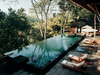
COMO Shambhala Estate
With an emphasis on holistic wellness, this stunning retreat calls upon certified specialists in yoga, Pilates and qigong, to personalized mountain biking, hiking and circuit training guides. In the Estate's main kitchen, you can design your own three-course menu (go for an authentically Indonesian dish) to cook with chef. During your stay, you’ll likely live at Glow, an all-day restaurant/café serving pressed juice, organic salads, and fresh Mediterranean fish.
The Four Seasons Golden Triangle
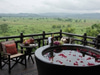
This tented camp in Thailand is an excellent option if you like adventure. A stay here will prominently feature elephant treks, boat outings along the river, and visits to the local Thai market. That said, this isn’t exactly a NOLS outfit—luxury tents feel incredibly isolated in the jungle, yet feature outdoor showers and hot tubs, luxurious bedding, and comfortable porches for sipping your morning tea. The service and in-house restaurant are incredible, and despite being isolated at a tent camp, the spa treatments (guests rave about the massages) want for nothing.
Four Seasons Resort The Nam Hai
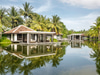
Tucked in the quaint town of Hoi An (just three hours from Singapore and two from Hong Kong), The Nam Hai Hotel has been a favorite of Asian travelers for years—and its transition to a Four Seasons property has given Americans reason to take fresh notice. Located on the tranquil coastline (something of a rarity in this area), each villa has its own expansive ocean view. There are two world class restaurants on site, though you may like to try the local cuisine and explore the historic fishing village. If you’re feeling luxurious, head to the Heart of the Earth Spa for a body scrub and any massage that involves a tuning fork. There are plenty of water sports and children's play space to keep kiddos occupied. The recent addition of a cooking school is a must, where you’ll harvest herbs from their organic garden and learn to make traditional Vietnamese dishes.
Laucala Island
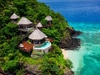
Malcolm Forbes purchased this Fijian island back in 1972 as a personal retreat, and for many years it was exactly that. It’s actually Dietrich Mateschitz (most famous as the billionaire inventor of Red Bull) who had the vision to turn the island into the exclusive resort it is today. The entire experience here is really intimate, with only 25 residences scattered across the property’s beaches and hills. Each one is more luxurious than the last, with amenities like personal butlers, private swimming pools, and hidden yoga platforms, and service that’s available to meet every possible need. When it comes to the classic private-island, white sand beach, luxury saltwater escape, you really can’t top this place.
The Sanchaya
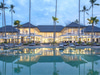
With only 21 private villas and even fewer suites, this colonial estate takes up a surprisingly vast stretch of a particularly stunning white–sand beach on the Indonesian island of Bintan. While all modern-day creature comforts are accounted for—an Olympic size infinity pool, Bang & Olufsen in-room gadgets, and a world-class spa that harvests healing herbs from the on-site garden—the communal lounges, libraries, and dining rooms (the Tasanee grill serves up killer Thai street food) are decked out in Southeast Asian antiques and traditional heirlooms. Once you’ve had your fill of uninterrupted down time, consider venturing out to explore the neighboring rainforests.
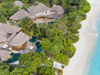
Soneva Fushi
The Soneva family of resorts may be situated on some of the most gorgeous land in the world, sure, but what really gets our hearts beating faster is their dedication to a form of tourism that goes even beyond sustainable. It’s called Slow Life, which breaks down to: Sustainable-Local-Organic-Wellness Learning-Inspiring-Fun-Experiences. Here, you truly disconnect from all the business at home, and connect instead with a stunningly, pristine landscape (including a UNESCO protected coral reef). There are 55 villas here, which have anything from three to nine bedrooms (making this epic for a big group of friends or family reunion), and the focus is equally on ensuring that kids have a great time, whether it’s in the open-air cinema, at the observatory, or riding bikes around the island. (It doesn’t hurt that they offer 60 kinds of ice cream.)
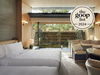
Park Hyatt Kyoto
The Park Hyatt Kyoto is designed in a way that thoughtfully nods to traditional Japanese ryokans, with sloped ceilings and expansive views of Kyoto’s tiled rooftops and pagodas. And the hotel sits right on Ninenzaka, one of two connecting pedestrian alleys lined with traditional wooden houses, souvenir stores, and shops selling specialty snacks. But perhaps the most notable thing about the Park Hyatt, other than its design and excellent service: the main restaurant on site, which predates the hotel by over 140 years. Kyoyamoto is a traditional kaiseki spot and a destination in its own right, with a garden worth spending an afternoon in.
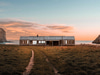
Annandale
The Banks Peninsula (which is made up of two former volcanoes that have since eroded into a series of bays and harbors) has the advantage of feeling exceedingly remote, though it's just a short drive—and even shorter helicopter trip—from the Christchurch. Annandale is actually a fully functional sheep and cattle farm, with a stunning garden and orchard (needless to say, were sold as soon as we saw the greenhouse) and seemingly endless grounds for exploring on foot, on bikes, or in kayaks. The property itself has a main farmhouse—built in the 1880s and warmly restored—plus four private villas, each on their own section of the island. Food is prepared and delivered ahead of time and prepped for easy heating in the oven—everything is made with ingredients sourced on-site, and the result is immensely intimate dinners without even the interruption of staff. Honeymooners should ask about the Seascape beach cottage, an isolated one-bedroom along the beach with a fireplace, spa pool, and an all-to-yourself-view of Pigeon Bay, where you're all but guaranteed to see adorably miniature Hector's dolphins (seriously, Google them) seeking refuge.

Rosewood Cape Kidnappers
This Rosewood-managed property is located in Hawke's Bay, deep in the heart of New Zealand's rich wine country—which, geographically speaking, looks as if one took the rolling hills of the Napa Valley and set them down on the edge of a dramatic seaside cliff. The internationally known golf course (which meanders its way along the aforesaid cliffs) is part of the draw here, but guests also spend their time exploring the 6,000 acres of pasture—The Farm is actually a working sheep and beef operation, and touring around by foot or on a four-wheeler, to see the full acreage and get a glimpse of the sheepdogs at work, is highly recommended. The architecture features worn wood panels on the inland side and glass, view-facing windows on the other, achieving a barn-like effect that's tempered by modern features like a sleek infinity pool. Interiors echo the modern farmhouse vibe, with cozy wooden fireplaces in every room, rustic beams crossing the vaulted ceilings, and curtains done in soft blue French ticking. The owners have two other properties in New Zealand (Matakauri, a lakeside retreat a short drive from Queenstown, and Kauri Cliffs, which has beach access in Mauri Bay), so if you're making the trek from the United States, it's worth hitting more than one over the course of the trip. P.S. Everyone's obsessed with the chocolate chip cookies from the kitchen here, for good reason.
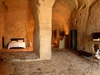
Albergo Sextantio Le Grotte Della Civita
The 18 rooms of this astonishingly unique hotel in Southern Italy (the town, Matera, is located right along the arch of the boot) are situated in ancient caves so old that they’ve actually been declared a UNESCO world heritage site. Philanthropist and anthropologist turned hotelier Daniele Kihlgren came upon them in the late 1990s and converted a small section into gorgeous, sparely decorated rooms. Modern tubs, simple white linens, and achingly romantic candles, which local staffers nestle into the nooks and crannies of the Neolithic walls, complement the cavernous, cobblestone-floored spaces. During the day, explore the other historic caves in town; the stunning monastery is decorated with hand-painted murals. Since the region is famously devoid of tourists, you’re all but guaranteed to have them to yourselves.

Aman Venice
Sited on the Grand Canal, the Palazzo Papadopoli-turned-Aman-resort is hands-down insane: Built in the 16th century, it’s surrounded on both sides by gardens, and topped with Murano glass chandeliers, and ceilings painted by 18th century master painter Giovanni Battista Tiepolo. With only twenty-four lavishly appointed suites, one restaurant, and a small but excellent Eastern-style spa, Aman Venice is incredibly intimate and romantic. The rooftop bar is one of the prettiest to view a sunset in the city, with it's red-silk walls, ornately carved moldings, and views over the canal. All in, it’s clearly a total once-in-a-lifetime hotel.
Amanzoe
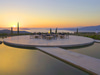
Floating high above picturesque Porto Heli, Aman Resort’s Peloponnese outpost, Amanzoe is a love letter to traditional Greek architecture. Private swimming pools, stone courtyards, and sprawling two-person showers come standard with each of the thirty-eight suites. But couples may want to consider splurging on a free-standing villa, where privacy and opulence reign supreme. As frequent Aman Resort visitors will tell you, the Aman Spa is something of a sacred experience. Hydrotherapies, harmonizing body scrubs, and Zone Therapy facials are performed within the confines of eight treatment pavilions. The private beach club in a few minutes away and can be accessed by car or mountain bike.
Ballyfin
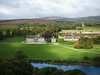
A mere hour from Dublin, this lavish, lovingly-restored, Regency mansion has a pretty insane land-to-guest ratio. While there are only twenty bedrooms (beautifully appointed with four-poster beds, antique furniture, and open fireplaces), they sit on a lush, 600-acre estate replete with rolling fields, lakes, and plenty of Irish wildlife. This will matter to you if you ever opt to leave the house, which is inarguably epic—it boasts an incredible art collection, a well-stocked library, and billiards room, along with one of Ireland’s best organic farm-to-table restaurants with much of the food grown on the estate itself (guests are encouraged to collect their own breakfast eggs). Booze enthusiasts can avail of wine and rare Irish whiskey tastings (also known as “uisce beatha” or the water of life in Gaelic) hosted by the in-house sommelier in the cozy Cellar Bar. Should you want to stretch your legs, there are acres of immaculate gardens, rolling fields, lake fishing, clay pigeon shooting, tennis, archery, falconry, and easy access to golf, not to mention an indoor pool and spa (try the healing Irish seaweed bath, a centuries-old traditional skin remedy). The nearby Slieve Bloom mountains are covered in trails and slopes ideal for hiking, biking, or just soaking up the region's natural beauty.

Cap Rocat
Just outside of Palma, Cap Rocat has been transformed from a 19th century military fortress to a boutique hotel with just 30 suites. Designed by Mallorcan architect and designer Antonio Obrador, the restrained Moorish décor pairs beautifully with the military features, like ramparts and crenelated gates. The property is expansive, but call a golf cart and you'll whiz you to the infinity pool, movie theater, two restaurants (try the local limited-production wines), and subterranean hammam in minutes.
Casas Na Areia
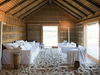
Portuguese architects and brothers Manuel Aires Mateus designed this stunning beachfront property, which was selected to represent Portugal in the Venice Bienal of Architecture in 2010 (the year the hotel opened). The buildings are decidedly modern—think white linens, sleek bathrooms, and pared-down décor—but the aesthetic draws on the local textures with thatched roofs and sandy floors. The service here, while attentive, is as minimalist as the aesthetic, which only adds to the remarkable seclusion of the entire operation. When you finish ogling the beautiful architecture, wander to the beach to watch dolphins and other wildlife, or organize a beachfront adventure on horseback. Photos: Nelson Garrido.
Castello di Reschio
With unobstructed views of Umbria’s rolling hillside and access to chefs, drivers, stables, and tennis courts, Castello di Reschio is the epitome of secluded luxury. Count Antonio Bolza and his architecturally inclined family spent decades restoring this 2,700 acre estate to its former glory (the main castle and about 50 farmhouses date all the way back to 1202). The rentable cottages, palazzos, and for-sale villas are meticulously furnished with modern pieces and artful details designed by Italy’s top artisans. The infinity pool overlooks ancient mulberry tree groves and fragrant lavender fields. The Reschio vineyard is famous for producing rosés which, along with expertly-prepared, locally sourced meals, you can sample at the property’s private restaurant.

Castello di Vicarello
Though it offers incredible views of the Tuscan countryside and an excellent spa, the 12th-century castle-turned-hotel is really about food. The owner, Aurora Baccheschi Berti, is a world-class chef who specializes in Northern Italian cuisine (check out her cookbook here). In addition to whipping up a daily breakfast spread she holds cooking classes (fresh pasta making, for example) using organic ingredients grown right on property. There’s also a working vineyard and an olive grove where you can witness the harvests firsthand.

Cheval Blanc Paris
Cheval Blanc’s 72 spacious rooms and suites occupy what was once the south end of La Samaritaine, one of Paris’s great department stores, and the hotel retains much of the building’s original Art Deco character. (Samaritaine, also now under LVMH ownership, continues to operate next door.) Rooms on the higher floors enjoy views of more distant monuments; from the terrace garden on the rooftop, guests get all 360 degrees, sweeping from the Eiffel Tower to Sacré Cœur. The mostly-subterranean Dior spa is complete with six lush treatment rooms, a tiled indoor pool that looks out over the Seine, and a hammam, sauna, and snow shower, which is exactly what you think it is. The crown jewel of their culinary program is three-Michelin-starred Plénitude; reservations are difficult to snatch and worth booking your whole trip around.

Estelle Manor
In past lives, this limestone-clad, neo-Jacobean mansion served as a police academy and maternity ward. English-country-house obsessives, rejoice: In 2021, after a total reimagining by Ennismore, the brand collective responsible for Hoxton Shoreditch and Gleneagles, Estelle Manor opened as a five-star hotel and members club.
Four Seasons Hotel George V
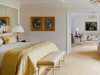
Built in 1928, this opulent, eight-story hotel—just steps from the Champs Elysée—is pretty much the gold-standard for city-based, luxury hotels. It’s never a bargain, but if your budget can support the splurge, there’s really no better place to stay. Besides the lavishly-appointed rooms, the service is superb, the restaurant boasts three Michelin-stars, and the location is hard to beat.
Grace Hotel, Auberge Resorts Collection
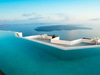
Glistening waters, domed ceilings, whitewashed terraces from which to take in awe-inducing sunsets... everything one would expect from a lavish Santorini getaway is right here. For optimal seclusion, book the airy honeymoon suite where your very own plunge pool offers sweeping views of the Aegean sea and the tiled showers are built for two. Mediterranean fusion cuisine can be savored in the intimate setting of the Grace Santorini restaurant (watch Chef Spyros Agious prepare local seafood and tantalizing fresh fare in the open kitchen) or al fresco by the pool. Prep for a day of sightseeing (or doing nothing at all) with a champagne breakfast.

Grand Hotel Son Net
On a vast country estate 25 minutes outside Palma, among verdant gardens and rolling orchards, you’ll find a 17th-century Mallorcan palace that’s been restored and reopened as Grand Hotel Son Net. The central building is flush with charming details: bright-blue-tiled floors, romantic arches, pretty wallpaper, lush linens. Guests stay in lavish suites (each is unique), settle into cottages, or rent a private two-bedroom house with its own garden and swimming pool.

Urso Hotel & Spa
If you book a room at Urso Hotel, consider carving a day out of your sightseeing itinerary to spend exploring everything this five-star property has to offer. Start with breakfast in bed—or, if you splurge on the terrace room, on a private balcony—then head down to the Natura Bissé spa for the kind of groundbreaking treatments (magnet-assisted massages, diamond-dust facials) one wouldn’t normally find at a hotel spa. For dinner, The Table is a revolving pop-up experience that invites chefs from various world-class restaurants around Spain to take over both the kitchen and dining room, meaning that the menu, vibe, and décor change monthly (reserve your spot as early as possible). Meanwhile, The Conservatory is ideal for a more traditional meal and its downstairs Urso Bar the perfect spot for a nightcap. Take note: the hotel doesn’t allow kids.

Hotel Vermelho
From the design eye that brought you red bottoms, Hotel Vermelho is an eclectic new boutique hotel in the quiet artists’ village of Melides. Christian Louboutin first arrived here over a decade ago and quickly adopted the town as a retreat: It’s removed from both the buzz of Lisbon, which is a little over an hour north, and the busier beach town of Comporta.
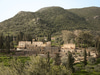
Kinsterna Hotel & Spa
Step back in time and settle into a restored Byzantine mansion on an eighteen-acre estate perched overlooking the castle rock of Monemvasia in East Peloponnese, Greece. Log some serious hours in the Ottoman-style Hammam and try treatments that incorporate local olive oil, honey, and ingredients derived from grapes or fill your schedule with activities like hiking, biking, and wine tasting—depending on the time of year, you can even join the grape or olive harvest efforts. Or, there's also the very appealing idea of just doing nothing at all.
La Réserve Ramatuelle
Six miles from Saint-Tropez but set high above the coastline, La Réserve Ramatuelle overlooks the brilliant sweep of Pampelonne Bay. Its Philippe Starck–conceived beach club on Pampelonne is outfitted with 75 sun beds, and this past summer the loungers were dressed in Loro Piana’s signature stripes. The menu runs to Mediterranean lightness—salads, grilled fish, Provençal classics—meant to be lingered over between swims.
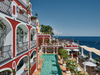
Le Sirenuse
When it comes to romance, you can’t do much better than pastel-hued Positano, and Le Sirenuse—one of its most historic (since opening in 1951, it famously hosted John Steinbeck and many other notables) and glamorous hotels—takes full advantage of the storybook setting. Each of the beautifully appointed guestrooms boasts killer views of either the sea or the lush courtyards and is designed to keep the hustle and bustle of the pool and on-site restaurants (get to know the Mediterranean-flavored menu at Michelin-star La Sponda) and bars at bay. Once you’re done wandering the picturesque streets and soaking up the sun on the pebbled beaches, book a day trip to nearby Naples, Capri, Pompei, and Sorrento, or, explore by sea via the Saint’Antonio—the hotel’s vintage wooden fishing boat.
The Ritz Paris
When Ritz Paris opened in 2016 after four years of renovations—the first closure in the hotel’s storied history—loyalists appreciated that the designers kept the hotel’s charming, traditional style firmly intact (if a bit spruced up), down to the grand window treatments, gilded frames, and copious chandeliers. As ever, the rooms are exceptionally luxurious: Each is outfitted with a marble bathroom, generous windows, and famously soft sheets, with many boasting antique furnishings. The hotel is also home to three restaurants, two of which now have retractable glass ceilings on their patios: L’Espadon, for a traditional, white-tablecloth French dining experience, including breakfast and lunch; Bar Vendôme, a moody brasserie with red velvet booths; and the Ritz Bar, a more casual spot with shared plates and an Art Deco design palette. The hotel is home to a stunning fitness center—also available to private club members—where guests can swim laps in a gorgeous tiled pool or sign up for a day of pampering in the Chanel spa. But we’re probably most excited about the reopening of Bar Hemingway, the old author’s historic haunt that’s now famous for some of the world’s best cocktails.
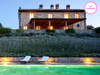
Rosewood Castiglion del Bosco
Situated in the UNESCO World Heritage Site of Val D’Orcia, this centuries-old estate south of Siena is truly incredible: Beyond the fact that you walk amidst remnants of walls from the 1100s, it’s surrounded by Brunello di Montalcino vineyards, there’s a world-class golf course, on-site truffle hunting, and the food is unbelievable. There’s a fancy restaurant, but there’s also a casual pizzeria—and kitchens in the villas where you can feast on bread and incomparably sweet tomatoes. While it's plenty romantic, they have a lot of activities (including cooking classes) for kids.

Passalacqua
On the south end of Lake Como, Passalacqua’s 24 rooms are spread among three buildings. In the central villa, expect Italian opulence: gleaming golden chandeliers, Venetian terrazzo, and a vast collection of antiques. Up at the Palazz, it’s all antique beams, standing tubs, and warm country house details. And nestled between the gardens and the shore, the lake house offers wide views of the glimmering waters of Lake Como. At the restaurant, traditional ingredients and simple preparations take center stage. Anyone who's visited Passalacqua comes home raving about the spa; it's distinctly modern, and includes a sauna, steam room, cold plunge, ice bath, and lounge.
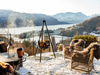
Storfjord Hotel
If you're of the mindset that gorgeous landscapes are the best starting point for romance, then it's hard to beat Norway's fjords. Norwegian industrialist Knut Flakk felt that this part of the Sunnmøre region was radically undervisited and built a full-service travel experience company—62°Nord, which plans personalized trips throughout the area. This sweetly intimate, family-owned hotel (there are only 23 rooms) makes an excellent jumping-off point for adventures in the nearby, UNESCO-protected Gerangerfjord. In the summer, there's plenty of trekking, hiking, fishing, and kayaking (there's even a golf course) to take advantage of, and while winters can get chilly, you're in close proximity to great skiing and an excellent vantage point for seeing the Northern lights. The cozy rooms have a luxurious, modern farmhouse vibe, with plenty of nods to their Norwegian heritage, like simple Scandinavian furniture design; hardwood floors, walls, and ceilings; and subtle floral accents. Food-wise, it's hard to find reason to dine anywhere but the excellent little restaurant on site, which serves locally made cheese, hearty dishes, and exclusive beers. Also of interest: the green roof. Images courtesy of @ingallsphoto and Margaret de Lange.
Villa Làrio
Lake Como—hugged tight by green mountains and pastel palazzi—is unabashedly old-school glamorous. Despite the hum of homeowners, holidayers, and the odd seaplane, the lake exudes a dolce far niente sundress-and-Aperol-spritz calm. A stay at the intimate Villa Làrio feels like floating around your own exquisitely restored palazzo, replete with lush gardens, contemporary interiors, and a mega view. We loved diving off the private jetty, laps in the pool, morning cooking classes, and finding cozy, manicured corners to enjoy the panoramic lake vistas. Da Luciano across the water for a Negroni, shellfish cavatelli in Cernobbio, daily dips, and Riva boat trips are the way to go. Pro tip: to really explore the little villages nestled around the lake, rent a car.
Cap Juluca
Anguilla isn’t the easiest spot to access by any stretch—after a flight from Miami to St. Maarten, you’ll need to board a boat to transfer you to the island—but that’s actually the point. Cap Juluca has all of the amenities you’d expect from a luxury Carribbean resort (comfortable décor, excellent service, top-notch spa, and a lovely pool), but when it comes down to it, this spot is really all about the beach. The rooms are stretched along on that's both private and a mile long; so each room looks out over the dreamy white sand and classic, brilliantly blue water. The white-washed, Moroccan style buildings each have double doors that open up to the ocean, so you can hear the sound of the waves and feel the Caribbean trade winds wash through the room as you snuggle up under the Frette linens.
Cuixmala
Originally built as a private retreat for British billionaire Sir James Goldsmith, this Moorish-style, sustainability-minded manor is spread out over 25,000 acres of lush Costa Alegre beach and jungle, which you’ll share with the resident zebras, antelope, tropical birds, and other wildlife (guests are also encouraged to take part in Cuixmala’s Turtle Protection Program). Technically, there are only thirteen rooms on property, but four of them are group-friendly palatial villas that come with pools, multiple bedrooms, and private chefs. For a more economical and decidedly more romantic option, the nine secluded garden casitas, with their private terraces and access to the stunning pool, are a great choice. The regional fare served at any of the multiple on-site restaurants either comes from Cuixmala’s own organic farm or sourced from neighboring farms.
Hotel Esencia
Hotel Esencia was originally built as the private getaway of an Italian duchess. Now, it buzzes with chic clientele who choose the resort for its privacy and discretion. (The current owner is an art collector, whose connections and influence are apparent in the crowd and art curation on the property.) The beach is swimmable, although seaweed blooms might hinder that effort if you’re here in the spring in the early summer; the pools, in any case, are lovely, and divided between family-friendly and adults-only. And on top of daily breakfast baskets delivered to your room, there’s a café and juice bar, a sushi spot with Mexican inflections, a seafood grill under a grand palapa, an outpost of a Monaco steakhouse, and a beachside spot for margaritas.
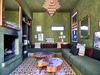
Hotel San Cristóbal
Todos Santos has long had a quiet appeal for both artists and surfers who have appreciated the town’s understated, laid-back vibe. So it’s no surprise that finger-on-the-pulse hotelier Liz Lambert (of Austin’s Hotel San José and Hotel St. Cecilia) would head south of the border before everyone else caught on. About fifty miles north of Cabo San Lucas, this thirty-two-room beachfront property is a thoughtful reflection of its surroundings: Stamped concrete tiles, locally made furnishings, and colorful Guatemalan fabrics anchor much of the inside-meets-out design. (A tip: The ocean king has a beautifully tiled, generously sized soaking tub that looks out onto the ocean.) The infinity swimming pool has an unobstructed view of Playa Punta Lobos, and there are plenty of indoor-outdoor spaces and hammocks meant for whiling away the afternoon, plus fire pits for gathering when the sun goes down. Benno, the restaurant on the property, expertly melds Mediterranean and Mexican flavors, while relying heavily on the freshly caught fish of the day that comes in by the truckload. Also standouts: The cocktail list, which centers around small-batch mezcal and tequila, and the wine list, with some surprisingly good Mexican wines.
Imanta
Iman means magnet in Spanish, and Imanta really does draw you in. It’s one of the best resorts we have ever been to—totally secluded and authentic. Located in a perfectly remote area outside Puerto Vallarta on Mexico’s Gold Coast, where the softest sand beach meets 250-acres of dense tropical rainforest on the ocean. It’s the kind of place where you can horseback ride through the jungle and end up on the beach. It feels truly one of a kind here, with no hint of commercial chain. Fish dishes are based on what is caught fresh that day. All the rooms have floor-to-ceiling glass sliding doors that open up to beautiful outdoor stone bathtubs and showers.
Impressions Moxché by Secrets
The all-inclusive Impressions Moxché is part of a larger Secrets complex, and guests benefit from everything the wider property has to offer: several pools, tons of restaurants, and a location on the edge of Playa del Carmen. But Impressions itself is more luxurious and intimate than its parent resort; it’s sequestered away from the rest of the hotel, and its pools and restaurants are exclusive to Impressions guests. Every room is a suite with plenty of room to spread out, with a private pool or hot tub on each terrace.
La Casa Que Canta
Don’t be put off by the outdated website—this is one of the best small resorts for romance we’ve found. Every single one of the intimate, terra-cotta-colored villas at La Casa que Canta has incredible views of the sea from the cliffs they’re perched on, and almost half the suites have private plunge pools. If yours doesn’t, the saltwater infinity pool looking down on Zihuatanejo Bay will not disappoint. From the flower-petal designs on the bed for turn down to the many nooks and crannies throughout the property, to the candlelit dinners, this is an ideal getaway for two.
Las Ventanas al Paraiso
The crown jewel of the Rosewood resort family, Las Ventanas is situated between the historic town of San José del Cabo and Cabo San Lucas. The limestone suites are outfitted with original artwork, wood-burning fireplaces, and ample outdoor space. Up the romance quotient by consulting the appropriately named Department of Romance—a group of specialists dedicated to infusing your holiday with extra special touches (couples massages, elaborate moonlit dinners). At the spa, guests adhere to a four elements-themed treatment menu: grounding Earth, nurturing Water, balancing Fire, and energizing Air.
Mukul Resort
Perched on the raw, wild cliff overlooking the Pacific, Mukul brings a dose of open-air luxury to this quiet stretch of Nicaragua’s coastline. There are twelve beachside villas and twenty-three treehouse-like bohios, on the property— both styles do a great job of bringing the outdoors in. (Think sugarcane twig headboards, carved teak tables—a private plunge pool and ocean views come standard.) If you really want to spread out, the six-bedroom, 20,000-square foot Casona Don Carlos compound can be booked when the resort owners family isn’t in residence. The spa is top-notch with its Turkish baths and Indonesian massages For meals, the hotel has several dining options on site, ranging from canopy dining on the beach to fine dining at La Mesa, where Nicaraguan-inflected dishes include a yellow fin tuna confit with chili oil and blue crab ceviche.
One&Only Palmilla
If the words “Cabo San Lucas” conjure visions of college kids doing tequila shots, let the words “One&Only Palmilla” replace those visions with palm trees, hummingbirds, and flowers the size of dinner plates. The property’s history goes back to 1956, when it served as a 15-room luxury escape for the president of Mexico. Since then, it’s been transformed into a 174-room resort with lush gardens, a pristine waterfront, top-notch service, and amenities that have their own amenities (everything from a welcome drink to turn-down service menus and personal butlers). And if you rent out one of the two private villas on the grounds, you get a whole team of personal butlers. And if that isn’t quite enough to send you running to the airport: The One&Only has one of the only swimmable beaches in Los Cabos, a spa featuring a shaman-led sweat lodge called a temazcal, and—if you’re planning a special occasion of the very special type—a historic chapel with panoramic views of the Sea of Cortez.
The Other Side
Fans of Harbour Island who are likely familiar with the storied Ocean View Club, will be delighted to know that its charming proprietors Ben Simmons and Charlie Phelan have quietly opened a new spot just across the way in Eleuthera. The Other Side has a decidedly different feel—it’s luxuriously nomadic, a bit more wild, and blessedly unplugged, making it perfect for those who truly want to disconnect. The design, which centers around communal and private sleeping tents, hardwood floors, and four-poster beds, and sundecks, is reminiscent of a scene from Out of Africa, and it's the kind of place where you can fall asleep to the sound of the water lapping in the distance. There’s plenty to do on the property, including morning yoga, paddle boarding, diving into swimming holes or even tend to the on-site vegetable garden if you wish, but you can also just relax at the swimming pool, which is pretty enticing on its own. The Other Side, like many other spots on Eleuthera and Harbour Island, is open from November through August.

Playa Grande Beach Club
On Dominican Republic’s slightly more wild north shore, interior designer Celerie Kemble and her financier husband wanted to create a low-key beach retreat that had the intimacy of a friend’s private home. Here, Kemble applies her playful aesthetic, a kind of Palm-Beach-meets-island-living-vibe to the immaculate grounds: there are high-back wicker chairs, ikat throw pillows, copper bathtubs, seagrass rugs and cane furniture. Each white-washed bungalow (there are six one-bedrooms and three three-bedrooms, best suited for families traveling together) has its own distinct feel and is lovingly curated with vintage pieces Kemble has hand-picked on her travels as well as those designed by local craftsman. Cool lattice-framed cabanas dot the lap pool, should you tire of the views on the mile-long private beach. Come evening, much of the activity centers around the Beach Club, which serves up a Caribbean-inflected menu and, of course, strong cocktails and a lively atmosphere.
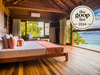
Secret Bay
On the volcanic island of Dominica—less touristy than nearby Antigua and St. Lucia, due to the fact that it’s harder to reach—Secret Bay is so private you might never run into other hotel guests. Very little of the property is shared space. Instead, visitors settle into one of the 25 villas on site, each perched on a rocky sea cliff or nestled into the jungle, with private plunge pools, open-air terraces, mattress and pillow menus, and views of the Carribean.
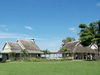
Strawberry Hill
This is another Chris Blackwell property (the other is GoldenEye), and as the founder of Island Records, Blackwell keeps the walls of these white wooden cottages lined with an array of historic rock-and-roll memorabilia. (This is the place Bob Marley chose as an escape when he faced threats to his life in the mid-1970s.) It feels like a secluded mountain village tucked high in the contours of Jamaica’s Blue Mountain Range, over 3,000 feet above sea level. The nineteenth-century Georgian architecture has a sophisticated, laid-back charm, matched by hand-dyed batik linens and four-poster beds with billowing drapes. And it’s almost a magical experience to stroll through the morning mist in the private gardens before breakfast. The hikes (led by expert staff members) give you a real sense of what the interior of the island is all about; afterward, unwind with an aloe wrap at the spa. But our favorite thing to do was to take in the views—every last heart-stopping one of them.
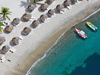
Sugar Beach
One you arrive to Sugar Beach, you won't really want to leave—and that's kind of the point. Flanked by St. Lucia's twin volcanic Pitons, the property, tucked away on the island's west coast, is set amongst 100 acres of rainforest (meaning hummingbirds and butterflies are par for the course). Admittedly, it's a bit of a journey to get here, whether you fly in from the north or the south of the island, the road is steep and windy, but it's well worth the hour-long-drive. The recently renovated colonial-style cottages are the move—they're perched on the hillside and have their own claw-foot tubs, terraces as big as New York apartments, and are swathed in entirely in white from the slipcovered furniture to the four-poster beds. Each room has a private plunge pool,if you’re feel too lazy to wander down to the Caribbean, but should you make the effort, it’s one of those resorts where the main activity is ordering piña coladas to your beach chair while taking in the epic view. The spa is a necessary indulgence here, as the seven treatment rooms are tucked into private thatched-roof tree houses, and are the perfect spot for a bamboo massage or hot rock therapy.
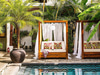
Tribal Hotel
Granada, where the majority travelers fly in and out of to go anywhere in Nicaragua (from here, it’s fifty minutes to the airport), has plenty of old-world charms—tree-filled plazas, cobblestoned streets, a saffron-hued cathedral, and a promenade overlooking Lake Nicaragua, the country’s biggest lake. On a quiet block in town, the seven-room, expat-run Tribal Hotel is full of global influences: White-washed walls are inspired by the oldest house in Granada, a black-and-white patterned staircase is reminiscent of fabric the owners found in Kenya. Rooms are small, but you’ll want to spend most of your time hanging around the palm-lined pool in one of the lobby’s day beds. Breakfast includes coffee, tropical fruit, and locally baked bread. More adventurous couples will enjoy using Granada as a jumping off point for their travels, and can easily access Mukhul in Tola further south for some blissed-out pampering and, of course, surf.
Bahia Vik José Ignacio
Uruguay isn’t usually on the short list for secluded beach vacations, but the sleepy beach town of José Ignacio (just a few beaches away from the louder, better-known beach town of Punta del Este) makes a convincing argument for adding it. Bahia Vik's sleek, modern bungalows sidle right up to the beach, with wide windows looking out over the ocean. And while those bungalows offer private pools and manicured lawns as communal hang-out space suited to families or small groups, the couples-focused rooms in the main lodge are perfectly romantic. While it’s not likely that you’ll tire of lounging on the idyllic beach, the hotel’s significant art collection could keep you occupied all afternoon.

Belmond Andean Explorer
There’s something inherently nostalgic, and albeit downright romantic about train travel (when done right that is). Leave it to the Belmond, which already runs six properties throughout Peru, to spearhead the launch of South America’s first luxury tricked out sleeper train, which includes 24 cabins and the option for a one- or two-night journey departing from Cusco to Arequipa. (There’s the option to stop in places like Colca Canyon and take a stopover and take a boat ride on Lake Titcaca, South America’s largest lake, while you’re at it, too.) While en route, there are two dining cars for meals, as well as 360-observation deck stocked with alpaca wool blankets to take in your surroundings.
Fasano Punta Del Este
Fasano has hotels all over Brazil (you'll find them in Rio, Sao Paolo, Boa Vista, and more), but their property in the Uruguay beach town of Punta Del Este, opened in 2010, is their first international project. Nestled alongside the Maldonado River, the 20 bungalows and ten suites were designed by architect Isay Weinfeld in sleek, square shapes that are high-design and a completely refreshing aesthetic for a beach vacation. The interiors are suited to the modernist exterior without feeling cold—rooms are done in soft, cozy neutrals with pristine marble and limestone bathrooms, and porches that look out over the landscape. Also on-site, you'll find two incredible restaurants: Las Piedras, a casual café, and Fasano, their more formal dining experience, which occupies a large, view-happy sunroom. Of course, the main attraction here is the beach, accessed through Fasano's high-touch Beach club, but there's also a very cool onsite pool (carved into a naturally occurring rock formation), and concierge can arrange tennis, golf, horseback riding, and reservations at restaurants in the area's quaint town.

Tierra Atacama
The Purcell family were the long-time owners of Ski Portillo, Chile's most famous ski resort, before they expanded their hospitality company to include properties in Patagonia, Chiloé, and the Atacama Desert—each of which prove that great design hotels can exist far outside city limits. The best itinerary here is to have Tierra book you a period of time at two (or all four) of their hotels, but if you only have one week, it's hard to beat the Atacama property for romance. The Chilean architects designed the property so every room (each of which is equipped with an outdoor shower) would have spectacular views of the Licancabur Volcano during the day, and patios for enjoying the incredible night sky here at night—that is, if you're not watching it from one of the property's fire pits, glass of wine in hand. During the day, Tierra's staff organizes desert outings in cars, on foot, or by horse to explore local towns, hot springs, and the nearby mountains. In the evenings, they'll welcome you home with a series of incredible spa treatments—the spa has both an indoor and outdoor pool—and meals made with ingredients grown in on-site orchards and gardens.
Vik Chile
Tucked in the heart of Chilean wine country, Viña Vik is a hideaway just two hours south of Santiago. The ultra-modern design, which offers wholly uninterrupted views of your surroundings—amidst some 11,000 acres of unspoiled land—is reminiscent of Frank Gehry. Winemaking is the primary focus here, and the Vik family (which also has Estancia Vik and Playa Vik in Uruguay), but the organic garden, which cultivates more than 250 different varieties of fruits and vegetables (kale, mint, lavender, peaches, and avocados, among them) is equally notable. There's a dedicated culinary education program for guests around harvesting and cooking the produce. Come December, well-known Argentinean pastry chef Osvaldo Gross will host a series of classes for guests, too.
Amangiri
Located in the remote canyonlands of Utah, Amangiri has some of the best sunsets we’ve seen anywhere—and for good reason: The sky constantly changes as the sun shifts across the desert, bathing the already-dramatic buttes and mesas in pink and purple light. The resort itself is built into the landscape, and though the architecture is sleek and modern (the corresponding interiors are classic examples of the Aman’s brand of neutral, pared-down luxury), it all essentially blends into the rock. The surrounding desert offers plenty of activities, from rafting to horseback riding to hiking—even private plane rides over Lake Powell. If the food were just a little bit better, it would be one of the more perfect stays in the United States (and there aren’t really any other options nearby).

Faraway Martha's Vineyard
Stay at the Faraway: a 300-year-old Edgartown hotel, recently renovated, and skillfully balanced between a New England sense of propriety and a chic, modern sense of ease. The beachy interiors open onto private decks for lounging, the public spaces are high-ceilinged and swank, and the staff is friendly. It’s also right in the center of town, so you can walk or bike to everything.
Fogo Island Inn
The relationship between the Fogo Island Inn and the beautiful community and physical landscape in which it exists is pretty incredible. Conceived as a social enterprise to support the tiny, yet sturdy outport community on the island, it provides jobs, celebrates local cuisine, and donates all of its proceeds to community programming. The inn itself is a gorgeous, simple, modern building that juts out in juxtaposition to, yet somehow at harmony with, the rocky outcroppings of the landscape. For visitors, the quaint quality of the place inspires plenty of hand holding: In the summer and fall, you can hike the idyllic trails in search of wild berries and local wildlife, like caribou, foxes, puffins, and migrating whales—in the winter, you'll find ice fishing, picturesque snowfall, and plenty of cozy fires. The décor (not surprisingly, all of the furniture was built by the locals) is modern but cozy, with Scandinavian-feeling wooden shapes and warm, hand-made quilts. As you might expect, the views out of the wide, modern windows are nothing less than jaw-dropping.

The Green O
Built on the grounds of a working cattle ranch in Greenough, Montana, the Green O falls somewhere between ritzy and roughing it: By day, you’ll rove around 37,000 expansive acres of Rocky Mountain property (in your own Lexus SUV, provided by the hotel) for guided rappelling tours, whitewater rafting excursions on the Blackfoot River, and—if you want to live out some Wild West dreams—hands-on lessons in driving cattle. Sunset drinks on a private island more your speed? Arranged. By night, you’ll stay in a spacious, modern cabin made for two and pop into the restaurant, Social Haus, for an eight-course tasting menu that changes daily. Or relish in room service: a spin on pizza delivery by some big culinary brains. Chef Brandon Cunningham is a master with seasonal, hyperlocal ingredients.

MacArthur Place
Founded over a century ago as family estate, vineyard, and working ranch, this newly remodeled property is a bucolic, low-key-luxurious landing spot for visiting oenophiles. Each of its 64 rooms—some are nestled in private farmhouse-style cottages—is appointed with custom furnishings, cloudlike linens, and in some cases, stunning outdoor showers or baths. The whole property is dotted with art. But the true beauty is in the grounds, which boast lush lawns and gardens, winding flagstone paths, verdant archways, and cozy firepits to unwind by after a day of tastings.
The Madrona
Originally built in 1881, this boutique hotel, newly remodeled by San Francisco-based designer and co-owner Jay Jeffers, blends contemporary elements and charms of the past with remarkable attention to detail. There are 24 completely unique rooms distributed between the main house, the carriage house, and free-standing bungalows. (Indulge in crisp linens and heated tile floors.)
Nobu Ryokan
While Malibu has long had a shortage of places to stay, that’s all changing now and a prime stretch of PCH is getting a modern update with the arrival of the Nobu Ryokan (a new hotel concept for the brand), just a few yards up the street from its namesake restaurant on Carbon Beach. Here, the intimate 16-room hotel is done up in a minimalist Ryokan-style. This translates to wraparound terraces, floor-to-ceiling windows meant to maximize ocean views, and teak, bronze and limestone detailing. The generously-sized rooms are a nod to both California and Japanese design with clean lines, tatami mats, and outdoor teak soaking tub. Guests naturally have priority booking at the restaurant next door, but there’s also a special in-room dining menu for those who don’t want to leave the comfort of their kimono robe, either.
Post Ranch Inn
360-degree coastal views and the wild mountain terrain of Big Sur provide a fitting backdrop for Post Ranch Inn (the property is powered by sun panels year-round and guests are chauffeured in Lexus hybrid vehicles). Though the area faced devastating flooding and mudslides earlier this year, as of October 2017, the Pfeiffer Canyon Bridge on Highway 1, just north of the property, reopened to cars and the area is excitedly ushering in travelers once again. As picturesque as ever, Post Ranch is situated on jagged cliffs—it’s a 1,200-foot drop to the Pacific Ocean—and shrouded in semi-permanent fog. Also, of note: the dining experience at Sierra Mar, an ingredient-driven restaurant which is open to the public for a prix-fixe lunch and dinner. The beautifully plated dishes are matched only by the killer views. Fair warning: Securing one of the 39 rooms requires quite a bit of patience and planning ahead. (Kiddos aren’t allowed.)

Twin Farms
Originally a country home for journalist Dorothy Thompson and her novelist husband Sinclair Lewis, this adults-only, all-inclusive luxury hotel still has the feel of a bohemian writer’s retreat. Woodsy, outdoor activities including cycling, canoeing, and picnicking (skiing in the winter) are all on offer. Indoors, Twin Farms’ art collection, which includes pieces from David Hockney and Jasper Johns, is outstanding. You’ll find ten individually themed cottages dotted throughout the Vermont forest, which means that you might end up in a fisherman’s lodge, or a Moroccan respite with mosaics and a tented ceiling. Meanwhile, the chef prepares a fresh, set menu daily, and consults you on your preferences before you arrive. The customized meals and wine pairings are part of the all-inclusive package. You can eat at the Main House, or in your cottage. Take note: This is a special place for a romantic getaway, not for kids.
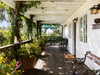
San Ysidro Ranch
Inarguably, this is one of our favorite hotels in the world—we're not alone, either, as John and Jackie spent their honeymoon at SYR, and Sir Laurence Olivier and Vivien Leigh tied the knot in the gardens. Set against the Santa Ynez Mountains, on an olive and lavender tree studded estate that was originally built as a citrus farm in the 19th century, you’ll find 38 secluded bungalows. Each cottage comes equipped with a fireplace, private patio (many have outdoor hot tubs and rain showers), and wonderful extras, like heated bathroom floors. Though it’s big with honeymooners, we never need a big reason to come, as it’s the type of place where the occasion is the stay. Among many other things, the ranch is famous for its impressive collection of rare wine and spirits which can be sipped inside the property's 1920s-inspired speakeasy. Situated in the farm’s former citrus packing house, the stone-walled restaurant offers either creek or ocean views. The menu focuses on fancy comfort food—and revolves around the offerings from the ranch’s gardens. Bonus: The wineries of Santa Ynez and Santa Maria Valleys are less than an hour north, while Santa Barbara is just minutes away.
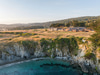
The Sea Ranch Lodge
Recently reopened after major renovation, the Sea Ranch Lodge is built to blend with the nature—miles of cliffy northern California coastline—that surrounds it. And it invites guests to do the same. (Sea Ranch is a sustainable-lifestyle legend; the community was planned under the ethos of “living lightly on the land” in the ‘60s.) This is where people go to spend their morning in the sunroom with an especially engrossing novel, take a hike along ocean bluffs in the afternoon, and lounge by a crackling fireplace and sip cocktails as the sun sets. It doesn’t hurt that the on-site restaurant, helmed by chef Eric Piacentine of Big Sur Bakery fame, is fantastic—or that the rooms look like that, with Brooklinen sheets, Bathing Culture toiletries, and a pair of binoculars in lieu of a TV.

White Barn Inn
Kennebunkport is sort of the quintessential New England hamlet—and the beaches of Maine, while not the best for swimming, are stunning in their own way. The award-winning restaurant here is located in a historic barn that’s been on the property since colonial days, and is staffed by old-school, tuxedoed waiters. During the day, you can explore the town or check out the surrounding area by bike or canoe. Ask the concierge to arrange for a picnic basket, which you can bring along for a beachside lunch near one of the area’s idyllic lighthouses. While summer is peak season in Maine, it’s pretty great in the fall too.
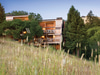
Ventana Big Sur
Nestled amongst the Redwoods on a cliff overlooking the Pacific, Ventana Big Sur, an Alila Resort, is kind of hard to beat. While the beaches and hikes of Big Sur are a bit of a siren song, it’s hard to budge from the property’s two on-site pools, Japanese soaking tubs, and nap-inducing hammocks. The restaurant, admittedly, is not Big Sur’s best: Fortunately, Post Ranch Inn, Deetjen’s, and Big Sur Bakery are all nearby. There are tons of trails to pick from—redwood forests, waterfalls, and paths along the coast—meaning that hiking boots are an essential. The hotel runs a one-hour walk each day around the property starting at 10 a.m., and you can also book more challenging hikes with local guides. While the recently-refreshed rooms are modern in look and feel, the wood-panelled interiors and redwood floors are a constant reminder that you’re in the woods. Most rooms and suites come with a private deck and fireplace, and some include a hot tub. The views of the Pacific and through the hills are spectacular. Take note: Ventana is adults-only.
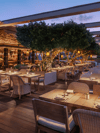
Saturday, Sorted: 3 Galleries by Yuko Mohri and a Samurai Negroni by Watr Rooftop

5 Thought-Provoking Novels to Discuss and Debate This Fall
These novels are guaranteed to give you and your friends something to talk about.

48 Hours in San Diego
Here’s how to spend the perfect weekend in this laid-back coastal destination—home to goop’s kitchen’s first dine-in location in Del Mar.



48 Hours in Istanbul
History, incredible food, fantastic shopping, and centuries-old bathhouse culture make Istanbul a must-visit. Here’s how to make the most of a few days in this endlessly fascinating city.
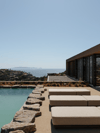
Tierras Villas in Crete Isn’t Quite a Hotel—and That’s the Point
Five private villas with infinity pools and wide-open Aegean views offer the privacy of a house with the ease of a hotel—the latest chapter in a Cretan family story that began more than three decades ago.


10 Must-See Art Exhibitions to Fill Your Fall Itinerary
Take in out-of-this world large-scale installations in Tokyo and one of the year’s most anticipated shows in London—where Edward Enniful explores the art, photography, and fashion of the ‘90s.

How I Stopped Trying So Hard to Win Over My Teen
One mother shares how a weekend in Coronado, a failed concert, and a little unplanned downtime helped her reconnect with her teenage daughter.
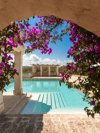
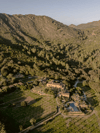

5 Smart Novels to Pack When You Want More Than a Beach Read
Five emotionally rich literary beach reads from Maggie O’Farrell, Kathryn Stockett, Elizabeth Strout, Andrew Sean Greer, and Ann Patchett.

The Garden Spell of San Ysidro Ranch
In Montecito, a storied hideaway of vine-covered cottages, fragrant gardens, candlelit dinners, and rare privacy proves that the greatest luxury may be being left alone.

.png)
The Historic French Spa Town Where You Can Still Take the Waters
Where to stay, eat, and explore in Évian-les-Bains on the shore of Lake Geneva.
.png)
Where Nancy Silverton Actually Eats in Los Angeles
From old-school institutions to under-the-radar gems, the legendary chef shares her go-to restaurants, markets, and specialty food destinations.