O'Pazo
why we love it
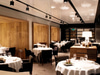
Opened in 1969, O'Pazo was one of the first restaurants in Madrid to be awarded a Michelin star—the old-school seafood spot is actually still run by children of the original founder, Evaristo García. The interior, fresh off a remodel, captures everything that's wonderful about Madrid; the sleek, updated furnishings and soothing wood paneling are a perfect juxtaposition to the open kitchen, where ham hocks hang from the ceiling and the days' catch of seafood and shellfish is displayed on ice. This is the kind of place where it's a good idea to put your order in the hands of the waiter, who can best identify which fresh fish the chef is most excited about that day.
Originally featured in The Madrid Guide
Restaurants
$$$$
- Good For Groups
- Takes Reservations

Dear Hotel
This year-old, 162-room boutique hotel is housed in a beautiful neoclassical building and is the perfect example of how perfectly contemporary design elements—minimal furniture, museum-white walls, and lots of high-tech gadgetry—can lend themselves to a traditional space. The rooms are kept purposefully stark, with the street-facing windows and scattered pops of grey serving as the sole decorative elements. Upstairs, on the 360-degree terrace, you’ll find the small but incredibly relaxing Sky Pool and the Nice to Meet You restaurant, which in addition to great tapas, cocktails, and music, offers the most intense sunsets and panoramic views of the Madrid skyline. Also worth mentioning are the very reasonable room rates.

Hotel Wellington
While it has all the grown-up trappings of a posh boutique property (a well-stocked bar, gorgeous décor, a Clarins spa), this grand, old-school hotel is surprisingly well equipped to accommodate the 12-and-under crowd, too. The rooftop organic garden alone—it’s one of the largest of its kind in Europe—is enough to keep fleeting attention spans occupied for hours at a time, and the same can be said of the outdoor pool. Food-wise, there’s around-the-clock room service and enough on-site dining options—from sushi to classic Basque to veggie—to please even the finickiest of palates.

Mandarin Oriental Ritz, Madrid
Occupying a massive Belle Epoch palace mere steps from the Prado that speaks to Madrid's illustrious history, the Ritz actually belongs to the Mandarin Oriental family of hotels, despite its name. The grand lobby, champagne bar, English-style tea room, and excellent Basque restaurant are all decked out with the grand flourishes of the early 20th century. The rooms are equally opulent, with rich tapestries, ornate rugs, and period furniture that oozes old-world charm.

The Principal Madrid
As far as location goes, the intersection of Gran Via and Marqués de Valdeiglesias can’t be beat—the best museums, squares, parks, and shopping streets are literally steps away, though once you step inside the plush lobby, you may never want to leave. In stark contrast to the Art Deco façade, the guestrooms are all shades of grey, slick mid-century furniture, and the occasional burst of jewel-tones—clearly a testament to hotelier Pau Guardans penchant for marrying the old with the new. Conveniently, there are two restaurants on site: laid back Atico, the brainchild of two-Michelin star chef Ramón Freixa, is open 24/7, while La Terraza is the lush indoor-outdoor garden terrace attached to the hotel’s prized solarium—complete with lounge chairs and outdoor showers for cooling off. In place of a spa there’s an intimate two-person wellness suite and sauna, just make sure to book your massage or facial ahead of time.

Rosewood Villa Magna
A great choice for an extended stay, this former royal residence underwent a massive top-to-bottom revamp to turn it into the grand and welcoming city retreat it is today. Paired with exceptional service, the elegantly turned out guestrooms are meant to serve as a home-away-from-home; Tse Yang restaurant, with its tufted booths and elevated Chinese comfort food menu, also helps the cause. Traveling with kids? Let the staff know in advance and they’ll kit out the room with games, playpens, baby monitors, crayons, and whatever else their (and your) little hearts desire.

Santo Mauro
Spread out over three elegant buildings that used to serve as the home of the Duke of Santo Mauro, this recently renovated boutique hotel is a love letter to the decadence and splendor of old Madrid. Inside, the former ballroom has been turned into a sweeping lobby and the library became La Biblioteca Restaurant, where you'll find an excellent menu of traditional Spanish cuisine. Meanwhile, the spacious guestrooms are done in comforting earth tones for maximum relaxation.

Urso Hotel & Spa
If you book a room at Urso Hotel, consider carving a day out of your sightseeing itinerary to spend exploring everything this five-star property has to offer. Start with breakfast in bed—or, if you splurge on the terrace room, on a private balcony—then head down to the Natura Bissé spa for the kind of groundbreaking treatments (magnet-assisted massages, diamond-dust facials) one wouldn’t normally find at a hotel spa. For dinner, The Table is a revolving pop-up experience that invites chefs from various world-class restaurants around Spain to take over both the kitchen and dining room, meaning that the menu, vibe, and décor change monthly (reserve your spot as early as possible). Meanwhile, The Conservatory is ideal for a more traditional meal and its downstairs Urso Bar the perfect spot for a nightcap. Take note: the hotel doesn’t allow kids.

Bar Tomate
Bar Tomate's location in the convenient, business-focused Salamanca neighborhood means it's usually pretty crowded at lunchtime—though there's always standing room at the bar if you forget to make a reservation. Astonishingly, the operation is open from 8:30 in the morning, serving tapas, light breakfast, and excellent coffee, until midnight, when a DJ and an excellent cocktail menu make it one of the neighborhoods more well-attended bars. While the classic tapas are always a good bet, menu-wise, they're also known for perfectly dough-ey wood-fired pizzas.

Bosco de Lobos
Bosco de Lobos is one of two restaurants from the Barcelona-based En Compañia de Lobos restaurant group. At this location, owner Tomas Tarruella focuses on home-style Italian food, with hearty, comforting dishes like a bolognese, mushroom risotto, and wood-fired pizza with ricotta and anchovies. The best tables are out in the patio garden, which is fully enclosed in lush greenery.

Casa Lucio
Walking through the heavy-wood, tavern-style entryway to this eatery is akin to stepping into the Madrid of yesteryear—the plates are monogrammed, the waiters are suited-up, and the clientele spans politicians, locals, eccentrics, and the occasional royal. Casa Lucio is an olive oil soaked slice of the old-world, traditional yet incredibly refined with a classic menu of gastronomical favorites to match. Try the huevos estrellados—crispy, salty fried potatoes topped with broken runny eggs and be sure to linger over your desert for the all-important sobremesa (loosely translated as post-dinner debate and conversation) that keeps Madrileños firmly planted the table until the early hours.
El Pescador
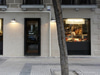
Opened in 1975, El Pescador has a similar trajectory to nearby O'Pazo—both old-guard restaurants that pioneered the idea of serving fish so fresh that it didn't even need sauce, they've each stayed relevant with frequent renovations. At El Pescador, in particular, the interior has the potential to fool visitors that don't know the restaurant's historic pedigree—a clean concrete bar with stainless steel stools marks the entry to the restaurant, which is separated from the rest of the airy, modern restaurant by sheer chainlink curtains. As for the menu, you'll find minimally-treated fish and shellfish, served fresh and typically caught that morning. The shareable seafood platters are perfect for a big group.

Laredo
Taberna Laredo is our pick for authentic Spanish food that's modern and up-to-date without being overly fussy. In typical Spanish style, the upstairs space offers a full meal (and impressive wine list), while the downstairs is a tapas-only bar. Madrid is a city of night owls, so it doesn't really start to heat up downstairs until around 11pm, when locals belly up to the bar for well-executed cocktails and small dishes.

La Tasquita de Enfrente
If there's one "must-visit" spot we'd recommend in Madrid, it would have to be La Tasquita de Enfrenta. Chef Juanjó Lopez's outrageously good Spanish food (the menu changes seasonally) isn't exactly news—locals have been vying for reservations here for a few years now—but the food is as good as ever. It's definitely the kind of place where it's worth splurging on the chef's tasting menu, and the wine to go with it. The place books out well in advance, so make a reservation before your trip if possible.

Platea Madrid
Guidebooks often describe Platea Madrid as a food hall, but that description doesn't even begin to cover the experience, which brings together six Michelin-starred eateries in the same place. The first thing you'll notice is the space—a movie theater that's been completely renovated to create mezzanine-style platforms littered with tables and chairs (all within view of the stage itself, which remains intact and often hosts live musical performances). Each mezzanine offers several dining options, from tapas to pizza to seafood, supplemented by bars offering cocktails and wines for pairing. This is a popular spot, so finding seating can be a little tricky, but the food's so good that standing room isn't necessarily a bad option.

Restaurante Sacha
It doesn't get more classic than Sacha, an old-school Spanish restaurant that was originally started by a couple who named the place after their only son. As luck would have it, Sacha is now the head chef and proprietor, helming a menu that's become a staple for Madrid foodies. The offerings here change seasonally, but the selection always has its foundation in traditional Spanish cuisine, serving locally caught seafood, bold meat dishes, and classic tapas prepared using fresh, simple ingredients. It never disappoints.

Taberna Pedraza
Eating at Taberna Pedraza is a little bit like going over to a good friend's house for dinner (albeit a friend that's a ridiculously good chef). The colorful, mismatched tiled floors create a casual vibe that's furthered by an eclectic bunch of disparate chairs, flower arrangements, and the friendly nature of the service. What's more, the small kitchen is open and visible from behind the bar, so you can see Chef Santiago Pedraza working his magic in real time. The straightforward menu here offers up simple tapas: Go for the classics, like croquettes, tortilla, or the steak, and definitely don't skip dessert.

Ten con Ten
Ten Con Ten, the opposite of a dive-y drop-in, is a lively, totally modern sit-down spot that serves classic tapas with a modern edge (and interestingly, some pasta dishes). No need to reserve, plenty of tables are left open for walk-ins which contributes to the convivial vibe that is never stuffy
Tsunami Nikkei Chamberi
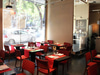
Madrid isn't exactly known for its Japanese food, but the fresh-as-it-comes sushi and sashimi at Tsunami really hits the spot when you need a break from tapas and sangria. The menu offers everything from the classics, like salmon, tuna, and a really solid unagi, to more inventive dishes like Spanish-inflected ceviche and an undeniably fun Doritos roll. The sake selection is just as refreshing as the rest of the menu.

Tuk Tuk
Owned by two expats, Tuk Tuk serves Asian street food that draws inspiration primarily from Bangkok, Saigon, and Hong Kong. It's the kind of place where we'd be happy with anything on the menu, but regulars report that the green curry, coconut rice, and chicken skewers are all standbys. It's an excellent option for takeout (even the most committed drinkers will crave a quiet night in after too many hours in all-night Spanish bars), and vegetarians will appreciate the variety of options, too.

Azotea del Círculo
This rooftop bar is actually located on top of the Circulo de Bellas Artes (the Fine Arts Building)—visitors without a dinner reservation can pay a three-Euro cover charge to travel up to the top, a fee that's more than worth it for the opportunity to see the panoramic views of the city. We like it for drinks around sunset or during the day when the built-in spritzers keep the whole patio cool and pleasant.

Bar Cock
Opened in 1921 (and astonishingly, consistently open throughout the Civil War), Bar Cock is one of the oldest in the city. In the '70s, it was famously a hangout for Madrid's creatives, and today, if you can get past the name, it's a perfectly cozy place to tuck into a gin cocktail surrounded by dim lighting and a generally chill vibe. It never gets too rowdy here, making it the ideal meeting spot for old friends and for having the kind of mellow conversation you can enjoy without yelling.

Club Matador
Occupying a historic apartment in the swanky Salamanca neighborhood, this members-only club is really Madrid's version of Soho House. Started by the creative team behind the Matador magazine, it offers all of the amenities you'd expect from a private club, including cultural events, live music, art exhibitions, a screening room, and a well curated cultural program with lectures and workshops. The restaurant menu focuses on traditional Spanish cuisine while the bar has an ambitious craft cocktail program, bringing in mixologists and guest bartenders from all over Europe. Take your cocktail into the cozy library, which is stocked with books and magazines from the noir genre.

El Huerto de Lucas
At this cool market, you can buy all your unpackaged nuts, grains, and seeds, and get your week's supply of organic, hormone- and toxic chemical-free fruit, veggies, bread, fish and meat from the stalls, and then stop and rest at their all-natural cafe, juice, and sulfate-free wine bar. All of this in a bright, open and airy space, under a canopy of hanging plants. And in case you had any nagging worries left, the space was designed with exclusively sustainable, toxin-free materials.
Embassy
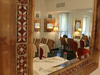
Opened in 1931 by French émigré Margarita Kearney Taylor, this old-school café brought the concept of British high tea to Madrid. For almost a century, this is where the city's hoi polloi gathered along with diplomats from the nearby embassies the café gets its name from. It was also apparently a meeting place for Allied spies during the war. Though Margarita is long gone, her shop remains as ladylike as ever with velvet cushions and touches of chinoiserie throughout.

Lolina Vintage Café
This little bar is cluttered with vintage furniture (each table is surrounded by eclectic, mismatched chairs) set in front of a backdrop of '60s-style wallpaper. They actually serve food and cocktails all day, but we like it best for drinks in the evening, when the relaxed vibe lends itself nicely to snuggling up on one of the cozy leather couches in the back. It can get a little crowded after dinner, so be prepared to wait if you arrive late.

Mercado de la Paz
Despite its recent revamp, this beautifully restored 140-year-old market still retains its old-school, no-fuss neighborhood flavor. You'll find stall after stall of gourmet, fresh ingredients for home cooking plus a smattering of great prepared food stands. So great are some of these, that allegedly, some of the city's best chefs come here in their spare time. Don't miss Casa Dani with its traditional, daily-changing tapas menu.

Mercado de San Miguel
As the last of the 19th-century iron markets in Madrid, this beautifully preserved monument operates just as it has for almost two centuries. Because it's such a fixture on the scene for both foodies and tourists, the prices at some of the stands are a little higher than at other local markets, but the quality and variety is pretty stunning. You'll find all the classic Spanish pantry necessities along with international gourmet goods, from fresh pasta to Russian caviar. If you don't mind the crowds, the best day to head here is Sunday, when locals head to the tapas stalls after a day strolling the nearby Rastro flea market.
Panic Bakery
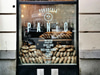
Unlike other European cities, Madrid didn't boast much of a bread scene until graphic designer-turned bread baker Javier Marco came along with his artisanal sourdough and opened Panic in 2012. To this day, he sells six basic loaves, for which people continue to line up around the block, complemented by some incredible cakes baked by HomeCake. You'll occasionally find some pretty epic sandwiches (bocatas) here too, along with his magic touch on the traditional Pan Tomate. Make sure to ask about their occasional bread baking workshops.

Queseria Cultivo
While the Panic bakery next door brings artisanal bread into focus, the Queseria is all about artisanal cheeses from Spain and beyond. In their vast and heavenly vault you'll find a surprising variety of national cheeses across the spectrum, along with the very best of the rest of Europe. The shop is the work of three pioneering cheese producers coming together to raise awareness of their craft in Madrid. Not only do they bring rare regional varieties here, they also teach classes on everything from cheese-making to photography.
Triada Malasaña
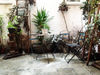
Malasaña has been a neighborhood on the rise for a while now, due in large part to the presence of hybrid operations like Triada Malasaña. Part retail store, part art gallery, part bar, it's buzzing from early in the morning until late into the night.

Antigua Casa Crespo
GP stumbled on this teeny mom-and-pop—which turned out to be the most fabled espadrille shop in the city—on her last visit to Madrid. Inside, find rows of wooden cubbies packed to the rafters with traditional rope-soled, canvas espadrilles (or alpargatas, as they’re known to the locals) in every conceivable color and silhouette and priced at way below what one might expect to pay for such well-made shoes. The owners—fourth generation espadrille craftspeople, mind you—close up for siesta, so plan your visit accordingly.

Farmacia Deleuze
Holding court in the same stunning Baroque space since the 1870’s, this fully functioning pharmacy is one of the few places in the city to see the ornate gilded moldings, grand chandeliers, and painted ceilings of the time in person—not to mention, filling a prescription or stocking up on over-the-counter gems you can only find in a European drugstore.

La Central
This handsome bookshop occupies a stately renovated townhouse, so the architecture is an elegant (if fittingly mismatched) mix of Baroque arches and streamlined modern walls and skylights that span three levels in addition to a basement-level event space. The adorable children's section, for example, occupies the former chapel and boasts a ceiling complete with gold-trimmed domes painted with images of angels and cherubs. The entire shop is always buzzing thanks to a cozy cafe, a rooftop bar (on Thursdays you're likely to find a band performing live music), and a packed schedule of events that brings in writers and lecturers from all over Europe.

La Fábrica
This sprawling multi-functional space sits in the heart of Madrid’s cultural center and makes for the perfect place to catch your breath from hours of museum hopping. After a Mediterranean-inflected lunch at the modern, light-filled café (while you’re there, ask to see the dinner menu and make a reservation on the spot if the pasta and hearty fish dishes appeal), stop by the photography-only exhibition space and supporting bookstore. Finish by picking up a bottle of a Spanish red, artisan-crafted leather clutch, or a piece of artisan-made silver jewelry at the meticulously curated concept shop supporting local design talent.

Loewe
What started out as a small artisan-run leather goods manufacturer in the 1840’s has morphed into a universally adored, 100+ stores strong luxury brand. Staying true to its heritage, the Madrid flagship is still the heart and soul of the brand: In addition to the signature candy-colored purses and wallets, come here for shoes, jewelry, scarves, ready-to-wear, and more, all donning the iconic Loewe logo. Just down the street, the Gran Via shop often hosts pop-up art exhibits and limited edition collections.

Malababa
For the kinds of unique accessories you always want to bring back from a trip abroad, head to one of Malababa's two locations. Designer Ana Carrasco produces her entire line of bags, jewelry, and shoes in Spain, employing local artisans for every step of the process, from tanning the leather to sewing the bags. Expect a range of styles, from delicate beaded jewelry to chunky leather boots to clutches adorned with bold geodesic clasps. You can also find a range of prices, with plenty of perfect gift options available for less than 100 Euros.
MASSCOB
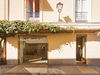
Spanish designers Marga Massanet and Jacobo Cobián (who also happen to be an adorable real-life couple) only have two retail stores; in addition to the Madrid shop, you can find them in their beachy hometown of La Coruña along the Northern coast. Both outposts are done in modern, streamlined, warm wood interiors with light fixtures that look like glowing orbs descending from the ceiling. And that's before you've even begun to look through the racks of the quintessentially Spanish women's dresses and separates. Expect flowy, loose shapes made in natural-feeling linens and vintage patterns, all inspired by La Coruña's beachy, tanned aesthetic and the laid-back lifestyle that goes with it.

Panta Rhei
This crowded bookshop specializes in the visual arts—you can rely on them to carry publications from recent exhibitions or monographs from living artists, shelved alongside books on graphic design, marketing, art, and fashion. The emphasis on visuals is well complemented by the in-house gallery, which shows different works by Spanish illustrators every few months. It won't come as a surprise that the children's section is stocked with some of the most stunning kids books we've ever seen.

Pez tienda
Chueca hasn't always been the amazing shopping district it is today—it was thanks to pioneers like Patricia Salas and Beatriz Mezquíriz, who opened their destination shop here in 2004, that the area became such a hotbed of fashion and culture. Pez specializes in splurge-worthy items from some of Europe's best designers, showcasing elegant shoes from Italy, forward-thinking staples from Belgium, and the best representatives of their native Spain (like goop favorite Masscob). The interior, which is clean and white save for vintage wooden farm tables and exposed wooden beams in the ceiling, is an appropriate backdrop for the spot-on edit.
Rughara
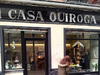
Rughara’s particular brand of quirky, mix-and-match merchandising, which incorporates racks of clothing, themed displays of home accessories, and a curated assortment of vintage furniture proved to be so popular with the local artsy types that an expansion into the neighboring storefront was inevitable. The resulting space serves as a showroom for more vintage wares, local designer goods, and the occasional performance and meeting space for the aforementioned artsy types.

Salamanca Shopping District
Whether you’re looking to do serious damage or some harmless window-shopping, the Barrio de Salamanca is a worthy destination. Chanel, Hermes, Delpozo, Christian Louboutin...all the usual suspects are here, but it’s the gorgeous buildings that house the goods that make this stretch so special. And in true European fashion, more accessible, but equally enticing, High Street standbys (Muji, H&M, and of course, Zara) are also well represented. Don’t skip the side streets—this is where you’ll find the indie gems and small local boutiques.

Boa Mistura
Madrid is renowned for her museums and despite the city’s classical overtones, street art—which oftentimes acts as visual commentary of the civic, political, and cultural overtones of a society—is alive and well with Boa Mistura—a multidisciplinary art collective. Made up of five creatives—friends since their teens when they would graffiti their neighborhood—their art, so decidedly in the public realm is intended to make a statement, to be community building, and to disrupt the notion that graffiti is vandalism. A guide can steward you through many of their large-scale murals that dot the city. More of their work is to be found in places as disparate as the favelas of Brazil and the Venice Biennale.

Buen Retiro Park
A royal retreat until the 19th-century, the city's main park is dotted with evidence of its princely origins, whether it's the Paseo de la Argentina with its flank of royal statues, the Palacio de Cristal, a former greenhouse for rare species from the Philippines (now an art space curated by the Reina Sofía), or the 18th-century Neoclassical observatory. Today it's simply where locals gravitate for a dose of the outdoors. The park bustles with visitors year-round and offers numerous activities, thanks to outdoor Flamenco concerts, new exhibits, boat rides on the man-made Estanque lake, and the rose garden. Photo: Håkan Svensson
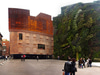
CaixaForum Madrid
The Caixa is a necessary contemporary counterpart to the Prado, Reina Sofía, and Thyssen museums. In high contrast to the centuries-old palaces those institutions inhabit, the contemporary collections here are housed in an industrial warehouse that's been reinterpreted by Herzog and de Meuron. Fittingly, you can expect cutting-edge exhibitions of pieces from the last 30 years. Like the now iconic vertical garden at its entrance, the museum literally breathes fresh air into the neighborhood dominated by the old guard art institutions. Photo: Carles Escrig i Royo

Casa de Campo Park
Casa de Campo translates to country home, and did indeed once house the royal hunting lodge—in fact, you can still spot deer and rabbits. While it's been engulfed by the city, it still feels much like an escape, and an enormous one at that: There are winding bike trails, a boating lake, Madrid's zoo and aquarium, along with a massive, rollercoaster-laden amusement park. And, If you take the cableway in, you'll also benefit from some of the best views of Madrid down below. Photos: Jose A.

Centro de Arte Reina Sofía
Though its permanent collection is a who's who of modern Spanish art, including major works by Picasso—his Guernica is the museum's Mona Lisa—Miró, Dalí, Eduardo Chillida, and Antoni Tàpies, the Reina Sofía is also a major contemporary art institution both within and outside its Jean Nouvel-designed walls. Head to the museum for its contextualized permanent collection of Spanish and international masters, and then go to the Parque del Retiro to check out the exhibitions at the Palacio de Cristal and Palacio de Velázquez.

Cine Doré
This iconic movie theater is the home of the Spanish national film archive, which makes it a good spot to catch art house films (at great prices). It also houses a pretty comprehensive shop for film nerds, though even non-filmophiles will appreciate the restored, Art Nouveau architectural details, evidenced by the old-fashioned café, red velvet theater interiors, and incredibly-detailed ceilings. Photo: Manuel Martin Vicente

El Rastro
This may be the biggest flea market in all of Spain, but don't head to El Rastro expecting too many vintage treasures, as much of what's sold here nowadays is new. Serious shoppers can hit some of the side streets for the odd antiquarian's stall, though the aim for most locals is mainly the lazy Sunday morning stroll—finished with a beer and some tapas at the nearby Mercado San Miguel, recently restored and brimming with traditional food stalls. Fairly central, many of the main museums are nearby and make a good afternoon destination. Photo: Promo Madrid

Madrid Rio
A city redevelopment project of gargantuan proportions, this 10km stretch of green space along the city's Manzanares riverbank replaces the former M-30 freeway, which now runs underground. Its completion in 2011 brought local Madrileños back to the riverbed with a system of restored bridge monuments, new footbridges, or Cáscaras, an urban beach for sunbathers, 17 new playgrounds, and kayak docks. What's more, it's stitched neighborhoods like Arganzuela, Carabanchel, and La Latina—once dissected by the city's traffic—back together, making them all completely walkable. Rent a bike or stroll the riverbank to check out the park's features, such as the fruit tree arboretum recreating that of the formal royal palace, or the pine walk which is almost directly above the now submerged M-30. All of this is the work of an impressive, 4-year collaboration between the Dutch firm West8 and Madrid's own MRIO. Photo: © West8

Matadero
A slaughterhouse for most of the 20th century (hence the name), the Matadero today is a bustling hub for multitudinous arts pursuits. Drop by on any given day for an awe-inspiring spectrum of cultural activity: take a urban cycling course, catch a documentary at the Cineteca movie complex, check out the latest design show at the Central de Diseño, catch a concert at the Nave 16, or take the kids to an experimental reading session at the Casa del Lector. Along with presenting the latest in contemporary art and culture, the Matadero is also a hub for creatives, offering workspaces and residencies across a variety of disciplines, meaning a lot of the work you'll see here has been made on-site.

Museo Cerralbo
The Marquis of Cerralbo lived in this palace in the 19th and 20th centuries and designed everything from the staircase to the displays, to the gardens he sketched out himself. Today his absolutely over-the-top vision (he always hoped it would become a museum) remains faithfully intact complete with his collection of masterpieces by Spanish greats like El Greco and Zúrbaran, early photography, and Japanese armor from the Edo period.
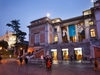
Museo del Prado
Nearly 200 years old, this is one of the best museums in Spain—if not the world—reflecting the tastes (and astonishing wealth) of the Spanish court through the centuries. The collection dates back to the 16th century and Spain's world dominance at the time shows with the sheer value of many of its holdings, including major pieces by Titian, Fra Angelico, Velázquez, and El Greco. The museum is enormous and can be somewhat intimidating so their approachable guide materials—some of them contextualized with music and geared toward a variety of interests, including a few for kids—make the visit all the more manageable.
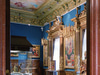
Museo Lázaro Galdiano
Off the beaten path from the so-called Golden Triangle comprised of the Thyssen, El Prado, and the Reina Sofia, this private collection is well worth the side trip. Beyond the individual pieces, which include decorative art over the centuries along with several works by Goya, Lucas Cranach, Velázquez, and the like, it's the way this collection, amassed by banker, publisher, and collector José Lázaro Galdiano himself, is displayed in his former mansion. While it's not a house museum per se, the collections are grouped in a way that has the feel of an old stately mansion mixed with a cabinet of curiosities. Galdiano is well loved in Spain for having bought back many important Spanish artworks that were almost lost during the Spanish Civil War.

Museo Thyssen-Bornemisza
The collection of works housed in this 18th-century palace represent the lifetime pastime of Swiss collector Heinrich Thyssen-Bornemisza and his Spanish wife Carmen. While Heinrich and his German father August focused on everything from the Gothic period to major Dutch works of the 16th, 17th, and 18th centuries, Carmen's collection brings in significant Modern American, Expressionist, and Impressionist works, making the museum a wonderful survey of art through the centuries—certainly the most complete in Spain. Though it's now owned by the Spanish state, it still retains the feel of a private family collection with artwork displayed on salmon pink walls, as dictated by Carmen herself.

Real Academia de Bellas Artes de San Fernando
The site of Spain's main art academy for centuries is today a pretty comprehensive museum for anyone interested in Spanish art history. It's often overlooked in favor of the much splashier Prado, which makes a visit here all the quieter and more enjoyable. Not only do its vast holdings include much of the artwork made during its time as an academy, including several important paintings and etchings by Goya, it's also been the benefactor of several major collections, including that of the Jesuits when they were expelled by the monarchy. This is a particularly notable destination for those interested in religious art history from the Renaissance on.

Hammam al Andalus
Housed in an excavated cellar, this Arabic-style hammam occupies a candlelit, beautifully restored space. Work your way through a series of hot and cold baths before settling in for the signature Kessa-glove scrub and massage combination treatment—a godsend when the sensory overload that is Madrid gets to be too much. The communal baths and tea room (the mint tea here is kind of legendary) are unisex, so you’re welcome to chill out in the company of your S.O. between treatments—so long as you keep to the strict no-talking rule.

Tracy Anderson Method
Goop staffers religiously sweat it out at Tracy Anderson’s Brentwood Studio—or at home via the streaming service— and the fitness guru has opened her first studio outside the United States. The newly renovated LaMarca building in Madrid’s Barrio de Justicia neighborhood is the TA Method’s latest home. Like Anderson’s other state-of-the-art studios, the Spanish iteration doesn’t skimp on the details and you’ll find the Iso-Kinetic bands, the Super G floor, and the signature humidity familiar to regulars as well as a tight edit of fitness apparel and accessories.
Saturday, Sorted: 3 Galleries by Yuko Mohri and a Samurai Negroni by Watr Rooftop

5 Thought-Provoking Novels to Discuss and Debate This Fall
These novels are guaranteed to give you and your friends something to talk about.

48 Hours in San Diego
Here’s how to spend the perfect weekend in this laid-back coastal destination—home to goop’s kitchen’s first dine-in location in Del Mar.


48 Hours in Istanbul
History, incredible food, fantastic shopping, and centuries-old bathhouse culture make Istanbul a must-visit. Here’s how to make the most of a few days in this endlessly fascinating city.

Tierras Villas in Crete Isn’t Quite a Hotel—and That’s the Point
Five private villas with infinity pools and wide-open Aegean views offer the privacy of a house with the ease of a hotel—the latest chapter in a Cretan family story that began more than three decades ago.


10 Must-See Art Exhibitions to Fill Your Fall Itinerary
Take in out-of-this world large-scale installations in Tokyo and one of the year’s most anticipated shows in London—where Edward Enniful explores the art, photography, and fashion of the ‘90s.

How I Stopped Trying So Hard to Win Over My Teen
One mother shares how a weekend in Coronado, a failed concert, and a little unplanned downtime helped her reconnect with her teenage daughter.


5 Smart Novels to Pack When You Want More Than a Beach Read
Five emotionally rich literary beach reads from Maggie O’Farrell, Kathryn Stockett, Elizabeth Strout, Andrew Sean Greer, and Ann Patchett.

The Garden Spell of San Ysidro Ranch
In Montecito, a storied hideaway of vine-covered cottages, fragrant gardens, candlelit dinners, and rare privacy proves that the greatest luxury may be being left alone.


.png)
The Historic French Spa Town Where You Can Still Take the Waters
Where to stay, eat, and explore in Évian-les-Bains on the shore of Lake Geneva.
.png)
Where Nancy Silverton Actually Eats in Los Angeles
From old-school institutions to under-the-radar gems, the legendary chef shares her go-to restaurants, markets, and specialty food destinations.