Madrid Rio


why we love it
A city redevelopment project of gargantuan proportions, this 10km stretch of green space along the city's Manzanares riverbank replaces the former M-30 freeway, which now runs underground. Its completion in 2011 brought local Madrileños back to the riverbed with a system of restored bridge monuments, new footbridges, or Cáscaras, an urban beach for sunbathers, 17 new playgrounds, and kayak docks. What's more, it's stitched neighborhoods like Arganzuela, Carabanchel, and La Latina—once dissected by the city's traffic—back together, making them all completely walkable. Rent a bike or stroll the riverbank to check out the park's features, such as the fruit tree arboretum recreating that of the formal royal palace, or the pine walk which is almost directly above the now submerged M-30. All of this is the work of an impressive, 4-year collaboration between the Dutch firm West8 and Madrid's own MRIO. Photo: © West8
Originally featured in The Madrid Guide
Activities

Dear Hotel
This year-old, 162-room boutique hotel is housed in a beautiful neoclassical building and is the perfect example of how perfectly contemporary design elements—minimal furniture, museum-white walls, and lots of high-tech gadgetry—can lend themselves to a traditional space. The rooms are kept purposefully stark, with the street-facing windows and scattered pops of grey serving as the sole decorative elements. Upstairs, on the 360-degree terrace, you’ll find the small but incredibly relaxing Sky Pool and the Nice to Meet You restaurant, which in addition to great tapas, cocktails, and music, offers the most intense sunsets and panoramic views of the Madrid skyline. Also worth mentioning are the very reasonable room rates.

Hotel Wellington
While it has all the grown-up trappings of a posh boutique property (a well-stocked bar, gorgeous décor, a Clarins spa), this grand, old-school hotel is surprisingly well equipped to accommodate the 12-and-under crowd, too. The rooftop organic garden alone—it’s one of the largest of its kind in Europe—is enough to keep fleeting attention spans occupied for hours at a time, and the same can be said of the outdoor pool. Food-wise, there’s around-the-clock room service and enough on-site dining options—from sushi to classic Basque to veggie—to please even the finickiest of palates.

Mandarin Oriental Ritz, Madrid
Occupying a massive Belle Epoch palace mere steps from the Prado that speaks to Madrid's illustrious history, the Ritz actually belongs to the Mandarin Oriental family of hotels, despite its name. The grand lobby, champagne bar, English-style tea room, and excellent Basque restaurant are all decked out with the grand flourishes of the early 20th century. The rooms are equally opulent, with rich tapestries, ornate rugs, and period furniture that oozes old-world charm.

The Principal Madrid
As far as location goes, the intersection of Gran Via and Marqués de Valdeiglesias can’t be beat—the best museums, squares, parks, and shopping streets are literally steps away, though once you step inside the plush lobby, you may never want to leave. In stark contrast to the Art Deco façade, the guestrooms are all shades of grey, slick mid-century furniture, and the occasional burst of jewel-tones—clearly a testament to hotelier Pau Guardans penchant for marrying the old with the new. Conveniently, there are two restaurants on site: laid back Atico, the brainchild of two-Michelin star chef Ramón Freixa, is open 24/7, while La Terraza is the lush indoor-outdoor garden terrace attached to the hotel’s prized solarium—complete with lounge chairs and outdoor showers for cooling off. In place of a spa there’s an intimate two-person wellness suite and sauna, just make sure to book your massage or facial ahead of time.

Rosewood Villa Magna
A great choice for an extended stay, this former royal residence underwent a massive top-to-bottom revamp to turn it into the grand and welcoming city retreat it is today. Paired with exceptional service, the elegantly turned out guestrooms are meant to serve as a home-away-from-home; Tse Yang restaurant, with its tufted booths and elevated Chinese comfort food menu, also helps the cause. Traveling with kids? Let the staff know in advance and they’ll kit out the room with games, playpens, baby monitors, crayons, and whatever else their (and your) little hearts desire.

Santo Mauro
Spread out over three elegant buildings that used to serve as the home of the Duke of Santo Mauro, this recently renovated boutique hotel is a love letter to the decadence and splendor of old Madrid. Inside, the former ballroom has been turned into a sweeping lobby and the library became La Biblioteca Restaurant, where you'll find an excellent menu of traditional Spanish cuisine. Meanwhile, the spacious guestrooms are done in comforting earth tones for maximum relaxation.

Urso Hotel & Spa
If you book a room at Urso Hotel, consider carving a day out of your sightseeing itinerary to spend exploring everything this five-star property has to offer. Start with breakfast in bed—or, if you splurge on the terrace room, on a private balcony—then head down to the Natura Bissé spa for the kind of groundbreaking treatments (magnet-assisted massages, diamond-dust facials) one wouldn’t normally find at a hotel spa. For dinner, The Table is a revolving pop-up experience that invites chefs from various world-class restaurants around Spain to take over both the kitchen and dining room, meaning that the menu, vibe, and décor change monthly (reserve your spot as early as possible). Meanwhile, The Conservatory is ideal for a more traditional meal and its downstairs Urso Bar the perfect spot for a nightcap. Take note: the hotel doesn’t allow kids.

Bar Tomate
Bar Tomate's location in the convenient, business-focused Salamanca neighborhood means it's usually pretty crowded at lunchtime—though there's always standing room at the bar if you forget to make a reservation. Astonishingly, the operation is open from 8:30 in the morning, serving tapas, light breakfast, and excellent coffee, until midnight, when a DJ and an excellent cocktail menu make it one of the neighborhoods more well-attended bars. While the classic tapas are always a good bet, menu-wise, they're also known for perfectly dough-ey wood-fired pizzas.

Bosco de Lobos
Bosco de Lobos is one of two restaurants from the Barcelona-based En Compañia de Lobos restaurant group. At this location, owner Tomas Tarruella focuses on home-style Italian food, with hearty, comforting dishes like a bolognese, mushroom risotto, and wood-fired pizza with ricotta and anchovies. The best tables are out in the patio garden, which is fully enclosed in lush greenery.

Casa Lucio
Walking through the heavy-wood, tavern-style entryway to this eatery is akin to stepping into the Madrid of yesteryear—the plates are monogrammed, the waiters are suited-up, and the clientele spans politicians, locals, eccentrics, and the occasional royal. Casa Lucio is an olive oil soaked slice of the old-world, traditional yet incredibly refined with a classic menu of gastronomical favorites to match. Try the huevos estrellados—crispy, salty fried potatoes topped with broken runny eggs and be sure to linger over your desert for the all-important sobremesa (loosely translated as post-dinner debate and conversation) that keeps Madrileños firmly planted the table until the early hours.

El Pescador
Opened in 1975, El Pescador has a similar trajectory to nearby O'Pazo—both old-guard restaurants that pioneered the idea of serving fish so fresh that it didn't even need sauce, they've each stayed relevant with frequent renovations. At El Pescador, in particular, the interior has the potential to fool visitors that don't know the restaurant's historic pedigree—a clean concrete bar with stainless steel stools marks the entry to the restaurant, which is separated from the rest of the airy, modern restaurant by sheer chainlink curtains. As for the menu, you'll find minimally-treated fish and shellfish, served fresh and typically caught that morning. The shareable seafood platters are perfect for a big group.

Laredo
Taberna Laredo is our pick for authentic Spanish food that's modern and up-to-date without being overly fussy. In typical Spanish style, the upstairs space offers a full meal (and impressive wine list), while the downstairs is a tapas-only bar. Madrid is a city of night owls, so it doesn't really start to heat up downstairs until around 11pm, when locals belly up to the bar for well-executed cocktails and small dishes.

La Tasquita de Enfrente
If there's one "must-visit" spot we'd recommend in Madrid, it would have to be La Tasquita de Enfrenta. Chef Juanjó Lopez's outrageously good Spanish food (the menu changes seasonally) isn't exactly news—locals have been vying for reservations here for a few years now—but the food is as good as ever. It's definitely the kind of place where it's worth splurging on the chef's tasting menu, and the wine to go with it. The place books out well in advance, so make a reservation before your trip if possible.
O'Pazo
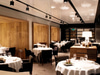
Opened in 1969, O'Pazo was one of the first restaurants in Madrid to be awarded a Michelin star—the old-school seafood spot is actually still run by children of the original founder, Evaristo García. The interior, fresh off a remodel, captures everything that's wonderful about Madrid; the sleek, updated furnishings and soothing wood paneling are a perfect juxtaposition to the open kitchen, where ham hocks hang from the ceiling and the days' catch of seafood and shellfish is displayed on ice. This is the kind of place where it's a good idea to put your order in the hands of the waiter, who can best identify which fresh fish the chef is most excited about that day.

Platea Madrid
Guidebooks often describe Platea Madrid as a food hall, but that description doesn't even begin to cover the experience, which brings together six Michelin-starred eateries in the same place. The first thing you'll notice is the space—a movie theater that's been completely renovated to create mezzanine-style platforms littered with tables and chairs (all within view of the stage itself, which remains intact and often hosts live musical performances). Each mezzanine offers several dining options, from tapas to pizza to seafood, supplemented by bars offering cocktails and wines for pairing. This is a popular spot, so finding seating can be a little tricky, but the food's so good that standing room isn't necessarily a bad option.

Restaurante Sacha
It doesn't get more classic than Sacha, an old-school Spanish restaurant that was originally started by a couple who named the place after their only son. As luck would have it, Sacha is now the head chef and proprietor, helming a menu that's become a staple for Madrid foodies. The offerings here change seasonally, but the selection always has its foundation in traditional Spanish cuisine, serving locally caught seafood, bold meat dishes, and classic tapas prepared using fresh, simple ingredients. It never disappoints.

Taberna Pedraza
Eating at Taberna Pedraza is a little bit like going over to a good friend's house for dinner (albeit a friend that's a ridiculously good chef). The colorful, mismatched tiled floors create a casual vibe that's furthered by an eclectic bunch of disparate chairs, flower arrangements, and the friendly nature of the service. What's more, the small kitchen is open and visible from behind the bar, so you can see Chef Santiago Pedraza working his magic in real time. The straightforward menu here offers up simple tapas: Go for the classics, like croquettes, tortilla, or the steak, and definitely don't skip dessert.

Ten con Ten
Ten Con Ten, the opposite of a dive-y drop-in, is a lively, totally modern sit-down spot that serves classic tapas with a modern edge (and interestingly, some pasta dishes). No need to reserve, plenty of tables are left open for walk-ins which contributes to the convivial vibe that is never stuffy
Tsunami Nikkei Chamberi
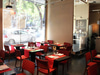
Madrid isn't exactly known for its Japanese food, but the fresh-as-it-comes sushi and sashimi at Tsunami really hits the spot when you need a break from tapas and sangria. The menu offers everything from the classics, like salmon, tuna, and a really solid unagi, to more inventive dishes like Spanish-inflected ceviche and an undeniably fun Doritos roll. The sake selection is just as refreshing as the rest of the menu.

Tuk Tuk
Owned by two expats, Tuk Tuk serves Asian street food that draws inspiration primarily from Bangkok, Saigon, and Hong Kong. It's the kind of place where we'd be happy with anything on the menu, but regulars report that the green curry, coconut rice, and chicken skewers are all standbys. It's an excellent option for takeout (even the most committed drinkers will crave a quiet night in after too many hours in all-night Spanish bars), and vegetarians will appreciate the variety of options, too.

Azotea del Círculo
This rooftop bar is actually located on top of the Circulo de Bellas Artes (the Fine Arts Building)—visitors without a dinner reservation can pay a three-Euro cover charge to travel up to the top, a fee that's more than worth it for the opportunity to see the panoramic views of the city. We like it for drinks around sunset or during the day when the built-in spritzers keep the whole patio cool and pleasant.

Bar Cock
Opened in 1921 (and astonishingly, consistently open throughout the Civil War), Bar Cock is one of the oldest in the city. In the '70s, it was famously a hangout for Madrid's creatives, and today, if you can get past the name, it's a perfectly cozy place to tuck into a gin cocktail surrounded by dim lighting and a generally chill vibe. It never gets too rowdy here, making it the ideal meeting spot for old friends and for having the kind of mellow conversation you can enjoy without yelling.

Club Matador
Occupying a historic apartment in the swanky Salamanca neighborhood, this members-only club is really Madrid's version of Soho House. Started by the creative team behind the Matador magazine, it offers all of the amenities you'd expect from a private club, including cultural events, live music, art exhibitions, a screening room, and a well curated cultural program with lectures and workshops. The restaurant menu focuses on traditional Spanish cuisine while the bar has an ambitious craft cocktail program, bringing in mixologists and guest bartenders from all over Europe. Take your cocktail into the cozy library, which is stocked with books and magazines from the noir genre.

El Huerto de Lucas
At this cool market, you can buy all your unpackaged nuts, grains, and seeds, and get your week's supply of organic, hormone- and toxic chemical-free fruit, veggies, bread, fish and meat from the stalls, and then stop and rest at their all-natural cafe, juice, and sulfate-free wine bar. All of this in a bright, open and airy space, under a canopy of hanging plants. And in case you had any nagging worries left, the space was designed with exclusively sustainable, toxin-free materials.

Embassy
Opened in 1931 by French émigré Margarita Kearney Taylor, this old-school café brought the concept of British high tea to Madrid. For almost a century, this is where the city's hoi polloi gathered along with diplomats from the nearby embassies the café gets its name from. It was also apparently a meeting place for Allied spies during the war. Though Margarita is long gone, her shop remains as ladylike as ever with velvet cushions and touches of chinoiserie throughout.

Lolina Vintage Café
This little bar is cluttered with vintage furniture (each table is surrounded by eclectic, mismatched chairs) set in front of a backdrop of '60s-style wallpaper. They actually serve food and cocktails all day, but we like it best for drinks in the evening, when the relaxed vibe lends itself nicely to snuggling up on one of the cozy leather couches in the back. It can get a little crowded after dinner, so be prepared to wait if you arrive late.

Mercado de la Paz
Despite its recent revamp, this beautifully restored 140-year-old market still retains its old-school, no-fuss neighborhood flavor. You'll find stall after stall of gourmet, fresh ingredients for home cooking plus a smattering of great prepared food stands. So great are some of these, that allegedly, some of the city's best chefs come here in their spare time. Don't miss Casa Dani with its traditional, daily-changing tapas menu.

Mercado de San Miguel
As the last of the 19th-century iron markets in Madrid, this beautifully preserved monument operates just as it has for almost two centuries. Because it's such a fixture on the scene for both foodies and tourists, the prices at some of the stands are a little higher than at other local markets, but the quality and variety is pretty stunning. You'll find all the classic Spanish pantry necessities along with international gourmet goods, from fresh pasta to Russian caviar. If you don't mind the crowds, the best day to head here is Sunday, when locals head to the tapas stalls after a day strolling the nearby Rastro flea market.

Panic Bakery
Unlike other European cities, Madrid didn't boast much of a bread scene until graphic designer-turned bread baker Javier Marco came along with his artisanal sourdough and opened Panic in 2012. To this day, he sells six basic loaves, for which people continue to line up around the block, complemented by some incredible cakes baked by HomeCake. You'll occasionally find some pretty epic sandwiches (bocatas) here too, along with his magic touch on the traditional Pan Tomate. Make sure to ask about their occasional bread baking workshops.

Queseria Cultivo
While the Panic bakery next door brings artisanal bread into focus, the Queseria is all about artisanal cheeses from Spain and beyond. In their vast and heavenly vault you'll find a surprising variety of national cheeses across the spectrum, along with the very best of the rest of Europe. The shop is the work of three pioneering cheese producers coming together to raise awareness of their craft in Madrid. Not only do they bring rare regional varieties here, they also teach classes on everything from cheese-making to photography.
Triada Malasaña
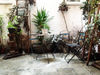
Malasaña has been a neighborhood on the rise for a while now, due in large part to the presence of hybrid operations like Triada Malasaña. Part retail store, part art gallery, part bar, it's buzzing from early in the morning until late into the night.

Antigua Casa Crespo
GP stumbled on this teeny mom-and-pop—which turned out to be the most fabled espadrille shop in the city—on her last visit to Madrid. Inside, find rows of wooden cubbies packed to the rafters with traditional rope-soled, canvas espadrilles (or alpargatas, as they’re known to the locals) in every conceivable color and silhouette and priced at way below what one might expect to pay for such well-made shoes. The owners—fourth generation espadrille craftspeople, mind you—close up for siesta, so plan your visit accordingly.

Farmacia Deleuze
Holding court in the same stunning Baroque space since the 1870’s, this fully functioning pharmacy is one of the few places in the city to see the ornate gilded moldings, grand chandeliers, and painted ceilings of the time in person—not to mention, filling a prescription or stocking up on over-the-counter gems you can only find in a European drugstore.

La Central
This handsome bookshop occupies a stately renovated townhouse, so the architecture is an elegant (if fittingly mismatched) mix of Baroque arches and streamlined modern walls and skylights that span three levels in addition to a basement-level event space. The adorable children's section, for example, occupies the former chapel and boasts a ceiling complete with gold-trimmed domes painted with images of angels and cherubs. The entire shop is always buzzing thanks to a cozy cafe, a rooftop bar (on Thursdays you're likely to find a band performing live music), and a packed schedule of events that brings in writers and lecturers from all over Europe.

La Fábrica
This sprawling multi-functional space sits in the heart of Madrid’s cultural center and makes for the perfect place to catch your breath from hours of museum hopping. After a Mediterranean-inflected lunch at the modern, light-filled café (while you’re there, ask to see the dinner menu and make a reservation on the spot if the pasta and hearty fish dishes appeal), stop by the photography-only exhibition space and supporting bookstore. Finish by picking up a bottle of a Spanish red, artisan-crafted leather clutch, or a piece of artisan-made silver jewelry at the meticulously curated concept shop supporting local design talent.

Loewe
What started out as a small artisan-run leather goods manufacturer in the 1840’s has morphed into a universally adored, 100+ stores strong luxury brand. Staying true to its heritage, the Madrid flagship is still the heart and soul of the brand: In addition to the signature candy-colored purses and wallets, come here for shoes, jewelry, scarves, ready-to-wear, and more, all donning the iconic Loewe logo. Just down the street, the Gran Via shop often hosts pop-up art exhibits and limited edition collections.

Malababa
For the kinds of unique accessories you always want to bring back from a trip abroad, head to one of Malababa's two locations. Designer Ana Carrasco produces her entire line of bags, jewelry, and shoes in Spain, employing local artisans for every step of the process, from tanning the leather to sewing the bags. Expect a range of styles, from delicate beaded jewelry to chunky leather boots to clutches adorned with bold geodesic clasps. You can also find a range of prices, with plenty of perfect gift options available for less than 100 Euros.

MASSCOB
Spanish designers Marga Massanet and Jacobo Cobián (who also happen to be an adorable real-life couple) only have two retail stores; in addition to the Madrid shop, you can find them in their beachy hometown of La Coruña along the Northern coast. Both outposts are done in modern, streamlined, warm wood interiors with light fixtures that look like glowing orbs descending from the ceiling. And that's before you've even begun to look through the racks of the quintessentially Spanish women's dresses and separates. Expect flowy, loose shapes made in natural-feeling linens and vintage patterns, all inspired by La Coruña's beachy, tanned aesthetic and the laid-back lifestyle that goes with it.

Panta Rhei
This crowded bookshop specializes in the visual arts—you can rely on them to carry publications from recent exhibitions or monographs from living artists, shelved alongside books on graphic design, marketing, art, and fashion. The emphasis on visuals is well complemented by the in-house gallery, which shows different works by Spanish illustrators every few months. It won't come as a surprise that the children's section is stocked with some of the most stunning kids books we've ever seen.

Pez tienda
Chueca hasn't always been the amazing shopping district it is today—it was thanks to pioneers like Patricia Salas and Beatriz Mezquíriz, who opened their destination shop here in 2004, that the area became such a hotbed of fashion and culture. Pez specializes in splurge-worthy items from some of Europe's best designers, showcasing elegant shoes from Italy, forward-thinking staples from Belgium, and the best representatives of their native Spain (like goop favorite Masscob). The interior, which is clean and white save for vintage wooden farm tables and exposed wooden beams in the ceiling, is an appropriate backdrop for the spot-on edit.

Rughara
Rughara’s particular brand of quirky, mix-and-match merchandising, which incorporates racks of clothing, themed displays of home accessories, and a curated assortment of vintage furniture proved to be so popular with the local artsy types that an expansion into the neighboring storefront was inevitable. The resulting space serves as a showroom for more vintage wares, local designer goods, and the occasional performance and meeting space for the aforementioned artsy types.

Salamanca Shopping District
Whether you’re looking to do serious damage or some harmless window-shopping, the Barrio de Salamanca is a worthy destination. Chanel, Hermes, Delpozo, Christian Louboutin...all the usual suspects are here, but it’s the gorgeous buildings that house the goods that make this stretch so special. And in true European fashion, more accessible, but equally enticing, High Street standbys (Muji, H&M, and of course, Zara) are also well represented. Don’t skip the side streets—this is where you’ll find the indie gems and small local boutiques.

Boa Mistura
Madrid is renowned for her museums and despite the city’s classical overtones, street art—which oftentimes acts as visual commentary of the civic, political, and cultural overtones of a society—is alive and well with Boa Mistura—a multidisciplinary art collective. Made up of five creatives—friends since their teens when they would graffiti their neighborhood—their art, so decidedly in the public realm is intended to make a statement, to be community building, and to disrupt the notion that graffiti is vandalism. A guide can steward you through many of their large-scale murals that dot the city. More of their work is to be found in places as disparate as the favelas of Brazil and the Venice Biennale.

Buen Retiro Park
A royal retreat until the 19th-century, the city's main park is dotted with evidence of its princely origins, whether it's the Paseo de la Argentina with its flank of royal statues, the Palacio de Cristal, a former greenhouse for rare species from the Philippines (now an art space curated by the Reina Sofía), or the 18th-century Neoclassical observatory. Today it's simply where locals gravitate for a dose of the outdoors. The park bustles with visitors year-round and offers numerous activities, thanks to outdoor Flamenco concerts, new exhibits, boat rides on the man-made Estanque lake, and the rose garden. Photo: Håkan Svensson
CaixaForum Madrid
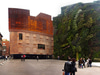
The Caixa is a necessary contemporary counterpart to the Prado, Reina Sofía, and Thyssen museums. In high contrast to the centuries-old palaces those institutions inhabit, the contemporary collections here are housed in an industrial warehouse that's been reinterpreted by Herzog and de Meuron. Fittingly, you can expect cutting-edge exhibitions of pieces from the last 30 years. Like the now iconic vertical garden at its entrance, the museum literally breathes fresh air into the neighborhood dominated by the old guard art institutions. Photo: Carles Escrig i Royo

Casa de Campo Park
Casa de Campo translates to country home, and did indeed once house the royal hunting lodge—in fact, you can still spot deer and rabbits. While it's been engulfed by the city, it still feels much like an escape, and an enormous one at that: There are winding bike trails, a boating lake, Madrid's zoo and aquarium, along with a massive, rollercoaster-laden amusement park. And, If you take the cableway in, you'll also benefit from some of the best views of Madrid down below. Photos: Jose A.

Centro de Arte Reina Sofía
Though its permanent collection is a who's who of modern Spanish art, including major works by Picasso—his Guernica is the museum's Mona Lisa—Miró, Dalí, Eduardo Chillida, and Antoni Tàpies, the Reina Sofía is also a major contemporary art institution both within and outside its Jean Nouvel-designed walls. Head to the museum for its contextualized permanent collection of Spanish and international masters, and then go to the Parque del Retiro to check out the exhibitions at the Palacio de Cristal and Palacio de Velázquez.

Cine Doré
This iconic movie theater is the home of the Spanish national film archive, which makes it a good spot to catch art house films (at great prices). It also houses a pretty comprehensive shop for film nerds, though even non-filmophiles will appreciate the restored, Art Nouveau architectural details, evidenced by the old-fashioned café, red velvet theater interiors, and incredibly-detailed ceilings. Photo: Manuel Martin Vicente

El Rastro
This may be the biggest flea market in all of Spain, but don't head to El Rastro expecting too many vintage treasures, as much of what's sold here nowadays is new. Serious shoppers can hit some of the side streets for the odd antiquarian's stall, though the aim for most locals is mainly the lazy Sunday morning stroll—finished with a beer and some tapas at the nearby Mercado San Miguel, recently restored and brimming with traditional food stalls. Fairly central, many of the main museums are nearby and make a good afternoon destination. Photo: Promo Madrid

Matadero
A slaughterhouse for most of the 20th century (hence the name), the Matadero today is a bustling hub for multitudinous arts pursuits. Drop by on any given day for an awe-inspiring spectrum of cultural activity: take a urban cycling course, catch a documentary at the Cineteca movie complex, check out the latest design show at the Central de Diseño, catch a concert at the Nave 16, or take the kids to an experimental reading session at the Casa del Lector. Along with presenting the latest in contemporary art and culture, the Matadero is also a hub for creatives, offering workspaces and residencies across a variety of disciplines, meaning a lot of the work you'll see here has been made on-site.

Museo Cerralbo
The Marquis of Cerralbo lived in this palace in the 19th and 20th centuries and designed everything from the staircase to the displays, to the gardens he sketched out himself. Today his absolutely over-the-top vision (he always hoped it would become a museum) remains faithfully intact complete with his collection of masterpieces by Spanish greats like El Greco and Zúrbaran, early photography, and Japanese armor from the Edo period.

Museo del Prado
Nearly 200 years old, this is one of the best museums in Spain—if not the world—reflecting the tastes (and astonishing wealth) of the Spanish court through the centuries. The collection dates back to the 16th century and Spain's world dominance at the time shows with the sheer value of many of its holdings, including major pieces by Titian, Fra Angelico, Velázquez, and El Greco. The museum is enormous and can be somewhat intimidating so their approachable guide materials—some of them contextualized with music and geared toward a variety of interests, including a few for kids—make the visit all the more manageable.

Museo Lázaro Galdiano
Off the beaten path from the so-called Golden Triangle comprised of the Thyssen, El Prado, and the Reina Sofia, this private collection is well worth the side trip. Beyond the individual pieces, which include decorative art over the centuries along with several works by Goya, Lucas Cranach, Velázquez, and the like, it's the way this collection, amassed by banker, publisher, and collector José Lázaro Galdiano himself, is displayed in his former mansion. While it's not a house museum per se, the collections are grouped in a way that has the feel of an old stately mansion mixed with a cabinet of curiosities. Galdiano is well loved in Spain for having bought back many important Spanish artworks that were almost lost during the Spanish Civil War.

Museo Thyssen-Bornemisza
The collection of works housed in this 18th-century palace represent the lifetime pastime of Swiss collector Heinrich Thyssen-Bornemisza and his Spanish wife Carmen. While Heinrich and his German father August focused on everything from the Gothic period to major Dutch works of the 16th, 17th, and 18th centuries, Carmen's collection brings in significant Modern American, Expressionist, and Impressionist works, making the museum a wonderful survey of art through the centuries—certainly the most complete in Spain. Though it's now owned by the Spanish state, it still retains the feel of a private family collection with artwork displayed on salmon pink walls, as dictated by Carmen herself.

Real Academia de Bellas Artes de San Fernando
The site of Spain's main art academy for centuries is today a pretty comprehensive museum for anyone interested in Spanish art history. It's often overlooked in favor of the much splashier Prado, which makes a visit here all the quieter and more enjoyable. Not only do its vast holdings include much of the artwork made during its time as an academy, including several important paintings and etchings by Goya, it's also been the benefactor of several major collections, including that of the Jesuits when they were expelled by the monarchy. This is a particularly notable destination for those interested in religious art history from the Renaissance on.
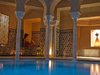
Hammam al Andalus
Housed in an excavated cellar, this Arabic-style hammam occupies a candlelit, beautifully restored space. Work your way through a series of hot and cold baths before settling in for the signature Kessa-glove scrub and massage combination treatment—a godsend when the sensory overload that is Madrid gets to be too much. The communal baths and tea room (the mint tea here is kind of legendary) are unisex, so you’re welcome to chill out in the company of your S.O. between treatments—so long as you keep to the strict no-talking rule.

Tracy Anderson Method
Goop staffers religiously sweat it out at Tracy Anderson’s Brentwood Studio—or at home via the streaming service— and the fitness guru has opened her first studio outside the United States. The newly renovated LaMarca building in Madrid’s Barrio de Justicia neighborhood is the TA Method’s latest home. Like Anderson’s other state-of-the-art studios, the Spanish iteration doesn’t skimp on the details and you’ll find the Iso-Kinetic bands, the Super G floor, and the signature humidity familiar to regulars as well as a tight edit of fitness apparel and accessories.

Adare Manor
Having recently undergone extensive renovation, this 1840s neo-Gothic hideaway—just thirty minutes from Shannon airport—sits on 842 acres of manicured gardens, lush rolling fields, and medieval ruins; it's reason alone to travel to Ireland's verdant southwest (although the dozens of nearby historical sites, lively pubs, and quaint villages don't hurt, either). Each individually designed room is palatial in size, decked out with authentic mahogany Georgian-era furniture, sumptuous fabrics, nineteenth-century artwork, and a roaring open fireplace to ward off the inevitable Irish chill. The generously sized marble bathrooms are finished in vintage wallpaper and include deep stand-alone tubs, many of which overlook the grounds. As far as dining goes, there are two solid options on the property, but the Oak Room is hard to beat. The elegantly appointed Drawing Room is the perfect spot for morning coffee or a pre-dinner aperitif by the fire, while the subterranean David Collins–designed, vault-ceilinged Tack Room is the spot for wine and whiskey connoisseurs (Guinness lovers, too) to retreat for a few drinks. Activity-wise, choose from golfing, fishing, archery, and horseback riding, alongside dozens of country hikes and cycle trails. The spa (stocked with 111SKIN) is a tranquil space to indulge and unwind after a long day, accompanied by the comforting scent of autumnal fig that pervades the entire property.

Belmond Hotel Monasterio
Even if you’re not in Cusco preparing for the journey up to Machu Picchu, this beautiful, cobbled city is well worth the visit. The Belmond Hotel Monasterio, a former monastery and now national monument—built in 1592 on the site of an Inca palace—turned luxury hotel brimming with character is, without question the most atmospherically beautiful spot to room in Cusco. The candlelit, cloistered courtyard is perfect for a pre-dinner pisco sour or morning coffee surrounded by trees. Be sure to wander into the restored Baroque chapel as you make your way to one of the hotel's two excellent restaurants nestled in the cloisters (Illariy is the Peruvian fine-dining option, while the more laid-back El Tupay hosts live opera a few nights a week). Besides visiting Machu Picchu, the hotel can arrange any number of activities, from white water rafting to cooking classes (Peru is a hotbed of culinary activity, after all). An additional draw is the live oxygen pumped into each room, a godsend for those adjusting to the altitude.

Blackberry Farm
Buttermilk biscuits with a view. Equal parts luxury hotel, world-class kitchen, and working farm, this 4,200 acre foodie resort in the foothills of the Great Smoky Mountains is a slice of heaven for those hungry for rest, relaxation, good music, and, of course, incredible Southern cooking. Check their calendar before booking for events that may be of interest like truffle hunts, photography workshops, wellness weekends, and featured celeb chefs like Joanne Weir and Daniel Boulud.

Black Tomato Tasting Tour
They say you get to know a culture best through its food. And no one knows food better than the chefs who make it. That’s the idea behind Tasting Notes—a bunch of high-end trips created by Black Tomato, in which you travel to Basque Country or Peru or the Lake District in England or any of a handful of places to eat, taste, and immerse yourself in that particular culinary world. The trips are incredibly luxurious, designed by chefs, and often offer access to the places and the kitchens that are closed to the public. Come curious, and come hungry.

Casa Maria Luigia
Massimo Bottura’s flagship restaurant Osteria Francescana has three Michelin stars, but Bottura is probably just as well known for saving the Parmigiano Reggiano industry after the catastrophic 2012 earthquake. Now he and his wife, Lara, have extended the Francescana experience into the Emilian countryside. Casa Maria Luigia has just opened and is the Call Me by Your Name dolce far niente escape we spend most of the year fantasizing about. A restored country home with tennis courts, a pool, expansive gardens, and of course—Francescana. Dinner takes place in the carriage house and includes a nine-course tasting menu of all the Osteria’s greatest hits. After this feast to end all feasts, simply cross the courtyard, climb the stairs, and tumble into queen-size bed surrounded by contemporary art from the Botturas’ own collection.

Castello di Vicarello
Though it offers incredible views of the Tuscan countryside and an excellent spa, the 12th-century castle-turned-hotel is really about food. The owner, Aurora Baccheschi Berti, is a world-class chef who specializes in Northern Italian cuisine (check out her cookbook here). In addition to whipping up a daily breakfast spread she holds cooking classes (fresh pasta making, for example) using organic ingredients grown right on property. There’s also a working vineyard and an olive grove where you can witness the harvests firsthand.
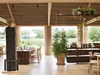
Noma
At this point—several documentaries, World’s Best Restaurant awards, and multiple cookbooks later—chef Rene Redzepi of Noma fame is a cult figure in the food world. Despite several residencies from Oaxaca to Tokyo and a new restaurant with greenhouses, a roof garden, and a fermentation lab, Redzepi is still steadfast in his dedication to the New Nordic. The culinary practice is resolute when it comes to seasonality and indigenous ingredients which, given Denmark’s frigid winters, is no small feat. The new Noma splits the year into three menus—game in autumn, seafood in the winter, and vegetables in the summer. A table in the farm-style, nearly all-glass space is one of the most impossible seats to snag anywhere in the world. A few tips: Plan months ahead. Consider the number of food-obsessed friends you might have who will get on an international flight to eat with you. And stay at the design-forward SP34 hotel. Then prepare to eat the most creative, delicious (and expensive) meal of your life—with wine pairings, of course.

Indagare Copenhagen Tour
The minute you set foot in Copenhagen and take a look around it’s obvious: The Danish know design. So it makes sense that the luxury travel company Indagare paired up with Architectural Digest to mastermind the perfect trip for the kind of people who know Eames is spelled with an E. The trip is six days long (September 16 to 21), and the itinerary includes touring the best design museums in Copenhagen as well as private design studios, visiting the archives of Georg Jensen, seeing the best of the city’s architecture by boat, staying at Hotel Sanders (one of the nicest in town), and did we mention the food? There’s room for only two dozen people, so get to it.

Mexico City
Casa Teo is an Airbnb that moonlights as a creative space for artists, chefs, and regular travelers. It’s also the latest culinary concept by chef Enrique Olvera of Mexico City’s legendary Pujol. This well-appointed, Scandinavian-style, two-bedroom apartment perched atop the former Pujol location in Mexico City’s achingly chic Polanco neighborhood, is a food lover’s dream. And as in many households, the action (and in this case, design focal point) centers around the kitchen—namely, a long communal kitchen table, where gorgeous breakfast spreads and elaborate evening tasting menus are prepared by an in-house chef. Prefer to go out? Who knows what kind of near-impossible dinner reservations the Casa Teo team might be able to snag for you.

Meadowood
If Napa is a pilgrimage for foodies and wine-lovers, then Meadowood in St. Helena—officially one of the world's best hotels—is most certainly the mecca. There's no better place to sleep off a day of wine tasting than in one of their cozy rooms by a roaring fire (unless you count the massage table at the seriously idyllic spa).

Thacher House
Hovering somewhere between a bed and breakfast and organic co-op farm, LA-transplant Calvin Zara’s refurbished four-bedroom Thacher house and its four private cabins is where you want to be for a fully-immersive, get away from it all experience (it accommodates no more than 20 guests at a time). If you stay here, be prepared to share the lush grounds with chickens and a family of goats, in addition to citrus and pomegranate trees and a garden. Needless to say, all the food served at the beautifully appointed dining room is sourced locally or from the Thacher House farm itself. Also on offer: classes in cooking, baking, olive-oil pressing, wine-making, and so much more.

Vik Chile
Tucked in the heart of Chilean wine country, Viña Vik is a hideaway just two hours south of Santiago. The ultra-modern design, which offers wholly uninterrupted views of your surroundings—amidst some 11,000 acres of unspoiled land—is reminiscent of Frank Gehry. Winemaking is the primary focus here, and the Vik family (which also has Estancia Vik and Playa Vik in Uruguay), but the organic garden, which cultivates more than 250 different varieties of fruits and vegetables (kale, mint, lavender, peaches, and avocados, among them) is equally notable. There's a dedicated culinary education program for guests around harvesting and cooking the produce. Come December, well-known Argentinean pastry chef Osvaldo Gross will host a series of classes for guests, too.

Botswana
Safaris have gotten a real makeover in recent years as travelers have become more discerning about the environment and welfare of the land, the animals, and the people who safeguard it . Chobe Game Lodge in elephant-rich Botswana is Ecotourism-certified by TKTKorganization, and despite being a five-star operation (Elizabeth Taylor and Richard Burton honeymooned here), sustainability and the delicacy of the ecosystem is taken very seriously. Accommodations are absolutely stunning—even standard rooms have private terraces overlooking the landscape with binoculars to spot the giraffes among the treetops, four-poster beds made up with local textiles, and deep tubs for late-night soaks. Emissions-free, electric game drives start early, when the lions, leopards, and crocodiles are still hunting (hot coffee and warm throws for your shoulders make these cooler sunrise drives extremely pleasant), while solar-powered boat safaris are best in the early evening when herds of elephants come to the river to drink. In between, head to the lodge with a book, cool off in the pool, or wander the gardens and get acquainted with the monkeys.

Haiti
Kin understands that seasoned travelers care about sustainability, cultural sensitivity, and offsetting their carbon footprint. Kin Travel’s trips (it offers itineraries in Kenya, Wyoming, Cape Cod, and Haiti) are varied and a tad unusual. The Haiti trip is maybe the most remarkable: It takes guests off the grid to the beaches along the northern coast reachable only by boat. Travelers sleep in a camp designed to soak up as much of the natural beauty as possible, hike to the UNESCO World Heritage Site of La Citadelle Lafferiere (a fortress from the 1800s), and take a boat to see reef restorations up close. This also comes alongside swimming, snoozing, and yoga, of course. Proceeds from trips go toward funding eco-sanitation throughout Haiti and community health in isolated villages, plus building access to education. Any carbon footprint generated is offset by Kin Travel with Terrapass.

Kenya
Laikipia, a county in central Kenya, is vast. Stretching across millions of acres between Mount Kenya and the northern deserts, it’s not necessarily a game park, but many ranchers have removed fencing and barriers to allow the wildlife to roam free. Reachable by plane—a small prop plane—this trip, led by Pelorus who excel in planning experiential expeditions is an educational one. Rather than spending days in a four-by-four, hoping to catch sight of the big five, you’ll bear witness to elite antipoaching operations and conservation efforts led by the people who live in Laikipia. From there you could fly down to Amboseli National Park in the shadows of Kilimanjaro, trek with the Maasai, and experience firsthand their efforts to safeguard the endangered elephant herds native to the region.

Mexico
Every spring hundreds of whale sharks swim to Mexico's Yucatán Peninsula to feed off the nutrient-rich plankton in the area. The site is incomprehensible: dozens of gently curved, grey, polka-dotted whale sharks, most the size of a school bus, churning up the clear blue water. It's a playground of gentle giants—and it's safe to join. Whale sharks aren't a threat to humans—only to plankton—which makes swimming with them not only safe but a truly transcendental experience. And because the species is facing extinction, it sadly may be a fleeting one. The Blue Sphere Foundation, a nonprofit that advocates for oceanic health and endangered marine life, hosts dive expeditions off Isla Mujeres: You can see the whale sharks from the boat or snorkel among them.

Southern Africa
&Beyond is an eco-tourism company that operates twenty-nine of the most luxurious safari camps in Africa. Since 2013, &Beyond has been involved in an ambitious attempt to save South Africa’s rhinos from extinction through poaching. In partnership with Rhino Force and Great Plains Conservation, the company has been translocating white rhinos from their South African game reserves to Botswana’s safer, relatively poacher-free Okavango Delta. &Beyond now offers visitors the opportunity to sponsor these translocations and witness the complexity—rhinos are carefully sedated and tagged to ensure their well-being before being transported to neighboring Botswana—of the operation. While the process of finding and tagging the rhinos can be extreme, accommodations on the Phinda Camp are incredibly luxurious, and the feeling of helping safeguard this vulnerable species for the next generation is something that stays with you forever.

Southeast Asia
Habitat for Humanity was among the first to make volunteer travel what it is today. And not only did Habitat make it viable; the company made the idea of using your vacation to bring good to the world a more attractive option than just: Get on a plane; land on an island. The ethos of the company is to provide housing for low-income families, and to do that, it relies on volunteers. The Global Village trips are relatively short—a week to ten days—and are available in dozens of countries all over the world—Paraguay, Zambia, Kenya, Cambodia, Mexico, and Nepal. Decide where you want to go, explain what skill sets you bring, and go make the world a better place. After one trip, you’ll almost certainly plan another.
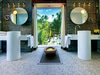
The Brando
Much like Marlon Brando fell in love with Tetiaroa while filming Mutiny on the Bounty (he purchased the land for him and his wife Tarita in 1967), guests are instantly charmed by the island’s coconut palm groves and white-sand beaches. To further his commitment to sustainability, Brando enlisted the help of hotelier Richard Bailey to build the world's first ever post-carbon resort. Though by no means cheap (the all-inclusive rates start at $2,700 per night) The Brando’s lengthy list of activities (snorkeling, kayaking, paddle boarding) and indoor/outdoor accommodations—complete with sleek decor, plunge pools, and outdoor bathtubs—mean the pricetag makes sense. The island’s restaurants serve dishes comprised of ingredients plucked from the resort’s own organic fruit orchard and veggie garden.

Collective Yellowstone
Beyond the high-tech camping fabrics and unglamorous tents, this is our pick for the most design-worthy camping site out there. Located about an hour west of the park’s boundaries, beneath Lone Peak, this collective of beautifully built canvas tents is roughing it at its best (and to say roughing it is a stretch). Each teepee-like tent is outfitted with chic, rustic furniture, a plush king-sized bed, and tribal decor. To make the entire camping experience pretty much labor-free, the full-service company schedules farm-to-table breakfasts and dinners cooked on site by a nearby chef.

Fogo Island Inn
The relationship between the Fogo Island Inn and the beautiful community and physical landscape in which it exists is pretty incredible. Conceived as a social enterprise to support the tiny, yet sturdy outport community on the island, it provides jobs, celebrates local cuisine, and donates all of its proceeds to community programming. The inn itself is a gorgeous, simple, modern building that juts out in juxtaposition to, yet somehow at harmony with, the rocky outcroppings of the landscape. For visitors, the quaint quality of the place inspires plenty of hand holding: In the summer and fall, you can hike the idyllic trails in search of wild berries and local wildlife, like caribou, foxes, puffins, and migrating whales—in the winter, you'll find ice fishing, picturesque snowfall, and plenty of cozy fires. The décor (not surprisingly, all of the furniture was built by the locals) is modern but cozy, with Scandinavian-feeling wooden shapes and warm, hand-made quilts. As you might expect, the views out of the wide, modern windows are nothing less than jaw-dropping.

GoldenEye
Born from the imagination of James Bond novelist Ian Fleming, GoldenEye is rooted in such cultural lore, it’s hard not to feel like you’re playing a part in a glamorous spy story. It was here Fleming penned all fourteen Bond books (the author’s home, the Fleming Villa, can be reserved separately), and this is also where Bond’s cinematic debut, Dr. No, was filmed. But if these cultural muses don’t inspire a trip, consider that the collection of villas was also constructed by an all-star cast. Chris Blackwell, the founder of Island Records, enlisted Ann Hodges, one of Jamaica’s most noted architects, to produce the property’s supremely comfortable accommodations, fitted with hardwood floors, outdoor showers, and lush, secluded gardens. Go for one of the six lagoon cottages, which were built to hover above the tranquil water and have private docks for midnight swims and morning paddleboarding. In the spare, octagonal bedrooms, louvred windows welcome natural sea breezes to replace air-conditioning.

Japan
A private, guided “slack-country” ski itinerary that’s tailored to you? That’s the Parom Camps calling card. One or two weeks, off-piste or touring—the choose-your-own-adventure vibe is exactly what Finnish transplant Inka Haapala’s epic ski-guiding company offers. The incredibly knowledgeable guides are powder chasers at heart; they go where the best snow goes—or, in Japan, where the Japow (that’s local for powder) dumps day in and day out. That means skipping out on the crowded resorts in search of that impossibly perfect, untouched terrain. Take over the lodge with your crew or tuck into one of the cozy cottages in the woods near some of the best backcountry in Niseko—Parom Camps will hook you up with lodging, transportation, and suggestions for where and how to après like a local. Which, if you’re doing it right, means soaking for hours in a traditional onsen (hot spring), slurping up the richest miso ramen Hokkaido has to offer, and washing it all down with a glass of Yamazaki whisky.
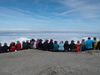
Kilimanjaro
For a beginner mountaineer, Kilimanjaro has many advantages. The mountain’s proximity to the equator makes for a tolerable climate (serious storms are rare). The 19,000-foot climb will take you through rain forest, tundra, and desert—and the crescendo is the snow-capped glacier above the clouds. Be prepared: Catching your breath becomes harder as the oxygen decreases and the air thins out; experts recommend a nine-day climb to adjust. The Machame route is the most scenic (admittedly with a few steep climbs), while the Lemosho route is the least traveled for those craving solitude and quiet. Abercrombie & Kent is an expert tour operator that caters to small groups only (no more than twelve) and climbing with one of its teams comes with helpful luxuries like chefs, porters, and guides who know the mountain better than anyone else. All you’ll need to carry is a backpack of essentials—lip balm, a camera, sunscreen, maybe some toilet paper—to summit Africa’s tallest peak.

Mongolia
Some trips are so far off the grid that just a little advance planning doesn’t quite cut it. Take Mongolia. Cazenove+Loyd are pros at crafting bespoke experiences in the far reaches of the world, and there is no team better equipped to get you acquainted with the Mongolian wilderness. You’ll set up camp and sleep in comfortably outfitted gers (traditional yurt-type structures) complete with memory-foam mattresses, wood-burning stoves, bathrooms, and exquisite, handmade Mongolian personal-care products. Getting up close with the Mongolian steppes means roughing it, but the mobility of the set-it-up-anywhere ger ensures a warm night’s sleep accentuated by spectacular vistas and the odd rustling bird. If you decide to venture into the wilds of the Gobi Desert, Three Camel Lodge has got you covered. The Cazenove+Loyd team will handle every detail, from saddling up the horses to procuring local delicacies, like mutton dumplings, for supper under the stars.

Ranch at Rock Creek
If you were to drum up an image in your mind of what an Old West homestead should look like, you’d probably conjure up The Ranch at Rock Creek. And for good reason, as it was one, dating back to its original function as a mining claim in the 1800s (nearby Philipsburg was home to a major silver boom). It was homesteaded in the early 1900s and has been a working cattle ranch since, though it now doubles as a luxury guest ranch—and it is really, really well done. Though it’s been tastefully rehabilitated, much of the main lodge is original, and the log homes and tent-style accommodations that dot the valley seem like they could have been from that era as well, thanks to period-appropriate (though cushy) fixtures, and an incredible body of photography, all sourced from the state archives in Helena (19th century boy with pet bear? Check.). It’s all-inclusive here, and you can pick from a range of activities every morning, so if your kid falls in love with a particular horse, he can ride that horse everyday. (As a nice extra, they accommodate more advanced riders, too, which means you can actually get out and run.) There’s fly fishing, paint ball, shooting, archery, an on-site spa, and a rodeo every Tuesday night—they can also arrange for rafting, helicopter trips to Glacier or Yellowstone, or heli-hiking into the back country (those cost extra). And the food? The food is the perfect balance between comfort ranch and modern healthy— and all as locally sourced as possible. There’s a weekly post-rodeo barbecue, an evening of cooking outside in Dutch Ovens (a neat culinary trick that the chef, Josh Drage, picked up from his grandmother), interesting spins like sweet potato sandwiches, and the occasional night of wine pairings and fancy food.

Strawberry Hill
This is another Chris Blackwell property (the other is GoldenEye), and as the founder of Island Records, Blackwell keeps the walls of these white wooden cottages lined with an array of historic rock-and-roll memorabilia. (This is the place Bob Marley chose as an escape when he faced threats to his life in the mid-1970s.) It feels like a secluded mountain village tucked high in the contours of Jamaica’s Blue Mountain Range, over 3,000 feet above sea level. The nineteenth-century Georgian architecture has a sophisticated, laid-back charm, matched by hand-dyed batik linens and four-poster beds with billowing drapes. And it’s almost a magical experience to stroll through the morning mist in the private gardens before breakfast. The hikes (led by expert staff members) give you a real sense of what the interior of the island is all about; afterward, unwind with an aloe wrap at the spa. But our favorite thing to do was to take in the views—every last heart-stopping one of them.

Singita Lebombo Lodge
Everything about this safari camp is achingly chic (to the extent that it's Michael Kors' favorite vacation destination), from the leather and canvas washed interiors, to the long pool. Of course, that's kind of just a side note to the fact that it's in the middle of South Africa's Kreuger National Park, meaning that you get to take your laps in the morning to the sound of giraffes tussling nearby. There are also incredible views of the N'wanetsi river. While they allow kids over 10, keep in mind that a safari isn't for those who don't want to wake up early in the morning (or hate being confined to a car for most of the day). Rates include two game drives per day, walking safaris, and all meals and drinks (there's a great wine cellar).

Tavarua
Tavarua is the island you see when you daydream about the South Pacific: sand as fine as confectioner’s sugar, a break that looks like the cover of a surfing magazine, and good god, so much blue. This tiny island in Fiji is home to one resort (which itself is home to a pool, hot tub, spa, fitness center, and Ping-Pong table), and caters to a very specific kind of traveler—the one who likes the quiet that you find at the edge of the world. Actually, it also caters to surfers, tennis players, and people who want to be in beautiful tropical places. We also love it because Tavarua puts a huge emphasis on sustainability, from a rain-catchment program to locally sourced food.

The Rockies
Nothing but you, a few friends, a family of elk, and a bald eagle. That—plus a lot of fresh air in a series of jaw-dropping locations—is the general idea of this trip. While MT Sobek offers excursions and hikes and adventure travel all over the world, not much can beat a view of the Rocky Mountains from 10,000 feet. You’ll hike up to a dozen miles a day and raft for about eleven miles—but this isn’t the kind of Outward Bound–style trip where you have to pitch your own tent and kill your own dinner. (You stay in a hotel every night.) After a week, you’ll come home a stronger, fitter, more well-adjusted human.

Zion Mountain Ranch
We have it on good authority that Zion Mountain Ranch is a total gem. Go here for canyoneering, night campfires, and horse back riding, as well as the incredible, life-changing landscapes and scenery. In fact, this National Register of Historic Places member is the only place to stay within the confines of Zion National Park. Top-notch restaurants and modern amenities are above and beyond what one might expect from such a remote location.

Ananda in the Himalayas
Eat, pray, and love your way to wellness at this palatial mountain estate in the foothills of the Indian Himalayas. For those curious about yoga, meditation, Vedanta, or Ayurveda, it's a magical wonderland where you can experience a variety of disciplines and learn from a range of philosophies every day. You'll be present to the history and tradition that surrounds you with every view of the Ganges, each meal prepared in accordance to the Dosha, and every walk through the palace grounds. You can read more about this magical place, here.

Rosewood Cape Kidnappers
This Rosewood-managed property is located in Hawke's Bay, deep in the heart of New Zealand's rich wine country—which, geographically speaking, looks as if one took the rolling hills of the Napa Valley and set them down on the edge of a dramatic seaside cliff. The internationally known golf course (which meanders its way along the aforesaid cliffs) is part of the draw here, but guests also spend their time exploring the 6,000 acres of pasture—The Farm is actually a working sheep and beef operation, and touring around by foot or on a four-wheeler, to see the full acreage and get a glimpse of the sheepdogs at work, is highly recommended. The architecture features worn wood panels on the inland side and glass, view-facing windows on the other, achieving a barn-like effect that's tempered by modern features like a sleek infinity pool. Interiors echo the modern farmhouse vibe, with cozy wooden fireplaces in every room, rustic beams crossing the vaulted ceilings, and curtains done in soft blue French ticking. The owners have two other properties in New Zealand (Matakauri, a lakeside retreat a short drive from Queenstown, and Kauri Cliffs, which has beach access in Mauri Bay), so if you're making the trek from the United States, it's worth hitting more than one over the course of the trip. P.S. Everyone's obsessed with the chocolate chip cookies from the kitchen here, for good reason.

COMO Shambhala Estate
With an emphasis on holistic wellness, this stunning retreat calls upon certified specialists in yoga, Pilates and qigong, to personalized mountain biking, hiking and circuit training guides. In the Estate's main kitchen, you can design your own three-course menu (go for an authentically Indonesian dish) to cook with chef. During your stay, you’ll likely live at Glow, an all-day restaurant/café serving pressed juice, organic salads, and fresh Mediterranean fish.

Chiva-Som
Three hours from Bangkok along a beachy stretch of coast, the Chiva-Som spa staff greets you with lemongrass tea, a cold towel, and a garland of jasmine and roses. You can relax here. This wellness retreat opened nearly 30 years ago, and it remains one of the world’s best.

Evryman
We’re not the only ones who get that making profound connections, spiritual growth, and emotional well-being are all things that modern men crave. We started goop Men. Lucas Krump started Evryman. This B Corp’s mission is simple: to help men connect. Connect to what? That’s where it gets a bit more complex. In connecting to the wilderness through intensive guided retreats and expeditions to spiritually charged places like Joshua Tree and Yellowstone, men forge deeper connections to themselves. There’s meditation, overcoming physical feats, sleeping outdoors, yoga, group work, and much more. Back home, by attending weekly groups, they develop bonds with peers to support and nourish and maintain their hard work in a totally destigmatized environment.

Kauri Cliffs
This is the perfect place to decamp with a group of friends: The spa is fantastic (treatments involve local and endemic ingredients), the food is even better, and the scene—the northern edge of New Zealand—couldn't really be more spectacular. A lot of golfers stay here, though there's plenty to do that doesn't involve a set of clubs: Horseback riding, surfing, fishing, and mountain biking are all easily accessible (though it's also the kind of resort where they make wishes into realities, so if there's something you're dying to do, just ask). And starting in November, you can book your own private four-bedroom enclave.
Miraval Arizona Resort & Spa
Tucked into the foothills of the Santa Catalina Mountains, Miraval Arizona is a one-stop shop for all things wellness. This 400-acre desert retreat is the kind of place you can go on a girls' getaway or a solo journey—and return home feeling totally reset. The guest rooms and villas have recently had their own reset, of sorts—the design weaves in the fabric of the surrounding Sonoran Desert with natural fibers, wood and stone textures, and big French doors that take full advantage of the views. In early 2018, Miraval is launching the Retreat—a collection of 22 residences equipped with indoor-outdoor showers, a private pool or spa—each designed for larger groups traveling together, or those seeking a bit more living space. The rugged, cacti-dotted terrain is the backdrop for a host of activities, including horseback riding, hiking, and botany-focused tours. The spa, with its army of healers, wellness practitioners, and massage therapists—is obviously the main draw. And all programs are fully customizable: Guests can begin their morning with reiki, try an aerial yoga session in the afternoon, and wind down with a hot stone massage in a temperature-controlled outdoor tent.

MovNat
They call him the “Tarzan” of today. But MovNat founder Erwan Le Corre’s real-life MO? Getting back to nature—specifically, helping people move instinctively in nature. You can think of his workshop as a next-level workout, except that it’s in the wild. Bouldering, scaling rocks, climbing trees, deep-sea swimming, lifting fallen logs—it’s the kind of stuff you can’t do or find even in the most tricked-out gym. His challenging weekend and weeklong retreats—held all around the globe in jungles, on beaches, near mountains—are for adventurers; designed to get you out of your comfort zone, back to nature, and back in your body.

Nantucket
This old whaling island off the coast of Cape Cod is where you go if you want time to slow down—but not necessarily stop altogether. A day can be as mellow or as active as you wish: Pick a beach to lie out on or pick up a SUP; wander aimlessly through the immaculate little streets on a self-guided architecture tour or wander into the Nantucket Historical Association to learn a thing or two. With eighty-two miles of coastline to wade through, countless secret beach dunes to climb, three authentic New England lighthouses to gawk at, and one goop MRKT to work your way through, there’s no risk of getting bored. For a home base, choices are limited (the island is small), but the ones that exist—like the White Elephant (a landmark property right in the center of the harbor), Greydon House (designed by Roman and Williams) and a sprinkling of idyllic bed-and-breakfasts—are all perfect in their own uniquely Nantucket ways.

Rancho La Puerta
Sitting on 3,000 acres of ancient sacred grounds at the foot of Mount Kuchumaa in Tecate, the ranch has been welcoming those seeking a head-to-toe reboot since the ‘40s. Unlike a hardcore medical spa, the focus of a basic seven-day retreat is on spiritual wellness and gentle de-stressing by way of diet (there’s an organic farm and a cooking school on site), rigorous physical activity, mindful meditation, and a slew of world-class treatments performed at one of three stunning organic spa complexes. For more intense healing, there’s acupuncture, chiropractic services, Craniosacral therapies, and more.

Thailand
Somewhere in the Gulf of Thailand, there are three islands called Koh Phangon, Koh Yao Yai, and Koh Chang. The three of them comprise Santhiya Resorts & Spas. And the natural beauty of the islands can’t be overstated—the perfect beaches, the perfect views, the perfect jungles. You’ll feel like you’re in an Alex Garland novel—only with sunrise yoga, farm-to-table meals, Ayurvana facials, and your own private villa overlooking maybe the entire ocean. The resort is an eco-luxe resort, which means that your bed may be made of reclaimed wood, but your sheets will have very high thread counts.

SHA Wellness Clinic
What sets this spa apart is its range: People come looking for help with sexual health, long-term cognitive ability, better skin—and somehow SHA does it all. SHA was established to put guests on the road to optimal well-being. The founder rebounded from chronic health problems after aligning diet, natural therapies, and contemporary medicine, and the marriage of all three remains part of SHA’s core philosophy.

The Joshi Clinic
Dr. Joshi's clinic is one of our first ports of (detox) call in London. In addition to colonics, Dr. Joshi also offers a pretty in-depth list of other wellness-centric services including personal training, massage, Endermologie, and his signature twenty-one-day nutritional plan, which are all designed to help detox. The clinic also offers a spectacular Moroccan riad retreat for the weary.

The Ranch Malibu
When you find yourself reaching for your iPhone to check emails in the middle of the night, it's time for The Ranch. This weeklong boot camp in Malibu encourages you to power down, let go of stress, and break less-than-healthy habits. Every day starts with several hours of hiking in the Santa Monica Mountains, and guests clock up to 60 miles a week. That has benefits for the body, yes. And if you’d like, the practitioners here will do a cholesterol check and body scan at the beginning of your program and again at the end. But all that physical exertion is mentally and emotionally cathartic, too.
Saturday, Sorted: 3 Galleries by Yuko Mohri and a Samurai Negroni by Watr Rooftop

5 Thought-Provoking Novels to Discuss and Debate This Fall
These novels are guaranteed to give you and your friends something to talk about.

48 Hours in San Diego
Here’s how to spend the perfect weekend in this laid-back coastal destination—home to goop’s kitchen’s first dine-in location in Del Mar.



48 Hours in Istanbul
History, incredible food, fantastic shopping, and centuries-old bathhouse culture make Istanbul a must-visit. Here’s how to make the most of a few days in this endlessly fascinating city.

Tierras Villas in Crete Isn’t Quite a Hotel—and That’s the Point
Five private villas with infinity pools and wide-open Aegean views offer the privacy of a house with the ease of a hotel—the latest chapter in a Cretan family story that began more than three decades ago.



10 Must-See Art Exhibitions to Fill Your Fall Itinerary
Take in out-of-this world large-scale installations in Tokyo and one of the year’s most anticipated shows in London—where Edward Enniful explores the art, photography, and fashion of the ‘90s.

How I Stopped Trying So Hard to Win Over My Teen
One mother shares how a weekend in Coronado, a failed concert, and a little unplanned downtime helped her reconnect with her teenage daughter.


5 Smart Novels to Pack When You Want More Than a Beach Read
Five emotionally rich literary beach reads from Maggie O’Farrell, Kathryn Stockett, Elizabeth Strout, Andrew Sean Greer, and Ann Patchett.

The Garden Spell of San Ysidro Ranch
In Montecito, a storied hideaway of vine-covered cottages, fragrant gardens, candlelit dinners, and rare privacy proves that the greatest luxury may be being left alone.


.png)
The Historic French Spa Town Where You Can Still Take the Waters
Where to stay, eat, and explore in Évian-les-Bains on the shore of Lake Geneva.
.png)
Where Nancy Silverton Actually Eats in Los Angeles
From old-school institutions to under-the-radar gems, the legendary chef shares her go-to restaurants, markets, and specialty food destinations.