Sinatra
why we love it
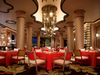
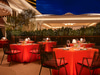
There is no shortage of incredible Italian food in Beantown, which makes trekking ten minutes outside the city for eggplant Parmesan a hard sell. But Sinatra is worth it. It’s located in the sparkling new Encore, the sister location of the Vegas-based hotel and casino, which boasts an exquisite spa. The interiors are extravagant—crimson tablecloths, brass chandeliers, life-size drawings of Frank himself—but they make the night unforgettable. Because that’s the thing: You come here to celebrate something. (And when you have several hours to spend on dinner.) Start with the crema de cannellini with fresh lobster, the octopus and salty fried capers, and the arancini finished with truffle oil. Take a minute to sip your glass of Cabernet and listen to “My Way” playing in the background. Then go in for the Parmesan with fresh pomodoro and the spicy cioppino with fresh New England scallops, clams, and lobster. If you have room—and even if you don’t—the chocolate mousse with berries is a perfect ending.
Originally featured in The Boston Guide
Restaurants
$$$
- Good For Groups
- Takes Reservations
XV Beacon Hotel
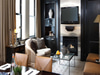
When a hotel is as beautiful as the XV Beacon and the history is as storied and the restaurant is as wonderful, you wouldn’t predict that the real reason to stay here is none of the above. If there is one thing that puts this hotel a few clicks ahead of the others it’s the staff in general and the concierges in particular. This is a team that is thoughtful and competent and—a word not often associated with concierges—kind. Ask them for help with anything and they will deliver—and then they’ll go about three steps beyond. The XV Beacon’s other stock in trade is the building. A stunning, Beaux-Arts mansion originally owned by a well-to-do merchant, the building dates back to the 18th century and has also played home to the Boston Transit Commission and School Committee during its life. Since 1999, the XV Beacon has been working as a 63-room boutique hotel that puts a premium on cozy with fireplaces and soft cashmere throws and Frette sheets in the guestrooms. For those traveling with a pack, you’re in good hands: pets are welcome, kids are greeted with cookies and milk (and get their own miniature bathrobes), and the hotel’s restaurant is a topnotch steakhouse called Mooo, which we highly recommend for room service, too.
The Ritz-Carlton
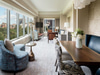
When you check in, you can choose rooms looking out on the cityscape or on the historic and verdant Boston Common. Go with the latter. If you go in the fall, you’ll wake up to sweeping views of the changing leaves in America’s oldest public park. It’s pretty unbeatable. The hotel is attached to an Equinox gym, and guests are welcome to use the facilities as well as the spa (where therapists are particularly good at sports massages). Aside from the sumptuously comfortable interiors and amenities, the real draw here is the hotel’s walkability factor. You’re only a few steps away from the boutiques of Newbury Street and the charming cobblestoned roads of Beacon Hill, home to many of the city's best restaurants. If you’re traveling with littles in tow, the toy-laden red wagon in the lobby means you don’t have to bring half the playroom on your trip, and Boston Common makes a great playground.
Four Seasons Hotel Boston
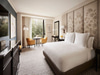
The recently renovated Four Seasons in Boston’s Back Bay has made comfortable bedding into an art form (they designed their own mattresses, for starters). Silky-smooth Frette sheets and double-glazed, practically soundproof windows contribute to transforming the beautifully outfitted guest rooms into sleep sanctuaries. A stroll around the Boston Public Garden’s lake is a gorgeous way to start the day (the hotel's bright, twenty-four-hour gym is another) before hitting the sights, most of which are walkable. The hotel's restaurant, the Bristol, excels at traditional New England eats served in an elegant, wood-paneled dining room. Tuck into the king crab tortellini—it’s every bit as good as it sounds.

Kimpton Nine Zero Hotel
Since opening nearly two decades ago, Hotel Nine Zero has been a destination for travelers looking for an understated, elegant stay in a central location. The accommodations have always been top-notch—excellent service, city-wide views—but its recent overhaul has upped its appeal. The newly renovated rooms read more like a cozy study in a historic house: Each space is outfitted with classic-meets-industrial American décor, including authentic Eames lounge chairs, tufted leather headboards, brass lighting, and Beat literature art. Bikes are available to rent, which is a gem given the Common is across the street. There's a restaurant in-house, but with the hotel's proximity to some of the best in the city, it's best to venture out to nearby Newbury Street or Beacon Hill to dine.

The Revolution
One of Boston’s many charms is its history, evidenced by Symphony Hall, the Freedom Trail, and its other venerable landmarks. Another charm is the city’s willingness to embrace—and encourage—the new. This is evident in the Revolution, a new hotel in Boston’s South End that marries history with a progressive approach to hospitality. Let’s start with the space: A brooding midcentury building, it was once home to the local YWCA. The interiors have been completely transformed into a bright, artistic space, and the lobby features a colossal spray-painted mural by a local street artist. The hotel exudes a global hipster feel reminiscent of east Berlin. The rooms are small, efficient, and very impressive. Every inch of space is accounted for, from the smart placement of the cushy beds to the exposed closets. While some rooms contain a shower and bath, most require that you use a shared bathroom down the hall. (The bathrooms are sparkling clean and give you privacy.) And that brings us to the hospitality: The Revolution is all about inclusivity. The accommodations offer an affordable stay in a very expensive city. Every inch encourages engagement, including the brilliant common work area in the basement. And we’d be remiss not to say it’s located a few minutes’ walk from some of Boston’s best restaurants and bars.
The Liberty Hotel
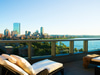
Originally built as a jail in 1851, the Liberty Hotel is one of Boston’s architectural landmarks, thanks to the fact that the dramatic space was reimagined by a team of designers and architects who collaborated closely with both historians and conservationists. So despite its transformation in the 2000s, much of the building remains unchanged, which sounds off-putting, but in person, the effect actually feels strangely magnificent. The center of the hotel is a soaring ninety-foot atrium, light spills into all the interiors, and the hotel affords stunning city and Charles River views. The wrought-iron windows are still there, the catwalks are now elegant black iron-railed balconies, and the exercise yard is a garden courtyard. In sum: pretty cool, full of luxe amenities, and thrilling for kids.
Seaport Hotel
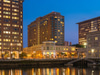
An excellent harbor hotel, the Seaport checks a lot of the amenity boxes (including great views), and it also has a cool sustainability mission. Guest rooms are light-filled and contemporary with bright comforters and armchairs from which you can take in the views from the nearly floor-to-ceiling windows. The in-room coffee makers and sumptuously comfortable bathrobes make breakfast in bed tempting. It's a pleasure to take advantage of the complimentary bikes and pedal around the city. An added bonus is the Seaport's pet-friendly stance, should you be traveling with your fur babies in tow.
Boston Harbor Hotel
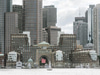
Right on the water in scenic Rowes Wharf, this hotel manages to give a subtle nod to Boston’s colonial past by way of décor—heavy, dark wood, a billowing American flag in the lobby, and windows overlooking the harbor in practically every room. Guest rooms are traditional and comfortable, with blue accents underscoring the hotel’s proximity to the sea. Even the rooms that don’t overlook the harbor have a great view (of the city skyline), and the deep tubs are a welcome relief after long days of historical sightseeing. Summer is the season to visit, as the location is right by the Rose Kennedy Greenway, a lush green space with flower gardens and water fixtures perfect for an early beat-the-summer-heat run, and the hotel hosts live music and movie screenings on its deck. Conveniently, guests have the option to avoid the traffic and take a scenic water taxi to the hotel’s marina from Logan airport.
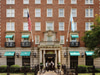
Elliot Hotel
The Elliot is a hotel that feels like a luxurious bed and breakfast—it’s cozy, small, and full of the considered details and homey décor choices. The beds are piled high with soft sheets, down pillows, and brocade comforters. In what feels very Belle Epoque, the drapes, bed skirts, and decorative pillowcases all share the same pattern, the lighting is soft, and the coffee tables are piled high with art books. The hotel's restaurant, Uni—run by James Beard Award winner Ken Oringer—specializes in sushi, favoring fish from both the New England waters and Tokyo’s famous Tsukiji fish market (the largest and, arguably, best fish market in the world). There’s no gym, but you can run along the nearby river or take advantage of the complimentary passes to the Boston Sports club.
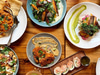
Banyan Bar & Refuge
Dim sum, avocado bao, spicy salmon poke, chicken tikka masala, dragon noodles, and kimchi fried rice—the number of dishes we like to order at this Asian-influenced restaurant seems to grow with every visit. The wine list is as enticing and interesting as the menu, and the dining room is so pretty and inviting, we like to linger here when a late lunch bleeds into an early dinner. Luckily, the kids’ menu—fried rice, ramen noodles, French fries, and other crowd-pleasers—is so successful, our little ones are just as happy as we are to settle in for the evening.
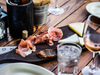
Barcelona Wine Bar
Barcelona is a convivial, lively wine and tapas bar in trendy South End, an area that's also home to the long-established Toro. But clearly the neighborhood’s appetite for Spanish food has spiked—both spots are perpetually full. There are a few other Barcelonas, and all are good, but here, it’s the atmosphere as much as the food that keeps guests planted in the wooden seats well past bedtime. Given that Spanish food is designed to be shared, going with hungry friends—and therefore an excuse to order half the menu—is entirely sensible. A heavy, steaming pan of saffron-flecked paella is made for many spoons, while garlicky gambas (prawns) al ajillo, boquerones (anchovies) slick with oil, and a platter of jamón sit firmly in the dig-in-with-your fingers category. Linger at the table with a last glass of sweet sherry, and mop up every remaining morsel with hunks of crusty bread.
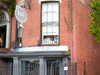
B&G Oysters
Chef Barbara Lynch has her hometown all figured out. She knows what the Bostonians want: oysters, at least twelve varieties with nearly as many fixings, served in the cozy basement of a classic brownstone, with chatty servers to talk booze and bivalves with. In fact, B & E Oyster moonlights as one of the South End’s most famous wine bars—the seventy-bottle-strong list is that good. Really. We recommend forgoing the Tabasco and dousing your oysters in the restaurant’s prosecco-based mignonette instead. Oh, and book in for a shucking class with the pros—usually held on weekday afternoons, champagne included.
Carmen
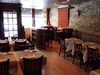
North End is a fun destination for dinner, specifically for Italian food, where your best bet is Carmen Trattoria, which has a lovely, low-key, exposed-brick dining room. It’s a good idea to call ahead for a reservation. If you can, save room and walk to legendary Mike’s Pastry after dinner. The cannolis get all the attention, but the lobster tails are really where it’s at. (Side note: Another popular spot for old-school Italian in Boston is Giacomo’s, which has a location in the North End, as well as one in South End, and a third outside of the city.)
Craigie on Main
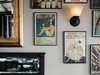
Craigie on Main is one of those old-world restaurants where you order a cocktail at the bar before dinner, where the the food is coursed (not a small plate to share in sight), and where you do not steal glances at your phone. A farm-to-table, sort of French but mostly New American interpretation of a bistro, this place leans into the trappings of an old-school classic: starched white tablecloths, redbrick walls, and wood-shuttered windows. The menu is packed with comforting mainstays. Sweet, licorice-y fennel cuts through the richness of Craigie’s olive-oil-poached salmon, and the slow-cooked, thoroughly indulgent Vermont pork belly is a meal made for cold Boston winters. Either way, a side of white corn grits infused with peppery Pecorino is essential.
Island Creek Oyster House
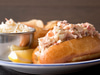
In a city of oysters, these are different. Rather than advertising wild-caught, Oyster Creek is ahead on the sustainability curve—they source their mollusks from small farms specializing in aquaculture. The restaurant started as an extension of Island Creek Oyster farm, which has been pioneering ocean-friendly aquaculture since 1992, and these special oysters are the pride of the menu. The fish selection changes daily, depending on what comes in on the boats, and the “from the land” section covers the comfort-food bases with a cheesy ramp rigatoni (dusted in toasty, citrusy breadcrumbs), skirt steak, roast chicken, and an all-American burger. The restaurant is a pleasant spot to spend an evening—high tables and chairs, blonde wood everywhere, and an especially well-stocked bar.
Juliet
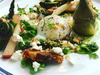
There are a couple of ways to approach a meal at Juliet: You could make a reservation for the prix-fixe menu, or you could chance it, stroll in, and the à la carte menu is all yours. This level of what can only be described as pageantry is entirely worth it for the French-tinged food—runny omelettes flecked with breadcrumbs, or a Bostonian salade Niçoise (marinated mussels instead of tuna), which, when made with premium ingredients, is one of the most satisfyingly healthy meals to eat. For the planners who booked tables, the set menus change all the time and are based around regional cuisines—the Juliet interpretation of the dishes of the Basque coast, for example—keeping it fresh for the regulars.
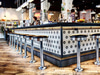
Mamaleh's
"Mamaleh," a Yiddish term of endearment for a child, sums up how this deli makes you feel–cherished, maybe a little bit spoiled, and certainly well fed. Deli classics are served up in this roomy, diner-style space, most lovingly prepared the old-school way (the pastrami is spiced, cured, and smoked for days), some dishes with a little modern flair thrown in. The bagels and the bialys are all made in-house—ready to be slathered in herby cream cheese and every variety of smoked fish. The blintzes, oozing with not-too-sweet raspberry preserves, are heaven-sent and especially good with an egg cream (syrup, seltzer, and root beer).
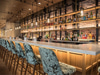
Les Sablons
Les Sablons may be the prettiest dining room in Boston, set within the narrow confines of an old railway conductor’s building from 1912, in Harvard Square. Start with cocktail at the bar and enjoy the elegant brick and marble interior before sliding into a mustard-yellow booth for three courses of French cuisine. Seared scallops with white asparagus and a lemony parsnip purée or a retro brioche-crusted cod makes an excellent main course. If you’re looking for something less formal but equally tasty, head downstairs to the oyster bar. Given that this is the same team behind Row 34 and Island Creek Oyster Bar, it's unsurprising that the place is a hit. Some advice: If you’ve reached peak oyster consumption, the equally briny Spanish sardines on crackers with whipped goat's butter (a little sour), radishes, and sea salt are a great alternative.
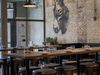
Little Donkey
We always wonder what chefs really eat when they’re off the clock. Little Donkey is one restaurant to address this question. James Beard Award winners Ken Oringer and Jamie Bissonette have created a menu of food they eat at home (or dishes inspired by their travels). The result is a series of international, tapas-style small plates not wed to one culture or cuisine. This mishmash includes charred avocado with sharp yogurt and sweet-and-sour pomegranate molasses, manti (a kind of Turkish ravioli that resemble little pinched parcels) stuffed with meats and dolloped with garlicky crème fraîche, and biryani (a South Asian spiced curry-and-rice mix layered in a pot and baked for celebrations). For those craving good old American comfort, order the fried chicken sandwich. The menu could easily be classified as a roundup of the world’s culinary greatest hits. If you’re curious about the name, consider that donkeys are beloved, hardworking, and reliable—not unlike the owners themselves.
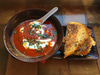
Myers + Chang
South End has come into its own, and local restaurateurs are racing to set up shop. Myers + Chang (operated by a husband-and-wife team) was one of the first in. It’s like a South Asian diner with great street food. And don’t be fooled by the casual, graffiti-laden setting. The food is incredible. The menu is laid out by dietary restriction—nut-free dinner, gluten-free dinner, shellfish-free dinner—to address how many of us eat today. It can be tough to eat in Boston without pasta or fish taking center stage, but the vegetable dishes at Myers + Chang put to rest the notion that meals need animal meat (although the chicken wings and pork belly buns are heaven). Try the red-miso-glazed carrots or any of the noodle dishes. Spice- and herb-soaked vegetables sautéed in a piping hot pan and twirled with noodles is possibly the perfect meal. And the dim sum brunch on weekends is a welcome change of pace from eggs and bacon.
Neptune Oyster
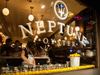
Admittedly, the line out the door can be a turnoff—but then again, there’s a line for a reason. It moves fast, and these bivalves are worth the wait. Watching the servers shuck hundreds of oysters behind the bar is almost (but not quite) as enjoyable as knocking back a dozen of these briny creatures with generous dollops of mignonette and a crisp glass of sparkling wine. The rest of the menu lives up to the hype—the fish entrées are especially good. The less sophisticated but no less delicious johnnycake—an airy cornmeal pancake soaked in sweet honey butter and topped with sturgeon caviar—is childhood indulgence and grown-up tastes combined; order one for the table.
No. 9 Park
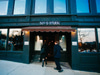
If you’re going to blow it out for one meal in Boston, No. 9 Park is the place for it. The jewel in restaurateur Barbara Lynch’s crown, this fine-dining spot is worth the long wait and the many pennies. The restaurant is tucked inside a townhouse, and the food is refined but not fussy. Lynch sticks to Italian cuisine, using traditional American ingredients and giving a generous nod to her East Coast roots. Spring pea agnolotti with crisp fried artichoke, Berkshire pork with fiddleheads (the fronds that can be foraged only in the spring), we could go on. If you don’t want a full sit-down supper, the bar menu is the best in town. The seared hanger steak is so tender, you could almost eat it with a spoon, perfect with a robust glass of wine. Each staff member is trained by the in-house sommelier Cat Silirie, and given the length and breadth of the wine menu–full of old-world labels and a selection of interesting new-world American wines–diners will probably have a few questions. Just leave room for the cheese course. It’s too good to pass up (we recommend it with a glass of port).
Oleana
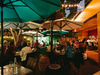
It goes something like this: An American chef lands in Turkey and is seduced by the vibrant spices, the assertive flavors, the sheer freshness of the food. And that was enough to convince her. Ana Sortun decided to carry the exotic flavors of the Middle East 6,000 miles west. And Bostonians cannot get enough. The food is bright and refreshing—herbs and spices and salt stirred into strained yogurt dolloped on practically everything. Much of the produce is grown on Sortun’s farm by her farmer husband (Chris). When a dish is called farm-to-table here, it is. Bread is the cornerstone of Arabian meals, and the pita here does not disappoint. It's toasty and chewy and served with sweet-sticky pomegranate molasses and nigella seeds—get a few servings and dip the crunchy corners into the smoky eggplant and spiced lamb you’ll inevitably order. There are no bad choices here.
O Ya
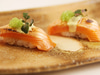
A long, narrow, galley enclosed by brick walls sounds a little...bare-bones. But the smooth walnut counters and softly muted lighting give O Ya, a former firehouse, a seductive, intimate vibe. Come with a friend or lover and ask for a seat at the counter. Chef and owner Tim Cushman is one of those multihyphenate creative types: a music graduate turned chef who spent years in Europe and Asia before opening a Japanese-style restaurant in Boston. The menu is not strictly traditional—the sushi, sashimi, and sides are certainly rooted in the Japanese tradition but are finished with Cushman’s gone-rogue flair. The menu is divided into nigiri, sashimi, truffles and eggs, and other unexpected pairings to give an idea of the breadth. For a taste of (almost) everything, order the seventeen-course omakase menu. For a more considered meal, choose a few plates off the à la carte menu and be sure to include the legs and eggs (teeny, meaty lobster legs dotted with white sturgeon caviar) and the completely unexpected (in a Japanese restaurant anyway) tea-brined pork ribs caramelized with hot sesame oil and sweet honey.
Saltie Girl
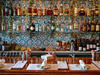
Owner Kathy Sidell spent her childhood sailing with her father and fell in love with the feeling of salt on her face after a day at sea. And while New England is synonymous with seafood, Saltie Girl pushes the boundaries far beyond oysters and clams. Saltie Girl’s claim to fame is the largest tinned seafood collection in New England. We’re talking Siberian Osetra caviar, Pacific salmon roe, tinned Spanish anchovies, Portuguese sardines...the list goes on. Be brave and order something out of your comfort zone—you won’t be disappointed. If it's comfort you’re after, the fried lobster on a waffle soaked with sweet corn butter is the way to go. The interior is a further nod to Sidell’s love of the ocean. The walls are bright turquoise, the bar is set off in blue tile, and the wooden booths make you feel like you’re eating on a boat.
Sarma
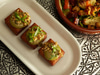
The Turkish word "sarma" has many meanings. It translates to: something wrapped, rolled, enveloped, a bite-sized morsel...you get the idea. Chef Cassie Piuma has modeled her dishes (many of which are, well, enveloped in flaky pastry or wrapped in grape leaves) on meyhane, the bar bites you would eat in a tavern if you were in Istanbul. Sarma’s parsnip fritters with crushed nuts are perfect—and even more perfect with a cold beer. The beef jerky in a sticky, syrupy date molasses pairs well with wine. And every bite of the mezze (Middle Eastern tapas) brings a different flavor and texture—some hot, some cold, some just wildly and excitingly foreign. Bright Turkish plates adorn the walls, while seats are upholstered in multihued traditional fabrics imbuing the space with a casual, celebratory atmosphere. Even the drinks—full of flavors like orange blossom, rose water, and oh so much mint—are a nod to the Arabian Peninsula.
Sportello
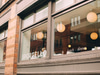
If a traditional trattoria got together with a modern diner, the result would look a lot like Sportello. Prolific Boston restaurateur Barbara Lynch somehow always gets it just right and delivers something unexpected. Case in point: Italian trattoria-style food—in a sleek, all-white, decidedly modern, light-soaked space. Pasta, polenta, slow-braised meats, and hearty soups are the backbone of the Sportello menu. The capellacci dei briganti—braised lamb, green garlic, and salty ricotta salata stuffed into nettle pasta shaped like the tall hats (capellacci) worn by nineteenth-century brigands (briganti)–is the kind of rustic, rooted-in-history dish that Bostonians come here for. The wine list is just as curated as the food, with smaller artisanal Italian producers dominating.

Stir
Stir—a dreamy all-in-one demo kitchen and cookbook store—is the kind of place you pile into with a group on a chilly Wednesday night to learn pasta-rolling and wine-swilling from the masters. A bunch of stools surround the chef’s island, bordered on one side by the open kitchen and on the other by floor-to-ceiling shelves lined with culinary tomes from kitchen gods around the world. Browsing is encouraged. If you’re more the hates-to-cook-loves-to-eat kind, Stir regularly holds tasting menu evenings where you might go with old friends or alone to make new ones. Either way, everyone sits around the intimate table, sharing food and conversation in a setting so cozy, it feels like home.
The Gallows
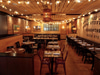
The Gallows is a gastropub done right. The menu is inventive and crowd-pleasing (Caprese Fritters, Out of Control Poutine, etc.), and the mixology game is strong: Order the Skin & Bones. Don’t ask what’s in it—just trust. Come hungry, come with friends, and plan to stay a while. The place is creepy, but fun creepy: Dismembered plaster hands dangle above the bar; one wall of the dining room is a giant Ouija board. Anywhere else this could feel gimmicky, but one bite of the crispy Brussels sprouts with blue cheese crumble and you’ll forget you’re in the Gallows.
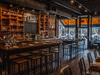
Toro
While Boston isn’t known for its tapas scene (though there is more than one option in the South End), Toro serves truly good Barcelona-style dishes using locally sourced ingredients. A collaboration between noteworthy Boston chefs Ken Oringer and Jamie Bissonnette, Toro is open for dinner every night (no reservations), weekday lunches, and Sunday brunch. Big on sustainability, the restaurant composts all biodegradable waste, makes its takeout products from renewable or biodegradable materials, and serves organic, biodynamic wines and spirits.
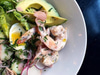
Row 34
Whether you're dining in or grabbing an order to go, this Fort Point spot is unapologetically pro oysters and beer. However, we’d be remiss not to mention that the menu does take into account that we can’t all live on mollusks alone. The eye-wateringly hot fried chicken and bacon burger (with fried oysters, if you must) are stellar options, too. The beer menu is one of the best in town and the high-ceilinged, unpretentious industrial room is casual enough to never make diners feel rushed. Spend a slow afternoon working through the chowders, the Old Bay–spiced onion rings, the buttery lobster rolls, and, of course, a dozen or so Massachusetts oysters with a full sampling of craft beers on the side.
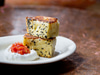
Sofra Bakery and Cafe
Should you be lucky enough to find yourself in the charming, redbrick suburb that is Cambridge on a Sunday morning, Sofra is your place for brunch—even if you’re not a brunch person. With not a piece of maple-glazed bacon in sight, this is Middle Eastern cuisine that transforms breakfast into the most exciting meal of the day. Diners go wild for the shakshuka (eggs baked in a harissa-heavy tomato sauce), but we would argue for the Turkish-style breakfast (a plate of boiled eggs, cucumber and tomato salad, thick yogurt, and hunks of feta). The space looks like a cozy cabin and operates as a café-meets-general-store. The beautifully packaged herb and spice blends and a box of orange-and-rose-scented pastries make great gifts. The divine cardamom and orange blossom buns will make you rethink your feelings on cinnamon and sugar. The same goes for the coffee: The Turks like it dense and unapologetically strong.
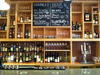
Spoke Wine Bar
Sometimes we patronize a bar just as much for the owner as we do for the drinks. Felisha “Flea” Foster was one of those beloved neighborhood figures, synonymous with her bar, Spoke, which had to close last year. But a former bartender has stepped in and rescued the place, staying true to Spoke’s down-to-earth Bostonian vibe and stringently curated biodynamic and small-producer-led wine list. The room is long and narrow, with a bar countertop that resembles speckled duck eggs, the odd geometric print brightening up the bricks, and specials scrawled in marker on the mirror-paneled walls. It’s a space to linger in, to decide that actually, you do need a bowl of smoked butter bean dip and fried oysters with parsnip mayo to soak up all the wine.
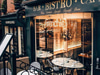
Frenchie Wine Bistro
Modeled after those wine bars tucked into alleyways or down flights of stairs in Paris, Frenchie’s is where you go to for, well...French food. The white-painted brick walls, soft grey seating, marble floors, and elegant stucco cornicing make for a seriously elegant setting. Platters are heaped high with cheese and charcuterie, but no meal is complete without an escargot toast or the perfectly executed omelette with a soothing glass of Pouilly-Fuissé. As the night grows darker and the winters colder, mop up the last few drops of French onion soup with crusty corners of bread and wash it down with a glass of Bordeaux. Come Saturday, a frothy café au lait and croque madame is an epic way to kick off the weekend.
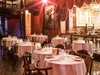
The Beehive
Beehive is the kind of place you’re more likely to find in New Orleans than Boston—a haven for live jazz and good cocktails. Think of it as an ode to bohemia. Full of random curiosities, the bar attracts top-notch bartenders who enjoy the challenge of crafting off-the-menu drinks for patrons. The nibbles are tasty, but you really come here for the music and the scene. The interior is a riot of lights, colored drapes, and old brick walls that make for surprisingly good acoustics. Take a detour on the way home from dinner and meander in for a nightcap and to catch the final set.
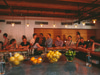
Drink
Barbara Lynch, the long-reigning queen of the Boston culinary landscape, has, with Drink, entered the competitive world of craft cocktails. And she hit it out of the park. Every detail has been considered here. It’s common knowledge that the bar seats are always the best seats, and thus the entire room is framed by the bar, with dozens of bar seats up for grabs. Trying to decide what to drink from a menu is a good way to kill a conversation, so at Drink there are no menus. Instead, the mixologists will create something entirely custom, based on what you’re feeling—or they will simply mix up a perfect Negroni if that’s your standing order. Given that this is a Barbara Lynch spot, expect the snacks to be top-notch—the humble grilled cheese is dressed up with confit garlic, while the apple pie empanadas are filled with just the right amount of caramel.
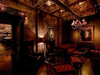
Yvonne's
Located in the same building that was once Locke-Ober (one of Boston’s oldest restaurants dating to the 1870s), Yvonne's is a supper club and whiskey bar with the most glamorous, over-the-top opulent decor in the city. The walls are done in dark Dominican mahogany and jewel-toned wallpaper, the bar—a long marble slab—is tricked out in crystal, brass, and gold accessories, decadent chandeliers hanging from the ceilings. The menu has a Mediterranean bent with giant bean hummus, chicken & quinoa meatballs, and crispy tuna. Reservations are necessary, but the pro move is to come for a nightcap on a weeknight, when the crowds are thin, leaving more room to sip a whiskey at the bar or in the library room.
The Field
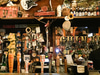
The sheer volume of Irish-Americans in Boston means one very distinct thing: This city has great pubs. And the Field leads the pack. The bloodred exterior, the heavy wood everything, even the particular font of the storefront feels more Mullingar than Massachusetts. Inside, the bar is full of Irish jerseys and Celtic paraphernalia could have been plucked from a west Ireland town corner (and may have been). Fundamentally, pubs are social spaces that center around conversation, expertly poured pints, and a good time–all of which the Field has in spades. The bartenders know the right way to pour a Guinness (and yes, there is a right way: It has to settle a minute). The selection of whiskey is top-notch, and the dartboard sparks both fierce competition and convivial banter that will keep out you longer than you planned. Photo courtesy of Kusaka.

Dress Boston
On picturesque Charles Street in Boston’s Beacon Hill, Dress is the boutique for the pieces we never knew we wanted. All the bases are covered with clothing, outerwear, shoes, accessories, fragrance, and jewelry. Dress champions smaller, more niche designers, with significant square footage allotted to Americans brands, like Clare V, Nili Lotan, and Janessa Leone. The store itself is a serene space to shop, with extra-roomy dressing rooms we wish every store had.

Serenella
Serenalla has occupied this elegant townhouse in Boston’s Back Bay for over thirty-seven years and is a testament to the locals’ love of a neighborhood standby. Stocking the likes of Bottega Veneta, Erdem, and Gucci, as well as harder-to-find brands like Vilshenko and Marlo Laz, the store is a pleasure to browse in. Serenella is easy to navigate and the staff could not be more helpful (or knowledgeable). The store often hosts trunk shows with international designers. You’ll find sister stores in Palm Beach and Nantucket.

Follain
In Irish, “follain” means wholesome, and this word is certainly an apt descriptor for Tara Foley’s beauty emporium. The legal professional turned clean-beauty entrepreneur has turned her frustrations—the dearth of nontoxic beauty products—into a brick-and-mortar business in Boston and seasonal pop-ups all over. The store itself, with its rustic farmhouse vibe, is the kind of place you instantly feel comfortable. Bright and beautifully merchandized with white subway-tile walls, deep sinks stacked with cotton towels for trying and washing off products, and shelves lined with plants and products by the likes of goop-approved Tata Harper, May Lindstrom, Pai, and True Botanicals to name a few of the over fifty lines Follain stocks. More often than not, Foley herself is on hand to offer advice and point you and your skin concerns in the right direction.

December Thieves
December Thieves could be described as a home and lifestyle store infused with an international aesthetic. (The owner, Lara Barakat, was born in Lebanon and raised in Jordan.) Loose Japanese-style clothing and unusual bags and shoes set the store apart from others on Charles Street—Dress is just a few elegant doorways down. We’re especially partial to the interesting selection of both delicate and chunky jewelry studded with rare gems—the kind of interesting jewelry you pick up while traveling and rarely see in the US. Barakat’s boutique is the perfect place to pick up gifts or something to make your own home coffee table or bathroom more exciting, with the candles, Turkish soaps, towels, and French ceramics at the top of our list.
Brattle Books
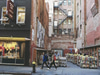
We go weak for a good independent bookstore, and Brattle meets all of our criteria. Three floors heaped haphazardly with new and used books, more than a few antiquarian and first editions, and an adjacent alley down the side of the store stacked with the overfill. Brattle has been fueling Boston’s literary curiosities since 1825, and the current proprietor, Kenneth Gloss, is a past president of the Antiquarian Booksellers' Association and sits on the Boston Public Library’s board. Not only is he a man who loves a good book, but Gloss knows his stuff. So much of the pleasure of finding yourself in an independent bookstore is spending an hour or two getting lost among the titles and maybe sitting down with a bundle of books on your lap reading some, discarding others. Brattle regularly hosts readings and literary events, enthusiastically attended by this university city’s more erudite crowd.
The General Store
A good general store is the kind of shop where you might fill a basket (ideally a nicely woven one) with a decent steak knife, some homemade jam, perhaps a bunch of linen napkins, and a jar of bath salts. April Gabriel spent her childhood summers in the Berkshires with a grandmother who instilled in her an appreciation for good old-fashioned quality. And she spent these summers in and out of the general stores in the area. Somewhere between the grandmother with good taste and the charm of those provisions, Gabriel got the idea for what would become her General Store. Nestled into Boston’s Coolidge Corner, Gabriel’s shop is just like those of her youth, redone in a modern way. Tightly wrapped bunches of sage and sticks of palo santo, natural-wax candles, Mast Brothers chocolate, hand-pressed cards—they're all here. But Gabriel’s a woman who is true to her roots: The homemade jams are there, too.
Alan Bilzerian
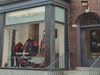
Alan Bilzerian and his family have been bringing their own—quite specific—point of view to Boston’s sartorial scene since 1967. This is not the place to come for a simple white button-up and sensible flats. Bilzerian homes in on Japanese and European fashion specifically, and the stock of designers speaks the family’s broad-ranging tastes: Thick, chunky knits from Irish designer Lainey Keogh sit alongside floaty Isabel Marant blouses and voluminous Issey Miyake silk pants. On the home front, the store skews toward modern, sculptural vases and candleholders, while the Murano stemware is strictly old-world—gilded and formal in a count-and-countess-are-coming-for-dinner way.
Patch NYC
An outdoor market in New York City led John Ross and Don Carney into a love affair with buttons and wool. Inspired by vintage flea-market finds and a simple desire for good old craftsmanship, the two began making delicately embroidered-hats embellished with those vintage, flea-market-find buttons. New Yorkers developed quite an appetite for these distinctive hats, and Joss and Carney’s success only grew from there. They went big with scarves, bags, fashion items, and, eventually, home décor, forming what is now a full lifestyle design studio, appropriately named Patch NYC, in homage to their made-from-scratch origins.

Walk the Freedom Trail
In 1951, the citizens of Boston preserved and dedicated the historic Freedom Trail, a two-and-a-half-mile walk through the city that passes sixteen historically significant sites, starting with Boston Common and ending with the USS Constitution. While the Freedom Trail Foundation offers tours—led by guides in colonial outfits, no less—it’s actually more fun to grab a map and do a self-guided version, as the red line marking the trail’s path throughout the city makes it all but impossible to get lost. Just make sure you don’t miss the Old State House (where the Declaration of Independence was first read to the people of Boston in 1776), Paul Revere’s House, and Old North Church (where Robert Newman famously hung two lanterns in the belfry, alerting Revere that the British were coming over the Charles River).

Harvard University
Harvard’s quintessentially New England campus is a pretty ideal place for strolling, particularly if you have a high schooler in need of a bit of motivation. While there, check out the collection at the Peabody Museum of Archaeology and Ethnology, which is housed in a quaint old building, and the Harvard Museum of Natural History, which is famous for its gorgeous glass flower replicas: Both are open to the public. When you’ve had your fill of the campus, tool around in Harvard Square—restaurants, shopping, street performers galore—and then take a walk along the Charles River, where you’ll find the boathouses for the sailing and rowing teams of all the local universities.

Boston Common
Boston’s largest park occupies land that was once a community cow pasture right in the middle of town. It’s a great jumping-off point for exploring Beacon Hill or Newbury Street (not to mention that it’s the starting point for the Freedom Trail), but the park itself also justifies its own trip. Take littles to check out the Make Way for Ducklings statue—based on Robert McCloskey’s famous children’s book—or for a ride on the unabashedly fun swan boats, which occupy the small lake in Boston Public Garden. In the winter, the frog pond on the northern edge of the Common hosts ice-skating. A visit to the original Cheers is also a cheesy but worthwhile outing for nostalgic grown-ups.

USS Constitution Museum
The USS Constitution was commissioned and named by George Washington back in 1797; at the time, it was a capital ship (aka one of the navy’s most important warships). The Constitution gained her nickname, Old Ironsides, during the War of 1812, when the ship defeated more than five British warships. After that victory, she became a darling of the public, who fought hard to save her from scrapping and devoted a museum to her history. Today, the ship, which is technically still fully commissioned by the navy, is actually being restored in dry docks, which are open to the public. When it’s not being restored, its permanent home is at Pier 1 at Charlestown Navy Yard, where it can be boarded and explored by visitors to the museum. If you must see ships in the water before Old Ironsides’ makeover is finished, check out the Boston Tea Party Museum’s ingenious replicas at the seaport.

Fenway Park
There is nothing more Boston than walking down Yawkey Way on game day. Even if you’re not a baseball fanatic, Fenway can make you feel like one for a few hours. The stadium, which was originally built in 1912 and then reconstructed in 1934, is arguably the most historic in the MLB. Bonus points if you see a home run over the Green Monster while you’re there. If nothing is on the schedule while you’re in town, keep in mind that they still offer tours on non-game days, where you can go up in the Green Monster and peek into the locker rooms.

Minute Man National Historic Park
Every year on Patriots' Day (which is a statewide holiday in Massachusetts), the Lexington Minute Men stage a major reenactment of the Battle of Lexington on the Lexington green. Waking up early to fully experience the drama is something of a rite of passage for kids growing up in Boston. Whether or not you’re there for Patriots' Day, Minute Man National Historic Park has a lot to offer—visitors can take tours of historic homes lining the fields, kids can try on historic clothing, and the historic Wayside, which was home to authors like Louisa May Alcott, is open for exploring. Be sure to visit Buckman Tavern, where you can see the tavern’s original door and the musket bullet that’s still lodged in it.

Essex
About 30 miles outside of Boston, the riverside town of Essex is a great, definitively New England mini trip, especially in the summer. It’s right near Rockport and Gloucester, complete with a beautiful shoreline and beach and a cool maritime history. If you go to Essex, you have to eat at the famous Woodman’s—clambakes, lobster rolls, clam chowder, corn on the cob, etc.

Museum of Science
You’ll find the city’s epic science museum located on the stretch of Boston that connects Cambridge to the West End. Permanent, family-friendly exhibits include a tropical world butterfly garden; a hands-on discovery center (complete with an engineering-focused experiment station); a park simulation setup that lets kids move while teaching them about motion, mechanics, and math; and an Apollo module that you can climb inside—and then watch the first moon landing from the cockpit seats.

ICA Boston
Originally an incubator for MoMA, the establishment officially became the Institute of Contemporary Art in 1948. It’s dedicated to identifying new artists and showing contemporary works in all mediums—including performance, film, and literature. What’s little known yet fascinating about the ICA is that the museum has introduced many of the most influential twentieth century artists, like Georges Braque and Edvard Munch, to US audiences. Aside from the stellar permanent collection, what keeps locals coming back is provocative exhibits in line with the cultural and political landscape. Currently on show are Caitlin Keogh’s investigation into gender and representation through large-scale paintings and Kenyan-born artist Wangechi Mutu’s A Promise to Communicate, an installation of the grey rescue blankets used in humanitarian relief efforts around the world.
Isabella Stewart Gardner Museum
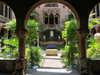
The Gardner museum offers art with a side of scandal. In 1990, thirteen works, including a rare Vermeer and Rembrandts valued at $500 million, were stolen by thieves posing as police. They’ve never been recovered, and the empty frames still hang in their original spots in memory of the lost works. Heist aside, this is probably the most beautiful museum in New England. Modeled on the Venetian palazzi adored by nineteenth-century socialite and philanthropist Isabella Gardner, it’s an immersive experience, with pencils and sheaves of paper nestled into corners and stacked on surfaces to encourage sketching. Although she was a Boston resident, Gardner spent most of her time exploring Europe and the Far East with her husband, accruing a collection of paintings, books, sculptures, and textiles—nearly 16,000 items in all. Sketches by Manet, Michelangelo, and John Singer Sargent, gothic tapestries, paintings by Velázquez and Titian, as well as an extensive furniture and rare books collection fill the galleries. Wander through the rooms of the palazzo and wind up in the courtyard, a cloistered space filled with sculptures, trees, tiles, and a proper Roman-style pond, all of which adds up to the most serene spot in Boston no matter the season.

MiniLuxe Boston
Like MiniLuxe’s other locations around the country, this spot is known for its soothing, minimalist interiors, a selection of six-free polishes (meaning free from six toxic ingredients, like formaldehyde, found in conventional polish), excellent service, and waxing specialists cheekily called “editors.” Maximize your time and book brows, nail treatments, and waxing, since, as we mentioned, this spot has it all. Trust us and spring for the slightly more expensive performance polish manicure, a forty-five-minute treatment that uses the brand’s in-house polish line that dries in five minutes and wears like a gel (meaning it will last close to two weeks).

Balans Organic Spa
The only 100 percent organic spa in Boston (on pretty Newbury Street, no less), Balans specializes in plant-based treatments. This is a full-service outfit with an adjacent wellness center for nutrition, meditation, and exercise needs. The facials are customized entirely to your skin and accompanied by a complimentary nutrition and health consultation (if you like). Aside from the aesthetic treatments, Balans has a flotation tank to help fully relax the mind, the idea being to remove any kind of stimulant—unless you want to listen to music or a guided meditation. This water is Dead Sea–level salty by way of Epsom salts, to permeate the skin with essential minerals, so floating isn’t something you need to think about—it just happens. The massages can be boosted with body brushing, too.
Skoah
Canadian couple Andrea and Chris Scott set out to create the anti-spa spa—a place with none of the soothing-to-no-one whale music or cloyingly feminine interiors. Instead, Skoah is a fairly no-frills, approachable, gender-neutral facial spa that’s affordable enough to make booking treatments a regular occurrence rather than a rare treat (the wallet-friendly membership options help). Treatment rooms resemble tiny Scandinavian cabins—white wood walls, silky-sheeted beds, and plenty of light. Facials are thought of as workouts for the skin, the goal being a clear, healthy, and hydrated complexion. We like the “xtreme,” which is accompanied by a foot facial and scalp massage (less headaches have to equal less forehead scrunching, right?), all performed using Skoah’s own plant-based line of products, made in Canada.
Bella Santé
Bella Santé is a convenient one-stop shop for beauty in Boston—facial treatments, massage, manicures, pedicures, and a full hair program. These are no run-of-the-mill facials, either. Expect medical-grade treatments, like dermaplaning (gently scraping off the top layer of dead skin cells to allow deeper penetration of products) and microneedling (tiny needles are run over the face to induce inflammation—the good kind—that kick-starts collagen production). Both may sound torturous, but they don’t hurt in the least. The nonmedical facials use Skinceuticals products. Moving from the face to the crown, the blowouts are speedy, and the color technicians know what they’re doing; the same goes for the manicures and pedicures. Book in for a full day of pampering with a girlfriend and allow for plenty of time between treatments to kick back in the relaxation rooms in your robes.
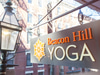
Beacon Hill Yoga
Regular classes aside, Beacon Hill offers real yoga workshops, because sometimes you may want to skip the Saturday brunch line and spend two hours stretching and decompressing, and maybe even learn how to do a handstand. The instructors are hands-on and will adjust you throughout the class to ensure you’re getting the most out of it. There is no pressure to keep up, and it’s calming and friendly. Classes are small (around ten people), so there’s none of the usual scrambling for mat space.
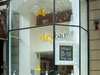
Drybar Boston
It is impossible to dislike Drybar—the concept just works. Forty-five dollars will get you a wash and blowout, done in a beautiful, calm, yellow-flecked setting in record time. Cough up an additional ten dollars for a scalp massage during your shampoo. What’s most convenient about Drybar is that founder Alli Webb and her team realize that for many, two blowouts a week can save precious hours in the morning. Drybar’s membership options address this need and make that sleek, bouncy crown of hair a weekly reality rather than a celebratory treat. Just ask your stylist to go easy on the products—they tend to have a strong, identifiable scent that some don’t like.
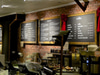
Thinking Cup
Thinking Cup's cozy interior is the ideal place to hide out during a freezing nor’easter. The exposed brick walls and low ceilings create an intimate vibe, and the Stumptown coffee is brewed to perfection. The menu is just the right length (a nice array of pastries and breakfast options, and four to five choices for a sandwich if you're around at lunch), but you really don't need much more than a coffee and a corner table to make yourself at home in here. In addition to the original location off Boston Commons, there are outposts on the North End and on Newbury Street.
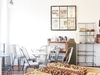
Tatte Bakery & Café
All of the adorable locations in Brookline, Cambridge (also at Third Street and Broadway), and Charles Street offer the same classic, light aesthetic, brightened up by crisp subway tiles and a haphazard collection of Edison bulbs and other industrial light fixtures. Chef Tzurit Or was born in Israel, and regulars rave about her Mediterranean-style fare, like savory tarts and sweet baked goods. She's also incredibly thoughtful when it comes to her ingredients, which she sources locally and humanely.
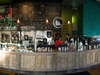
Equal Exchange
This coffee shop is actually part of a larger co-op dedicated to selling fair-trade goods like coffee, chocolate, tea, and more—it even has a sister restaurant in Seattle and a full-fledged fair-trade business behind it. That humanitarian spirit is embedded in everything it does: It's completely worker-owned, and offers presentations from its farmers and baristas about the coffee. Niceties aside, the coffee is seriously good, and there are usually open tables—it’s an ideal space to cram in a few hours of work before a meeting downtown.
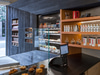
Boston Common Coffee Company
As its name suggests, this place feels like classic Boston. You won't find any fancy décor, but the coffee is really solid and the baked goods are famous in the neighborhood. Stop by on Thursdays, when they introduce new donut flavors (although if Boston Crème is an option, your decision's already made for you). It's really meant to be a place where people can meet and get work done, so you'll be grateful for the abundant seating options and reliable WiFi. P.S. How could you not love the coffee shop that made cookies shaped like deflated footballs after deflate-gate last year? There's also a location in the North End as well as a second outpost downtown on Washington Street.
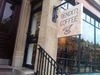
Render Coffee
Walk all the way through this relaxed downtown coffee shop and you'll find a tiny patio that's enclosed in glass, like a greenhouse, so you can study outside no matter the weather. Aesthetic experience aside, the coffee here is undeniably good—each cup is made to order as a pour over, so while it can take a while, it's worth it.
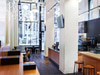
Ogawa
Ogawa coffee is a big deal in Japan, and this outpost is the company's first stab at bringing its traditions to the United States. The shop has a distinctly Japanese feel—bright, minimalist décor that's really peaceful and dotted with sleek white benches and tables. Haruna Murayama, a legend from the World Latte Art Championships (who knew?) is in charge, and the latte art here is seriously next-level—ask for flowers or her awesome bears.

Flour Bakery
Flour Bakery is best known for its pastries and desserts (owner Joanne Chang famously beat Bobby Flay when he tried to take on her sticky buns in Throwdown), which are more than enough to justify a visit. Less famous but equally good are the lunchtime sandwiches and salads, which can be ordered at the counter and taken to go. Needless to say, the bread on the sandwiches is game-changing—we’re partial to the focaccia—and it’s kind of sinful to leave without taking dessert to go, also. There are locations Downtown, in Cambridge, and in the Back Bay.
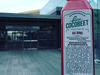
Cocobeet
This cheery little spot is right next door to city hall, meaning that it’s within striking distance of countless offices come lunchtime. Founder Kyle actually started the business when his wife, Lydia, was diagnosed with breast cancer and their doctor recommended trying out a “plant-packed” diet for her recovery. There’s a lot going on here—a juice bar with multiple-day meal plans, made-to-order smoothies and lunches, and a cooler stocked with premade meals. Everything is fresh, organic, vegan, and non-GMO; fan favorites include the chia seed pudding and quinoa sliders.
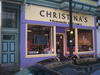
Christina's
Bostonians are loyal creatures, and that stereotype holds true when it comes to ice cream. Christina’s has been a Cambridge institution for more than thirty years now, and it’s built up some die-hards fans who will wait out in a snowstorm for a scoop. The homemade ice cream is light and fresh-tasting, and Christina's is known for flavors that are inventive without getting too outlandish, like coffee Oreo, banana, carrot cake, and a seasonal Concord grape sorbet that’s available for only a few weeks a year. For occasions, the shop makes beautiful ice cream cakes that (blessedly) can be ordered same-day.
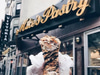
Mike's Pastry
Ask any local for a can’t-miss in this city, and they will send you to Mike’s. The bear claws (giant flaky cream-filled pastries) are so good that one goop staffer goes here as soon as she lands at Logan. A family business, the bakery was started in 1946 by Michael Mercogliano (that’s the Mike in Mike’s Pastry), who arrived from Italy when he was only twelve. Nowadays, it’s run by Mike’s stepson. The team of bakers churns out thousands of the most delicious cannoli you’ll have outside (or possibly inside) of Italy, all packaged in beautiful blue-and-white boxes wrapped in twine. Flavor fillings are endless—hazelnut, chocolate mousse, expresso, pecan caramel, mint chip, even Oreo, to give you an idea. There are multiple lines, and half the fun is weaving your way from one to the other to make it up top. While the heaped cookie trays and ricotta pie may catch your eye, you (and the rest of Boston) are here for the cannoli.
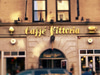
Caffe Vittoria
Reputedly the first Italian café in Boston and open since 1929, Caffe Vittoria resembles those old-world cafés you find in rural Italian towns. The worn marble floors, the glass display cabinets, and a treasure trove of old coffee machines and espresso makers are reason enough to show up; Vittoria’s is as close as you’ll get to a museum of the development of the modern cup of espresso. This is not the place to order drip coffee. Instead order a cappuccino—and see how it’s really made. Two shots of strong espresso topped with creamy, near-stiff foamed milk, plus a dusting of cocoa. Maybe chase the coffee with a grappa (or vice versa) before looking around.
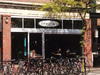
Diesel Café
Two college kids met while working at a now-closed ice cream shop in Harvard square. They quickly became best friends and decided to trade scoops for beans. That’s the creation story of Diesel, which has been caffeinating Somerville locals since 1999. All the pastries come in hot and fresh from the duo’s own baking company a few doors down. The coffee is sublime, as is the seasonal apple cider and house-made lemonade. Diesel is as much a place you come for a coffee and cinnamon roll as it is a place for community. The long wood tables are perfect for coworking or splitting a few pastries and chatting, while the pool tables in the back encourage locals to strike up conversation and get to know each other—making it all too easy to stay for a second and third cup.
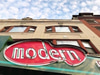
Modern Pastry
Boston is a city that actually has bakery crawls—and with good reason. Each one of the probably hundreds of Italian bakeries in the city and its surrounding suburbs claims to specialize in one of many Italian pastries. Modern Pastry is no different, other than that there is really nothing modern about its pastries at all. (Note the retro plastic-signed storefront.) Here, the specialty is lobster tails—named for their shell-like shape—or what Italians call sfogliatelle. The pastry is composed of what looks like hundreds of thinner-than-paper, crispy, flaky, butter-painted layers, filled with orange-zest-flecked ricotta. Sfogliatelle are far too labor-intensive to make in your own kitchen, making the excursion to Modern Pastry as necessary as it is indulgent. Only in Boston, parts of Brooklyn, and Campania would you find something so obscurely Italian.

Toscanini’s
Founded by a team of family and friends in 1981, Toscanini's makes all their ice cream in-store, which includes a mix of permanent flavors and a rotation of ever-changing, fun options. Part bakery, part cafe, Toscanini's also does pastries, cookies, cakes, coffee, and tea. And they serve affogato (one of our all-time favorite desserts).
Saturday, Sorted: 3 Galleries by Yuko Mohri and a Samurai Negroni by Watr Rooftop

5 Thought-Provoking Novels to Discuss and Debate This Fall
These novels are guaranteed to give you and your friends something to talk about.

48 Hours in San Diego
Here’s how to spend the perfect weekend in this laid-back coastal destination—home to goop’s kitchen’s first dine-in location in Del Mar.



48 Hours in Istanbul
History, incredible food, fantastic shopping, and centuries-old bathhouse culture make Istanbul a must-visit. Here’s how to make the most of a few days in this endlessly fascinating city.

Tierras Villas in Crete Isn’t Quite a Hotel—and That’s the Point
Five private villas with infinity pools and wide-open Aegean views offer the privacy of a house with the ease of a hotel—the latest chapter in a Cretan family story that began more than three decades ago.

10 Must-See Art Exhibitions to Fill Your Fall Itinerary
Take in out-of-this world large-scale installations in Tokyo and one of the year’s most anticipated shows in London—where Edward Enniful explores the art, photography, and fashion of the ‘90s.

How I Stopped Trying So Hard to Win Over My Teen
One mother shares how a weekend in Coronado, a failed concert, and a little unplanned downtime helped her reconnect with her teenage daughter.


5 Smart Novels to Pack When You Want More Than a Beach Read
Five emotionally rich literary beach reads from Maggie O’Farrell, Kathryn Stockett, Elizabeth Strout, Andrew Sean Greer, and Ann Patchett.
The Garden Spell of San Ysidro Ranch
In Montecito, a storied hideaway of vine-covered cottages, fragrant gardens, candlelit dinners, and rare privacy proves that the greatest luxury may be being left alone.


.png)
The Historic French Spa Town Where You Can Still Take the Waters
Where to stay, eat, and explore in Évian-les-Bains on the shore of Lake Geneva.
.png)
Where Nancy Silverton Actually Eats in Los Angeles
From old-school institutions to under-the-radar gems, the legendary chef shares her go-to restaurants, markets, and specialty food destinations.