New York Botanical Garden




why we love it
The New York Botanical Garden is one of the most expansive—and immersive—green spaces in the city. Spanning 250 acres in the Bronx, it's the perfect place to go when you want to be fully outside and feel like you've actually left the city. It brings together formal gardens, curated plant collections, and a 50-acre old-growth forest—the last of its kind in New York. At its center is the Enid A. Haupt Conservatory, a landmark glasshouse with climate-specific environments and rotating exhibitions often worth the trip alone.
Originally featured in The New York City Parks and Green Spaces Guide
Activities
2900 Southern Blvd., Bronx
718.817.8700
Mon: Closed
Tues-Sun: 10am-6pm

Central Park
It would be impossible not to include Central Park—New York's most coveted green space and, in many ways, what the rest of the city orbits around. Stretching 2.5 miles from 59th to 110th Street, it offers a mix of open lawns, wooded paths, water, and formal gardens. See the iconic landmarks at least once: the cinematic Bethesda Terrace and fountain, Belvedere Castle, and The Lake—which is most memorably experienced by rowboat (rentable onsite). Seasonal moments make it worth returning to, from ice skating at Wollman Rink to Shakespeare in the Park at the newly renovated Delacorte Theater. But the real appeal is in the in-between: long walks around the Jacqueline Kennedy Onassis Reservoir with its uninterrupted skyline views, quieter shaded paths that feel removed from the city, and the simple act of finding a bench or patch of grass to sit with a coffee. For kids, the Central Park Zoo, the petting-friendly Tisch Children's Zoo, and numerous playgrounds make for an enjoyable afternoon outdoors.

Prospect Park
Prospect Park is one of Brooklyn's most special—and expansive—green spaces. Designed by the same landscape architects behind Central Park, it's often considered their more resolved work, with a stronger sense of cohesion and more seamlessly integrated landscapes. The borough's second largest park borders the Brooklyn Museum, and Brooklyn Botanic Garden, with Grand Army Plaza serving as a grand entrance (reminiscent of the Arc de Triomphe in scale) and home to a standout greenmarket on Saturdays. Inside, the West Drive is ideal for running or biking, while the Long Meadow draws people for picnics, casual games, and afternoons on the grass. There's a carousel and the Prospect Park Zoo, but the real hub is the LeFrak Center at Lakeside—an ice rink in winter that becomes a roller skating area in warmer months, with a "Splash Pad" water area, seasonal yoga, pickleball, and a café and bar.

The High Line
The High Line is a public park built on a former elevated freight rail line along Manhattan's west side, running from the Meatpacking District through Chelsea to Hudson Yards. It's a linear path with planted gardens, seating areas, and framed views of the city and the Hudson River. What makes it special is the design: The original rail tracks are woven into the landscaping, and the plantings shift with the seasons. Rather than escaping the city, you move through it from a different vantage point, catching glimpses of streets and buildings you'd never notice from the ground. We recommend it for a walk with a friend when you want to get your steps in, but be warned—it's almost always crowded.

Domino Park
Domino Park is a six-acre waterfront park along the East River in Williamsburg, located on the former site of the Domino Sugar Factory. The design leans into that history, with preserved industrial elements woven throughout—cranes, syrup tanks, and gantries that give the park a distinct identity. It centers on a long elevated walkway running the length of the park, with uninterrupted views of the Manhattan skyline. The layout is unusually defined, organized into zones—a playground, beach volleyball courts, a dog run, and open lawns—that make it easy to use whether you're there to exercise, meet friends, or relax by the water.

Hudson River Park
Hudson River Park is a four-mile waterfront park,stretching along Manhattan's west side from Battery Park City to West 59th Street. Opened in 1998, it's one of the city's primary spaces for outdoor recreation, organized as a series of interconnected lawns, sports fields, and playgrounds, dog runs, cafés, and landscaped gardens. It’s also home to the Hudson River Greenway, a 12-mile paved, car-free path running the length of Manhattan's west side. As one of the few places in the city where you can cover long distances completely uninterrupted, the greenway draws cyclists, runners, and commuters alike.

Little Island
Opened in May 2021, Little Island is a park built directly over the Hudson River on the site of former Pier 54, which was heavily damaged during Hurricane Sandy. The park sits on sculptural concrete "tulips," creating a landscape of hills, paths, and lush greenery that feels distinct from a typical flat city park. Most of the plants are native, chosen to support pollinators giving the island a different feel in every season. Conceived to blend landscape with performance, the island comes alive in the warmer months with programming from live music and theater to dance and cabaret, plus food pop-ups from the likes of Levain and Piscator.

The Hills on Governors Island
On Governors Island, just minutes from Lower Manhattan and the Brooklyn waterfront by ferry, the Hills are a series of man-made rises at the southern end of the island, built on land once used by the U.S. Army and Coast Guard. Reaching about 75 feet above sea level, they create a sense of elevation that’s rare in New York, with open views across the harbor toward Lower Manhattan, Brooklyn, and the Statue of Liberty. Each hill has its own character—some built for slower climbs and viewpoints, others more interactive, with slides, public art, and grassy areas to traverse.

Riverside Park
Stretching four miles along the Hudson River from 72nd to 158th Street, Riverside Park ranks among Manhattan's best waterfront destinations. Long, uninterrupted paths for walking, running, and biking traverse the park, all with river views. Designed by the same landscape architect as Central Park, this park takes a distinctly different approach—its landscape merges seamlessly with the natural, sloping riverbanks rather than imposing a formal, manicured design. The park is widely known as the best place to watch the sunset in Manhattan, with piers, lawns, and benches scattered throughout, along with tennis courts, playgrounds, and sports fields.
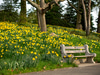
Brooklyn Botanic Garden
The Brooklyn Botanic Garden is one of our favorite green spaces in the city. Founded in 1910, it's home to more than 12,000 kinds of plants, organized into a series of distinct "gardens within the garden," each with its own character. What makes it stand out is how it embraces seasonality—there’s cherry blossoms in spring, lush greenery in summer, foliage in fall, and indoor exhibitions in winter—so it never feels static. That ever-changing sensation extends to thoughtful exhibitions, like the one a few years back where Yayoi Kusama's iconic dotted sculptures were placed throughout the grounds. The manageable scale lends itself to a few unplanned hours wandering from one corner to the next.

Elizabeth Street Garden
Elizabeth Street Garden is a small, hidden garden in Nolita that feels almost out of place in downtown Manhattan. Nestled between buildings, it's filled with dense greenery, winding paths, and an unexpected collection of classical-style sculptures, giving it the feel of a slightly overgrown European courtyard. What makes it special is how unpolished and personal it is—there’s no formal landscaping, but rather a patchwork of plants, stone, and objects accumulated over time. It's simply somewhere to slow down for a bit and quiet your mind, tucked into the middle of Nolita.
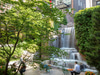
Greenacre Park
Greenacre Park is a small, tucked-away park in Midtown Manhattan that offers a sense of calm despite the busy streets around it. It's defined by a large cascading waterfall at the back, which drowns out street noise and sets the tone for the space. Even though it’s a small space, terraces, movable seating, and dense plantings create little sanctuaries that feel relatively private amid the city.
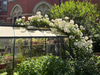
Jefferson Market Garden
Jefferson Market Garden is a small, volunteer-maintained community garden in Greenwich Village, tucked behind the Gothic-style Jefferson Market Library. It's easy to miss, but inside you'll find winding brick paths, beautifully kept flowers, seasonal plantings, and shaded benches that make it feel removed from the surrounding streets. There's no programming or open lawn—just a quiet, well-kept space to sit, read, or take a break.

The Conservatory Garden
The Conservatory Garden is the most formal garden within Central Park, set in the northeast corner. Divided into three sections—Italian, French, and English—it's defined by symmetry, manicured hedges, fountains, and well-kept seasonal plants. Unlike the rest of Central Park's natural, open layout, this area feels controlled and quiet, with fewer crowds and a more deliberate design. It's one of the best places in the park to sit, read, or take a slower walk, especially when the flowers are in bloom.

The Abby Aldrich Rockefeller Sculpture Garden at MoMA
The MoMA Sculpture Garden—officially the Abby Aldrich Rockefeller Sculpture Garden at the Museum of Modern Art—is a quiet outdoor extension of the museum. Designed as a "Midtown oasis," it features a rotating collection of modern and contemporary sculptures in an open-air setting. Key works often on view include Pablo Picasso's She-Goat, Henri Matisse's Back (I–IV) series, and Joan Miró's Moonbird, each installed with room to be experienced up close. It's one of the few places in the city where you can sit outside, surrounded by major artworks, without it feeling overly formal—a calm, easy reset in the middle of Manhattan.

The Astor Chinese Garden Court
The Astor Chinese Garden Court, on the second floor of the Metropolitan Museum of Art, is a full-scale re-creation of a traditional Ming dynasty-style scholar's garden. It's easy to miss, but once inside, it feels completely separate from the surrounding galleries. Designed in collaboration with artisans from Suzhou, China, the space follows classical garden principles—carefully placed rocks, water features, carved woodwork, and framed views. The sound of water, the enclosed courtyard, and the restrained palette create a restorative sense of quiet.

The Isamu Noguchi Foundation and Garden Museum
The garden at the Isamu Noguchi Museum is a serene outdoor courtyard designed by Isamu Noguchi as part of his museum in Long Island City. Unlike traditional sculpture gardens, it was conceived as a complete environment—where landscape, architecture, and artwork are all experienced together. The space is minimal and carefully composed, with stone, gravel, trees, and sculptures placed with precision—nothing is decorative, each element is there for a reason. Quiet and focused, it offers a different kind of museum experience than anywhere else in the city.

The Met Cloisters Gardens
The Cloisters sits in Fort Tryon Park at the northern end of Manhattan and feels completely removed from the rest of the city. A branch of theMetropolitan Museum of Art, it's dedicated to medieval European art and architecture—the building itself is even assembled from elements of historic French monasteries. It's organized around a series of cloistered courtyards—open-air gardens enclosed by stone arcades—filled with herbs and plants that reflect medieval growing practices. Between the architecture, the gardens, and the views over the Hudson, it's one of the most transportive places in New York—less a typical museum or park than a step into a different time.

Brentwood Art Center
Brentwood Art Center’s classes cater to all kinds of artistic interest, from drawing techniques to comic book illustration. This summer, they’ve moved their popular art camp online. Options span learning the fundamentals of watercolors and pastels and the art of collage to fun painting and drawing classes for kids. All of this artsy activity for kids as young as five happens on Zoom. Choose whatever session suits your child and register online. For something special, the Art Center offers private tutorials across most mediums, which could be a smart solution for a virtual birthday party.

Wallis Annenberg PetSpace
Is your family part of the 2020 class of new pet owners? If you have a new furry family member, are begged daily to adopt one by a persistent child, or simply have an animal-loving kid, PetSpace Kids Camp Online is the perfect combination of education and cuteness. A mix of games, activities, and demonstrations teach campers about grooming, animal behavior, nutrition, and more. There are plenty of virtual animal encounters, too. If a full week isn’t your jam, PetSpace also has a weekly Paws and Pages virtual story time and animal encounter, along with other online programming.

Camp Indagare
Indagare is known for curating the most adventurous trips in the travel biz, and this summer, the kids are getting a taste of Indagare-style globetrotting—from home. Camp Indagare ticks every summer camp box and then some, but online. Depending on the week’s programming, there are pizza-making classes, virtual expert-led tours through the Egyptian pyramids, painting lessons, wildlife photography classes, virtual safari drives led by real guides out in the bush, and even Greek mythology 101 live from an expert in Athens. The next camp takes place August 17 through the 21st, and there are two enrollment options: the Explorer program is $275 for complete access to all ten classes and the Adventurer option is the pay-per-class choice at $30 a pop. While the kids are occupied by, say, a savanna’s roaring lions, the grown-ups can do the adult iteration of armchair travel with Indagare founder Melissa Biggs Bradley’s new wanderlust-y podcast, Global Conversations.

Camp Lightbulb
Summer 2020’s stay-at-home orders can’t crush the spirit of Camp Lightbulb’s #rainbowtribe. The camp for LGBTQ+ kids typically has outposts in LA, NYC, and Provincetown, Massachusetts, all summer long. This year, it’s gone virtual. The weeklong themed camps are just as packed with activities, including short-movie making, music videos, and learning about LGBTQ+ history, intersectionality, and activism. If full days of camp don’t work with your family’s schedule, Camp Lightbulb also has free Instagram Live yoga and virtual events to keep kids connected and offer them a chance to make new friends while staying safe.

Chiqui Social
A social club for kids is a cute idea—but a social club for kids growing up bilingual (and their families) is brilliant—and much-needed in Los Angeles. Founder Lizet Alvarez wanted to create a community to support Spanish learning and a dual-language lifestyle for her own chiquitos.

Frost Science
For the stir-crazy, Frost Science is open for visits with limited ticketing and masks required, but where the museum shines this summer is with virtual camps and online content. If you’re looking for something to keep kids engaged—and out of the way—for a few hours a day at home, check out the virtual camps for kids in pre-K to fifth grade (August themes include weather and engineering). For shorter projects, check out Frost Science @ Home for activity toolkits that use free science apps and household items, live cams, behind-the-scenes online tours, and thirty-minute virtual science demonstrations. This site is a good one to keep bookmarked in case you’re homeschooling come fall and need a fresh take on science class (virtual demonstrations are STEM-focused and aligned with science learning standards).

Growing Gardens
For the virtual-camp inclined, Growing Gardens offers three ways to get kids excited about the natural world, all designed to keep them engaged for about four hours a day. Full Farmer camp pairs virtual programming with materials parents can pick up from the farm before the weeklong session begins (good for locals); Rustic Gardener sets parents up with the same programming and a supply list to prep before camp begins; and Bare Soil is a just-as-fun way to follow past curricula and spread the lessons and activities out over a longer time frame. Camp is led by Growing Gardens’ environmental educators, who have video calls with campers and supplement by video-based activities like crafts centered around gardening and growing, snack recipes, and games kids can get their families involved in. Image courtesy of Paul Hanaoka.

Kidspace-at-Home
While the physical Kidspace property is closed due to current restrictions, the seriously robust online offering makes this temporary loss easier to handle. Kidspace-at-Home has a full online roster of creative programming tailored around arts-and-crafts, science, and animals for all age groups. The art projects are especially well conceived and involve the bits and pieces you probably already have at home: painting rocks from the garden, making rainbow popsicles to slurp outside, even homemade slime (parents, don’t panic—it’s an easy-to-contain mix of corn starch, dish soap, water, and food coloring).

loot
Typically, Loot is a no-phone, no-website, no-email hangout for comic books, collaboration, and confidence-building, all in a space that looks like a mini museum. It’s the brainchild of Joseph Einhorn, father to three boys, founder of a social e-commerce platform, and a childhood beneficiary of the creativity boost that comic books offer. With the physical premises closed, Loot has pivoted online. Hit the site and find a series of free comic drawing tutorials and a registration link for the excellent eight-week camp. You can participate on a virtual drop-in, drop-out basis, and the camp is structured to build kids’ creative and expressive confidence. This is the perfect at-home activity to keep littles occupied for a few hours and pique their imaginations for hopefully a few hours more..

NY Cake Academy
Learn how to pipe a buttercream rosette, smoosh icing over sponge, and make shell shapes under the watchful Zoom eye of NY Cake Academy instructors. The best part of this clever program is that once you’re registered, the academy mails you a full kit of everything you might need, saving you the hassle of finding (and going to the store and buying) a pastry bag or that offset spatula you swear you own but can never find. Set your kid up in the kitchen with their kit, hit play, and leave them to it for an hour.

Simply Grow
Teacher, educator mentor, and curriculum designer Agata Young’s UK-based sensory learning center offers weekly sensory learning classes on YouTube, as well as a library of content on Facebook. While the classes are designed for babies up to thirteen months, sensory learning is all about exploring colors, textures, sound, and movement (and developing critical pathways in the brain), so it’s easy to get older kids involved, too. While you’re gathering the recommended props for a class, have toddlers pick out their own toys to use while following along.

The Broad
The Broad's modern and contemporary art collection is vast—what you see on any particular visit represents only a smidge of the total collection. Luckily, they're constantly rotating pieces in and out of the museum, and the gallery looks a little different every time you go. You can solidly expect to see Warhols, Basquiats, Harings, and Lichtensteins, and surely some massive Jeff Koons balloon sculptures. Admission is free, and the museum releases a limited number of same-day tickets, but it's best to book in advance. If you'd like to see the museum's special exhibitions, you'll need to book a timed-entry ticket for a fee.

Shorty Kid Yoga
Kids are tiny balls of energy. Yoga burns energy. Put the two together and you have Shorty Yoga. We love this cute but not cutesy space, with its La Colombe cappuccinos, free Wi-Fi, and stellar range of classes for littles of every age.

Camp'd Out Escapes
Flip your vacation on its head and give the kids a fun, safe camping experience without the sweaty sleeping bags and failed campfire. Nestled in a secluded corner of Dos Pueblos orchid farm, with easy beach access, Camp’d Out’s location gets campsite views right, but also sets you up with queen beds, lightweight linens, lanterns, umbrellas, chairs, and a shared bathroom. While smaller families will fit in one tent, there’s also a three-tent setup available for groups of up to ten.

Color Me Mine
First, pick a ceramic item to paint: It’s not just cups and plates here; there are also have figurines of dinosaurs, mermaids, and pets. The helpful and socially distant staff is on hand to supply paints, stencils, and sponges to make the plain white ceramics your own, no matter your painting skill. When you’re done, they take your work, glaze it, and fire it for you to collect a few days later. But these days we prefer the at-home option. For a special occasion, the team will set up at your home (ideally in the yard) for some messy, artsy fun. Otherwise, there’s an incredible Zoom option, where an experienced teacher will lead your child (or gang of kids) through a ceramic painting how-to. All instructions and a list of materials needed are emailed ahead of time.
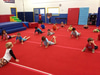
Dan the Man's Superkids
This kids’ gym offers gymnastics classes for a range of age groups—beginning with the Jump Starters class for twelve-month-olds and expanding into more-advanced courses for tweens up to twelve. With current COVID restrictions in place, Dan the Man has gone virtual with a series of instructor-led warm-ups, gymnastics, and movement classes for children, from toddlers to kids ages five and older. Set up a cushioned space, press play, and let them work off their energy in the safety of home.

JAG Gym
JAG Gym pays an incredible amount of care and attention to its students, and the range of classes tailored to different ages and skill levels proves it. The gym is strictly following CDC guidelines, and thanks to an expansive space, social distancing is easy. Class sizes have been reduced, and all staffers wear face coverings and undergo daily temperature checks. Throughout the summer and into the fall, JAG is running its usual volume of gymnastics classes, plus full- and half-day camps for children five and up.
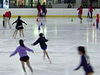
Pickwick Ice Center
When the Los Angeles sunshine starts to feel a little too hot, Pickwick Ice Center is an oasis of cool indoor activity.

Rancho Sea Air
This ranch, built in 1941 by famous horseman Egon Merz, is where Elizabeth Taylor trained for her role in National Velvet. Classes specializing in hunting, jumping, and dressage are available alongside general riding lessons. To enroll your child or book a session, the quickest way to get up-to-date programming is by contacting the ranch on WhatsApp at 310.503.6789.

Sunset Ranch
Horseback riding is the perfect socially distanced outdoor activity. Sure, you can drive to the base of the Hollywood sign, but why not ride a horse around it instead? Located in Griffith Park, Sunset Ranch leads one- or two-hour trail rides, offering unparalleled vistas of Hollywood and the Los Angeles sprawl—at dusk, this experience is pure magic for kids with later bedtimes. All riders maintain a six-foot distance, and the ranch is open for riding parties starting at $100 a person.

Surf Lessons
COVID-19 update: Email to arrange a one-on-one class.

The Gentle Barn
Forty minutes north of Los Angeles, this animal rescue and educational center has switched up its tour program and is now offering a drive-through experience that takes kids (and their chauffeurs) on a behind-the-scenes farm tour. Four-legged residents include cows, pigs, donkeys, sheep, emus, horses, chickens, and more. After their epic drive-through day trip, kids can check in with the animals on The Gentle Barn’s livestreams—and even sponsor an animal or send them some hay. The Gentle Barn also offers personalized virtual tours for a fun surprise without leaving home.

Toyota Sports Center
If you’ve got a little one obsessed with ice hockey, look no further: There are plenty of free skate and mini hockey league options here—and this is where the LA Kings (and their rivals) practice. Under current restrictions, locker rooms are closed, so ensure that your kid arrives dressed for skating with a mask on under their helmet. For children used to skating or ice hockey, you can reserve ice space, which is a fun (small) birthday or Saturday afternoon activity. The rink runs a series of day camps and activities, all of which need to be booked in advance. Click here for the full calendar.

Tribeca Drive-In
Bring little kids for a weekend matinee or let teens do their own thing later in the evening (and rest easy—masks are required any time you leave the car and spaces are set six feet apart). This may be the perfect summer 2020 activity—the film curation is on point, social distancing is enforced, and snacks are (safely) for sale. Pro tip: Buy tickets online, but get there early, as spaces are assigned on a first-come, first-serve basis.
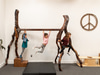
Wild Child Gym
COVID-19 update: Open for small group socially distant classes outdoors and virtual sessions.

American Museum of Natural History
The museum’s virtual camp program is broken up into two options: Adventures in Science (for elementary school students) and Middle School Institutes (for middle school and junior high students). Weeklong sessions for younger children revolve around themes like Key to the Kingdoms of Life and Building Biodiversity. Meanwhile, older campers will dig into more advanced programming, like Coding Climbing Change. Each day lasts four hours, with a mix of live, educator-led discussion, guest scientist talks, animal encounters, and peeks behind the scenes at the museum, plus offline activities kids can work through on their own or with the support of an on-call educator. A fantastic way to support both your child’s interest in STEM and a museum losing IRL visitor support this summer.

Hampton Library
Bridgehampton’s family-focused library has gone all in on online programming. From classic story time to Toddlers’ Twist and Shout to movie nights, there’s a packed schedule with plenty of recurring events to work into kids’ weekly schedules. For older children and teens, there are Netflix watch parties and virtual college prep sessions, not to mention conversational Spanish classes. And if you’re looking to get some fresh air and a change of scenery, the library yard is open to the public for socially distanced strolling. In the library yard, masks are required, and social distancing precautions are in place. The library building is open by appointment only—call for an appointment and fill out this form. Image courtesy of Jerry Wang.

Golf Camp at Chelsea Piers
Much of Chelsea Piers is closed this summer, but the golfing range is in full...swing with an excellent day camp for kids ages six to twelve. There’s a weekly camp option running into September or full- or half-day sessions for kids looking to work on their swing over the Hudson. (There are both a sibling and multiweek discount on offer.) Camp days run from 8:30 a.m. to 4 p.m. and are broken into blocks with regular handwashing breaks in between, and all coaches are PGA-certified.

Skyline Drive-In
This one goes out to all the teens enduring a cooped-up summer with few options for socializing. The movies here start late, giving older kids an opportunity to do something special that keeps them socially distanced at the same time. Set some ground rules, decide whether or not it’s okay to hit the on-site food trucks, and send them off to catch a movie that, let’s be honest, will likely not be the one you approved. Bonus points for killer views of the Manhattan skyline.

The Art Farm in the Hamptons
This Sagaponack gem, along with its sister organization The Green School, is offering safe, socially distanced versions of watersports and pony camps, plus boat charters, riding lessons, and other activities on the farm. Camp sizes are limited, watersports are taught with no contact, masks are required, and all equipment is fully sanitized between uses. The Art Farm is also a great place for a memorable summer birthday celebration—get the family and a few close friends together for a private day at the farm learning the ropes and spending time with the animals.
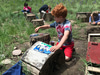
Ajax Adventure Camp
For parents looking for a camp experience that keeps kids in a fixed group for a full week (versus one-day-at-a-time camps, where new kids may participate each day), Ajax has five-day camp programs for ages six through fifteen. It’s a choose-your-own-adventure situation: Each day kids are presented with around twenty of the camp’s hundreds of activities—think paddleboards, rafting, archery, animal experiences, cooking adventures—and encouraged to participate in what interests them most. If your goal is to keep the kids occupied for one day, check out their laser tag, rafting, and horseback riding day trips.

Camp Aspen Snowmass
Big mountain adventure is up and running in Aspen this year, with program modifications for safety. Kids from three to fifteen years old can pop into camp for the day for age-appropriate activities like biking, fishing, rock climbing, arts and crafts—even an alpine coaster. Two- and three-day camps focused on science and rocket building are available through August, and for parents who prefer to pull together their own group of kids, there are full- and half-day private camp options. Also clutch for family time on the mountain: drive-in movie nights at Buttermilk Mountain and exploring the ropes course at Lost Forest. Image courtesy of Greg Rosenke.

Jackson Hole Mountain Resort
Kids Ranch Grand Adventure Camp caters to kids between the ages of three and twelve, and the best thing about it—other than your kiddo coming home happily exhausted—is that you can purchase a single day if you’re visiting or a discounted ten-day pass if you’re on an extended trip. This camp is a tiny thrill-seeker’s dream: bungee trampoline, climbing, gondola rides, and water fun are among the rotating activities. Every Thursday, campers hike to the top of the mountain for lunch. Private guides are also available to take small groups biking, hiking, and hitting the climbing wall. Face coverings are required, only attending kids and staff are allowed in the camp facilities, and activity and lunch tables have been reconfigured for social distancing. And for parents: Outdoor yoga classes and other grown-up activities are also on this year at Teton Village. Image courtesy of Rafaela Biazi.

Teton Science School
The Teton Junior Science School is an education camp focused on science, creativity, and nature play for grades one through four. Each session is five days of fun and learning led by passionate educators on the 900-acre campus. The school also offers private tours of Grand Teton National Park and Yellowstone, and it offers online classes for elementary- and middle-school kids that cover ecological, cultural, and economic topics (current offerings include Health, Not Hunger and Poverty and Wealth).

Craft Haus
Camp at Craft Haus means a full week of mixed-media exploration: clay, mosaic making, painting, and more, with a different theme each week. Class sizes are limited, temperatures are checked before camp starts each day, and instructors wear masks (children are not required to, though it’s recommended). But what we really love are the Art-to-Go kits—a genius way to keep kids busy in your own backyard. Let your budding artist pick a project from the shop, choose colors, and then have the goods delivered locally or opt for contactless pickup at the store.

Jupiter Outdoor Center
Satisfy young adventurers and appease older kids and teens craving an adrenaline rush with an afternoon on the water. Jupiter Outdoor Center will deliver canoes and kayaks and take your crew on a tour of Jupiter Inlet to check out alligators, turtles, bald eagles, and fish while staying cool. (This also makes a great fun, safe, and socially distanced summer birthday party.)

Viking Surf School
Get the kids in the water for a full day of camp, or go all in on a weeklong program. Either way, Viking keeps the student-to-master-shredder ratio at seven campers per instructor and is following CDC safety protocols all summer. Children as young as five are welcome to join camp sessions, and kids and teens who have outgrown the basics can opt for advanced coaching, or get together in a small group for private lessons—all set on the white-sand shores between Miami and West Palm Beach.

Saturday, Sorted: 3 Galleries by Yuko Mohri and a Samurai Negroni by Watr Rooftop

5 Thought-Provoking Novels to Discuss and Debate This Fall
These novels are guaranteed to give you and your friends something to talk about.

48 Hours in San Diego
Here’s how to spend the perfect weekend in this laid-back coastal destination—home to goop’s kitchen’s first dine-in location in Del Mar.



48 Hours in Istanbul
History, incredible food, fantastic shopping, and centuries-old bathhouse culture make Istanbul a must-visit. Here’s how to make the most of a few days in this endlessly fascinating city.

Tierras Villas in Crete Isn’t Quite a Hotel—and That’s the Point
Five private villas with infinity pools and wide-open Aegean views offer the privacy of a house with the ease of a hotel—the latest chapter in a Cretan family story that began more than three decades ago.



10 Must-See Art Exhibitions to Fill Your Fall Itinerary
Take in out-of-this world large-scale installations in Tokyo and one of the year’s most anticipated shows in London—where Edward Enniful explores the art, photography, and fashion of the ‘90s.

How I Stopped Trying So Hard to Win Over My Teen
One mother shares how a weekend in Coronado, a failed concert, and a little unplanned downtime helped her reconnect with her teenage daughter.



5 Smart Novels to Pack When You Want More Than a Beach Read
Five emotionally rich literary beach reads from Maggie O’Farrell, Kathryn Stockett, Elizabeth Strout, Andrew Sean Greer, and Ann Patchett.

The Garden Spell of San Ysidro Ranch
In Montecito, a storied hideaway of vine-covered cottages, fragrant gardens, candlelit dinners, and rare privacy proves that the greatest luxury may be being left alone.


.png)
The Historic French Spa Town Where You Can Still Take the Waters
Where to stay, eat, and explore in Évian-les-Bains on the shore of Lake Geneva.
.png)
Where Nancy Silverton Actually Eats in Los Angeles
From old-school institutions to under-the-radar gems, the legendary chef shares her go-to restaurants, markets, and specialty food destinations.