Thermae Yu
why we love it
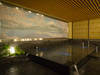
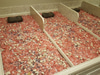
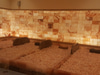
This onsen in the Shinjuku area of Tokyo sources its pristine waters daily from Naikazu in the Izu Peninsula. Pure soaking pools aside, there's an infrared sauna, as well as bedrock baths. The latter involve lying on beds made of rock salt, said to release energizing negative ions. The massages here are completely worth it, rigorous in a hurt-so-good kind of way.
Originally featured in The Infrared Sauna and Detox Spa Guide, The Tokyo Guide
Health And Beauty
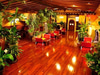
King Spa & Fitness
New Yorkers make the pilgrimage across the George Washington bridge into the New Jersey Palisades for this 24-hour spa, and with good reason: With several floors offering a variety of spa and sauna options, from men- and women-only whirlpools, to a traditional Korean Hwangtoh (yellow mud) Room, to an infrared sauna accommodating several people at a time, it’s the mother of all spa complexes. The Korean noodle bar and over-the-top kitschy decor—fake palms included—are the icing on the cake.
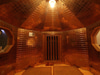
Spa Castle NYC
This mini-chain of mega spas offers something called Sauna Valley: You’ll find every conceivable temple—gold, Himalayan Salt, infrared, far infrared, color therapy—and an equal number of pools to match. The Texas outpost is open twenty-four hours a day, while the Queens location is open from 6 a.m. to midnight, making this a fun pilgrimage (and a good girls-day activity). There’s an on-site cafeteria and even a kiddie pool.
Ilan Bohm, D.C., F.A.S.A.
Dr. Ilan Bohm is our man and the founder of OIM, which advocates looking beyond—while still using—Western medicine for well-being. Keeping in mind that every patient is unique and not one-treatment-fits-all, Dr. Bohm sees patients on an individual level and aims to prevent rather than just treat illness by incorporating acupuncture, nutritional therapy, and chiropractic into any healthcare routine. They facilitate detoxes, and also offer hydrocolonic therapy.
The Juhi Ash Center
Dr. Richard Ash, who tragically passed away in 2015, has set up an enduring integrative medicine center in New York City, where you'll be shepherded through an extensive series of tests. After they'll create a totally customized, preventative, and restorative roadmap to optimum health. While it's not necessarily about detoxing, their steps to a healthier lifestyle often involve just that.
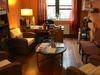
Gravity East Village
As its name implies, Gravity East Village specializes in gravity-based colonics, which means that the in-flow and out-flow of water is simultaneous. Gravity also has a far infrared sauna, which is a nice complement for a full detox.
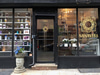
SanaVita
While hydrotherapy colonics are the specialty here, SanaVita also offers lymphatic massage, acupuncture, and Reiki. They even have an on-staff astrologer.
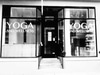
Upper West Side Yoga & Wellness
Beyond the extensive list of yoga classes offered by husband and wife Stephan Kolbert and Ingrid Marcroft and their team, UWS Yoga offers meditation classes and sessions in their infrared sauna. You have to pre-book, so try and snag an appointment right before or after a yoga or meditation session for an extra detox boost.
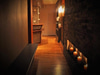
The Piper Center for Internal Wellness
Founder Tracy Piper brings more than twenty years of experience in Chinese herbology and colon hydrotherapy, which she believes can aid in everything from digestion to skin health in her one-stop cleansing center. For those in need of a recharge, there's also dry-skin brushing, a lymphatic draining detox wrap, and infrared sauna sessions.
Rise by We
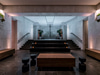
WeWork—the round-the-world network of comfy, breezy (decidedly un-corporate) workspaces rented out to people and businesses—has always been an ideal HQ with its meditation rooms, retreats, and fitness class offerings. And now with Rise by We, its new holistic wellness club in NYC's financial district (more locations to roll out down the line), the brand’s dreamed up a respite from the swivel chair where you can get up and move in any number of workout classes (from kickboxing to yoga to personal training sessions), as well as stoke some serious relaxation vibes at their Superspa. There are steam and sauna rooms, amazing massages, a circulation-rousing cold water plunge, and a communal—and coed—hammam area. The spa’s café makes killer juices—and come evening, healthy-ish cocktails. And if you can’t commit to a full-on membership, Rise’s $100 four-class access pass option is a solid option.
Sky Ting Yoga
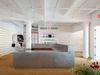
Perhaps the chicest yoga studio in NYC, Sky Ting was designed in part by Courtney Applebaum—who collaborated with Mary-Kate and Ashley Olsen on The Row's Melrose Place store—and has an airy, effortlessly cool aesthetic. The foundation of their signature Sky Ting class is pulled from Vinyasa, Katonah, Iyengar, Kundalini, and Hatha yoga traditions—but each instructor brings their own perspective, so no two sessions feel the same. They also offer specialty classes including infrared-heated and candlelit sessions. The studio also has an on-site spa, featuring two infrared saunas, a cold plunge, and a relaxing lounge with three day beds.

ReCover
Whether you need to recover from a tough workout or detox after an especially indulgent weekend, there are a variety of high-tech treatments to try alone or build into a package. Try combining a CVAC session, where you sit inside a hyperbaric chamber while the barometric pressure is adjusted to reportedly support circulation and detoxification, with a nap using the NuCalm device, which claims to be a miraculously restorative 30-minute snooze. Finish with a session inside the Sunlighten mPulse Sauna, where you can customize the ratio of near, mid, and far infrared rays.

Rescue Spa
The duplex spa is enormous and luxurious, with high ceilings, plush couches, and a posh aesthetic that manages to be both modern and comfortable. There’s a hair salon, nail studio, and fourteen treatment rooms where you can get a variety of skin-perfecting therapies like the Fix-It-All facial, an over-the-top combination of micro-current, microdermabrasion, LED therapy, and more to lift, tighten, and smooth. A facial with founder/skin-whisperer Danuta Mieloch is transformative—her touch is exquisite, and you emerge looking beyond glowy.
Floating Lotus
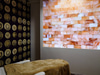
There are tons of treatment options at this wellness hideout inside the penthouse on a particularly hectic block of Midtown. From a targeted acupuncture and cupping session with founder Joel Granik to a float inside a sensory deprivation tank (that's thought to mimic the body’s experience in the womb) to Reiki healing and yoga classes taught in a gorgeous white room with a glass ceiling, everything here aims to balance and restore the body’s chi. There’s an infrared sauna and a salt cave; the walls of the latter are made from hundreds of pounds of Himalayan salt bricks, which infuse the air with negative ions while you relax on a massage bed.

Shape House
This urban sweat lodge has three locations in the city and one in East Hampton, all with the spa’s signature infrared sauna wraps. After putting on the provided uniform—a light cotton top and pants—you’ll be snugly bundled inside an infrared blanket (the material it’s made of feels similar to the bib you wear for x-rays at the dentist) and left to watch Netflix while you seriously sweat. The far infrared waves gently warm the body, increasing the core temperature. You emerge from the cocoon 55 minutes later completely drenched. If that isn’t enough, schedule a consecutive lymphatic drainage session, where you’re wrapped in a full body suit that applies targeted pressure to points on the arms, legs, and waist to encourage circulation and detoxification.
HigherDose SoHo
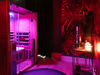
This spa inside the swank 11 Howard hotel has somehow managed to make sweating in an infrared sauna sexy. You get an entire hotel room to yourself, with a spacious personal sauna kitted out with music and even chromatherapy (everybody looks better in a red-tinted light) that combines near-, mid-, and far-infrared waves to heat the body from the inside out, resulting in a major detoxification sweat. The rooms have private bathrooms, so you can rinse off in the shower and start (or end) the day feeling utterly renewed.

Alchemie Spa
The space is an eco-haven, designed with renewable, sustainable flourishes (the walls are made of cork, seagrass, and recycled wood)—and the facials are healing, pampering, and just: beyond. The Custom Superfood Facial floods skin with nutrients from tamarind, acai, turmeric, and manuka honey, while the Light “Isun” facial features a miracle trifecta of microcurrent, LED light, and nurturing essential oil blend that thoroughly revives skin. The infrared saunas are each tucked into a cozy private room with a shower—and they aren’t hooked up to Bluetooth, which means the promise of a genuine digital detox, too.
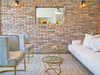
Breedlove Beauty Lab
Infrared saunas are an incredible way to get a great sweat. At Breedlove Beauty Lab, each sauna is customizable, so you are in complete control of your experience. We love sweating it out in the Sunlighten 3-in-1 mPulse infrared saunas, and Breedlove has three of these. There is also chromotherapy—or light therapy—which draws on the hypothesis that color affects how we feel. Before you leave, check out the bright and airy apothecary—it stocks plenty of aromatherapy, beauty, and wellness products.

The Gentle Wellness Center
For thirty-odd years, this Santa Monica institution has been focused almost singularly on colon hydrotherapy (to the extent that they train and certify practitioners). There is also an on-site infrared sauna.

HotBox Infrared Sauna Studio
The first thing you'll notice when you walk into this sauna studio is how spotless it is. Impeccable, in fact. That can be said of the décor, as well: A streamlined, all-white aesthetic reigns—up until you enter one of the sauna suites. Here, you can choose to cast a colored light based on your mood (we chose orange for its mood-elevating, stimulating, feel-good effect) during your sweat. Then you sit back and do just that—sweat—for forty-five minutes. Each suite comes with an iPod and a vitamin C–infused rain shower. Given the potential benefits of using an infrared sauna, there are plenty of reasons to come here. But what keeps us hooked is simple: We always leave feeling calmer, clearer, and just all-around better. (An added perk: HotBox just started carrying goopglow.)
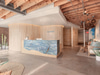
Pause Float Studio
You can book infrared sauna sessions at this Mar Vista studio in either thirty-minute or one-hour increments–we like the full hour, so you can take advantage of the in-room shower. The private-room lighting can be adjusted to pitch black, and the saunas themselves are high-tech enough to connect to a playlist on your phone via Bluetooth. Also cool: The main event here are the “float pods," which are personal sensory deprivation tanks you can book for an hour at a time. There’s a small parking lot in the back, plus really easy street parking at night.
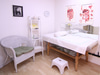
Inner Health Center
Deenie Leon Robbins's locale is a well-kept secret among members of LA's serious cleansing scene. A drive out to Tarzana proves worthwhile for a session in her high-tech infrared dome—it looks like an MRI scanner—which fans somtimes complement with a colonic or lymphatic massage. Those wanting to take it to the next level might consider her twenty-one-day cleanse in combination with a series of treatments.
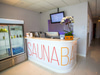
SaunaBar
This spot is famous for its custom-made infrared saunas. In the personal pods, which look super futuristic, you lie on a bed of jade stones while your body is bathed in red infrared light. Your head is outside of the pod during the entire the forty-minute session, and the surrounding air is diffused with a custom blend of aromatherapeutic oils. The lymphatic compression massage and unique Magnesphere machine, which aims to improve your balance and sleep by way of deep relaxation, are so very worth exploring.
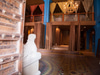
The Raven Spa
This spa is fairly no-frills, yet totally transportive once you walk through its Santa Monica doors. There’s amazing Reiki, traditional Thai massage, and they have a small infrared sauna you can use before or after your treatment. Everyone who works here is kind and accommodating: They’ll offer you tea, dates, or apple wedges if you want to stay and relax for a bit before heading out.
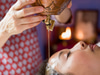
Surya Spa
Surya Spa is no joke—in fact, it's one of only a handful of Panchakarma spots in the States (now, up and running at the beautiful Proper Hotel in Santa Monica). That said, it takes a pretty intense level of commitment that's a bit out of reach unless you have the vacation time and budget: It requires three to four hours a day, for three, five, or seven days (we recommend the full week, though it's tough, as you have to abide by the very ascetic menu that they prescribe). The house-made organic food and authentic Panchakarma treatments reach far beyond what you'll find in a traditional wellness spa (people come here for help with parasites, for instance). The results—which can range from better skin to weight loss—speak for themselves. Beyond being a wonderful detox resource, mothers, babies, and mothers-to-be are in for a treat with Surya Spa's special approach to pregnancy and babies' first six weeks.
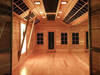
Sweatheory
With full-on wood paneling throughout most of the space, this Hollywood spot has a hip sweat-lodge vibe. You can book the infrared saunas here solo, or with a friend (at a slightly cheaper rate). They also have hot (infrared) yoga classes—at varying levels of intensity.

Tikkun Spa
Tikkun is the next level when it comes to Korean spas, combining high-tech far-infrared heat with traditional Korean sauna therapies. So if you want to lie down in a Himalayan-salt-brick-tiled sauna or sit in a Hwangto clay room, you get the added benefit of far-infrared heat. And in addition to the sauna rooms, there's a long menu of massages and kick-ass body scrubs to complement the sauna time. We're burying the lede though, because the real golden ticket here is the Mugworth V-Steam: You sit on what is essentially a mini throne, and a combination of infrared and mugwort steam treats you to an energetic release. If you're in LA, you just might have to try it...
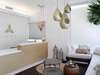
VEDA
Veda's approach centers around the ancient healing modalities of Ayurveda and Panchakarma in space that evokes a modern and organic aesthetic. Appointments start with an in-depth consultation for Veda’s experienced practitioners to assess what treatment will best serve you. We loved experiencing Shirodhara—streams of warm oil pour onto the portion of the forehead known as the “third eye”, which is said to help stimulate an overall sense of calm. Conveniently there are post-treatment showers in the back, but, we like to keep the oil on for an added nourishing dose of calming aromatherapy.

Y7 West Hollywood
It’s hot and dark, and it can get crowded—but honestly, because of the candlelight-only policy, plus the booming soundtrack of Drake and Cardi B, you can neither hear or see other yogis. It sounds a bit corny, but we’re saying it anyway: It’s incredibly fun. Between the beats and the wildly encouraging teachers, an hour flies by. Prepare for a serious sweat—the infrared heating system gets the room between 80 and 90 degrees—and stretch. Mats and towels are available for rent at the desk, the lockers are the combination kind (so you don’t need a lock), and there are showers (as well as deodorant, face wipes, and hair ties to freshen up) on the premises. Y7 now has a location in Silver Lake, too, as well as the original outposts throughout New York.

Wi Spa
Fans of traditional Korean spas—kids included—tend to feel right at home here, with its clean, meditative "Jimjilbang" communal room, it's spacious, super hot saunas, and its no-nonsense massages and body scrubs. Head to the sauna, get a massage, and your nails done, too.
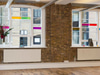
Triyoga
We were sad to see Triyoga's beautiful, Primrose Hill location go but are more than satisfied with its new airy, Camden replacement. Beyond the well-known yoga and Pilates classes—by far, some of the best the city has to offer—it's also worth checking out the infrared sauna sessions, craniosacral massage, intuitive readings, and nutritional, EFT, and CBT therapy (depending on what you're after).

Grace Belgravia
The Grace is a boon to womankind as far as we're concerned: A private, women-only club in one of London's upper-crust neighborhoods, it's as great to hit for a business meeting as it is for a spa break, a green juice, a healthy lunch, or any number of holistic treatments with some of the city's most renowned healers. It's a one-stop shop for everything from colonics to IV infusions, and those who have the spare cash might consider the three- to five-day Intensive Cleanse, which includes a nutritional plan and everything from lymphatic drainage to Acqua Calda hammam treatments. It's a pretty great place to kick-start a health and wellness regimen.

The Joshi Clinic
Dr. Joshi's clinic is one of our first ports of (detox) call in London. In addition to colonics, Dr. Joshi also offers a pretty in-depth list of other wellness-centric services including personal training, massage, Endermologie, and his signature twenty-one-day nutritional plan, which are all designed to help detox. The clinic also offers a spectacular Moroccan riad retreat for the weary.
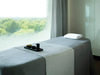
The Spa at the Four Seasons
While you're pretty much guaranteed a solid facial at any of the Four Seasons, it's the Organic Pharmacy treatments at the Park Lane outpost that leave skin incredibly soft and glowing. Packed with anti-aging rose and diamonds, the products shine in particular during the signature Rose Diamond Anti-Age and Lifting facial, which starts with deep exfoliation from diamond powder and an enzyme peel and ends with an intensely lifting massage.
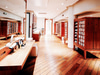
KX
While the gym and restaurant are open to members only, the spa at Chelsea's KX is open to the (well-heeled) public who might visit for a wax or face sculpting. We would recommend heading there for a functional medicine consultation with Dr. Georges Mouton. If colonics are your thing, see Michelle Laud. The easy-to-use app makes it easy to book on the fly, too.
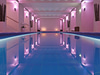
Akasha Spa at Hotel Café Royal
Though the hotel is located right in the center of the city overlooking Piccadilly, its subterranean spa feels miles away from the bustling streets above. The space itself is gorgeous, and spending a couple of hours between the sleek and modern gym, pool, and hammam facilities makes for a pretty spectacular spa day. When you book in with some of the expert healers—a resident Reiki master, nutritionist, etc.—the spa also doubles as the most luxurious practitioner's office ever.
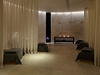
The Bulgari Spa
While it's no surprise that one of London's swankiest hotels would have a bejeweled spa and gym to match, it's the treatments on offer that really make the Bulgari stand out. Cupping, Chinese Tui-Na, the Bowen Technique, osteopathy, and even emotional healing with a self-proclaimed "Modern Day Wizard" (price tag to match) are on offer here. In addition, the spa's Trend Room is home to the hottest pop-up wellness concepts and changes every few months.
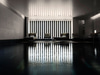
Aman Spa at The Connaught
Hands-down one of our favorite places to stay in London, the Connaught in Mayfair manages to strike a balance between charming and yet totally modern. The hotel's 5,000-square-foot spa (the only Aman Spa of its kind outside of the resort group), is just as incredible as you'd imagine swathed in floor-to-ceiling marble. At just five treatment rooms strong, there's a welcome intimacy here—all treatments start with an herbal infusion to help you unwind and then treatments take from Chinese, Indian, and Thai influences. (Each of the treatment rooms has its own private steam room.) During the week, the spa hosts a 20-minute lunch meditation at 1 p.m. that's free and open to the public.
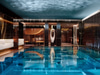
ESPA Life at Corinthia
The Corinthia in Covent Garden is one of those places that generally lives up to all the hype. As soon as you enter the space you immediately understand why: the interiors are dark, it's covered in Italian marble, and the vibe is moody but polished. The ESPA is one of the city's largest with twenty-nine treatment rooms and even a stainless steel swimming pool. Along with a robust roster of treatments—signature facials and massages—there's also a selection of customized treatments that focus on detox, sleep, and pregnancy. The best part? Their day spa offerings include access to everything from the gym and thermal floor to the sauna and steam rooms and relaxation areas.
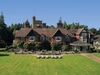
Grayshott Spa
Recently partnered with the renowned Lanserhof group—which runs exclusive medical retreats in Austria and Germany—expect a completely revamped experience from this longtime-favorite spa. They’ve brought in medical specialists, holistic practitioners, physiotherapists, nutritionists, and fitness experts. Just an hour outside London, it’s ideal for anyone looking for an intense holistic reset, or for those looking to get a glimpse of the state-of-the art Lanserhof methods. Their treatments range from traditional therapies—massages, facials, acupuncture and physiotherapy—to scrubs, floats, and hydrotherapy. We love the stress-busting “Detoxifying Envelopment” treatment.
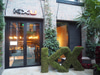
KXU
We couldn’t be happier with this new addition to the KX brand, which combines a bare-bones, super-social gym with detoxifying wellness experiences. Down the street from the membership-only KX Life, KXU has pay-as-you-go group classes, including cycling, barre, and yoga. With the workout, you can add on fantastic infrared sauna or cryotherapy sessions, which can help with muscle soreness. We love the modern, darkly lit, neon-everywhere aesthetic, too.
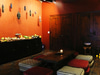
Allyu Spa
Allyu (pronounced eye-you) is the Quechua word for community, and this Riverwalk-neighborhood spa's commitment to community spreads far beyond its clients. Sustainability manifests itself in nontoxic beauty products, cabinets made from reclaimed barn wood, and locally made soaps for sale. Besides a range of more traditional services, the incredible facials incorporate healing grape stem cells, rose-quartz massage, and smoothing enzyme masks, plus an amazing chakra balancing treatment.
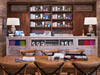
Cowshed at Soho House
This British import, located inside the Soho House in Chicago's buzzy West Loop, offers extraordinarily comfy treatment chairs and farmhouse vibes. It's particularly popular for its indulgent manis and pedis (60 and 75 minutes, respectively): Each of the chairs features its own TV and freshly brewed tea served in a teapot is available upon request. There are only five treatment rooms, but they'll do everything from facials (some with SkinCeuticals products) to body wraps, scrubs, and deep tissue massages.

The Peninsula Spa
The Peninsula’s ESPA spa is perched high above the city on the 19th and 20th floors of the hotel, and as can be expected from ESPA, the products and services are top-notch. And, since it’s the Peninsula, you won’t be disappointed by the amenities either—there's a eucalyptus steam room and a relaxation room where you can curl up next to a working fireplace. The facials can absolutely stand alone (ask for Sunny), but if you're splurging, invest in one of the famous half- or full-day spa journeys.
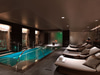
The Spa at the Joule
The sleek subterranean spa beneath the the Joule hotel offers both traditional and experimental spa treatments in a relaxing environment. Many of the facials use Tata Harper products; body treatments include Swedish massage, cupping therapy, and Thai table massage; and there are brow treatments from threading to microblading by local brow expert Rula Sharkawi. There’s a steam room with a giant amethyst shining in the corner (thought to encourage tranquility), a sauna, showers, and the Vitality Pool, a body-temperature pool with jets that gently massage the skin. Book a 50-minute or longer service and get a free spin, kickboxing, or yoga class at the neighboring Vital Fitness Studio.
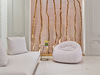
Hotel Crescent Court Spa
This sprawling spa complex operates out of the Hotel Crescent Court, so a full day is well spent here: They offer private yoga and Pilates classes, a health-centric café, and treatments that range from the basic (manis and pedis) to the intense (hardcore lymphatic-draining treatments). We love that the spa is open to kids, too, with a full menu of kid-friendly treatments (and snacks in the café).
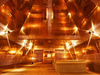
Spa Castle
This mini chain of mega spas offer something called Sauna Valley: You'll find every conceivable temple—gold, Himalayan Salt, infrared, far infrared, color therapy—and an equal number of pools to match. The Texas outpost is open twenty-four hours a day, while the Queens location is open from 6 a.m. to midnight, making this a fun pilgrimage (and a good girls activity). There's an on-site cafeteria, and even a kiddie pool.
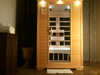
Balancing Energy Health & Yoga Center
Lisa Breitenwischer opened her yoga studio in 2012. There, she teaches highly individualized classes and runs a program of personalized holistic treatments and nutritional counseling. Among the treatments available at her intimate studio is a new IR sauna, which is gratifying before or after a yoga class. (It's also relatively affordable here.)

Haven
This studio takes its mantra of “yoga for all” very seriously. There are ten types of classes, at all different levels, as well as options for kids and teens. Some of the best: deep stretching, an energizing vinyasa flow set to rock music, and sculpt classes warmed with an infrared sauna. There’s even a class for families to take together, where kids sing “Row Your Boat” while parents hold the boat pose.
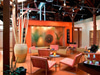
SenSpa
B-12 shot happy hours, lymphatic massage, rolfing, structural integration, acupuncture, cupping, dry brushing, craniosacral therapy...the treatment menu at this sprawling San Francisco institution reads like a detox how-to. They also offer a host of other options, including facials, waxing, and peels.
Cavallo Point
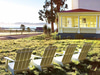
Nestled at the foot of the Golden Gate bridge, Fort Baker is spread out over acres of prime Sausalito real estate, which up until recently has been left at the mercy of the elements. Then in 2008 a hospitality group stepped in and teamed up with the National Park Service to completely restore and preserve the area. The resulting 142-room lodge, healing arts center, and spa, are spread out over a cluster of Colonial buildings that meet and exceed all of LEED's sustainability requirement.

Revel & Rose
(Note: Revel & Rose is currently closed but reportedly opening back up soon.) We think the concept behind this one-stop-shop for beauty and wellness is genius: If you're booking in for colon hydrotherapy or an infrared heat session, why not get your nails done, too? The salon offers everything from waxes to spray tans to intuitive readings, which make memberships here extremely worthwhile, whether you're beautifying, detoxing, or both.

EOS Massage
Michelle Bravo is a certified holistic massage therapist (HMT) and certified aromatherapist (CAT), two skills that she expertly combines in her signature treatments, which are all trademarked to her unique EOS technique. She's celebrated for a lymphatic massage that incorporates aromatherapy. Clients also love that Michelle is a kind, intuitive sounding board and love talking to her during their treatments—for the full experience, you can book her for a lifestyle coaching session.
Tata Harper Spa at Credo
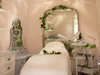
The Tata Harper Spa in San Francisco (the only spa of its kind) is tucked into the back of Credo, a clean beauty shop in Pacific Heights. They offer a variety of treatments using Harper's signature products, including hydration therapy, and even back facials, and in true Tata style, you'll snuggle up under a vintage quilt that's reminiscent of her Vermont farm. There's just one tiny room in the back of the shop, so book ahead, though they will take walk-ins.
Psoas Massage + Bodywork
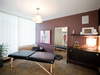
The great thing about Psoas is that founders Jennifer Lighthouse and Scott Schwartz bring so many different types of massage under the same roof; they offer everything from neurokinetic therapy to orthopedic massage. They're particularly great for sports massage (Jennifer is a former gymnast and diver) and pre-and post-natal bodywork.

Juliana Kramer
Juliana does acupuncture, cupping, herbal work, and fantastic massage. She's also well known for her excellent bedside manner; she's kind, warm, and a pleasure to be around, which makes the entire experience all the more pleasant.
Imperial Spa
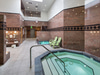
This minimalist, Korean-style communal bathhouse has two separate spa areas, one for men and one for women. Bathing suits are optional but you'll likely find that most guests opt not to wear them. For an affordable price, you can get a four-hour pass to Imperial's hot jacuzzi, dry and steam saunas, and cold plunge. Their wet spa body treatments focus on various purification scrubs, wraps, and oil massages, while their dry spa fixates on acupressure-focused massages. One great thing about Imperial is the spa stays open late (until 10 p.m., with the saunas shutting down at 9:45 p.m.), so you can head there after the office on days that warrant it.

TMI Colonics
TMI actually makes getting a colonic not so rough. (For more on the nuts and bolts of colonics, see this colonics Q&A with Dr. Alejandro Junger, and check in with your doctor to see if they're right for you.) In addition to colonic sessions, which is obviously what TMI is known for, they also offer infrared sauna sessions.

Ritual Yoga
An all-inclusive hot yoga studio, Ritual gives you everything you need when you step through the door: mat, towel, yogitoes, water (as well as shampoo, razor, toothbrush, etc.). Ritual classes are choreographed to some pretty rad music—from 90's soul to hip-hop and pop remixes. And each session (50 minutes long) is run by two teachers—one leading the group, and then another providing one-on-one, hands-on adjustments and support throughout the session. Every week, a new "peak posture" move is introduced, so regular students continue to build up their yoga practices. What's even better: Sessions at Ritual end with a neck massage.
Roha
All the treatments at Roha are based on ancient Ayurveda practices to help restore energy, detoxify, release stress, and enhance wellness. The downtown San Francisco spot is all about full mind-body rejuvenation, with personalized protocols that include dietary adjustments, herbal remedies, and oil therapy treatments. If you’re not looking to make any lifestyle changes, the nourishing, warm-body-oil massage will leave you immediately relaxed and recharged.
Sauna Deco
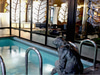
The breathtaking Art Deco stained glass panels, gilded details, and winding wrought-iron staircase at this canal-side sauna were rescued from Au Bon Marché in Paris before it underwent a top-to-bottom renovation—the resulting space is a hybrid of immaculate Dutch craftsmanship and Parisian refinement. In addition to the various baths and relaxation rooms there are infrared saunas, a solarium, and the option to book a private massage. Fair warning: The unisex saunas and baths follow a strict no-swimsuits-allowed policy (towels are okay).
Löyly
The design at Löyly (which is Finnish for the steam that comes off hot rocks at a sauna) is distinctly Scandinavian, with beautiful hardwood floors and minimalist wooden lounge chairs set around the communal space. The facials, though, are decidedly unminimalist: There are nourishing masks; steamy, aromatic compresses to calm skin; layer upon layer of oils, creams, and hydrosols; detoxifying facial steams; and more. There’s a second location in Northeast Portland.
Tierra Santa Healing House
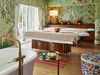
The Faena Hotel's Tierra Santa is a burst of color: A rainbow-striped rug runs through the spa’s lobby, which is outfitted with bright Juan Gatti artwork and floral-printed poufs. Inspired by an array of South American (and some South Asian) healing traditions, Tierra Santa has a gorgeous Turkish-style hammam and offers a full wet spa experience (waterfall shower, herbal steam room, wet scrub, sauna, and ice parlor); many of the treatments include ritualistic wellness aspects. The Hammam Rose Ritual is one highlight: During the treatment, as you lie on top of a warm marble slab, a therapist will scrub your entire body for what is likely to be the most thorough exfoliation of your life. Following this, you’ll be covered in ridiculously soft foam and then a soothing clay and later treated to a massage. The Tree of Life Vibrations treatment takes place on a heated sand bed and incorporates handmade Himalayan singing bowls into another supremely relaxing massage. Other massage options are more conventional, as are the facials—the Triple Lift Advanced Facial concludes with the Remodeling Face Machine from French brand Biologique Recherche. The Hyper-Customized Facial uses Naturopathica, one our favorite clean, nontoxic brands, and begins with facial steaming and gentle extractions, followed by lymphatic drainage, a congestion-soothing calendula mask, and a glycolic peel. The glow you leave with is...unreal. Led by two doctors, Tierra Santa also has a holistic, preventive medicine program that includes digestion-focused health therapies.

Balans Organic Spa
The only 100 percent organic spa in Boston (on pretty Newbury Street, no less), Balans specializes in plant-based treatments. This is a full-service outfit with an adjacent wellness center for nutrition, meditation, and exercise needs. The facials are customized entirely to your skin and accompanied by a complimentary nutrition and health consultation (if you like). Aside from the aesthetic treatments, Balans has a flotation tank to help fully relax the mind, the idea being to remove any kind of stimulant—unless you want to listen to music or a guided meditation. This water is Dead Sea–level salty by way of Epsom salts, to permeate the skin with essential minerals, so floating isn’t something you need to think about—it just happens. The massages can be boosted with body brushing, too.

Shankara Ayurveda Spa
This super authentic Ayurvedic spa and retreat in the Blue Ridge Mountains is both rustic and luxe. Everything here, from the cooking classes to the yoga sessions, aligns with Ayurvedic principles. The beyond amazing, recently renovated spa has tons of different treatments, but we like the Signature Facial. All of the nourishing products are made on the premises and work to bring harmony to your doshas. Bonus: You can add on a warm-oil scalp massage to any treatment.

Sanctuary Spa
This spa's holistic energy approach combines traditional Japanese and Egyptian treatments with a little bit of Southern hospitality. The menu isn't so expansive that you'd lose valuable time picking a treatment, but if you need a real quickie, the thirty-minute massage is a revelation. (And it's the only place in Houston offering yoni steams, at least that we know of.) The seaweed wrap for dry, flaky skin cocoons the body in a layer of kombu, aloe, and green tea for some light exfoliation. And the Off-the-Menu facial customizes products to your skin type.

The Standard Spa, Miami Beach
Whether you’re lounging on the heated marble steps of the enormous, coed Turkish-style hammam, sipping fresh-pressed green juice while the ocean glitters before you, doing serious yoga or Pilates, or all three plus an astrology reading and a pedicure, a few hours here truly takes you out of the everyday. Located inside the Standard, the spa's sleekly modern ashram meets sybaritic retreat has everything. Within the hammam, there are shiny metal tubs for individual pretreatment baths; beyond that, there's a Roman-style waterfall hot tub, a mud lounge, a Finnish sauna, an infinity pool, and an arctic plunge. There’s every sort of massage and facial, plus goopier options, like crystal-infused masks, biopuncture, and workshops on hypnocoaching, sound healing, crystal healing, and more. The food couldn’t be healthier or more delicious, and the on-an-island setting is about as gorgeous as it gets. Photos: Adrian Gaut.
Villa Stephanie
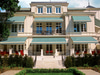
This gorgeous villa in the picturesque spa town of Baden-Baden has only fifteen suites and is the ultimate place to detox in private. The nine-day program starts with a medical examination, followed by a custom regimen of ninety-one treatments created by Dr. Harry Konig that range from bracing lymphatic massages and fitness classes to relaxing mud baths and meditations. If you’re interested in a less-immersive path, you can stay in town and instead purchase a day pass for spa treatments and, if you prefer, simply lounging on the perfectly manicured lawns.

1LDK
The store’s name comes from a Japanese real estate term: 1LDK means a one-bedroom apartment with a common living/dining/kitchen area. 1LDK’s store is decidedly larger—it’s spread out over two buildings that are across the street from each other. One building houses the menswear collection, while the other contains the women’s line, housewares, and the café. Look for clothing and other items in muted hues of beige and grey, and enjoy a coffee or beer at the café for a quick break. When you’re done, stroll around the nearby canals of the always-hip Nakameguro neighborhood.
45 RPM
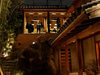
Sure, you can go to 45rpm’s shops in New York or San Francisco, but you can also go to a day spa in a strip mall—it’s not the same thing. Pay a visit to this legendary label for its simple, beautifully constructed men’s and women’s clothes that mix elements of the Japanese countryside with European silhouettes. The shop is worth visiting on its own: a simulacrum of a Japanese residence, with floors rinsed as per Shinto tradition, and series of quiet rooms to display the label’s brilliance with cotton, denim, and indigo.
Akomeya
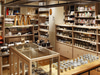
Akomeya, by rice retailer Sazaby League, is like a Japanese Dean & DeLuca on steroids, in the best possible way. With thousands of rice-related products, including wooden boxes used for measuring rice and sake, rice pots, beautiful utensils, food products such as crackers, and much more, the shop celebrates the elegant simplicity of the food that is so characteristic of Japan. The rice bar in front of the store allows you to choose the grade of brown rice you want before choosing how much you’d like it polished, which they do on the spot—the highest level removes the entire hull, leaving you with white rice (which most Japanese customers prefer), while a lighter polish will leave a bit more fiber. This shop is a must for the food lover while in Tokyo.

Beams
Started more than forty years ago in Harajuku, Beams has gone from being another clothing store in Tokyo to a trailblazer in Japanese fashion. In a recent survey, Japanese women were asked where they’d want their boyfriend to shop, and Beams was the top choice. The store caters to both men and women, specializing in domestic designers, and also has housewares and accessories. The house-brand staples are of amazingly high quality (T-shirts and underwear), so be sure to pick up some to take back home.

Comme des Garçons
Comme des Garçons designer Rei Kawakubo has always done things in her own, inimitable way. She favors black, doesn’t believe in mixing two seasons on the shop floor, and limits the availability of her clothing online, believing that the value of trying on a piece and feeling the weight and texture of the fabric far outweighs that of click-and-collect. And the Comme des Garçons flagship in the upmarket Aoyama district defies expectation. Designed by Future Systems under Kawakubo’s direction, the space looks more like an undulating glass display case than a store. Diligent shoppers make the pilgrimage here not only to gawk at the sculptural beauty but to nab those impossible-to-find runway looks.
Isetan
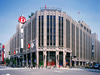
What started as a kimono shop in 1866 has become one of the most influential department stores in the world. The store is spread over two buildings, with a men’s wing larger than most entire department stories. Small designers and bigger labels happily coexist throughout, as does a formal kimono section on the seventh floor that should not be missed. The service is said to be the best in Tokyo (which is saying something). Also, don’t miss: Below the food hall, on the lower level, is a natural-beauty and health food section that is the envy of the world.
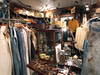
J'antiques
Regularly cited as one of the best vintage shops in the world, J’Antiques is like Ralph Lauren on Adderall: a furiously focused and dazzling array of vintage clothing and accessories. Both men and women will have plenty to sort through here, from cotton dresses to varsity jackets. Old signs, buttons, safety pins, and household linens are mixed in with the apparel. As expected, prices here are not cheap, but the inventory is unlike what you’ll find anywhere else, and just walking around the store for inspirational purposes (as many designers have been known to do, in fact) is reason enough to pay a visit. Image courtesy of acontinuouslean.com.
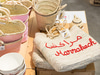
La Kagu
In four short years, La Kagu has become a hive of activity in picturesque Kagurazaka. The converted library is one part boutique, one part café, and one part bookstore. In addition to that, look for furniture, reading events, farmers’ markets, and other gatherings. For the simple act of shopping, visitors will find items from Blamink, Maison Margiela, Ebure, and others. If nothing else, browse around and grab a small bite from the café—La Kagu is worth seeing just to reconfigure your idea of what a store can really be.

Prada
You can buy Prada in lots of places. You still have to come to this store. The six-story structure by Herzog & de Meuron was an instant sensation when it opened in 2003, and it remains a singular architectural achievement. Nestled in the dense Aoyama district, the store immediately surprises with its generous open space around the structure. But it’s the now-famous diamond-shaped glazing, moving from flat to convex across the skin of the building, that immediately catches the eye. Inside, floors and structural forms blend from one into the other and back again. It’s a tour de force, worth a visit even if you leave empty-handed (though with every Prada line on display here, that may be difficult).

Sacai
Socrates taught Plato; Plato taught Aristotle. Rei Kawakubo mentored Junya Watanabe, and both mentored Chitose Abe. In 1999, she started her own label, Sacai (a derivation of her maiden name, Sakai). You’d think a store would be quick to follow, but Abe doesn’t follow the same old playbook. She waited twelve years before opening her flagship in Tokyo’s Aoyama neighborhood. The store was a collaboration with rising starchitecht Sosuke Fujimoto, and the results are a perfect complement to Abe’s designs: a space that embraces the contemporary and the classic, bringing both together to create something truly new.

Tokyu Hands
Okay, so how to describe Tokyu Hands? Take a Walmart, add a Michael’s craft store, mix in some Ikea, a dash of your local hardware store and...that still doesn’t really describe this unique Japanese institution. Tokyu Hands describes itself as a “hint store,” giving you all the tools and materials you need to build a better life. Would like you choose between hundreds of different toothbrushes? How about a room of wooden blocks? More stationery than you know what to do with? Maybe you’d like to spend some time in a cat café (Ikebukoro location only)? If you can imagine it (and, more importantly, if you can’t), it’s at Tokyu Hands.
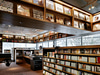
Tsutaya Books
This is not the first article to call Tsutaya “the greatest bookstore in the world,” and it’s not likely to be the last. And that’s because it’s the truth. This three-building complex is a world unto itself. Tsutaya includes an unparalleled collection of books and periodicals from Japan and around the world; a video department that has just about every movie ever made (and if it doesn’t the store can download it and burn it to a DVD on the spot); a 120,000-album music department, replete with listening stations to hear any track and concierges to guide you to the right choice in a given genre; a rare-book-and-magazine lounge with a dining menu and full bar; a camera shop; a travel office; a pet-goods store; three cafés; one of the best stationery stores in Japan; and a full-service restaurant with an outdoor deck. Trust us: Just go.

Takashimaya
This is a fantastic department store (check out the Hall of Roses on the fourth floor for a dazzling floral display), but the main attraction is down in the basement, in what’s called the depachika, the food courts for which many Tokyo department stores are famous. Takashimaya’s Shinjuku store has one of the larger food courts in Tokyo, and is replete with both Japanese and Western delicacies, including a Kit Kat store that’ll amaze. As part of a larger Shinjuku development, the store is also adjacent to a Tokyu Hands, and includes a Kinokuniya book shop.
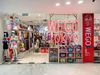
WEGO
Obviously, you have to go to Harajuku. Tokyo’s epicenter of street style sets trends all around the globe, and one of the key stores that helps propel those trends is Tokyo institution WEGO. While it may look at first like a vintage store, everything at WEGO is new—and relatively inexpensive. The store is a riot of Japanese and American pop culture (are those the California Raisins over there? Yep). If you need any guidance on what to buy, just look around you—the store’s staff is a walking look book for the latest and greatest styles in stock.
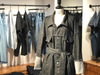
Mine Denim
Tokyo has a lot of denim. Some of it’s great. Much of it is caught up in an orthodoxy that is stifling, however. Mine Denim, the brainchild of noted Tokyo stylist Tsuyoshi Noguchi (whose work has appeared in Vogue, Harper’s Bazaar, and Elle, among other places), is a departure from that tyranny. The store, located in Shibuya, juxtaposes intricately inlaid wood floors with crisp white walls and a stark, black staircase. His men’s and women’s collections use the Japan’s beloved denim, but in new and creative ways (his collection of dramatic, flowing skirts will take your breath away).
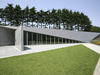
21_21 Design Sight
A collaboration between two titans of Japanese design, architect Tadao Ando and designer Issey Miyake, 21_21 Design Sight is a museum focused on the design of the everyday. Exhibits include an examination of the work of city photographer William Klein, the history of writing implements, and the use of handmade khadi fabric in India. The building itself is also a masterpiece of design, with a sloping roof that reflects both Ando’s and Miyake’s work in architecture and fashion.
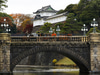
Imperial Palace
The Imperial Palace is set on the site of the old Edo castle (the Edo government ruled Japan for 300 years), and the current emperor and his family actually live here, so you can’t physically enter the structure. You can, however, take tours around the lush gardens, moats, and bridges that surround it. The original palace, built in 1888, was obliterated during WWII, but it’s been rebuilt as an almost exact replica of what stood before. Tours are in both Japanese and English, and if you happen to be in town on December 23 or January 2, book in fast—those are the only two days of the year visitors are permitted to enter the inner palace grounds.
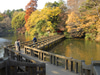
Inokashira Onshi Park
Here you can paddle swan boats around the lake, as well as visit the Inokashira Park Zoo. But perhaps the highlight of this suburban oasis is the Ghibli Museum, a repository of images and ideas from Hiyao Miyazaki, Ghibli’s founder and the creator of such animated masterpieces as Spirited Away, Princess Mononoke, and My Neighbor Totoro.
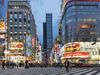
Kabukicho
Kabukicho is the red-light district of Tokyo. It’s best to just stumble around here and head to the bottom of the hill. Ignore the sidewalk barkers and bring a lot of cash (prices have a way of expanding). You needn’t engage in anything objectionable: You can cruise pachinko parlors, see robot dance shows, visit the Samurai Museum, and see the Hanazono Shinto Shrine. If you get hungry, there are snacks galore on Omoide Yokocho, or “Piss Alley.” You’d be well-advised to drink beer throughout this entire visit.
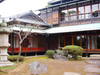
Kyu Asakura House
Nearly one hundred years old, the Asakura house is like a time machine in the otherwise modern and luxurious Daikanyama neighborhood where it resides. Built for a local politician, the home survived earthquakes and Allied bombing to remain a singular example of Taisho-era architecture. Equal to the eleven rooms spread out over two floors are the gardens behind the residence, with stone paths, bonsai trees, and the best of Japanese garden design.
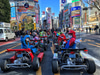
MariCar
Ever just wish you were Mario, Yoshi, or Princess Peach, racing around Tokyo in your own, real-life Mario Kart? Tokyo will provide. Or, rather, MariCar will, with costumes from the famous Nintendo game as well as a random assortment of other identities. (Batman, anyone?) So long as you have an International Driving Permit, you can take the wheel of one of the company’s gas-powered go-karts and attack the streets of Tokyo. There may be nothing more exhilarating than sitting inches above the ground as you race through Shibuya and Akihabara while wearing the costume of a mustachioed Italian plumber.
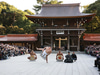
Meiji Shrine
A quick cab ride brings you to the top of the winding avenue leading up to the Meiji Shrine gate, or torii (passing through the gate marks the transition from the ordinary to the sacred). Dedicated to the spirit of the first emperor of modern Japan, Meiji, and his empress consort, Shoken, the shrine is set in a forest of 10,000 evergreens. Take part in the Shinto ritual of writing your wishes and prayers on one of the ema plaques hanging on the walls, where it is believed the gods of the shrine will receive them. (Though we can’t promise that they’ll listen.)
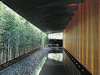
Nezu Museum
Omotesando is a popular and upscale shopping district, but it’s also home to one of the great collections of Asian antiquities in Japan. The Nezu Museum was designed by Kengu Kuma, who is currently building Tokyo’s Olympic Stadium for the 2020 Summer Games. The collection of art and artifacts from the past 2000 years is unparalleled in Asia and is matched by the serenity of Kuma’s architecture. Both inside and out, the traditions and aesthetics of a Japanese tea service abound, pulling you out of the modern shopping-centric vibes of Omotesdando and delivering you to an elevated, more peaceful plane.

Senso-ji Temple
This Buddhist temple is the oldest in Tokyo and is dedicated to Kannon Bosatsu, the Bodhisattva of Mercy. Situated near the Sumida River, the temple is one of Tokyo’s most popular sites. Enter through the Thunder Gate and you’ll encounter a street of vendors selling souvenirs like yukatas, fans, and local snacks. That path will lead you to the inner gate, Hozomon Gate. Past that is the temple itself. Be sure to go inside and look up—some of the most impressive artwork is on the ceiling.
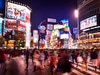
Shibuya Crossing
You’ve seen this. It’s that crazy four-way intersection that people all cross at one time. Shibuya is a little like Times Square—not a place to spend a ton of time in, but everyone should see it at least once. Said to be the busiest intersection in the world, as many as 1,000 people will cross at the same time. For an aerial view, go to the second floor of the Shibuya train station, find the Myth of Tomorrow mural, and look out at the intersection from there. Best time to go: evening, when Shibuya’s neon is at full blast.

Tokyo by Night Train
Take a nighttime train ride on the Yurikamome line, from Shimbashi Station toward Toyosu. The trains are remote-controlled, so you can stand right at the front and get a perfect view of Tokyo’s “city of the future” vibe as it crosses Rainbow Bridge and continues on to young-people funplex Odaiba Island. Get on the right side of the train and look for the Odaiba Statue of Liberty, a replica of the one that stands in New York Harbor.
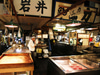
Tsukiji Fish Market
Arrive around 5 a.m. if you want to watch all the haggling between buyers and sellers, the chefs scoping out the best catch, and the auctions in which a bluefin tuna may go for thousands of dollars. (The sheer volume of fish here will leave you wondering how any are left in the ocean—best to avoid if you get queasy.) The seafood is unlike anything you’ve seen before: buckets of prehistoric-looking sea snails alongside tanks of crab and lobsters the size of well-fed house cats. Indulge in multiple sushi breakfasts at the bars nestled within the market (Sushi Dai is the best).
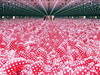
Yayoi Kusama Museum
This new museum—it opened in the fall of 2017—is dedicated to works of Yayoi Kusama, perhaps the most famous living artist in Japan. Kusama is known for her “infinity rooms,” which play with space and perspective in ways that are both delightful and disorienting. Some of those are on display in this new five-story building in Shinjuku, as are many of Kusama’s polka-dotted paintings, which come from a history of hallucinations Kusama says she has experienced since she was ten years old. You must buy tickets online in advance, and only fifty people are allowed in the museum for a ninety-minute session, so plan accordingly. To be frank, few museums in Tokyo are worth the trip, but this one most certainly is.
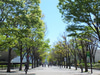
Yoyogi Koen
Yoyogi is Tokyo’s Central Park. Go here on a sunny Sunday and you will see the city on full display: musicians, actors, dancers, parties, weddings, etc. In the spring, the park explodes with cherry blossoms; in fall, it radiates the warm yellow glow of its gingko trees. Ethnic festivals run throughout the year, and a flea market is held in the summer. The park is adjacent to Meiji Shrine, itself a grand public space that contains a forest in the middle of the city and a shrine to Emperor Meiji, the great-grandfather of the country’s current emperor.Images courtesy of tokyo-park.or.jp.
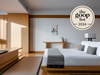
Aman Tokyo
Many hotels in Tokyo occupy the upper floors of skyscrapers, but none can compete with the majesty of Aman’s first city hotel, which opened in 2014. Step off the elevators and your head will automatically swivel upward to take in the nearly one-hundred-foot atrium that greets you. Once you get over the showstopping entrance, more delights await: 84 rooms designed in Japanese simplicity, with a deep soaking tub in every single one; floor-to-ceiling windows with views of Mount Fuji, the Imperial Palace, and the Tokyo skyline; and a spa and swimming pool that are so high up, they may as well be in the clouds. The hotel’s in a solidly business-oriented neighborhood but is close to Ginza and sits above five subway lines.
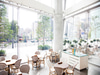
Andaz Tokyo Toranomon Hills
Opened in 2014, the Andaz is part of a new generation of Tokyo hotels. Like all Andaz properties, the lobby is without a reception desk—hotel staff checks in guests with iPads (and over a glass of wine, which is always a nice way to start just about anything). No high-end hotel in Tokyo is particularly casual, but relatively speaking, the Andaz is the most laid-back of the bunch. Rooms are crisply done in washi paper and walnut trim, and the rooftop bar (atop one of the tallest roofs in the city) is the perfect place to enjoy a Personal Collins, one of the hotel’s signature drinks and a deliciously diabolical mix of scotch, St-Germain, and matcha.
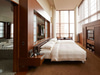
Grand Hyatt Roppongi Hills
The biggest draw of the Grand Hyatt is its location. Roppongi Hills is nestled between the districts of Tsukiji (home to the biggest fish market in the world, and an absolute must-see for visitors at the jet-lag-friendly hour of 5 a.m. when the market comes alive), and Shibuya which—aside from being arguably the busiest intersection on the globe—has a ton of great late-night bars. The hotel is a soaring glass tower with 387 rooms and suites. Despite its size, the subtle Japanese furnishings—plenty of mahogany, neutral fabrics, and zero clutter—give the rooms and communal spaces a warm, welcoming feel. The ten on-site restaurants and bars span Japanese, Chinese, and French cuisine, and are as popular with locals as they are with tourists, creating a familial, convivial atmosphere we all crave when far from home. Falling onto thick mattresses clad in the softest Frette sheets is pure bliss after a long day of sightseeing, sushi-eating, and shopping (Roppongi is heaving with stores and art galleries). For those adventuring with kids, the indoor pool is a godsend, and the mini kimono-style robes you receive on arrival always go down a storm with the littles.

HOSHINOYA Tokyo
Japan’s countryside is home to many ryokans, traditional inns where guests relax in serene quarters and take dips in natural hot springs. For years, Tokyo has lacked that level of tradition and pampering, but ryokan operator Hoshinoya has righted that wrong with its first hotel in the country’s capital. Taking up all seventeen floors of a building in the city’s Otemachi neighborhood, Hoshinoya is unlike any other hotel in the country, if not the world. For starters, you never wear your shoes around the hotel (they’re stored in lockers when you enter). Secondly, each floor has its own tea lounge serving food and drinks throughout the day, and each room is decorated in the traditional tatami mats and shoji screens. And if this isn’t the coolest thing, we don’t know what is: On the roof, there are single-sex outdoor baths, or onsen, fed by hot springs almost a mile beneath the city, so you can soak in mineral-enriched waters while you gaze up at the sky. (Tip: Do this at night.)
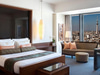
Mandarin Oriental, Tokyo
Smack in the middle of Tokyo is the Mandarin Oriental, a 179-room outpost of the storied brand that sits atop a Cesar Pelli–designed skyscraper. Rooms feature Bottega Veneta toiletries, a pillow menu with nine (nine!) pillow options, and traditional yukatas at the foot of the bed, each encased in black lacquer boxes. The Mandarin features some of the best dining in any hotel in Tokyo, including an eight-seat sushi bar with views of the skyline, a tapas bar specializing in molecular gastronomy, and a pizza spot that rivals anything you’ll find in Naples. When it’s time to go, grab some pastries and snacks from the ridiculously well-stocked gourmet shop on the ground level.
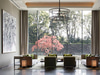
Palace Hotel
The Palace Hotel has 290 rooms, seven restaurants, three bars, a pastry shop, and the first Evian spa in Japan. This is actually the third hotel to sit on the enviable chunk of real estate next to Tokyo’s Imperial Gardens—the first hotel, the Teito, was demolished and replaced in 1961 by the first Palace Hotel, which was subsequently razed and replaced by today’s Palace in 2012. The new Palace retains some of that old-world glamour (lobby staff clad in kimonos, the same bar from the original Palace) while upgrading it with all of today’s modern conveniences, like coffee makers and the most beautifully scented, nontoxic Bamford bath products in the suites. If you have the chance, be sure to book one of the rooms with a balcony—you’ll be one of the few people in Tokyo with your own private outdoor space.

Park Hyatt Tokyo
You kind of have to, right? The Park Hyatt is a contemporary legend, the modern-day Plaza to today’s Eloises. If you fell in love with the place watching Lost in Translation, staying here hardly disappoints. But move past movie reenactments and enjoy the hotel for what it really is: a skylighted oasis that shows off Tokyo in all the best ways, from the buzz of the reception area, to the views from the pool, to the warm greeting from the staff each guest receives upon arrival. There are newer hotels in Tokyo, but the Park Hyatt is irreplaceable.
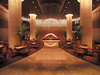
The Peninsula Tokyo
Tucked between the neon of the Ginza and the gardens of the Imperial Palace, the ten-year-old Peninsula Tokyo is a combination of old and new. Guests are still transported to the hotel in one of its traditional Rolls-Royces (including a pristine 1934 model that, like all of the hotel’s cars, is painted the company’s signature Brewster Green), white-suited bellhops still greet you at the entrance, and the Peninsula afternoon tea is stately enough to make a monarch to feel at home. But there are modern accents as well, including fully automated (and surprisingly spacious) rooms with controls for lights, windows, and even humidity. Not to mention thoughtful, if ridiculously decadent, touches, like a two-way compartment that lets housekeeping collect room service dishes without making you lift a finger, and something every hotel should have: in-room nail polish dryers.

Trunk Hotel
The serene vibe of the new Trunk Hotel starts on the exterior, which is covered in tumbling greenery. One of the only cutting-edge design hotels in Tokyo, the hotel has only fifteen rooms, each one dominated by an old-meets-new aesthetic. Traditional craftsmanship, upcycled wood, and custom furniture by Truck of Osaka sit alongside modern art. Overall the space oozes a modern, minimalist-artsy Zen. The people-watching in the lobby is the best in Shibuya, and the food in the main Trunk restaurant is the kind of contemporary Japanese fusion that means lunch is a plate of grilled fish and veggies with a cup of toasted hojicha green tea or a green juice—a novelty in Japan.
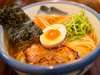
Afuri
The thing to order here is the yuzu shio ramen, a delightfully and surprisingly bright chicken broth that’s been spiked with the citrus notes of yuzu. With that, of course, come all of the fixins: noodles, hard-boiled egg, char siu (pork belly that’s been grilled over charcoal right before it lands in your bowl), bamboo shoots, mustard greens, and a sheet of dried seaweed. To get the right bowl, the one that people line up for at all hours, familiarize yourself with the ramen-ticket machines at Afuri—and common at ramen-ya throughout Tokyo: Insert some cash first and then select the items you want to order. A ticket will be printed for each order, which you’ll then hand over to a staffer. And by all means, explore the options beyond the yuzu shio ramen! There’s seasonal ramen to discover, as well as tsukemen (cold noodles with dipping sauce) for warmer weather—plus vegan and gluten-free noodles made of shiritaki (Japanese yams). Oh, and it’s not only okay to slurp; it’s encouraged.
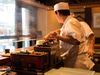
Bird Land
Bird Land is located right across from another Tokyo institution, Sukiyabashi Jiro (yes, that Jiro). Let the crowds form at Jiro’s place while you slip into arguably the finest yakitori restaurant in Tokyo. At Bird Land, the chickens are from Okukuji, which is to poultry as Kobe is to beef. Seated around the open grill, you can watch the cooks expertly serve up all manner of fowl and vegetable, including delicacies like chicken gizzard, thigh with lime, and breast with wasabi. Expect some “rare” chicken, but be not afraid—the quality of ingredients and expertise of preparation means chicken can be cooked more delicately than our traditional blast-the-shit-out-of-it method back at home. You could have a beer with yakitori, but Bird Land also has a terrific selection of junmai-shu sakes and natural wines to go with your chicken extravaganza. Image courtesy of Tokyo.com.
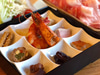
Butagumi
The pork at Butagumi is out of this world. Tonkatsu—breaded, deep-fried cutlets—are the specialty here, and the experience is an exercise in thoughtfulness. The pork comes from heritage breeds from the world’s best purveyors (Spanish Iberico, Hungarian Mangalica, and domestic breeds from Hokkaido, Chibo, Okinawa). Sides of cabbage, smooth miso, rice, and sharp pickles complement the heavy fried cutlets perfectly. The setting—inside a traditional Japanese home in the quiet Nishi Azabu district—doesn’t hurt either.
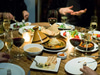
Cicada
A Mediterranean oasis in the middle of Tokyo. Cicada has been a treasured destination in the city since it opened fifteen years ago. In 2012, the restaurant moved to larger quarters, which now means outside pools, an on-site bakery, and an all-day café. There may be nothing more transporting than sitting waterside in a deep lounge chair while enjoying the menu with its Spanish, Italian, Greek, and Levantine influences. Haloumi cheese comes from Hokkaido and is joined on the menu with items like Ibérico ham from Spain, chermoula-roasted eggplant, harissa-marinated shrimp, and a chicken tagine with preserved lemons and olives. Craft beers come from the restaurant’s sister brewery, and the wine list is a rich trove of Mediterranean varietals.
Honmura An
For nearly a hundred years, this Roppongi restaurant has been considered the go-to place for soba. Each day, buckwheat is ground on the premises and mixed to create chewy, flavorful noodles that are hand-cut by the chef and owner, Koichi Kobari, who took over the restaurant after his father died in 2007. You don’t have to spend a lot here to experience great soba—the most basic menu option, Seiro Soba (plain noodles with cold dipping soup), is one of the most popular and will cost you less than $10. Toward the end of your meal, you’ll be presented with a yu-toh, a red lacquered pot containing the water your noodles were boiled in. Drink some straight up, or add some to your dipping sauce to complete the full soba experience.
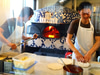
Il Lupone
Were you hoping for a themed restaurant dedicated to Broadway star Patti LuPone? We’re sorry. But we’re not that sorry because what you’re going to get here is some of the most legit pizza anywhere (we’re looking at you, Da Michele). Il Lupone is part of the global federation of Vera Pizza Napoletana, which means it’s been blessed by OGs in southern Italy as being the real deal, down to the kind of stones used in the oven. Mozzarella is flown in twice a week from Italy and makes for the perfect margherita pie. Additional menu items include all kinds of pasta, assorted antipasti, and a top-shelf Italian wine list. Buon appetito, gaijin.
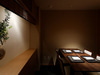
Ishikawa
Down a street that looks like a movie set of Old Tokyo, and with no sign indicating its presence, Ishikawa is a subtle gem specializing in the traditional multicourse kaiseki dining tradition. The restaurant is divided between small rooms and a kitchen-side counter. If you get one of the rooms, it’ll be just you and your kimono-clad server—as private an experience as you’ll ever find (but a seat at the counter will allow you to witness the knifework and alchemy taking place at the hands of chef Ishikawa). In keeping with kaiseki tradition, dinner consists of a progression of small plates, including ingredients like snow crab, scallops, and signature rice dishes prepared tableside by the chef himself. An impressive selection of sakes and wines rounds out the experience.
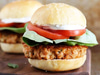
Martiniburger
Yes, you want to get a hamburger in Tokyo, particularly if Eliot Bergman is making it. Born and raised in New York, Bergman is a graphic designer by day and a Tokyo hamburger purveyor by night. His restaurant, Martiniburger, is his attempt to bring a little of NYC to Japan’s megalopolis. Everything is made on-site, from the freshly baked buns to the house-ground beef. The standard offering, the Martiniburger, is a beef patty on an English muffin served with béarnaise sauce. It will blow you away, but don’t let that stop you from exploring the rest of the burger menu, which includes versions named after New York neighborhoods, including the Bronx (chili and cheese), the 6th Street (spicy curry, onions, coriander), and the Long Beach (salmon, avocado, tartar sauce). Finish with a house-made egg cream, and then remind yourself you’re still in Tokyo.
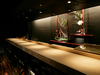
Nagamine
While not strictly a vegetarian restaurant, Nagamine offers a “vegetable kaiseki” that’s not to be missed. Owned by a vegetable wholesaler at nearby Tsukiji Market, the restaurant’s plant-based menu begins with a salad and a strongly addictive tomato drink. A series of soups and small plates builds to the restaurant’s signature dish: the vegetable sushi platter, a display of ginger, okra, mushrooms, eggplant, and tonburi (aka “mountain caviar”) that sits atop perfectly formed beds of rice. Like so many great Tokyo restaurants, Nagamine sits in the basement of a nondescript office building, down a narrow flight of stairs. It’s a singular experience (and compared to many other kaiseki meals in Tokyo, an affordable one)—if you can find the place.
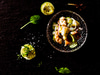
New York Grill
You already know about this place. Here’s how you do it: Make a reservation well in advance because, let’s be honest, you want a table by the window. When you arrive, order a Matured-Fashioned, which is the Grill’s optimized version of an old-fashioned, although in this case the whiskey is Woodford Reserve Double Oaked, the bitters are a resurrected formula from more than a century ago, and the sugar is wasanbon, the highest grade of Japanese sugar, made only on Shikoku island. Then order a classic Caesar salad, followed by either a Kagoshima Satsuma sirloin or, if you really feel like splashing out, the Kobe sirloin. Add the duck fat potatoes and the mixed mushrooms, a bottle of one of the 1,800 (mostly American) wines the Grill keeps in its cellar, and finish with a Kougyoko apple pie that will blow the doors off any state-fair winner.
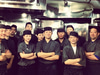
Ninja Akasaka
From the second you arrive at this discreet Chiyoda doorway, you’re in ninja land. The restaurant is an underground prohibition-style bar/ninja hideout, which you reach by being led through what feels like a never-ending series of doors, guided by, naturally, a ninja—in head-to-toe black. The food is pretty good (the Wagyu beef is beyond tender and buttery), but the real entertainment is watching the ninjas perform their magic tableside.
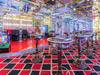
Robot Restaurant
Much of the dining scene in Tokyo is a measured, civilized, indoor-voices only affair. Robot is the opposite. Located down a flight of steps in the heart of busy, Technicolor Shinjuku, this dinner-meets-dance-performance rivals the best of Las Vegas. Inside, the music pounds, the neon lights flicker, and the dancers—in their outlandish, elaborate costumes—move around the stage, acting out a futuristic cabaret. Eating at Robot is more an experience in snacking than a full meal. Yes, there are sushi bento boxes and some meat dishes, but honestly, a bowl of popcorn and a Japanese beer is the way to go as you watch the robots battle it out to the grand finale.
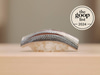
Sushi Meino
Chef Mei Kogo’s sushi mastery all comes down to her ingredient knowledge and point of view: She picks smaller fish for their delicate flavor and texture and washes, cures, and marinates it just so. She even gets her wasabi from a single farmer—the terroir makes a difference, she explains, like with wine. Her six-seat sushi counter is members-only; if you’re headed to Tokyo, find someone who knows someone.
Takazawa
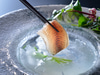
This might be the hardest table to get in Tokyo. Reservations can be made only online and are made two months in advance. The wood-paneled jewel box of a restaurant seats only ten people and is staffed by chef Yoshiaki Takazawa; his wife, Akiko; and that’s it. Bring your bullion, as the Takazawa Experience menu runs upwards of $650 per person (not including wine). But what an experience: eleven courses of exquisitely prepared dishes that combine Japanese and French influences, from chef Takazawa’s signature ratatouille to “Dinner in the Forest,” a grilled dish of bear meat (!), root vegetables, and mushrooms.

Tempura Motoyoshi
Chef Kazuhito Motoyoshi might say there’s no secret to tempura, only the intuition to know whether you have the batter right. The truth is that there are a few secrets: batter density, water types, liquid nitrogen to cool the flour... But he’s right: Only an insane level of experience can get you there. Come, drink sake and shochu, and trust that if Motoyoshi’s giving it to you, it’s fantastic. (This place has two Michelin stars for a reason.)
Tenko Tokyo
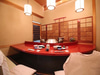
Japan may be synonymous with both sushi and ramen, but what you really need to try is the tempura. Specifically, the tempura at Tenko. A miniature restaurant (and former geisha house) run by two generations of the same family, it’s the kind of place where the chef’s mother will pour your green tea as soon as you walk in. Sit cross-legged at the bar and watch the chef individually fry each piece of fish in light, silky, pale tempura batter. Then enjoy every single bite.

Tomita
At what’s considered the best ramen shop in Japan, the main draw is tsukesoba, ramen master Tomita-san’s fresh, bouncy dipping noodles. They come with thick, gravylike tonkotsu broth made with pork bones, dried sardines, yuzu, and tougarashi (spicy!), as well as your pick of toppings, like pork chashu and perfectly runny egg. This is the OG, about an hour outside of Tokyo. It’s a trip worth taking, even though you have to come in early and line up for timed tickets; ramen fanatics consider it a pilgrimage.
Tsuta
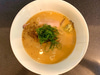
Get to Tsuta early. And by early, we mean before noon if you want to secure the precious ticket that guarantees your seat. (You then come back later in the day, around thirty minutes before your allotted seat time.) There are only nine seats, so plan your day around this event. Not only is this silky, rich, Michelin-starred ramen inexpensive; the noodles are made in-house, the salt comes from Okinawa, and even the soy sauce is cedar-cask-aged. All the ingredients down to the herbs are world-class. The chef’s winning formula is to infuse his broths with truffle oil or dust. While this may sound weird, the truffle brightens the flavor of the ramen and adds an extra layer of umami punch.
Yakumo Saryo
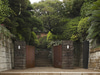
This one’s a little off the beaten path in a quiet residential neighborhood on the outskirts of Tokyo—and it’s entirely worth the trip. Yakumo Saryo is the passion project of designer and chef Shinichiro Ogata, who has designed interiors for Aesop in Japan, as well as the Andaz hotel in Tokyo. The restaurant lies at the top of a hill, surrounded by lush gardens. Plenty of windows and skylights dissolve the barriers between indoors and outdoors. The interior is a model of simplicity, finished in wood and stone. Yakumo Saryo is a modern take on the traditional multicourse kaiseki meal, using ingredients like sea bream, Wagyu beef, and the most perfectly prepared white rice you’ll ever encounter. Guests can be transported for either breakfast or lunch, but dinner is a more rarefied journey—you can get a reservation then only if you’ve dined there before or can be referred by someone else who has.
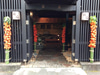
Fukuzushi
If you’re seeking a more casual sushi experience than the temple-like atmosphere of other sushi palaces, head to Fukuzushi in Tokyo’s bustling Roppongi district. In business for more than a hundred years, Fukuzushi is one of the most accessible (and affordable) places to get seriously great sushi. Sit at the counter where chef-owner George will chat you up while delivering you piece after piece of fatty tuna and Hokkaido sea urchin, as well as dishes that rotate with the seasons. When you’ve finished your main course, you will be escorted to the restaurant’s lounge area, where you can finish up with desserts and drinks.
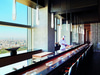
Hinokizaka Sushi
Nestled into the forty-fifth floor of the Ritz-Carlton Tokyo, Hinokizaka Sushi is one of four restaurants at the hotel, each specializing in a different Japanese cuisine. While you can also enjoy some of the best teppanyaki, tempura, and kaiseki in the city there, the sushi counter—a twelve-seat slab of Japanese lacquer with breathtaking views of the Tokyo skyline—is where you want to be. Of course, if you feel like adding anything from the other restaurants to your dinner (or lunch, which is arguably an even better deal), just ask—the staff will gladly help create the perfect pan-Japanese meal.
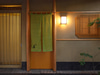
Sushi Shin
While the sushi here is some of the finest you’ll get in Tokyo, don’t sleep on the appetizers either. Whether it’s the grilled scallop with dried seaweed or the bottarga sandwich made with rice paper, you will be dazzled before the first piece of sushi is presented. Oh, but when it is... Chef Shintaro Suzuki is a master of traditional-style sushi, which means generous slices of fish atop properly vinegared warm rice. And while the vibe is serene, Sushi Shin is still one of the friendliest places for out-of-towners to visit.
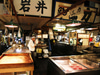
Sushi Dai
Sushi Dai is located at Tokyo’s famed Tsukiji Fish Market, where chefs and tourists show up at the crack of dawn to get their hands on the freshest fish in the world. You can either get up at 4 a.m. to get there by 5 a.m., or just let your jet lag work for you and stay up all night (sake and beer help in this effort). For around $40, you can have an omakase meal of the freshest sushi anywhere. Afterward, tour the market and watch the auctions for tuna, salmon, and other cuts of fish. Also be sure to check out the Aritsugu knife shop around the corner. But move fast—Tsukiji is scheduled to be relocated starting in the fall of 2018.
Sushi Yoshitake
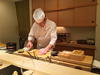
Tucked inside a nondescript building in Ginza, Sushi Yoshitake is a small-scale affair: only seven seats at the sushi bar, plus a private room that seats up to four people. Yoshitake is always in high demand, so try getting a reservation from your hotel’s concierge (and do it well in advance—everybody wants to go here). Once inside, you’ll be in the warm care of chef Yoshitake, who will graciously guide you through a series of sushi dishes that, in a more French-like tradition, are as much about saucing and seasoning as the slices of fish themselves. Finish with a dense tamagoyaki (egg omelet) that does to eggs what Krug does to fizzy grape juice.
Sugita
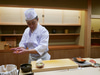
Sushi is deceiving. Thinly sliced raw fish dressed in a spoonful of sauce or placed atop a mound of rice sounds simple. Enthusiasts know better. Achieving the delicate balance of flavors that complement but don’t overwhelm the fish is a complex art form. Chef Takaaki Sugita keeps his omakase menu interesting by including unusual cuts like ankimo (monkfish liver), iwashi (sardine rolls), and his famous kinmedai (golden eye snapper)—a prized fish in Japan. Sugita had his heart set on becoming a sushi master since his school days. The twelve years of training are discernible in his impeccably seasoned and sliced fish. It’s a Michelin-starred restaurant, so be sure to book well in advance. Images courtesy of luxeat.com.
Sushi Takahashi
BYOB is not all that common in Tokyo’s sushi restaurants. And while you’re likely coming for the fish, not the drinks, the staff at Sushi Takahashi is happy to open whatever you bring along for a corkage fee. For diners who aren’t all that psyched to bring a bottle of wine with them, chef Jun Takahashi is a sake connoisseur. The bar is generously stocked with unusual varieties of room-temperature and ice-cold sake that go well—almost too well—with the sushi or the chef’s especially good otsumami plates (Japanese bar snacks). Image courtesy of tabelog.com.
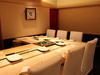
Sushi Ya
Don’t let the fetish bar next door to Sushi Ya confuse you. You’re in the right place. This is another tiny eight-seater in the buzzy Ginza neighborhood, so come early to snag a seat. Chef Takao Ishiyama speaks near-fluent English, which means plenty of friendly chatter as he slices and plates course after course. Sushi Ya’s main event is, of course, the fish, but the rice—so much more than filler—is just as important for the perfect bite. Ishiyama’s shari (sushi rice) strikes that perfect balance between suppai (sourness) and amai (sweetness). Each mouthful is at room temperature with a touch of vinegar to complement the fish. For a splurge, commit to the tasting menu. Locals, however, generally take over the counter at lunchtime, where up to fourteen pieces of nigiri will set you back less than fifty bucks.
Sushi Masuda
For a plethora of reasons (including but not limited to: language barriers, bookings closed on certain days, and tables reserved months out), it can be hard to get a reservation at a lot of places. Masuda is one of those places. Persevere. (It's best to go through the website.) You'll be rewarded with a few perfect umami-rich bites of fish. The chef is a disciple of Jiro Ono (of Netflix fame) and has two Michelin stars. Keep an eye on the counter for shellfish delicacies like needlefish and akagai, which is a rare red clam. Chef Masuda makes his own soy and excels at the deeply savory broths that are the foundation of so many dishes. Important to note: Add the spring onions that come on the side—these green shoots completely transform the flavor.
Sukiyabashi Jiro
Eating out in Tokyo comes with its own set of historical rules The raw-fish-and-rice combo that we now call sushi, originated during the Edo period, when it was considered a quick snack, and it was often eaten in silence. Sushi Jiro has built the traditions of Edo-style sushi into his omakase menu, which means that in thirty minutes, you will consume around twenty-three courses of small bites—quietly—with a green tea on the side. The omakase changes daily depending on what’s freshest at Tsukiji market that morning. Each piece of fish is brushed with soy; dipping the fish into bowls of the salty sauce we’re so accustomed to is frowned upon. Think of this meal as a ritual. Each bite has been carefully architected by the chef and paced out for maximum flavor. Chef Sukiyabashi Jiro is so world-famous that there’s an entire Netflix documentary devoted entirely to his ability to raise sushi to an art. Naturally, booking months in advance is highly advisable. (A look at the website lays out all the dos and don’ts.)
Takumi Shingo
The friendly master Shingo Takahashi apprenticed for Sushi Sho chef Keiji Nakazawa before opening his own place behind this discreet sliding bamboo door on a small street near Aoyama Park. It’s omakase only here—and it does not disappoint. From fresh-as-possible cuts of familiar fish to creamy baby shrimp and sweet uni to the intense flavor of in-season horse mackerel and sea eel. There are also offerings you rarely see, like caviar seaweed to start (the seaweed has little bubbles on the outside that pop when you crunch down), raw eggplant (ever so slightly pickled, though you can’t really tell), and so much more. Takahashi kindly requests no snaps inside the small, pale, minimal space so that you can focus and enjoy your meal. Image courtesy of Tabelog.com.
Bar High Five
This is a bartender’s bar. Spend an evening here and you’re likely to be seated next to another mixology professional, as High Five has a global reputation for excellence. Its founder, Hidetsugu Ueno, used to work at the Star Bar before striking out on his own. As at his former workplace, there’s no menu here: Drink selection will be based on a conversation between you and your bartender. It’s a small place, so keep your party to four or fewer, but plan on spending some time here; the second drink you get will be different—and likely even better—than the first.

Bar Martha
Listening bars are a thing in Japan. You go, you drink, you listen to a DJ spin vinyl, and you stay really quiet while all this happens. One of the best of the bunch is Bar Martha, which has not only amazing drinks but an amazing sound system—one the bar spent $300,000 on. Order a mojito here (make sure it’s with Havana Club rum) and sit back while the music plays. While you’re listening, enjoy the addictive nuts served in Mason jars and do some serious Tokyo people-watching.
Bar Radio
One of the most famous bars in Japan, Radio has been under the watchful eye of bartender Koji Ozaki for more than four decades, and its tuxedoed staff pour some of the best classic cocktails you’ll find (try the gimlet). Unlike at many other bars in Tokyo, smoking is prohibited at Radio, as Ozaki believes that a cocktail needs to be smelled as well as tasted, and he doesn’t want a pack of Marlboros getting in the way of that. It’s a good idea to get a little gussied up for this place—drinking is taken seriously, and you’ll have a better time if your attire reflects that respect. Image courtesy of tabelog.com.

Craftheads
Traditionally, great bars in Tokyo have been very liquor focused. Craftheads is every bit as amazing as the old guard bars, but its focus is beer. Here you’ll find a list of beers that may be the most comprehensive in the world, including specialty beers from the US that you can find only in Japan, not to mention rare brews like the always-sought-after Three Floyds Dark Lord Russian Imperial Stout. The friendly staff is happy to guide you through tastings of different Japanese and American microbrews, and non-beer drinkers can enjoy a concise, yet expertly curated, bourbon list.
Gen Yamamoto
Gen Yamamoto is bringing serious mixology to Tokyo. Having started at Bar Totto in NYC’s Little Tokyo and then moved on to the bar at Brushstroke, he’s returned to Tokyo to open up his namesake bar. Expect an innovative cocktail tasting menu, which includes his (amazing) signature sweet tomato cocktail. Not your typical bar, there’s no music and little talking, just the sound of really well-made cocktails being shaken and stirred in the minimally decorated, handsome room, which is dominated by a long wooden bar.
Golden Gai
This is not a bar; it’s a neighborhood of bars. A few alleys intersect to create a district of drinking: hundreds of small bars, each separately owned and distinct from the others (one is leopard themed, one is themed on the band The Who, another is full of troll dolls—there’s really something for everyone). These are seriously small venues, some seating only or four or five people. At each, it’s quite likely the owner will come over to chat with you (or, in some cases, serenade you). Some of the bars are less welcoming to tourists, so check for signs that say, “OK English.” Expect to pay a cover charge of around $5 per person and make friends with whomever is sitting right next to you
Little Smith
Tuxedo-jacketed bartenders have been mixing cocktails at this Ginza bar for close to three decades. While Little Smith is hardly the new kid on the block, the modernist space with its sloping ceilings and curved bar—designed by Takahiko Yanagisawa—feels thoroughly contemporary. There’s no menu. Instead, bartenders have a sixth sense about what you might like, and somehow, their concoctions always taste just right. A seat at the small bar hugging one of those custom drinks feels low-key and cozy, an oasis away from the jostling crowds outside. If you’re partial to the classics, they make a mean martini.
Mori Bar
Looking for Tokyo’s most elegant gin martini? That’s a Mori. Ten floors up from the busy sidewalks of Ginza, seventy-one-year-old martini master Takao Mori swizzles away in his namesake cocktail bar. Inside, the lighting is dim and the décor refined, but like the legend himself, Mori Bar has a playful side that smiles in the corners: baseball paraphernalia hangs on the walls, and clues to the bar’s history are tucked throughout. The obvious order is the Mori Martini. It’s the drink he can’t resist making himself, the drink that brings him out to the bar in his cream blazer. Watching Mori make a martini is somewhere between observing a master chef and a magician. He begins by building flavor at the most basic level, coating the ice with a precise drop of bitters, then follows with a masterful free pour (to say he’s discerning would be an understatement—the weight of the liquor is critical). The magical part is the sleight of hand that is Mori’s stir—graceful, efficient, and indicative of why he is legendary not only for his martini but also for educating many of Japan’s finest bartenders.
Rainbow Karaoke
No trip to Tokyo is complete without indulging in a little kitsch and karaoke. Rainbow is as much a spot for veteran would-be superstars as it is for shy-to-sing novices. Many of the rooms have full band kits—drums, guitars, speakers—while others are cozy and private enough for guests coming to sing solo. It’s a stone’s throw from Shibuya station, so it’s easy to get to. The courage issues that alcohol can’t help, sugar might—hence the free ice cream at reception.
Star Bar
Star Bar is one of the best bars in Tokyo, which means it’s one of the best bars in the world. Owner and chief bartender Hisashi Kishi is the king of cocktails, a master of both classics (definitely get his sidecar) and modern concoctions. There’s no set menu, just a conversation between you and your bartender about what you like to drink and what fresh ingredients are available that day. Some of the best fruit-based drinks you’ll ever have—with ingredients like plum, yuzu, and pomegranate—will be found here, expertly prepared. Bartenders hand-cut ice for each drink: Sometimes they’ll use “ninja ice,” which is so clear, it will disappear inside the glass; other times they’ll make “brilliant ice,” which glitters like a gem. There’s a small cover charge, no reservations, and you can enter only if there’s room to sit. If the original Ginza location is too crowded, check out the new flagship location, scheduled to open this spring in Tokyo’s Midtown Hibiya.
Wodka Tonic
Whiskey lovers, here’s your bar. There’s more than one location of this Tokyo favorite—go to the original one in Nishiazabu. There you’ll find a dark, carved-wood den with dedicated but friendly bartenders, delicious bar snacks, and—most importantly—a selection of more than 1,000 whiskeys. Most are from Scotland and Japan, but there are also rare, Japan-only bottles of bourbons and ryes, not to mention an enviable inventory of Irish whiskeys, all served in delicate glassware that is as impressive as what’s been poured inside it.

All Seasons Coffee
Drinking a milky coffee at All Seasons is a lot like being in a sensory-deprivation tank: At least insofar as the walls are white, the floors are white, the furniture is wooden, and there is next to no decoration. Before you start thinking it’s austere, it’s not; the minimalist look of the place is chic as can be. Founders Jun and Emi Saito met while one was selling dried fruit and the other was making furniture in the same building. They were always on the hunt for a good cup of coffee and eventually thought: Let’s just do it ourselves. Stop in for a delicious caffeine buzz and a bit of breakfast if you’re hungry—the crepes and egg dishes are especially good. All Seasons is not a café where the seats are filled with people feverishly typing on laptops; it’s more of a conversational, let’s-catch-up kind of place.

Café de l'Ambre
No cake. No Wi-Fi. Just coffee. In early twentieth-century Japan, dark, smoky coffee shops called kissetan were the norm. Café de l’Ambre is really the last of its kind in Tokyo—not much has changed since 1948, which is fine with us. Owner Sekiguchi Ichiro is a centenarian who advocated the unusual practice of aging premium coffee beans—sometimes for decades—before roasting and grinding them to serve. Ichiro discovered this deep, robust aged flavor when a shipment of his beans from Europe got derailed during the outbreak of World War II. When the coffee eventually arrived in Japan five years later, Ichiro roasted the beans anyway, and the flavor took off. Sitting at the old curved bar watching the barista—or Ichiro himself if you’re lucky—hand-drip coffee probably harvested in the ’70s through a sieve is unlike anything you’ve ever seen. Images courtesy of tokyocoffee.org

Little Nap Coffee Stand
So much more than a coffee stand, Little Nap is a chic hole-in-the-wall that probably fits no more than four drinkers at any given time. The building is a New England–style clapboard, and the floor-to-ceiling glass wall means you can sit with a steaming cup of caffeine in hand and watch the world go by. Little Nap deal in both coffee and ice cream, and we recommend combining the two. Order a scoop of vanilla and a shot of espresso for a do-it-yourself affogato—the perfect combination of sweet and bitter that happens to have the effect of rocket fuel. All the beans are roasted in their own roaster nearby.

Sarutahiko Coffee
If the prospect of the most photogenic little pancakes doesn’t draw you into Sarutahiko, we don’t know what will. This café is clean and minimalist in the Scandinavian way with its rough, untreated wood, streams of light, and unadorned tables. All the beans come from the café’s own roaster, and in a city where the coffee scene is still flourishing, these guys are at the top of their game.

Steamer Coffee Company
Steamer’s first owner was a latte art champion. For real. It’s worth knowing that to achieve those pretty brown-and-white hot-milk swirls, the espresso needs to be well extracted and the milk perfectly steamed. Steamer’s lattes are an excellent way to wake up—creamy, hot, and a little bit sharp, served in a mug the size of a soup bowl, much as the French serve café au lait. The military latte, an East-meets-West mix of espresso, milk, and matcha, is a brew for the more adventurous. Like many spots in Tokyo, this place is perpetually slammed, but the intricate illustrations in every cup elevate the ordinary experience of drinking coffee into a novelty.
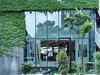
Saturdays NYC
Yep. A surfers’ café in Tokyo. Saturday NYC could have been plucked off of Sydney’s beachfront—the wooden floors, the surfboards, the laid-back vibe...it’s all here. In a city as chaotic as Tokyo, a seat on this café’s quiet patio, surrounded by greenery, with a view of the surfboards inside, feels like an oasis. The coffee beans are sourced from Ethiopia and the flat whites are some of the best in town. For the dairy-averse, the oat milk froths up well and tastes a lot like cow’s milk, actually.
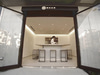
Tokyo Saryo
Tea time should be sacred, especially in Japan. That was the thinking of Tokyo Saryo’s owners as they witnessed the coffee craze sweep over their city, while traditional, domestically produced tea was relegated to the back seat. The resulting tea house is soothing in its minimalism—off-white bare walls surrounding a simple square bar where a tea master does the brewing. Every detail of the experience is painstakingly considered. The pour-over pots have copper bases, ceramic drippers, and wooden holders designed by the owners to extract the maximum flavor from the leaves. Japanese green sencha tea can handle more than one infusion, so make sure you leave adequate time to enjoy this ritual. The first cup will taste strong but sweet, while the second will taste stronger still and create a light caffeine buzz to steer you through the afternoon.

Hoshinoya Tokyo
Hotels don't get much sleeker than Hoshinoya Tokyo, a spectacularly modern take on a ryokan (traditional Japanese inn) that's ensconced in the city's thrumming financial district. You slip off your shoes when you get there and you're in another world-a calm, seductive, luxurious one-as you make your way down the sandalwood-scented, tatami-lined hallway. There's a sake-stocked lounge that's definitely worth a linger, but the onsen is the biggest draw, with its series of indoor and outdoor hot spring bathing pools on the seventeen-story monolith's top floor. The naturally salty water is therapeutic, energizing, head-clearing. You haven't really experienced Tokyo until you've gazed out at its twinkling lights from a bubbling tub of hot spring water.
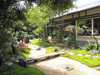
Maenohara Onsen Sayano Yudokoro
This beautifully landscaped place is actually, miraculously, a hot springs resort right in the middle of Tokyo. Along with large public pools to swim around in, there's all manner of indoor and outdoor baths fed from the free-flowing spring, which is especially rich in sodium chloride. There are full-length tubs you can lie down in, others that look like giant pots, and super secluded hydromassage hot tubs that give you a lymphatic massage as you soak. Book an appointment for a hot stone treatment or akasuri-a vigorous full-body exfoliation-and stop by the restaurant afterward for the most delicious buckwheat noodles.
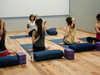
Nami Yoga Studio
Practicing yoga in Tokyo is a special brand of lovely. Kurokawa Namita is known for intimate, challenging classes that focus on deep breathing and poses held for extended periods of time. The all-female staff is great at hands-on adjustments, and classes are taught in both Japanese and English. The Jivamukti classes with Namita are especially invigorating, and there are also great express classes offered midday, as well as classes for kids.
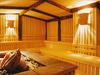
Niwa No Yu
Talented landscape architect Kenzo Kosugi designed the lush and meticulously kept Japanese garden that this beautiful onsen is built into. Luxuriating surrounded by the greenery and prettily placed rocks is indeed heaven. There are male and female soaking pools and a central pool for all genders, as well as saunas and outdoor hot tubs. You have to be at least of thirteen years old at this spot, so the vibe is more serene than at some of the larger onsens, where children have free rein.
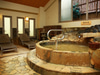
Shimizu-yu Onsen
There are two distinctly wonderful bathing experiences at this onsen: The amber-colored water in the Golden Hot Spring is iodine-rich and naturally maintains a temperature of one hundred degrees, while the inky water of the Tokyo Black Hot Spring feels almost gelatinous and gets its color from the skin-clearing minerals. There's also a gorgeous hot stone sauna and a small selection of food in the lobby. For the complete experience, order the onsen tamago, an egg cooked in the hot spring water, which you eat with a cup of diluted apple cider vinegar.
Spa LaQua
The faded sounds of Tokyo Dome, the concert venue/entertainment complex next door, somehow add to the experience of luxuriating in this impressive hot spring spa. There are two open-air bathing areas, one where the healing pools are warm, and another where they're a bit cooler.
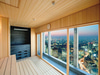
The Spa at Mandarin Oriental, Tokyo
The hotel's clean lines and glossy flourishes extend to the gorgeous spa. With male and female bathing pools, an amethyst crystal steam room, a sauna with a million-dollar Tokyo view, and treatments that verge on out-of-body incredible, this place is supremely pampering. Every session starts with a soothing foot-bath ritual and a consultation. The Oriental Harmony treatment is over-the-top, with two therapists working together to sooth, replenish, and balance skin with a body scrub and a stimulating massage. There are only four treatment rooms here, which means you should book your session well in advance-and also that the vibe is beautifully intimate.
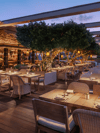
Saturday, Sorted: 3 Galleries by Yuko Mohri and a Samurai Negroni by Watr Rooftop

5 Thought-Provoking Novels to Discuss and Debate This Fall
These novels are guaranteed to give you and your friends something to talk about.

48 Hours in San Diego
Here’s how to spend the perfect weekend in this laid-back coastal destination—home to goop’s kitchen’s first dine-in location in Del Mar.



48 Hours in Istanbul
History, incredible food, fantastic shopping, and centuries-old bathhouse culture make Istanbul a must-visit. Here’s how to make the most of a few days in this endlessly fascinating city.
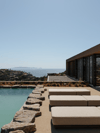
Tierras Villas in Crete Isn’t Quite a Hotel—and That’s the Point
Five private villas with infinity pools and wide-open Aegean views offer the privacy of a house with the ease of a hotel—the latest chapter in a Cretan family story that began more than three decades ago.


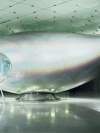
10 Must-See Art Exhibitions to Fill Your Fall Itinerary
Take in out-of-this world large-scale installations in Tokyo and one of the year’s most anticipated shows in London—where Edward Enniful explores the art, photography, and fashion of the ‘90s.

How I Stopped Trying So Hard to Win Over My Teen
One mother shares how a weekend in Coronado, a failed concert, and a little unplanned downtime helped her reconnect with her teenage daughter.
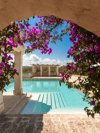

5 Smart Novels to Pack When You Want More Than a Beach Read
Five emotionally rich literary beach reads from Maggie O’Farrell, Kathryn Stockett, Elizabeth Strout, Andrew Sean Greer, and Ann Patchett.

The Garden Spell of San Ysidro Ranch
In Montecito, a storied hideaway of vine-covered cottages, fragrant gardens, candlelit dinners, and rare privacy proves that the greatest luxury may be being left alone.
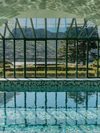

.png)
The Historic French Spa Town Where You Can Still Take the Waters
Where to stay, eat, and explore in Évian-les-Bains on the shore of Lake Geneva.
.png)
Where Nancy Silverton Actually Eats in Los Angeles
From old-school institutions to under-the-radar gems, the legendary chef shares her go-to restaurants, markets, and specialty food destinations.