Joy

why we love it
Lines like Masscob, The New Society, and Xirena set the tone here, which is equal parts girly and refined.
Originally featured in The Paris Art & Architecture Guide
Shops

JAR
While JAR (a.k.a. Joel Arthur Rosenthal) may have a shop—and that shop may be in Place Vendôme—there’s no point in swinging by unless he’s accepted your appointment. After all, there isn’t even a sign, much less regular hours. Making only 70-80 pieces per year, this reclusive designer and Harvard grad may have come from humble roots (he’s the child of a biology teacher and Bronx postal worker), but he’s made jewelry for some of the world’s most beautiful women. Those who can’t get an original (he won’t sell a piece to someone unless he’s convinced it’s a match), can always pick something up at auction: A 2006 Christie’s sale of Ellen Barkin’s JAR collection featured 17 pieces, including a 22.76-carat diamond ring that fetched more than 1.8 million.
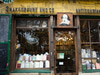
Shakespeare and Company
This just might be the best bookstore in the world. It has the vibe of a warren-like country home rather than a straightforward shop. Books are piled haphazardly from floor to ceiling (many of which are in English), there are benches dotted here and there, and it's staffed mostly by college kids who are full of great recommendations. It’s also home to a rich literary history—over the years, Shakespeare and Company has played host to famous American writers like Allen Ginsberg, Ernest Hemingway, William Burroughs, and William Styron. Founder George Whitman (the shop is now run by his daughter, Sylvia) famously opened up the shop’s cozy benches and couches to artists and writers who needed a place to stay. Many of these drifting creatives—or tumbleweeds, as they became known—went on to become important literary figures in their own right.
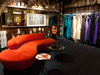
L’Eclaireur
There are very few boutiques that fully embody an aesthetic, but L’Eclaireur does this perfectly—no small feat, considering there are seven very distinct shops scattered around the city, as well as a bar/restaurant that doubles as a shrine to Piero Fornasetti. Armand and Martine Hadida’s original outpost in 1980 was incredibly important for a number of reasons, most notably because L’Eclaireur was the first to break brands like Prada, Helmut Lang, Dries van Noten, and Martin Margiela in France. While the Hadidas have had every opportunity to rest on their laurels, the pace has been relentless ever since as they’ve continued to ferret out the world’s best new talent, in fashion, in jewelry, and in home goods. While the mix at every spot varies, we like the moodily gothic Place des Victoires location best. Under the light cast by a strange and fantastic bird chandelier, you’ll find Fornasetti umbrella stands, chunky chain link bracelets from Mawi, cashmere travel wraps by Denis Colombe, and coated Saint Laurent skinny jeans. If time allows, their most recent project shouldn’t be missed, either: They’ve taken a space in Habitat 1964’s vintage village at Les Puces, where they’re selling a smattering of archival fashion pieces along with furniture. The first U.S. outpost recently opened in Los Angeles.

Pierre Hardy
As seems to be the way in Paris, Pierre Hardy was many things before he was a shoe designer. Initially, the Parisian-born Hardy was a professional dancer. And then he was an illustrator for Vogue Hommes. And then he went to Christian Dior to design shoes, before moving on to Hermès. While he launched his own, iconic collection in 1999, he’s never stopped working for other brands. He’s still the creative director of Hermès’ fine jewelry, and he does men’s and women’s shoes for Balenciaga. His space in the Palais Royal is dark and gothic, which is a pretty epic backdrop for his day-glo shoes and cube-patterned clutches; his second location in the Palais Bourbon is equally (wonderfully) gloomy. There's another store located in the 1st.
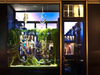
Lydia Courteille
Lined in lush blue velvet, stepping into Lydia Courteille feels a bit like stepping into a music box. It’s a fittingly dream-like backdrop for her handcrafted pieces which take a deep bow to fantasy. Fire opals are set in the maws of lizards, and diamond fireflies sit on carved coral flowers: All of her jewelry is stunningly unusual.
Repossi
Artistic Director Gaia Repossi has transformed her family’s old-world institution—which is the official jeweler to the Royal Family of Monaco—into a relevant and modern brand. Ear cuffs, black diamond-studded earrings, rings that span two digits, and collaborations with designers like Alexander Wang may not be the normal provenance of a nearly-century old jewelry house, but the decidedly cool results justify the departure.
58m
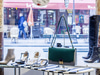
While its décor is colorful and eye-catching, the shoes and bags here skew more toward the understated. It’s an interesting mix of French and American brands with an eye toward lowkey luxe. Laurence Dacade boots mingle with K. Jacques and Ancient Greek Sandals, along with a handful of streamlined satchels from brands like Alexandre Mareuil and Cahu.
French Trotters
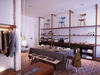
Now two locations strong, French Trotters pretty much epitomizes what a great boutique should be: Beyond a host of exclusive collaborations, their buyers manage to zero in on the best and most relevant items from the lines they stock. Everything, from the perfectly turned out Michel Vivien sandals to Jerome Dreyfuss totes, seems like an important wardrobe building block. Meanwhile, don’t miss the very well-priced house label.

Maison Bonnet
Though Maison Bonnet is still relatively little-known, almost everyone has seen the house’s glasses. After all, this fourth-generation, Maitre d’Art-recognized, family-run business, which was officially established in 1950, has made some of the most iconic frames around. Yves Saint Laurent, Le Corbusier, Jackie Onassis, and Jacques Chirac were all clients. While you won’t be able to pick up a pair at your local optometrist’s office, you can visit their appointment-only Paris outpost, which actually just opened in 2009 (the company operates out of a workshop in Sens, Burgundy). There, a master craftsman will map your entire face, measuring three different angles of your nose, the gap between your temples, the overall structure of your skull, the shape and tenor of your cheekbones and eyes, etc. One pair of glasses requires three visits (the final two can be condensed, for those who are visiting), and while they’re revered for their work in tortoise shell, they do more affordable versions in horn and acetate as well.

Maison Martin Margiela
Nothing Martin Margiela turns out is particularly basic, but thanks to a muted palette and exquisite tailoring, everything is supremely wearable. The Belgian designer’s boots are always classic (if cerebral), and his jewelry is pretty cool, too. MM6, Maison Martin Margiela’s more reasonably priced line, is located in Galeries Lafayette.
Maison Francis Kurkdjian
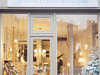
Francis Kurkdjian's nose may be responsible for some big blockbuster scents (he created Jean Paul Gaultier's Le Male at the beginning of his career—and then went on to do dozens more scents for pretty much every big fashion house around), but it's his special projects that we love best. He helped artist Sophie Calle bottle the smell of money in 2003, and in 2006 he re-created the scent of Marie Antoinette for an installation at Versailles. It's no surprise that at his namesake gallery-like boutiques in the 1st and 4th arrondissements, things are done a little differently: Perfumes are set against a wall of light, and the offerings go well beyond the traditional. His signature scents infuse everything from incense paper to leather bracelets to home sprays, and his now-famous traveling perfume case is on hand should you require a custom fragrance.
Marché Paul Bert & Marché Serpette
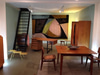
While officially part of Les Puces de Saint-Ouen, these two markets are distinct enough to stand on their own: Here's you'll find the more rarified antiques and easy proximity to the delicious restaurant Ma Cocette.
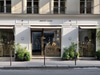
White Bird
Though you'll likely recognize some of the big names here by their signature style, White Bird breaks new designers onto the scene, too. The vibe is low-key and unintimidating, making this a great resource for significant others who need some guidance and are in gift-buying mode.

Bulle
Helmed by Audrey Halin and Marie Leonetti, two 30-somethings with an inarguably excellent knack for finding buried treasures, Bulle (which means Bubble in French) sells those treasures, reimagined. Whether it's a mid-century credenza that's been revitalized with a some cherry red paint, or a sturdy sideboard, inset with tiles, the pieces here don't feel retro or kitschy at all. They're fun and bright and wonderfully modern. There's also an in-house line of new pieces that are indistinguishable from their vintage peers (but obviously, not one of a kind).

Habitat 1964
So here's the deal: Sir Terence Conran's Habitat, which launched in England in 1964 with the sole premise of bringing affordable, useful, and beautiful everyday objects to the masses, pioneered the renovation of a massive former chandelier factory at Les Puces. And then they enlisted famed fashion retailer L'Eclaireur and a handful of venerable antiques dealers to join them in opening up shops. At Habitat, you'll find iconic vintage pieces from the company's past 40 years—all sourced from the staff and a general online appeal. If you're looking to unload a few Habitat pieces from years ago, you can likely sell them back here. Meanwhile, don't miss La Buvette in the complex, which traffics in cakes and excellent coffee.

Caravane
With a palette of muted tones, and pieces that look like they belong in a sand-washed cabin on the beach, Caravane is a useful resource for unfussy linens—both for the bed and the table.

Marché aux Puces Saint-Ouen de Clignancourt
Flea market is a bit of a misnomer for Les Puces, which is inarguably the world’s most iconic: It’s a destination for antique and interiors lovers, and lined with the dealers that service them. You won’t find fledgling stalls—you’ll find full-on stores. In short: There’s no thrifting here, and very little that could be perceived as a bargain. The goods are gorgeous, though, and justify the high price tags.
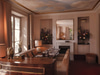
Le Grand Salon
Le Grand Salon, located at the Hôtel Particulier Montmartre, is designed to offer a respite from the craziness of the city. The classic French cuisine and seasonal cocktails can easily stand on their own, but you'll enjoy them even more if you sit in the property’s hidden garden. The weekend brunch is legendary, and the intimate bar, Le Très Particulier, is worth a visit.
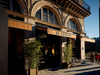
Le Fumoir
With the style of a ’40s British lounge, this is the perfect respite after a morning haul through the Louvre. They have a great value prix-fixe menu, but we usually come for a snack, savored over an international paper on one of the library room’s overstuffed leather couches. Creaky wooden floors, a constant stream of jazz, and a well-heeled clientele make any pitstop here feel like a dignified affair.
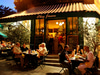
Chez Janou
Popular with locals and staff from the nearby galleries, this lively and unpretentious Provençal-centric restaurant offers a delicious range of entrées and desserts. If you opt for the latter, they make the most memorable and dangerously delectable chocolate mousse—which just so happens to be all-you-can-eat.

Ferdi
Named for their son, Ferdinand, owners Alicia and Jacques Fontanier decorated this tiny spot with artifacts and ephemera from his childhood. It’s a nice touch, as is the cheeseburger, which is known as one of Paris’s best. This spot is particularly big with a fashion crowd.
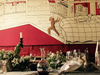
Restaurant Petrelle
The bric-à-brac décor here is pretty irresistible, and it’s also the perfect backdrop for one of our favorite, out-of-the-way date night spots in Paris. The homestyle French cooking is as exuberant as the surroundings—and it’s topped off with excellent dessert.
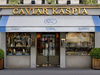
Caviar Kaspia
Since the 1920’s, Caviar Kaspia has been offering a luxurious, old-world Russian experience—with a beautiful view of the Eglise de la Madeleine. Plush, and paneled in wood, there aren’t many surprises in the dining room: You’ll find top-shelf caviar, blinis, champagne, and loads of vodka. Be sure to call ahead for a table, as the restaurant no longer takes online reservations.

Ma Cocotte
At 250 seats, this bustling, Phillipe Starck-designed restaurant has an industrial loft feel, which is actually a nice, modern antidote to the antique vendors in the surrounding flea. The food is feel-good French (ratatouille, green bean salad, steak frites), which is exactly what you want after a long morning of treasure-hunting at the Les Puces.

Les Vins de Bellechasse
In Paris, charming little eateries are a dime a dozen, but this bistro is a true standout. Located just steps from the Musée d’Orsay on the left bank, it serves reasonably priced French fare (duck breast, eggplant, tarte tatin), excellent wine, all against a backdrop of a lipstick-red banquette and a caricature wall. This is a neighborhood spot that gets pretty packed with locals in the evenings, so don’t expect to run into too many tourists.
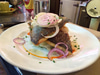
Café La Perle
On summer nights, the crowds here spill out onto the streets; when winter’s chill descends, it’s one of the cozier spots in the Marais.

Wanderlust
Situated on the quay of the Docks en Seine—also home to Paris's fashion institute—Wanderlust is a bit more than just a club/bar/restaurant. Though a small part of the enterprise lives indoors, it primarily resides on the sprawling outdoor terrace which overlooks the Seine. Exposed pipes, neon lights, live music (DJs, generally), and a stylish crowd are all hallmarks of this much-buzzed-about destination.

Silencio
Leave it to the mind behind Twin Peaks and Blue Velvet to engineer Paris's most labyrinth-like club—in one of the city's most culturally significant buildings. Constructed in the late 19th century as a publishing press for France's leftist newspapers, Émile Zola printed "J'Accuse" there in 1898, and rumor has it that Molière might be buried in its hallowed ground. For its 2011 opening, David Lynch designed the entire, garret-like space himself, from the futuristic theater to the wood-block lined passageway to the '60s-style bar. Until midnight, it's a private club with screenings, talks, and private exhibits; after midnight, it's a full-on dance club with some of Europe's best DJs.
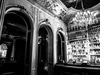
Carmen
A wildly ornate bas-relief ceiling—moodily lit by Versailles-worthy chandeliers—is actually not the first indication that this isn't your average bar (that would be the gigantic birdcage at the entrance). Occupying the former mansion of composer Georges Bizet (hence the name, Carmen), this Pigalle club gets particularly busy around fashion week, when any number of designers host their after-parties here. While DJs play until 4 a.m. on weekends, the space hosts more-civilized affairs, too.
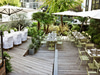
La Maison Champs-Elysées
Smack in the middle of Paris’ Golden Triangle (Avenue Montaigne, the Champs-Élysées, and the Grand Palais), Martin Margiela—known and loved for his very specific and very conceptual spin on fashion—doesn’t immediately come to mind as a likely candidate for a hotel interior decorator. After all, his namesake boutiques tend to be impossible to find and packed with thrilling—though stark—design flourishes. But there’s nothing cold about Le Maison Champs-Elysée: It’s cool and other-worldly, but its architectural moments (neon signs, chairs draped to resemble ghosts, a rhomboid concierge desk) never compromise on comfort.
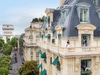
The Peninsula
The Peninsula’s grand outpost in Paris delivers all the luxurious elegance we’ve come to expect from the brand. Housed in a 19th-century building perfectly suited to its style (it opened as a grand hotel back in 1908), the Peninsula is the kind of place where you can trust that no detail is spared. You’ll find enormous bouquets of fresh roses on every spare surface, an extremely attentive staff, and a guaranteed good night’s sleep in their beds. While the spa, bar, and main dining rooms are lovely, our favorite spot is the rooftop restaurant, which offers a stunning view of the Eiffel Tower.
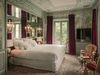
Hôtel Particulier Montmartre
This intimate maison—the former home of the Hermès family—has just five guest rooms, each one distinct: One has luxe bachelor pad vibes, done up in black marble and leopard print wallpaper; another is light and airy, with details that call in the lush, ivy-lined courtyards that surround the building. Speaking of: This place has one of the biggest and prettiest gardens of any Paris hotel, with gravel courtyards, lush ivy, and wrought iron bistro tables. Dedicate an evening to dinner in the loungey dining room, Le Grand Salon,, and drinks at the glowing, gilded bar, Le Très Particulier.
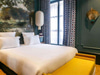
Hotel Monte Cristo
A hotel inspired by the residences of great nineteenth-century writers and thinkers like Alexandre Dumas—hence the Monte Cristo reference—seems fitting for the Left Bank location. (The neighborhood has long been considered the center of gravity for Parisian intellectuals.) Let's start at the bottom: the pool, surrounded by plants and blue tile, is pretty, intimate, and so necessary after a day spent pounding the cobblestones. And the same goes for the sauna. The guest rooms (go for the boudoir option) are quietly luxurious with rich navy carpets, beautiful frescoes behind the headboards, and the softest white sheets. Touches like tapestries, sumptuous textiles, and painted wallpaper articulate the communal areas and look a lot like the furnishings the Count of Monte Cristo himself might have encountered during his travels. In a city where everyone goes out, staying in for a swim, a steam, and a rum cocktail at the hotel bar is incredibly appealing. The breakfast spread is also worth mentioning. It's served at the bar, and the pastry situation rivals that of the best bakeries in the city.

Les Catacombes de Paris
When a handful of city cemeteries were closed in the 18th and 19th centuries because they were overflowing and posed a threat to public health, the bodies of more than six million Parisians were relocated to a former quarry below the city. What's even gnarlier is that bones and skulls were used to create its walls. You can tour the labrynth-like ossuary—and theoretically visit the remains of notables like Rabelais and Robespierre—but this is not for the claustrophic, and probably not for kids.

Fondation Cartier pour l’Art Contemporain
The Foundation Cartier pour l’Art Contemporain, situated in a Jean Nouvel-designed glass building and fronted by a soaring garden wall, houses an important—and growing—contemporary art collection. Don’t miss their Nomadic Nights, when the Foundation invites contemporary artists to host evenings of concerts, screenings, lectures, and performances.

Cinémathèque Française
Built on the collection of co-founder Henri Langlois—who, with the help of friends, managed to smuggle most of his compendium of films out of France before the German Occupation—the Cinématheque Francaise houses one of the largest movie archives in the world. Though it's had a peripatetic existence, it's now housed in a Frank Gehry-designed building. There are exhibitions along with daily screenings of classics (and a restaurant on the ground floor).

Docks en Seine
Home to Paris's fashion institute, this rehabbed 1907 warehouse on the Seine—marked by an undulating lime green glass roof—also plays host to exhibition spaces and a handful of boutiques (many of which sell student work). The real draw, though, is the bar/club/rooftop restaurant called Wanderlust on the quay level. It occupies an outdoor terrace where you can catch an open-air screening or just sit in the sun.

La Gaîté Lyrique
In a wildly compelling juxtaposition, this museum pairs electronic music and digital arts with the facade of an original 19th-century theatre. While the exhibitions are great, try to catch a concert here—and cap it off with a cocktail at the bar.

Galerie Emmanuel Perrotin
Best known for giving Damien Hirst his first solo show in 1991, Galerie Perrotin trailblazed in the Asian art market (they also gave Takashi Murakami his first exhibition outside of Japan). Over the intervening years, Galerie Perrotin's pace hasn't dwindled: They continue to launch up-and-coming artists from around the globe.

Galerie Chez Valentin
Chez Valentin may be small in size, but it's big on ambition: The contemporary artwork here always pushes the envelope in the most compelling way.

Galerie Chantal Crousel
This is Chantal Crousel's second location, offering the same reliably excellent mix of emerging and established artists from the contemporary art scene: In the past, she's exhibited talents like Cindy Sherman, Jenny Holzer, Sophie Calle, and Richard Prince.

Musée du Quai Branly
Opened in 2006 in a soaring space designed by Jean Nouvel, this is part museum and part research/education center. You'll see a compendious display of objects and art from African, Oceanic, Asian, and American cultures that truly appeals to all ages. We always make any trip here revolve around lunch in order to take a pitstop at Les Ombres on the 5th floor: It has great views of the Eiffel Tower.

Musée Nissim de Camondo
This is officially part of Les Artes Décoratifs (the main museum occupies the Western wing of the Louvre), but this is a great opportunity to tour a former private home and see pieces in situ. Incredibly intricate rugs, needlepoint chairs, and gorgeous table settings. Built in 1911 by Comte Moïse de Camondo, a Sephardic jew whose family made its fortune in banking in the Ottoman Empire, the house was left to his son, Nissim, who was killed in World War I; Moïse established the home as a museum in his honor. Years later, Moïse's daughter, Béatrice, and her family were killed in Auschwitz.

Musée des Arts Décoratifs
The Musée des Arts Décoratifs, occupying the northwest wing of the Louvre, houses a massive collection of furniture, tapestries, ceramics, glassware, sculptures, paintings, and fashion dating from the 13th century to the present. If you’re into history and interior design, you’ll love it. But people really flock here for the temporary exhibitions, which often feature archival collections from iconic fashion houses like Dior, Dries Van Noten, and Iris van Herpen.

Galerie Thaddaeus Ropac
Thaddaeus Ropac opened his first gallery in Salzburg when he was only 23, followed by an outpost in Paris seven years later. He represents a host of international talents (including Anselm Keifer), and is known for ambitious exhibitions and plenty of guest star curators (including Sofia Coppola). Thaddaeus Ropac also opened a space in the Paris suburb of Pantin, which easily justifies a trip for collectors.

Père Lachaise Cemetery
Paris's largest (and most historic) cemetery plays home to pretty much everyone you'd ever want to commune with after death: Marcel Proust, Oscar Wilde, Jim Morrison, Georges-Pierre Seurat, Gertrude Stein, and Édith Piaf all rest here—plots are still available, but the waiting list is long.
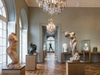
Musée Rodin
Auguste Rodin donated his complete collection—including the pieces for which he's most famous like The Thinker and The Gates of Hell—to France so long as they promised to transform the very stately Hôtel Biron, which was his workshop from 1908 on, into a museum. There are thousands of his sculptures on-site, in both the museum's halls and scattered throughout the surrounding gardens, along with highlights from his personal art collection (Monet, Van Gogh, Renoir, and Camille Claudel—who was his mistress, his student, and a great sculptor in her own right).
Maison Européenne de la Photographie
While the work of photographers like Helmut Newton might hypothetically seem too stark and modern for this rambling and elegant 18th century mansion, it's a combination that totally works: Beyond an impressive permanent collection, this museum always lands the exhibitions everyone is talking about, whether it's Shirin Neshat, Henri Cartier-Bresson, or Sebastião Salgado. Keep in mind that they're closed on Mondays and Tuesdays.

Picasso Museum
It's rare to find a museum where you can see such a wide breadth of a single artist's work, but in this Marais manse (which dates back to the 1600s), you can see pieces from every period of Picasso's life. In addition, it also houses Picasso's personal art collection, which includes pieces from Cézanne, Rousseau, and Degas, as well as significant African art.
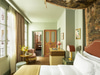
Le Grand Mazarin
It’s impossible to choose our favorite thing about this glamorous Le Marais hotel: the stripe-bottomed pool with a ceiling fresco by artist Jacques Merle? The in-room beauty bar menu from Oh My Cream that delivers Augustinus Bader, Tata Harper, and more to your door in 30 minutes or less? The rich design that feels as if you've entered a Wes Anderson film? Swedish interior designer Martin Brudnizki took inspiration from the salon culture of the Enlightenment, mixing eclectic prints, beautiful textures, French-artisan-made furnishings, and antiques from Paris flea markets. It’s the fourth luxury property from family-owned boutique hotel group Maisons Pariente—and in true Maisons Pariente fashion, expect elegance and exceptional service. Don’t miss dinner and drinks at the hotel restaurant, Boubalé, by Michelin-starred chef Assaf Granit.

SO/ Paris
This stylish hotel, squeezed between the Marais and Bastille districts, has a front-row views of the Seine and Île Saint-Louis. Terrazzo marble floors reflect the cobblestone streets of Paris. The lobby is spectacular, with giant pillars, amber-glass mirrored walls, and a striking painting by French-Algerian artist Neïl Beloufa. And the hotel collaborates with artists, florists, and brands on rotating pop-ups. The 162 rooms are sleek and modern, and categorized by view. We love the details like warming-towel racks, bulldog-shaped speakers, and floating nightstands. There’s a fitness center, pool, and intimate Codage spa. (Book ahead for the “haute-couture” massage—it’s fantastic.)
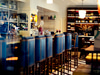
Bonhomie
If you've overindulged on steak-frites and can't handle the thought of another buttery sole meunière, eschew the delicious but heavy bistro classics for some Mediterranean at Bonhomie. A café meets cocktail bar meets restaurant near the chic Marais district, sitting on a royal-blue leather stool in the beautiful, modern, white-and-gold interior feels like a breath of fresh air. The menu leans on Moroccan influences with a former Frenchie chef at the helm—dishes like minty chickpeas and labneh and harissa lamb with tabbouleh take center stage. If you happen to pass by at an odd afternoon hour, a coupe de champagne at the long marble bar is the way to go.

Boubalé
From Michelin-starred chef Assaf Granit, Boubalé—“my little darling” in Yiddish—serves incredible Ashkenazi food with a twist. We love the classic pierogi potatoes, schnitzel, entrecôte, and the herb salad, but unexpected items like tuna sashimi drizzled with a strawberry sorbet, soy sauce, and olive oil and finished with crunchy dried chives are just as delicious. Book a seat at the chef’s counter to watch all the behind-the-scenes preparation.

Café Charlot
This bustling bistro is particularly great for late dinners and brunch: The menu is nice and succinct, offering the classics you want after a few glasses of wine. You’ll find steak au cheval, steak tartare, a selection of burgers, and a sampling of salads, plus a small wine list mostly offered by the carafe. This is one of the few places open on Sunday.
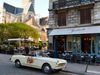
Chez Julien
Classic French bistros like Chez Julien are actually getting a little harder to find. Just steps from the Seine, it has an outdoor terrace where you can take in the city views. The most perfect steak frites, crème brûlée, and other traditional dishes are served on logo-emblazoned plates and accompanied by a great wine list. It’s a little on the pricey side but the formal interior (which was rvamped by the Costes brothers) and old-school service make it a good choice to toast a special occasion.
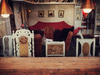
Derriere
This speakeasy-esque spot in the Marais is run by brothers Mourad and Hakim Mazouz and takes “homey atmosphere” to the next level. For one, it’s set up like a bohemian apartment, with diners taking their pick from the kitchen, dining room, boudoir, or living room—which has a ping-pong table in the center. Upstairs, a smoking lounge is hidden behind a secret doorway (in an antique armoire, naturally). The extreme comfort theme also applies to the menu, with steak frites taking top billing for dinner and an epic brunch spread on weekends.
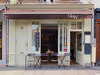
Glou
The Marais is flush with casual dining spots, which means this two-story restaurant fits in perfectly. There are communal tables on the ground floor for larger parties and walk-ins, and the menu, though full of French delicacies, isn’t the least bit pretentious. The wine list is nicely reasonable, too, in both selection and price.

Kitchen
At lunch, Kitchen is overrun with health-conscious Parisians who sidle up to the communal tables for salads, veggie stews, and cold-pressed juice.

L’As du Fallafel
On Sunday, when most restaurants in Paris close shop, our heads go straight to falafel takeaway in the Marais. L’As du Fallafel was the OG—it opened in 1979, ahead of its many imitators on Rue des Rosiers—and it’s without question The One. (Miznon is excellent, too, if you’re looking for a sit-down situation with whole-roasted cauliflower and wine by the glass.)

Le 404
While we’ve arguably had better Moroccan, Le 404 isn’t really about the food (though the lentils and chicken tagines are a welcome culinary break from beef bourguignon): It’s always a party, best capped off with a cocktail at Andy Wahloo next door (from the same owners). Keep in mind that Le 404 is also open on Sundays, a Parisian rarity.
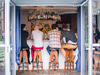
Le Mary Celeste
Named for an infamous shipwreck—the boat was found intact, including its stores of liquor, though the crew had vanished—Le Mary Celeste got a lot of ink in the press when it opened: The young team behind this restaurant in the 3rd is the same one behind taqueria Candelaria. Like its sister restaurant, Le Mary Celeste has a drinks menu that's long and formidable, while the food menu is a bit more succinct. It’s all about oysters and other small plates that are intended to be shared. Though it does take reservations, it's just as easy to grab a seat at the bar.
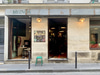
Miznon
This tiny, super casual Tel Aviv transplant, located in the center of the Marais (known for its large concentration of falafel shops), doesn’t offer much in terms of seating other than a small communal table and a few counter seats, but what it lacks in accommodations, it more than makes up for in really good food. (You will most likely want to take your meal to go, anyway.) The menu offers loads of veggie options and is a cross between Israeli street eats and French cuisine: Think beef bourguignon pita with a side of whole-roasted cauliflower, washed down with beer or a glass of Israeli wine. For dessert, try the tarte tatin, also served in pita form.
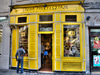
Sacha Finkelsztajn La Boutique Jaune
Since 1946, the Finkelsztajn family has been holding down this yellow-fronted deli, which is known citywide for its rugelach, challah, strudels, bagels, and cheesecake. We go for the pastrami sandwich, which involves cucumber, tomatoes, pickles, and pepper caviar on a perfectly delicate poppy seed covered roll.
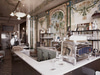
Vivant 2
Pierre Jancou, who honed his skills at Paris’s popular Racines, opened this hip little mural-tiled restaurant on a windy street in the 10th. There’s a heavy focus on provenance here, especially with the wines, many of which are natural.
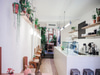
Wild & The Moon
A welcome addition to Paris's growing roster of health-centric restaurants, Wild & The Moon hits that sweet spot of tasty health-conscious food that is actually filling. The menu has been formulated by vegan nutritionists, with over half of it dominated by juices and tonics—blue moon smoothies, golden lattes, and matcha mylks. The food centers around hearty, flavorful grain and lentil bowls packed with vegetables. For the traveler seeking a little balance with their crème brûlée, stocking your hotel room with a mini-bar-friendly assortment of the café's raw bars, chia puddings, cold-pressed juices, and zucchini muffins is never a bad call.
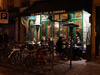
Au Petit Fer à Cheval
Still sporting its original décor from 1903, the horseshoe-shaped bar beckons for a coffee, a kir (white wine and crème de cassis), or a quick meal. While there's a full restaurant in the back, it lacks the prime people-watching you'll get up front.
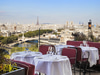
Bonnie
While you can get a delicious lunch or dinner here (plus 360-views and the mirrored Olafur Eliasson installation The Seeing City), the real reason to visit is drinks and dancing; at 11pm, the restaurant transforms into a buzzy nightclub. Set on the top two floors of the SO/ Paris hotel, the club’s leather booths and 70s-disco vibe draws a chic fashionable crowd. Even if you don’t need a cigarette break, go out on the terrace to see the Eiffel Tower sparkle from afar.
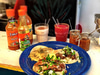
Candelaria
This is Paris's version of La Esquina, complete with a doorman to hold back the crowds. Up front, you'll find a teeny-tiny tacqueria, with fresh tortillas and a roster of toppings, whipped up under the watchful eye of the Mexico City–born chef. There's a hidden door in the back that opens into a cozy bar, which offers some of the more inventive (and delicious) tequila cocktails in the city.
Donna
Donna is right down the street from the Centre Pompidou, so you can stop in after your museum visit to chat about Mondrian, Matisse, and Duchamp over a glass of natural wine. But this bar is worth going out of your way for, too: The wine list is tightly curated, the food creative, the crowd lively, and the playlist consistently good. Wander up to the second floor for a quieter, more intimate space.
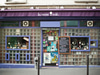
Le Verre Volé
Part wine shop, part bistro, Le Verre Volé draws a reliably large crowd despite its tiny footprint (you'll want to make a reservation unless you're just stopping in to pick up a bottle). There's a wine shop in the 11th (38 rue Oberkampf) as well as a market (54 rue de la Folie Méricourt).
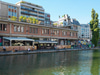
Point Éphémère
Besides hosting concerts, art exhibitions, and live performances, this ex-storage space turned squat cultural institution on the Canal Saint-Martin is also home to one of the area's best bars. On busy days, the local art crowd spills out onto the banks of the canal with beers and affordable cocktails from noon until...whenever.

Berthillon
Operating out of a little window stand on the Isle St. Louis, the ice creams and sorbets here justify the sometimes long lines. After all, it’s arguably the best in Paris. Enough said.

Bob’s Juice Bar
Whether you want a green juice to kick off what will otherwise be a day of gluttony, or need a palate-cleanser after a string of rich French meals, this tiny space offers a respite. Besides cold-pressed juice (Paris’s first foray into that space), you’ll find locals feasting on quinoa salads and veggie-laden muffins at the communal table.
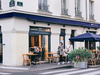
Breizh Café
We like to take a detour here while shopping on Rue Vieille du Temple. Though the buckwheat crepes are the main draw, there’s a small shop attached to the café that sells jams, ciders, and delicious cheeses.

Du Pain et Des Idées
Baker Christophe Vasseur has won innumerable awards for the pastries at his tiny corner boulangerie in the 10th, which makes perfect sense. Don’t be put off by the lines—which extend around the block—since the effort justifies the wait. Do as the locals do and come here to stock up on daily bread, along with pain aux raisin, and the chausson à la pomme fraîche (puff pastry stuffed with half of a baked apple).

I/O Café
I/O Café—named for the on/off buttons on a coffee machine—is a simple spot to pick up a cup of specialty coffee from Danish roaster La Cabra.
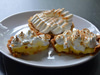
La Cuisine Paris
Offering bilingual cooking classes, La Cuisine Paris teaches the basics of French cooking along with master classes in everything from macarons to poultry. If you're booking in August, make sure to ask whether they are taking Mondays off.
Mamiche Traiteur
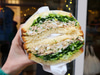
The team behind the pâtisserie Mamiche opened this takeaway lunch shop just around the corner from their location near the Canal Saint-Martin, serving sandwich stand-bys—ham and cheese, pan con tomate, etc.—as well as little pizzas and side salads. Opt for one of the combos: You can get a sandwich, drink, and dessert for 11 euros, which isn’t a bad price for the neighborhood.
Marché des Enfants Rouges
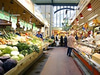
At 400 years old, the Marais-based Marché des Enfants Rouges is worth browsing whether you're hungry or not (you can always stock up on fresh-cut flowers, ephemera, and larder-worthy oils and preserves). But bring an appetite—you'll find a seemingly endless sprawl of food vendors hawking everything from tagines to crepes to hearty sandwiches. Our pick: Chez Taeko's stand, which serves delicious, authentic Japanese fare.
Mariage Frères
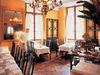
Enlisted by Louis XIV's court to explore the tea trade in the 1600s, Nicolas and Pierre Mariage sailed the globe in search of new offerings, passing the mantle down from generation to generation. In 1854, Henri and Edouard Mariage settled on land and launched a tea wholesale business in Paris, catering to the city's finest hotels and restaurants. They didn't open their doors to the public until the 1980s—and business has been brisk, to say the least, ever since. Outfitted with furnishings from the original Mariage Frères office (oversize tea canisters, heavy cabinetry, wicker furniture, potted palms), the Marais outpost offers a literal world of teas—along with small eats and a smattering of home goods, like teapots and gorgeously scented candles (Darjeeling is our favorite). There are outposts all over the city.
Monoprix
This is so much more than a grocery store: In fact, in true French fashion, it does simple clothing—streamlined totes, striped tees—really, really well. And at prices you’d expect from a supermarket. The baby selection is particularly sweet.
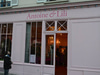
Antoine et Lili
While this chainlet’s busy, color-soaked printed dresses and quirky shoes might be a little over-the-top for our tastes, the global furniture and home accessory finds are a Parisian go-to for injecting a dose of color into a home. At the shop in the 10th, stock up on printed Nathalie Leté dishware, Mexican oilcloths, woven plastic chairs, and more, which are pleasingly crammed into every last nook in the shop.
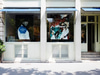
The Broken Arm
Part café, part boutique, attention to detail is paramount at this minimalist space, whether it's the streamlined shape of a Raf Simons sweatshirt, Prada loafers, or the perfect cappucino and slice of cake.
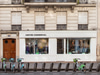
Centre Commercial
Large and loftlike, this industrial-feeling store has an ambitious mandate: fair-trade clothing and accessories from little-known and established artisan brands, mixed in with a smattering of vintage furniture, art books, records, and indie zines. If you've got little ones, don't miss the outpost devoted to kids.

Centre Commercial Kids
Fittingly tiny, this packed-to-the-rafters shop is lined with kids clothing from up-and-coming European designers. Union Jack-emblazoned booties, tulle skirts flecked with sequins, and wee gingham shirts are as appealing to parents as they are to little ones. It's the counterpart to the main, Centre Commercial.
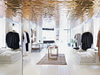
Christophe Lemaire
With stints at Yves Saint Laurent, Thierry Muegler, and Christian LaCroix under Christophe Lemaire’s belt, launching his own label in 1991 wasn’t a particularly big feat—but what he’s continued to achieve in the intervening years certainly impresses. Lemaire oversaw the rejuvenation of Lacoste in 2000, before moving on to Hermès women in 2010. Meanwhile, he’s persevered with his own collection, which focuses on crisp and classic sportswear in subtly architectural shapes.

Fleux
This shop literally spans a block—and what feels like a big block. Inside, you'll find every iteration of every modern home trend, which can overwhelm, but if you can take the time to really look, you'll find tons to lug home.
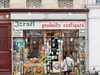
Izraël
You could spend hours in this shop, where the walls are lined with imported spices and large sacks filled with lentils, rice, and other staples dot the floor. Owned and operated by the same couple for many years, it’s become somewhat of an institution.
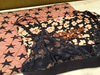
Love Stories Paris
Love Stories hails from Amsterdam, but the lingerie is so delicate, it may as well be Parisian. The matching sets, which come in varying degrees of skimpiness, are a good place to start. We love the selection of supremely comfortable bralettes in cotton and lace for traveling, or just lounging in. There’s also a smart edit of accessories, and somehow, we can never leave the store without adding a silk sleep mask or floral-print laundry bag (so convenient for storing underwear or purses) to our basket.

Maison Labiche
Fact: They don’t let you leave Paris without at least half a suitcase’s worth of marinière shirts. Ok, it’s not exactly fact, but we do like to spend some time at Maison Labiche when we’re in town. This is where stack upon folded stack of striped cotton tees and sweaters sit snugly in the little nooks that line the walls. And because we’ve never met a monogram we didn’t love, Maison Labiche is an especially important stop: they’ll embroider whatever you want right on the spot.
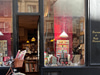
Mélodies Graphiques
You could spend an hour browsing through this stationary shop’s selection of handmade paper, calligraphy pens, stamps, boxes, antique cards, and sealing wax. We can’t imagine visiting without finding something you just can’t leave without.

Merci
It's rare to find a store that's so much bigger than its collective parts, but Merci is one of those spots that opened to an endless stream of breathless acclaim—and just as many inches of coverage in the press. This is easy to understand: For one, profits go to charities in Madagascar; for two, it's gorgeous and artful while still feeling accessible to all. Located in an airy, sprawling nineteenth-century fabric factory, this superstore sells the best of pretty much everything. Labels like Isabel Marant, Vanessa Bruno, and Stella McCartney mingle on the clothing racks; natural shampoos and Comme des Garçons perfumes line the shelves in the comprehensive beauty apothecary; and there are loads of amazing homewares, too. Fresh flowers and gardening tools? Check. Don't leave without visiting the Used Book Café in the basement, as you can flip through any one of the 10,000 preloved books that line the walls while you wait for your brunch.

Octobre Editions
This men’s clothing store strikes just the right balance for picky dressers; it’s not doing too much, nor too little. (Fitting that it’s the brother line to French-girl wardrobe staple Sézane.)

Papier Tigre
You'd know a Papier Tigre notebook (or envelope or calendar or day planner) if you saw one. They're all distinctly colorful and geometric and always totally utilitarian. Another bonus of buying paper goods in bulk to hand out to friends back home? They don't take up much suitcase space at all, and they make recipients giddy with glee.

Pascal Beillevaire
The farm behind this mini-chainlet is located in the Loire valley, where they make a range of unpasteurized cheeses, butters, yogurts, and crème fraîches from scratch—while aging the cheeses of area farmers. The demi-sel croquant unpasteurized butter is crazy delicious, and portable, as they're happy to vacuum pack it for the plane.
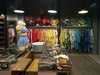
Thanx God I'm a V.I.P.
The only thing effortful about Thanx God I’m a V.I.P. is saying its name. Otherwise, it’s one of the most expertly curated and well-organized vintage shops we’ve ever visited. That’s all thanks to owner Sylvie Chateigner, who’s filled the shop with the good stuff: Moncler puffers, Max Mara trenches, and enough Prada and Dior to fill your closet several times over. There’s a cute coffee bar inside the store, too.

Centre Pompidou
This postmodern building revolutionized the world of architecture—and turned the rarified concept of a museum into something that could be unintimidating and fun. Designed by Renzo Piano, Richard Rogers, and Gianfrancho Franchini, the Centre Pompidou is marked by an exterior lined with colorful tubes that hold the center's plumbing, electric, and circulation systems—inside, it's just as interactive. Home to a public library, a center for music and acoustic research, and the Musee National d’Art Moderne, since its inception in 1977 some of the most important modern art in the world has graced its walls, including pieces from Dali, Pollock, Warhol, and Picasso.
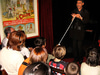
Musée de la Magie
Even though it occupies a 16th-century cellar beneath the Marquis de Sade’s house, the offerings here are thoroughly child-friendly: The museum showcases antique wands and hats, optical illusions, contraptions, and loads of gorgeously rendered posters and prints. And if you have a little one who loves magic, they do a show (in French) that will totally appeal.
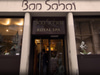
Ban Sabai
Offered in a traditional hammam setting that will lull you to sleep, the Thai-style massages here are the best in the city. The private rooms come complete with showers, and a candle-lit Jacuzzi. There's an additional location in the 16th.
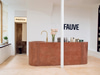
Fauve
Fauve is a spa dedicated to hair. The hair on your head, yes—they offer a massage that aims to revitalize the scalp and boost shine. But also eyebrows (their brow treatment focuses on relieving tension around the eyes) and body hair (removal, specifically, by wax and laser).

Reformation Pilates
This is one of the few places in Paris you can take reformer Pilates. People come for the helpful instruction—often delivered in both French and English—and intimate space. Drop into class, no membership required, at one of the two locations: This one’s in the Marais and there’s another in Palais Royal.

Temple
Temple’s boxing class takes place in a chic studio with parquet floors and low lighting. But the real magic comes from the instructors, who meet you where you are: Beginners and experienced boxers will both come out of class sweaty and satisfied.
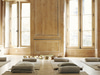
Uman Project
This pretty and intimate studio maintains a calendar of movement classes—vinyasa and hatha yoga, Pilates, and stretching—plus breathwork and sound baths. There’s also a private treatment room for lymphatic massage, Reiki, hypnosis, and naturopathic consultations.
Saturday, Sorted: 3 Galleries by Yuko Mohri and a Samurai Negroni by Watr Rooftop

5 Thought-Provoking Novels to Discuss and Debate This Fall
These novels are guaranteed to give you and your friends something to talk about.

48 Hours in San Diego
Here’s how to spend the perfect weekend in this laid-back coastal destination—home to goop’s kitchen’s first dine-in location in Del Mar.


48 Hours in Istanbul
History, incredible food, fantastic shopping, and centuries-old bathhouse culture make Istanbul a must-visit. Here’s how to make the most of a few days in this endlessly fascinating city.

Tierras Villas in Crete Isn’t Quite a Hotel—and That’s the Point
Five private villas with infinity pools and wide-open Aegean views offer the privacy of a house with the ease of a hotel—the latest chapter in a Cretan family story that began more than three decades ago.



10 Must-See Art Exhibitions to Fill Your Fall Itinerary
Take in out-of-this world large-scale installations in Tokyo and one of the year’s most anticipated shows in London—where Edward Enniful explores the art, photography, and fashion of the ‘90s.

How I Stopped Trying So Hard to Win Over My Teen
One mother shares how a weekend in Coronado, a failed concert, and a little unplanned downtime helped her reconnect with her teenage daughter.


5 Smart Novels to Pack When You Want More Than a Beach Read
Five emotionally rich literary beach reads from Maggie O’Farrell, Kathryn Stockett, Elizabeth Strout, Andrew Sean Greer, and Ann Patchett.

The Garden Spell of San Ysidro Ranch
In Montecito, a storied hideaway of vine-covered cottages, fragrant gardens, candlelit dinners, and rare privacy proves that the greatest luxury may be being left alone.


.png)
The Historic French Spa Town Where You Can Still Take the Waters
Where to stay, eat, and explore in Évian-les-Bains on the shore of Lake Geneva.
.png)
Where Nancy Silverton Actually Eats in Los Angeles
From old-school institutions to under-the-radar gems, the legendary chef shares her go-to restaurants, markets, and specialty food destinations.