Landline
why we love it
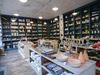
If you’re looking for small gifts or plastic-free home goods, you’ll find them at Landline. The boutique is carefully laid out, with tables and cubbies full of kitchen ceramics, simple wooden children’s toys, and anything else you might find at a chic general store. It feels distinctly Californian (and still oh-so-Paris).
Originally featured in The Paris Guide: Bastille, Belleville, and Oberkampf
Shops
Aux Prés
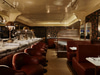
Tucked away in Saint-Germain-des-Prés, this eternally cool brasserie mixes classic French and Asian-inspired dishes, like black truffle croque-monsieur, sea bream carpaccio, grilled filet, and the juiciest cheeseburger ever. Old leather cushion banquettes and marble countertops contrast with chic black-floral wallpaper; it’s both cozy and romantic.
Bonhomie
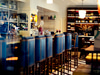
If you've overindulged on steak-frites and can't handle the thought of another buttery sole meunière, eschew the delicious but heavy bistro classics for some Mediterranean at Bonhomie. A café meets cocktail bar meets restaurant near the chic Marais district, sitting on a royal-blue leather stool in the beautiful, modern, white-and-gold interior feels like a breath of fresh air. The menu leans on Moroccan influences with a former Frenchie chef at the helm—dishes like minty chickpeas and labneh and harissa lamb with tabbouleh take center stage. If you happen to pass by at an odd afternoon hour, a coupe de champagne at the long marble bar is the way to go.
Bouillon Pigalle
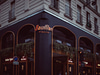
Bouillon Pigalle is a restaurant of the proletariat. Though it would be more accurate to call it a restaurant of the proletariat of Paris who favor watercress salad, escargots, beef bourguignon, frites, and a menu that is as true to a bistro menu as it can be. Historically, in French restaurant vernacular, a "bouillon" is a restaurant that served bouillon-which is to say good, afforable food, that appealed to the working class. And Bouillon Pigalle is the modern version: 300 seats; a festive, bustling vibe; and a crowd willing to wait the better part of an hour for table. No matter. The profiteroles are that good.

Buvette
It takes nerve (and talent) for an American to take a French concept and re-create it for a famously hard-to-please Parisian audience. In chef Jody Williams's case, her French-inspired wine bar, Buvette, has been embraced with open arms. She tested the concept in New York first—there is a much-loved West Village outpost—and exported her gastrothèque to Paris, to rave reviews. In this romantic, perfectly Parisian little wine bar, you can expect a wonderful cocktail and wine list, and a petite menu of small versions of dishes like coq au vin, moules, and tartines. They also serve several local, seasonal salads—good ones are still hard to find in many traditional French restaurants.

Café Charlot
This bustling bistro is particularly great for late dinners and brunch: The menu is nice and succinct, offering the classics you want after a few glasses of wine. You’ll find steak au cheval, steak tartare, a selection of burgers, and a sampling of salads, plus a small wine list mostly offered by the carafe. This is one of the few places open on Sunday.
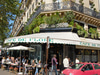
Café de Flore
This classic Parisian Art Deco café on the corner of Boulevard Saint-Germain has played host to everyone from Sartre to Picasso. They came for coffee and people-watching, and so should you: When the weather’s nice, find a spot on the outdoor patio and get a big café crème. (Or swing by just to see the place: The food's just okay, and the crowd inside made up of tourists exclusively, but the institution itself is pretty iconic.)
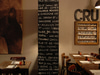
Cinq-Mars
Unpretentious and laid-back, this is the sort of restaurant that’s the perfect reprieve after a few days of big, loud brasseries. The food is simple but well-prepared and nicely affordable, too.
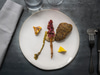
Frenchie
Nantes-born Gregory Marchand, who cooked under both Jamie Oliver and Danny Meyer (he earned his nickname “Frenchie” while cooking with Oliver), offers a subtle worldly perspective on classic French cooking via a tiny set menu (145 euros per person). Reservations are hard to get, though Marchand’s walk-in-only venture, Frenchie bar à vins, is an option should you fail to land a table, and there’s also his Italian restaurant down the street, Altro Frenchie.
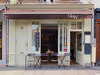
Glou
The Marais is flush with casual dining spots, which means this two-story restaurant fits in perfectly. There are communal tables on the ground floor for larger parties and walk-ins, and the menu, though full of French delicacies, isn’t the least bit pretentious. The wine list is nicely reasonable, too, in both selection and price.
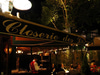
La Closerie des Lilas
La Closerie is in the same league as historic cafés like Les Deux Magots and La Palette. And while some might say this Montparnasse standby is past its prime, many insist it’s still very much happening—after all, Hemingway (there’s a handy sign indicating his preferred spot at the bar), Picasso, and Beckett used to hang out here all the time. We recommend springing for a full dinner in the formal main hall. But the brasserie-slash-piano-bar is great for a drink and to get a feel of the place without spending a fortune.
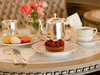
Ladurée
Thanks to loads of press and a swift global expansion in 2005 (there are now outposts in New York, London, Lebanon, Japan, Sweden, Hong Kong, Brazil, Los Angeles, and more), the Ladurée celadon green is almost as iconic as Tiffany blue or Hermès orange. It all started in 1862 at 16 rue Royale, when writer Louis Ernest Ladurée opened a pastry shop. Though macarons had been kicking around France since the sixteenth century, when Catherine de Medici introduced them from Italy, Ladurée’s grandson revolutionized the concept in 1930 by using a bit of ganache to create a macaron sandwich. Beyond sweets, Ladurée's dinner service is great, with a kid-friendly menu that adults can enjoy, too. Although the original Ladurée is a fixture on the Champs-Elysées, there are multiple locations throughout the city to enjoy.
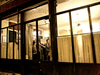
Le Chateaubriand
The dining room might not look like all that much, but this is one of those restaurants that changes how people think about food. Chef Inaki Aizpitarte, a pioneer in Paris’s neo-bistro scene, deconstructs traditional French dishes and reassembles them in wildly inventive, globally influenced ways. Despite the kitchen fireworks, it never feels pretentious here, which is probably why locals and tourists alike line up out the door to get a table.

Le Comptoir de la Gastronomie
This quaint little restaurant serves excellent French food—cassoulet, steak tartare, and chocolate cake—in an unstuffy Art Nouveau dining room. The adjoining shop, complete with ham hocks hanging from the rafters, has a killer selection of French wines, cheeses, and other specialty items.
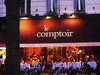
Le Comptoir du Relais
If you find yourself with time alone, grab one of the single-occupancy tables outside, which face onto the small square; that said, if you’re saddled with the little ones, this spot is blessedly kid-friendly, too. A bottle of red and the boeuf bourguignon—served with lemon rind, pasta, and pine nuts—is the meal to get here.
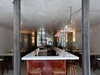
Le Dauphin
Le Dauphin is immediately next door to its sister restaurant, Le Chateaubriand. Locals hover around the marbled bar (there are only a handful of tables) for well-priced—though complex—small plates and surprisingly affordable wine.
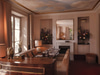
Le Grand Salon
Le Grand Salon, located at the Hôtel Particulier Montmartre, is designed to offer a respite from the craziness of the city. The classic French cuisine and seasonal cocktails can easily stand on their own, but you'll enjoy them even more if you sit in the property’s hidden garden. The weekend brunch is legendary, and the intimate bar, Le Très Particulier, is worth a visit.
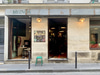
Miznon
This tiny, super casual Tel Aviv transplant, located in the center of the Marais (known for its large concentration of falafel shops), doesn’t offer much in terms of seating other than a small communal table and a few counter seats, but what it lacks in accommodations, it more than makes up for in really good food. (You will most likely want to take your meal to go, anyway.) The menu offers loads of veggie options and is a cross between Israeli street eats and French cuisine: Think beef bourguignon pita with a side of whole-roasted cauliflower, washed down with beer or a glass of Israeli wine. For dessert, try the tarte tatin, also served in pita form.
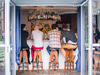
Le Mary Celeste
Named for an infamous shipwreck—the boat was found intact, including its stores of liquor, though the crew had vanished—Le Mary Celeste got a lot of ink in the press when it opened: The young team behind this restaurant in the 3rd is the same one behind taqueria Candelaria. Like its sister restaurant, Le Mary Celeste has a drinks menu that's long and formidable, while the food menu is a bit more succinct. It’s all about oysters and other small plates that are intended to be shared. Though it does take reservations, it's just as easy to grab a seat at the bar.
Le Relais de l’Entrecôte
You know exactly what to expect at this, kitschy, family-owned establishment and that is the best steak frites in town topped with buttery, herby “secret” sauce. That’s it, and it’s worth lining up for at this is a no-reservations locale. Touristy though it may be, it remains a local’s mainstay, too, as proof of its great quality.

Ober Mamma
This is a true trattoria in the middle of Paris, with great platters of antipasti, thin-crust pizzas, and surprisingly big bowls of house-made pasta (definitely not the skimpy starter size—these are mains). The interior immediately suggests a good time with long electric-blue leather benches running the length of the walls, offset by yellow table mats on quintessentially Parisian round tables. Expect a tight squeeze: This place is perpetually packed with locals downing glasses of sparkling Lambrusco and rounding off with a few bites of the sublime tiramisu.
Wild & The Moon
A welcome addition to Paris's growing roster of health-centric restaurants, Wild & The Moon hits that sweet spot of tasty health-conscious food that is actually filling. The menu has been formulated by vegan nutritionists, with over half of it dominated by juices and tonics—blue moon smoothies, golden lattes, and matcha mylks. The food centers around hearty, flavorful grain and lentil bowls packed with vegetables. For the traveler seeking a little balance with their crème brûlée, stocking your hotel room with a mini-bar-friendly assortment of the café's raw bars, chia puddings, cold-pressed juices, and zucchini muffins is never a bad call.
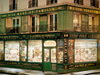
À la Mère de Famille
The exterior of À la Mère de Famille—an emerald-green storefront with more windows than walls—looks like a jewelry box, or rather, a chocolate box; you can see the cakes and chocolates and towers of beautifully packaged bars from down the block. Open since 1761, one of the many pleasures of this particular confectioner is the breadth of old-world caramels, nougat, boiled sweets, and marshmallows. And nothing much has changed inside, either. Taking in the old tile floor, the floor-to-ceiling shelves stacked with preserves and syrups, and the elaborate table displays as you make your way to the counter is an exercise in both nostalgic pleasure and control.
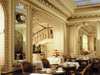
Angelina
Paris is one of those special cities that enthusiastically clings on to the more traditional, elegant remnants of the past—Angelina is an embodiment of this policy. A classic tearoom that first opened in 1903, the over-the-top Belle Epoque interiors create the ambiance for a truly decadent hour (or two) of sweet indulgence. The sculptural cakes and classic patisserie that line the glass cases are the perfect accompaniment to the main event: Angelina's world-renowned hot chocolate. We recommend the Old Style Hot Chocolate, made from a blend of cocoa beans whipped into hot milk and cream for the smoothest, slightly sweet, slightly bitter cup. Angelina also serves up well-executed classic French dishes like croque-madame and quiche Lorraine, but really it's the chocolate—and the people-watching—that makes this Paris institution a favorite with locals and tourists alike.
Café Isaka
This teeny ice cream spot specializes in Asian-inspired flavors like pandan, kinako, soy sauce, hojicha tea, and White Rabbit candy—you can order a scoop in a cone, cup, or milkshake, or in mochi or as an affogato. Prioritize the house specialty: panko-encrusted fried ice cream sprinkled with toppings—maybe black sesame seeds, matcha, or popcorn. Café Isaka also has a strong menu of coffee and teas, including ube, peanut, and Thai milk tea.

L’Avant Comptoir de la Terre
Yves Camdeborde was so busy at his popular Left Bank restaurant, Le Comptoir, that he opted to accommodate the overflow by opening a tiny bar à vin next door. Though it’s standing room only, which is quite common in Paris, the delicious Béarnais-style small plates are worth tempting discomfort. We promise it’s a pleasant experience.
La Cuisine Paris
Offering bilingual cooking classes, La Cuisine Paris teaches the basics of French cooking along with master classes in everything from macarons to poultry. If you're booking in August, make sure to ask whether they are taking Mondays off.
Les Deux Magots
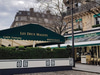
Café culture is one of the many institutions that make Paris such a pleasure to visit. An hour spent sitting outside with a café au lait and a croissant watching the Parisians pass by is time well spent. Les Deux Magots in the heart of Saint-Germain has been one of the preferred literary and creative spots forever, with regulars including Picasso and Hemingway. The menu touches the greatest hits; the croque-madame is especially good, but honestly, a coffee or—hell, you’re on vacation—a glass of champagne outside under the canopy is the way to go.

Marché Avenue du Président Wilson
Located between the 16th and 7th arrondisements, the quiet, well-mannered vibe of this market is well suited to its upscale clientele. (It’s a great option if you’re the kind of shopper who is easily overwhelmed by shouting vendors and pushy customers.) As for the wares, expect fresh bread, flowers, seafood, olives, spices, vegetables, cheese, fruit, and even prepared foods. Friends tell us that farmer Joël Thiébault (who owns a family-run vegetable operation just outside the city) is a standout for his unique, visually stunning heirlooms.
Marché Raspail
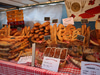
With more than 150 stalls, this is one of the largest open-air markets in Europe, and one any food lover will not want to miss. Beyond fresh veggies, fruits, eggs, and cheese, there are plenty of vendors who sell premade meals, perfect for an impromptu picnic. It happens three times a week.
Marché Saxe-Breteuil
With the Eiffel Tower as a stunning backdrop, this market focuses on produce and fresh seafood. There are also stands for escargots, meat, eggs, and a smattering of home goods.
Monoprix
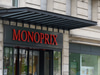
This is so much more than a grocery store: In fact, in true French fashion, it does simple clothing—streamlined totes, striped tees—really, really well. And at prices you’d expect from a supermarket. The baby selection is particularly sweet.
Noir
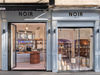
While there’s no shortage of third-wave coffee roasters in Paris, Noir is among the best, and their cafés among the most abundant. You’ll find them across the city in pretty, modern storefronts. This one in the 8th arrondissement is convenient if you're staying near the Champs-Elysées, and there's a really good one on the Île Saint-Louis, down the street from Berthillon.
Stohrer
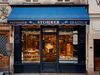
Proof that treat trends are pretty consistent, the shop Stohrer was founded in 1730 as the official pâtissier for Louis XV. The same cream-stuffed éclairs, delicate crème Anglaise tarts studded with berries, and rose macarons have been devoured by the French for the last 300 years. The bakery is theatrically beautiful, with glass-paneled walls (giving patrons near 360-degree views of all the sweets), chandeliers, and a full frescoed ceiling—an especially delightful experience for little ones.
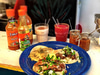
Candelaria
This is Paris's version of La Esquina, complete with a doorman to hold back the crowds. Up front, you'll find a teeny-tiny tacqueria, with fresh tortillas and a roster of toppings, whipped up under the watchful eye of the Mexico City–born chef. There's a hidden door in the back that opens into a cozy bar, which offers some of the more inventive (and delicious) tequila cocktails in the city.
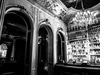
Carmen
A wildly ornate bas-relief ceiling—moodily lit by Versailles-worthy chandeliers—is actually not the first indication that this isn't your average bar (that would be the gigantic birdcage at the entrance). Occupying the former mansion of composer Georges Bizet (hence the name, Carmen), this Pigalle club gets particularly busy around fashion week, when any number of designers host their after-parties here. While DJs play until 4 a.m. on weekends, the space hosts more-civilized affairs, too.
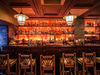
Dirty Dick
The name and the pinup poster in the entryway hint at this Pigalle bar’s seedier past as a brothel, but take a closer look and you’ll find yourself in a full-fledged tiki bar, overflowing with pseudo-Polynesian flair. If the excellent rum-based drinks and retro vibe aren’t really your thing, then the other, perfectly balanced proprietary cocktails and extensive beer collection should keep you happy.
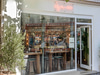
Django
Pigalle is home to some of the city’s best nightlife, and Django is one of the most lively bars in the neighborhood for drinks and nibbles. They craft signature cocktails and small plates driven by whatever is freshest and most delicious this season.
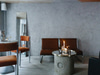
Donna
Donna is right down the street from the Centre Pompidou, so you can stop in after your museum visit to chat about Mondrian, Matisse, and Duchamp over a glass of natural wine. But this bar is worth going out of your way for, too: The wine list is tightly curated, the food creative, the crowd lively, and the playlist consistently good. Wander up to the second floor for a quieter, more intimate space.
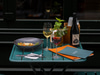
Frenchie Bar à Vins
This first-come-first-serve wine bar is a tough seat for good reason: The small plates are crafted from superb ingredients, and the wine list is reasonably priced. You can usually snag a spot in the first wave by going early in the week, and arriving 20 minutes before the opening.
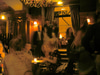
Hôtel Costes Bar
With a now-iconic interior that's dripping in red velvet, Hôtel Costes is one of those spots that has perfected its aesthetic—which, of course, extends to the music. It can get dark and smoky inside, so head out to the enclosed terrace (you can still hear whatever the DJ is spinning inside), which is equally great for either an afternoon glass of wine or an after-dinner cocktail. Plus, the people-watching is always fabulous.
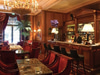
Le Bar
Opulent to the max, Le Bar at the George V is one of our favorite places to tuck into a martini: It’s pricey, but it has atmosphere in spades, along with a well-heeled crowd. It's one of these places that feel like time just stops...or maybe it's just the wine.

Le Perchoir Ménilmontant
The young team behind this growing concept came up with the genius idea of opening bars in disused spaces all over Paris—on rooftops, at the old Pavillon at the Parc des Buttes Chaumont, and on a houseboat parked on the Seine. Le Perchoir Ménilmontant, located right on top of a large industrial building might just be their greatest conquest to date: In addition to an incredible view and the trademark cocktails, you'll find snacks by their on-site restaurant.
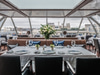
L’Oiseau Blanc
Gracing the rooftop of one of the Peninsula hotels, L'Oiseau Blanc (the White Bird) is named for a French plane that crashed over the Atlantic in 1927 during a transatlantic flight attempt. The restaurant's décor pays homage to the pilots, complete with a small-scale replica of the biplane that looks like it's flying off the terrace. Even if you're not a history buff, you'll appreciate the sweeping views of the Eiffel Tower and the excellent service.
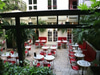
Restaurant Amour
Located close to what was once Paris's red-light district, Hôtel Amour takes a deep bow to the neighborhood's tawdry past. Conceived by nightlife visionary André Saraiva (the force behind Le Baron), the black lacquered bar, brasserie, and outdoor terrace are as scene-y as you can get in Paris. Whether for a boozy Saturday brunch or dinner and drinks, the best seats in the house are outdoors, in the leafy courtyard dotted with vintage ’50s cafeteria tables. The brasserie is open late, and you can linger on for hours until it's time to hit the bar or a nightclub in nearby Pigalle.
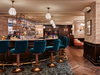
Rivié
Rivié, one of the two bars in the Hoxton, has a wonderful brasserie, a lovely outdoor garden, and relaxing little nooks with armchairs and nice lighting. Settle onto a velvet barstool, order a glass of champagne or a dirty martini, chat with the friendly bartenders, and order plates of onion rings and tartare on toast as the evening slips into night.
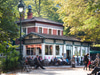
Rosa Bonheur
This spot is named for the nineteenth-century painter Rosa Bonheur, the first woman to become an officer of the Legion of Honour, whose paintings of horses and cows grace the walls of the Louvre and New York's Metropolitan Museum of Art. While Bonheur used the then-wilds of the Bois de Boulogne to find animals to paint, this Rosa Bonheur is situated in the Parc des Buttes Chaumont, a beautiful garden in the 19th. The emphasis here is on day-drinking, really, though it gets overly packed as the night wears on. It serves great appetizers, plus it's laid-back, unpretentious, and kid-friendly. Should you stay past 10 p.m., expect to follow the crowd onto the dance floor.

Wanderlust
Situated on the quay of the Docks en Seine—also home to Paris's fashion institute—Wanderlust is a bit more than just a club/bar/restaurant. Though a small part of the enterprise lives indoors, it primarily resides on the sprawling outdoor terrace which overlooks the Seine. Exposed pipes, neon lights, live music (DJs, generally), and a stylish crowd are all hallmarks of this much-buzzed-about destination.
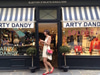
Arty Dandy
With few exceptions, almost everything that lines the Crayola-colored shelves here rings in at under a hundred euros, whether it's backpacks, patterned wallets, or unique candles.
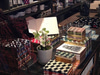
Astier de Villatte
Though it’s well located on Rue Saint-Honoré, this is the sort of spot that’s easy to walk right by. Inside it’s dimly lit, cloister-like, and achingly cool, complete with rickety, slightly off-kilter shelves that sag under the weight of Astier de Villatte’s ceramic tableware. Made from black terra-cotta clay and then finished in the brand’s signature milky white, these perfectly imperfect dishes are the hallmark of some of the best-dressed tables we know. You’ll also find the house line of geometric-print, gold-rimmed notebooks (made by the last master printer in Paris) and the gorgeously old-fashioned candle and incense collections, along with a handful of oddities, like glassware cast in the shape of skulls and stout little teapots.
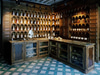
Buly 1803
The husband-and-wife team behind revamped cosmetics line Buly added a couple degrees of fantasy when furnishing their flagship shop—modeled after a nineteenth-century apothecary—with Tuscan tiled floors, Italian marble counters, intricately carved wooden cupboards, and prettily painted beams. And then there are the products: alcohol-free scents and modern, paraben-free formulations, beautifully packaged in old-fashioned vials and glass jars. Whether you’re in the market or not, this shop is a treat just to look at.
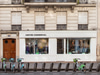
Centre Commercial
Large and loftlike, this industrial-feeling store has an ambitious mandate: fair-trade clothing and accessories from little-known and established artisan brands, mixed in with a smattering of vintage furniture, art books, records, and indie zines. If you've got little ones, don't miss the outpost devoted to kids.

La Samaritaine
The Samaritaine department store began as a tiny boutique in 1870 on Rue de Pont-Neuf. It was acquired by luxury behemoth LVMH in 2001 and after a lengthy restoration, the seven-floor Art Nouveau landmark reopened in 2021. There's an expansive glass ceiling, wraparound peacock frescoes by Francis Jourdain (his father, Frantz Jourdain, was the original architect), enameled lava panels on the façade, and swirling gray wrought iron staircases with gold leaf details...all punctuating next-level shopping. That includes incredible fashion and jewelry, yes, as well as art at Gallery Perrotin, chic souvenirs at LouLou, and caviar sandwiches and customizable bottles of Ruinart from “street" vendors sprinkled throughout the space. The incredible beauty department has a great spa, and the top floor restaurant and bar, Voyage, is fantastic. There’s also a separate entrance to get to the Cheval Blanc hotel. The star secret is the L’Appartement salon, where you can book private styling and shopping appointments.
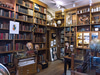
Librairie Alain Brieux
A bookshop and antiquarian for over a century, Librairie Alain Brieux specializes in rare scientific and sometimes esoteric titles, though the real allure is its cabinet-of-curiosities vibe. The windows and interior displays are continually refreshed with weird and wonderful assortments of vintage anatomical models, glass eyes, unusual toys, and the like.

Merci
It's rare to find a store that's so much bigger than its collective parts, but Merci is one of those spots that opened to an endless stream of breathless acclaim—and just as many inches of coverage in the press. This is easy to understand: For one, profits go to charities in Madagascar; for two, it's gorgeous and artful while still feeling accessible to all. Located in an airy, sprawling nineteenth-century fabric factory, this superstore sells the best of pretty much everything. Labels like Isabel Marant, Vanessa Bruno, and Stella McCartney mingle on the clothing racks; natural shampoos and Comme des Garçons perfumes line the shelves in the comprehensive beauty apothecary; and there are loads of amazing homewares, too. Fresh flowers and gardening tools? Check. Don't leave without visiting the Used Book Café in the basement, as you can flip through any one of the 10,000 preloved books that line the walls while you wait for your brunch.
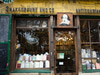
Shakespeare and Company
This just might be the best bookstore in the world. It has the vibe of a warren-like country home rather than a straightforward shop. Books are piled haphazardly from floor to ceiling (many of which are in English), there are benches dotted here and there, and it's staffed mostly by college kids who are full of great recommendations. It’s also home to a rich literary history—over the years, Shakespeare and Company has played host to famous American writers like Allen Ginsberg, Ernest Hemingway, William Burroughs, and William Styron. Founder George Whitman (the shop is now run by his daughter, Sylvia) famously opened up the shop’s cozy benches and couches to artists and writers who needed a place to stay. Many of these drifting creatives—or tumbleweeds, as they became known—went on to become important literary figures in their own right.
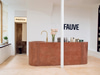
Fauve
Fauve is a spa dedicated to hair. The hair on your head, yes—they offer a massage that aims to revitalize the scalp and boost shine. But also eyebrows (their brow treatment focuses on relieving tension around the eyes) and body hair (removal, specifically, by wax and laser).
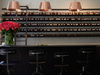
Nose
If diagnostic tests are your bag, you'll love Nose's recommendation technology, which uses your perfume history to predict what fragrances and home scents you'll like best. While you can do the test online—and shop an encyclopedia of brands right there—an in-store consultation is inarguably more fun, as you can vet the recommendations in person. If nothing from Miller Harris, Acqua di Parma, Penhaligon's, et al. fits the bill, Nose will whip up a custom scent.
Rasa Yoga
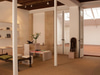
Located in a quiet, sun-kissed courtyard, Rasa Yoga is wonderfully unintimidating—even if you don't speak a lick of French. It offers a comprehensive calendar of styles and levels, along with a deep roster of spa treatments from all around the world.

Spa Le Bristol by La Prairie
Surprisingly, Le Bristol is the only Parisian hotel allowed to perform facial treatments using La Prairie products. Much like the product line itself, the driving force behind the treatment menu is rejuvenation—as evidenced by treatments like the Caviar Lift Facial and the ultrasoothing Platinum Rare Haute Rejuvenation facial. The best part? You can drop off the littles at the Kids Club for the duration of your treatment.

Studio Rituel
Yoga, Gyrotonic, Reformer Pilates, and Xtend Barre all under one roof make Studio Rituel a popular wellness destination. And the location, a stone’s throw from the Luxembourg Gardens, doesn’t hurt. The Gyrotonic classes, which involve fluid movement and targeted stretches utilizing the seven natural elements of spinal movement, are particularly helpful if you plan to do a lot of walking. As the class ramps up, these stretches are more like a dance, and over time they dramatically increase your flexibility. The studio also offers holistic treatments like massage and reflexology.

Temple
Temple’s boxing class takes place in a chic studio with parquet floors and low lighting. But the real magic comes from the instructors, who meet you where you are: Beginners and experienced boxers will both come out of class sweaty and satisfied.
Hôtel Henriette
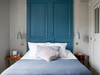
This boutique hotel is proof that affordable doesn’t necessarily mean scruffy and outdated. Though you won’t find all the creature comforts here, first-time hotelier Vanessa Scoffier has done wonders decorating with a mostly pastel palette, vintage finds, and an overall DIY/Scandi aesthetic. Added benefits, like the super thoughtful concierge service and fresh flowers, do go a long way.
Mama Shelter Paris East
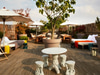
Though it’s in the slightly far-flung 20th (which gets cooler every month), Mama Shelter wins big points for its reasonable prices. This burgeoning chainlet—with locations in Lisbon, Lyon, Marseille, and Bourdeaux—is a bit like the Ace Hotel family. The outposts attract a 20-something crowd by offering complimentary Wifi, free movies, and quirky design moments, like ceilings covered with chalkboard scrawl, Minnie Mouse nightlights, and an always-crowded bar.
Amagat
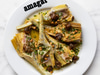
At the bottom of Père-Lachaise, this sweet tavern serves a tight menu of tapas and Catalan wines. It’s worth crossing town for the lush and intimate cobblestone courtyard, where we see ourselves spending long summer afternoons eating grilled octopus and French-fry patatas bravas.
Aux Deux Amis
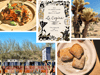
Old-school Aux Deux Amis gets shoulder-to-shoulder crowded, so make a reservation or be prepared to squeeze in at the bar to order natural wine and tapas with the masses. The menu changes regularly—expect it might be written by hand and only in French, in which case you can ask your server (or, if you’re at the bar, a new friend) to decipher.
Buttes Snack Bar
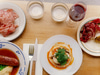
The name “snack bar” is misleading; this cozy neighborhood spot is a full-blown natural wine bar with dim lighting and an excellent dinner menu, which changes frequently. Think mussels in harissa bouillon, crispy gochujang chicken wings, tomatoes in lemon caper sauce, and fresh spring asparagus, cooked perfectly.
Clamato
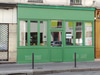
While it's nearly impossible to get a reservation at Septime—and a bar stool at the wine bar is hard to come by, too—you’ll probably have better luck at the owners' venture, Clamato, a seafood-centric joint that doesn't take reservations. Also, it’s open all day on Saturday and Sunday, which is a rarity in Paris.
Fugazi
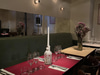
This little bistro is popular for good wine, a contemporary menu of well-executed small plates, and terrace seating that’s especially lovely on a summer evening. It draws lively and youngish crowd on weekends.
Furia
Furia’s tacos are solidly the best in Paris. There are just six on the menu—including shiitake al pastor, cauliflower tempura, slow-roasted pulled pork, or tuna and shoestring fries. All delicious, although the fresh corn tortillas might be the real highlight. Grab a seven-euro glass—or a 35-euro bottle—from the well-curated list of natural wines and finish the night off with an order of flan and ice cream. Furia doesn’t take reservations, and it gets packed; come early.
Jones
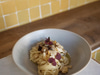
At this modern French bistro, you could get away with not looking at the menu at all. The servers are kind and make thoughtful recommendations: this tapa, this dessert, that natural wine. People come for the hot dogs on weekend lunches. Not joking—try one, and you’ll rethink hot dogs entirely. Make reservations; people come back week after week as the menu changes.
Le Bistrot Paul Bert
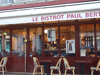
Bistrot Paul Bert is what any French restaurant ought to be: It features old-school, understated décor; simple but solid food at reasonable prices (including an excellent entrecôte); and brusque waiters. Don’t skip dessert, particularly the not-too-sweet tarte tatin.
Le Cheval d’Or
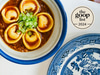
Filipino-Australian chef Hanz Gueco and his team reopened Le Cheval d’Or (which has been here forever) as a high-end fusion spot in 2023. It’s fun and experimental. The menu changes often, but you might find handmade tortellini with mapo ragu, black-vinegar chicken wings, or Sichuan-oil mussels. Natural and biodynamic wines dominate the beverage list, but there are some really good sakes, too.
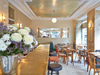
Le Servan
Parisian dining has a reputation for being a little stodgy at times, what with the ubiquitous gilded interiors and price fixe-only menu—but at Le Servan in the 11th, you’ll find neither. Instead, chef Tatiana Levha, and her sister, Katia, offer up a short but sweet a la carte menu of Asian-inspired classics that changes pretty much daily. As for decor, it’s all neutral, with a brass-top bar. Walk-ins fare well at lunch, but make a reservation for dinner.
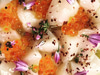
Mokonuts
If you commit to one luncheon in the 11th, make it Mokonuts. Husband and wife Moko Hirayama and Omar Koreitem serve Lebanese-leaning meals on ceramic dishes so gorgeous, you’ll be sorely tempted to slip one into your purse. This couple does it their own way—Hirayama’s past includes a stint as a lawyer (she used to work baking early morning macaroons at Ladurée before heading to the office), while Koreitem cut his culinary teeth at Daniel in New York City. Nothing at Mokonuts is predictable, not even the cookies: Chocolate chips are traded for fennel, almond, and pickled lemon; coconut is paired with black pepper. Savory dishes are hyperseasonal, and the flavors are out of this world, with many of the spices and ingredients imported from Lebanon: tuna crudo with chermoula; blistered cauliflower smothered in secret sauces; and an exceptionally good artichoke dish. But come early—Mokonuts shutters in the late afternoon, so Hirayama and Koreitem can pick their kids up from school and cook dinner for the family. As we said, they do it their way.
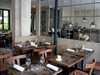
Septime
The chefs behind Septime seem to understand that you can’t fail when you start with the best fresh ingredients. This isn’t to say that the cool, pared-back space isn’t innovative—it just isn’t flashy.
Vantre
Vantre is what Frenchie was 15 years ago. Chef Iacopo Chomel and sommelier Marco Pelletier met at Le Bristol's Epicure (after runs at Le Clarence and Le Taillevent, respectively), but despite their fine dining backgrounds, Vantre is relaxed and unpretentious. There are just a handful of seats, and the place is only open for lunch and dinner Monday through Friday. You might notice the crowd is full of chefs from other restaurants, who gather here to split a bottle of wine over lunch. Speaking of: At lunch, opt for the set menu, which goes for just 26 euros for an entrée, plat, and dessert, and get whatever bottle the sommelier tells you to.
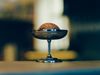
Folderol
As far as we know, Folderol is the first of its kind: a natural wine bar slash ice cream shop. You order at the counter—there’s always a line—to get a glass of whatever the sommelier recommends and a scoop off the ice cream menu, which changes daily. Kids are welcome.
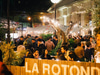
La Rotonde
This restaurant, bar, and nightclub—in an iconic rotunda built by Claude Nicolas Ledoux, the father of Neoclassical architecture—is also smack in the middle of one of the main alternative drags in Paris. Young Parisians flock here for dinner under the cupola and drinks all day in the verdant and colorful terrace garden right on the Place Stalingrad. When it gets late, you can always head back indoors to the Mini Club for some French disco.
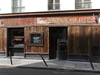
Septime La Cave
While you can take your low-sulfite wine to go at this former shoe repair shop, you can also grab a seat at the bar and snack while you drink: Sausages, anchovies, and cheese all get the Septime treatment here.
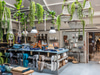
Borgo Delle Tovaglie
This shop specializes in handmade linens from Bologna. You’ll find stacks of tablecloths and napkins, rows of colorful throw pillows, and beds made up with their super-soft sheets and blankets. Plus a curated selection of baskets, ceramics, drinking glasses, flatware, and furniture. If you don’t know what you’re looking for, it’s a great place to browse. And if you do, it’s an even better place to order a custom set of table linens, curtains, what have you. Even more, Borgo's Italian Bistrot, located inside of the store, is a great place to see the Borgo Delle Tovaglie products in action while enjoying pasta dishes.

Caravane
With a palette of muted tones, and pieces that look like they belong in a sand-washed cabin on the beach, Caravane is a useful resource for unfussy linens—both for the bed and the table.

French Trotters
Now two locations strong, French Trotters pretty much epitomizes what a great boutique should be: Beyond a host of exclusive collaborations, their buyers manage to zero in on the best and most relevant items from the lines they stock. Everything, from the perfectly turned out Michel Vivien sandals to Jerome Dreyfuss totes, seems like an important wardrobe building block. Meanwhile, don’t miss the very well-priced house label.
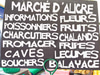
Marché d’Aligre
Occupying an old-world, village-like square, this market near the Bastille bustles with locals stocking up on their weekly groceries. When you need to catch your breath, head to Le Baron Rouge, a great wine bar just around the corner.

Cinémathèque Française
Built on the collection of co-founder Henri Langlois—who, with the help of friends, managed to smuggle most of his compendium of films out of France before the German Occupation—the Cinématheque Francaise houses one of the largest movie archives in the world. Though it's had a peripatetic existence, it's now housed in a Frank Gehry-designed building. There are exhibitions along with daily screenings of classics (and a restaurant on the ground floor).

Docks en Seine
Home to Paris's fashion institute, this rehabbed 1907 warehouse on the Seine—marked by an undulating lime green glass roof—also plays host to exhibition spaces and a handful of boutiques (many of which sell student work). The real draw, though, is the bar/club/rooftop restaurant called Wanderlust on the quay level. It occupies an outdoor terrace where you can catch an open-air screening or just sit in the sun.

La Cité des Sciences
A planetarium, an aquarium, a submarine, an IMAX theatre? Check and check. The museum covers everything from microbiology to outer space, and the learning is interactive. Plan to spend the whole day here, as it's huge (and fascinating), but avoid the weekends which get annoyingly crowded.

Parc de la Villette
Sited on a former industrial wasteland (the Parc de la Villette had served as a slaughterhouse since the 19th century until its rehabilitation in the '70s), this expansive cultural venue is the perfect marriage of old and new. Many of the original buildings—including the veterinarian hospital—are now exhibition halls, and 10 themed gardens, many of which are devoted to kids, dot the landscape. All-in, the Parc de la Villette now houses the Cité des Sciences et de l’Industrie, three major concert venues, and the Conservatoire de Paris.

Parc des Buttes Chaumont
Opened in 1864, the Parc des Butte Chaumont was actually a giant public works project: It's called after Chauve-mont, which means bleak hill, because before its makeover, it was actually a dump (as well as a site where they displayed the bodies of hanged criminals). After years of terracing, planting, and construction (everything, from the man-made lake to the cliffs, was molded into shape), the park opened to huge crowds. Beyond just being a lovely place to pass the day (particularly when it's spent drinking wine at Rosa Bonheur), the grotto, waterfalls, and Temple de la Sibylle are big draws—along with a bridge designed by Gustave Eiffel.

Parc Floral de Paris
At 2,500 acres (about three times the size of NYC's Central Park) the Bois de Vincennes was ample enough to act as the royal hunting grounds in the 13th and 14th centuries, and serve as the site of most of the events during the 1900 Summer Olympics. 17 years later, Dutch spy Mata Hari would be executed in the park's fortress. But we digress: The Bois de Vincenne's Parc Floral de Paris is one of four botanical gardens in the city, home to 3,000 types of plant (including 650 varieties of Iris). There are peacocks, there's a bonsai garden, and there's an annual jazz festival in the park's amphitheater that draws big crowds.

Père Lachaise Cemetery
Paris's largest (and most historic) cemetery plays home to pretty much everyone you'd ever want to commune with after death: Marcel Proust, Oscar Wilde, Jim Morrison, Georges-Pierre Seurat, Gertrude Stein, and Édith Piaf all rest here—plots are still available, but the waiting list is long.
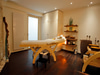
La Maison Dr. Hauschka
This is one of those spots that doesn't feel like it could possibly be in a bustling city: Faced with a flowering courtyard, stone walls, and a glass ceiling, La Maison Dr. Hauschka is oh-so-quiet. Fitting really, because the facials and massages are relaxing enough to knock anyone out. Their signature facial, developed by Dr. Hauschka co-founder Elisabeth Sigmund, is two hours of pure bliss—deep cleansing, layers of masks, compresses, and incredibly effective skin care.

Mirz Yoga
Plagued by stomach pains, Marine “Mirz” Parmentier found relief in yoga and became obsessed, leaving her communications job to train in India. She founded Mirz Yoga, where you can take Hatha, Pranayama, and R&B Yoga classes designed for all levels, including prenatal and children.
Saturday, Sorted: 3 Galleries by Yuko Mohri and a Samurai Negroni by Watr Rooftop

5 Thought-Provoking Novels to Discuss and Debate This Fall
These novels are guaranteed to give you and your friends something to talk about.

48 Hours in San Diego
Here’s how to spend the perfect weekend in this laid-back coastal destination—home to goop’s kitchen’s first dine-in location in Del Mar.


48 Hours in Istanbul
History, incredible food, fantastic shopping, and centuries-old bathhouse culture make Istanbul a must-visit. Here’s how to make the most of a few days in this endlessly fascinating city.

Tierras Villas in Crete Isn’t Quite a Hotel—and That’s the Point
Five private villas with infinity pools and wide-open Aegean views offer the privacy of a house with the ease of a hotel—the latest chapter in a Cretan family story that began more than three decades ago.


10 Must-See Art Exhibitions to Fill Your Fall Itinerary
Take in out-of-this world large-scale installations in Tokyo and one of the year’s most anticipated shows in London—where Edward Enniful explores the art, photography, and fashion of the ‘90s.

How I Stopped Trying So Hard to Win Over My Teen
One mother shares how a weekend in Coronado, a failed concert, and a little unplanned downtime helped her reconnect with her teenage daughter.


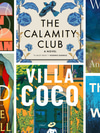
5 Smart Novels to Pack When You Want More Than a Beach Read
Five emotionally rich literary beach reads from Maggie O’Farrell, Kathryn Stockett, Elizabeth Strout, Andrew Sean Greer, and Ann Patchett.

The Garden Spell of San Ysidro Ranch
In Montecito, a storied hideaway of vine-covered cottages, fragrant gardens, candlelit dinners, and rare privacy proves that the greatest luxury may be being left alone.


.png)
The Historic French Spa Town Where You Can Still Take the Waters
Where to stay, eat, and explore in Évian-les-Bains on the shore of Lake Geneva.
.png)
Where Nancy Silverton Actually Eats in Los Angeles
From old-school institutions to under-the-radar gems, the legendary chef shares her go-to restaurants, markets, and specialty food destinations.