



How Do Red Light Devices Work?
Evidence is mounting that red light is a simple, noninvasive way to stimulate the health and rejuvenation of cells and tissues.

A Guide to the Best Plant-Based Meats
The ever-expanding alt-meat aisle: Is anything in it healthy? Does the food taste good? What even is alt meat? Our senior director of science and research, Gerda Endemann, PhD, and food director, Caitlin O’Malley, teamed up again to break it down for us.

Preventing Low-Blood-Sugar-Induced Hunger and Anxiety
Giving up high-carb foods is the usual prescription to reduce post-meal blood sugar peaks and valleys. But we may be able to avoid low blood sugar—with its accompanying weakness, irritability, and panic attacks—simply by changing the order in which we eat foods.

Are Seed Oils Like Canola Bad for You? We Review the Research
Seed oils are said to be inflammatory and damaging to the gut and to contain undesirable components formed during refining processes. While we’d prefer our oils not to be refined, a deep dive into the research has not turned up evidence that refined seed oils are doing us much harm. And to their credit, seed oils contain the two fatty acids that are essential nutrients, without which your skin would become scaly and thickened and, eventually, you would die. What our research has revealed is that the fats suggested as substitutes, coconut oil and animal fats, have significant downsides.

Ask Gerda: When Do I Need to Start Doing Kegels—and How?
Dear goop, I thought the pelvic floor was something I didn’t have to worry about until after menopause, but my doctor said that I should start exercising it now, before I give birth. Is there anything other than Kegels I should know about?

Ask Gerda: Are There Side Effects from MRI Contrast Dyes?
Dear goop, I think I’m allergic to the dye I was injected with when I had two MRIs. Since then, I’ve had hives, brain fog, fatigue, dizziness, and pain. I was told not to worry about additional MRIs—that they couldn’t be responsible for these symptoms. But could they be?
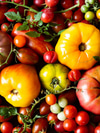
Do Nightshade Vegetables Cause Inflammation?
“I was asked to look into the evidence that nightshade vegetables—including tomatoes and potatoes—might cause inflammation,” writes Gerda Endemann, our senior director of science and research. “Some practitioners discourage the consumption of nightshade vegetables, which have been said to promote arthritis, inflammation, and autoimmune diseases. While there isn’t much research into nightshades and inflammation, there are reasons why some people might want to try eliminating these foods.”

Do Antioxidants Really Boost Glowing Skin?
I really, really wish that I hadn’t waited until my 60’s to start taking care of my skin. My punishment for loving the sun and neglecting skin care is thinning skin, brown spots, and wrinkles. Why do these things happen as we age, and how can you—with the benefit of my hindsight—better care for your skin? For this story, I looked deeply into the research on how antioxidants can best be used internally and externally to optimize the way skin looks as we age.

Curing and Preventing iPhone Thumb
A colleague at work asked me if I knew anything about texting thumb or hand pain associated with texting. I didn’t, so I asked a few experts. They all said to put the phone down when you can, because it’s easier to prevent hand pain than to cure it. And they offered three unique takes on remediation: strengthening, improving circulation, and improving posture.

The Best Form of Exercise to Maintain Height
Perhaps if we were aware of just how early in life osteoporosis starts to develop, and that its consequences aren’t limited to broken bones, we’d take preventive actions sooner, including weight-bearing exercise. Weight training builds strong bones as well as muscles and can help maintain our height and upright posture throughout life.

Hyperbaric Oxygen Chambers: The Proven Benefits and Possible Risks
Hyperbaric oxygen therapy facilities are springing up around the world, and they’re being used to treat a wide range of complaints, from surgeries that won’t heal to fuzzy brain. There’s good evidence that HBOT helps tissues heal after surgery or radiation treatments, but what about other conditions that people are using it for, like cognitive support and chronic Lyme disease?

A Breakthrough in Treating Hair Loss from Alopecia Areata
Angela Christiano, PhD, had recently started as an assistant professor at Columbia University when her hairdresser noticed a bald patch on the back of her head. She was diagnosed with alopecia areata and told that the hair loss might or might not progress to her entire scalp or her entire body—and that there was no cure. Twenty-five years later, there is finally a treatment for alopecia areata, a drug that Christiano’s research was central in identifying.

The Health Benefits of Orgasm—and Other Ways to Get Them
Making babies probably isn’t the only reason we’ve evolved to find sex pleasurable—there are also health benefits from sex. Orgasms are helpful for our mood, anxiety, sleep, sexual health, and pain. And there are other ways to reap some of the same benefits.

How to Do (or Get) a Lymphatic Massage
A lymphedema therapist explains why you’ll want to do a gentle lymphatic self-massage and how to get started. The lymphatic system does a lot more than provide drainage—it’s crucial for immunity.

Ask Gerda: How Do You Evaluate Supplements?
Dear goop, I’m a little wary of buying supplements and other wellness products because I don’t know how to tell if they are well-made. What should I know, and how do you evaluate products at goop?

Ask Gerda: Am I Just Peeing Out My Supplements?
Dear goop, I started a new multivitamin, and now sometimes my urine is bright yellow. Am I just peeing out all the vitamins in my supplements?

How to Treat and Prevent Seasonal Allergy Symptoms
Allergist Purvi Parikh, MD, shares advice for coping with itchy eyes and clogged sinuses caused by seasonal allergies. Parikh says symptoms can also include asthma, rashes, and sore throat.

Ask Gerda: Is Intermittent Fasting Evidence-Based?
Dear goop, I hear a lot about fasting and am wondering if it’s worth trying? If it is, how should I get started?

Things That Help You to Sleep—and Keep You Asleep
When you want a little help drifting off into a perfect night’s sleep, do you tend to go for mind-calming meditation or for a chemical assist? Does it intrigue you that wearing warm socks may help you fall asleep quicker? There are many ways to promote restful sleep, and you get to choose.

Ask Gerda: How Do Nutritional Needs Change with Age?
Dear goop, I’m in my forties, noticing some changes, and wondering if my nutritional needs are changing, too. Are there any nutritional hacks I should know about?

Ask Gerda: What Happens to Libido as We Age?
Dear goop, My libido seems to be less predictable than it used to be, and it’s hard to tell why. Is it inevitable that my libido decreases as I get older?

Ask Gerda: Are Lectins in Foods Hurting My Gut?
See what our senior director of science and research has to say about digesting lectins (proteins found in many plant foods) and what she recommends for gut support.
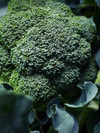
Ask Gerda: What Makes You Bloated?
Dear goop, I become bloated sometimes after eating but can’t figure out whether it’s due to a particular food or something else. What are some of the reasons for bloating?

Ask Gerda: How Do You Support Your Metabolism as You Age?
Dear goop, I don’t know if everyone’s metabolism slows down in their thirties and forties, but mine has, and I’m curious about different ways to support it.
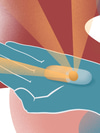
Ask Gerda: How to Choose Your Vitamin Protocol
Dear goop, I want to take a multivitamin, but I have no idea how to choose one. What should I look for and what’s special about goop’s protocols?

Menopause and Perimenopause
Menopause is when menstrual cycles no longer occur. It’s a part of life that can be both empowering and challenging. Hot flashes and changes in mood and sexual function may significantly affect quality of life for some people. But many women report feeling relief when their periods stop and may experience increased sexual desire. And menopause can be a time for meaningful change and growth.
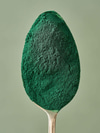
Ask Gerda: What’s the Deal with Spirulina, Chlorella, and Chlorophyll?
Dear goop, I hear a lot about spirulina, chlorella, and chlorophyll. Do they really help with detox? And will a capsule be enough, or do I need to load my smoothie with powder?

Shopping with a Scientist: Bite-Size Support for Sleep, Focus, and Immunity
Gerda shares more on the formulas of our soft chews: Knock Me Out, Nerd Alert, and Perfect Attendance.
Lyme Disease
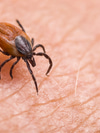
Lyme disease is a bacterial infection that results when a tick infected with Borrelia burgdorferi—or a related species—bites a person and remains attached long enough to transmit the bacteria. If not treated with an antibiotic, symptoms increase in severity, eventually affecting the nervous system and the heart. We don’t know why a chronic condition persists in some people despite treatment. Our science and research team has summarized what’s known about the course of infection, possible causes of post-treatment Lyme disease syndrome, and the ongoing research on better diagnosis and treatment options.
Irritable Bowel Syndrome (IBS)
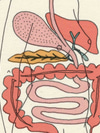
Irritable bowel syndrome is diagnosed when someone experiences abdominal pain, bloating, and unusual bowel movements and when test results have ruled out other disorders, such as inflammatory bowel disease or celiac disease. Our science and research team has gathered information on the diagnosis, causes, and treatments of IBS—and on how a new direction in research could change the way we understand and treat this condition.

Ask Gerda: Is Raw Dairy Healthy for You?
Dear goop, What do you know about raw milk? Is it safe, and does it really prevent allergies, asthma, and ear infections?

Diabetes
In people with diabetes, high levels of sugar in the blood damage blood vessels and nerves, frequently without obvious symptoms. This can cause heart attacks, kidney failure, and other health issues if not treated properly. In type 2 diabetes, insulin is no longer effective at lowering blood sugar, referred to as insulin resistance. Type 1 diabetes is considered an autoimmune disease because the immune system destroys insulin-producing cells. We do know that diabetes is one of the diseases most responsive to lifestyle changes, so we’ve summarized recent research about diets, foods, supplements, and exercises, to aid in making worthwhile lifestyle upgrades. We’ve also gathered some of the most interesting research on innovative ways to prevent and treat diabetes.

Alzheimer’s Disease
Alzheimer’s disease causes the death of neurons and the loss of memory and language, and it eventually results in an inability to carry out simple tasks. Although we do not yet have a cure, there are diet, lifestyle, and medical approaches that help manage symptoms—and offer hope for delaying disease progression.
Rye Happies
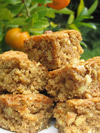
“This is one of my all-time favorite recipes. I loved Rye Happies as a kid, and then made them for my children. They’re rich in healthy omega-3 fat from the walnuts, and with polyunsaturated fats, phytosterols, and plant fibers, this recipe could have been designed for cholesterol-lowering. Make some when it’s your turn to bring snacks for the soccer team. Although brown sugar is only a little better than white sugar in terms of nutrient content, with little bits of calcium and iron, in this recipe, it is the only imperfect ingredient.” —Gerda Endemann

Ask Gerda: Do Cranberries Prevent Urinary Tract Infections?
In July 2020, the FDA announced that labels can say: Cranberry juice may help prevent UTIs. However, it said that the scientific evidence supporting this claim is limited and inconsistent. Our senior director of science and research explains what that means for the average person wanting to prevent UTIs.

Ask Gerda: How to Support Your Immunity and Sleep?
When thoughts turn to preparing for winter, we turn to our head scientist to answer some of the most common questions she gets around immunity. “People want to know what’s worth doing, and whether or not a ‘miracle’ cure they’ve heard about is real.”

Heart Disease
Heart disease is the leading cause of death for both men and women—it kills more women than all types of cancer combined, including breast cancer. The good news is that lifestyle changes can significantly lower your risk of heart disease, even if you are genetically predisposed. Simply saying “Don’t eat fat” is passé, and now we have much more effective diet and lifestyle recommendations.

Breast Cancer
Breast cancer remains all too common, but earlier detection and personalized treatments have been steadily decreasing the deadliness of this disease. Scientists have a general understanding of factors that make breast cancer more likely for certain people than for others, like mutations in the BRCA genes and being exposed to estrogen, but they can’t yet predict with certainty who will develop this disease and who will not.

Celiac Disease and Gluten Sensitivity
Celiac disease is a serious autoimmune condition in which gluten consumption results in damage to the intestine. For people with celiac disease, gluten triggers the body’s own immune system to attack the cells of the intestinal lining. But even if you don’t have celiac disease, there are a few other reasons you might want to avoid gluten and wheat. To help us better understand celiac disease and gluten sensitivity, our science and research team has compiled the most significant studies and information on what might cause these conditions and how they can be treated.

Ask Gerda: Do Water Purifiers Make Tap Water Safer—or Taste Better?
Dear goop, I hate it that my tap water smells and tastes like chlorine. Should I stop being so picky, or should I trust my instinct and get a water purifier?

Ask Gerda: Does Dairy Cause Sinus Issues?
Dear goop, I guess there are a lot of reasons that people stop eating dairy products. One I’ve heard is that it increases mucus and stuffed-up sinuses. Is that true?
Ask Gerda: Tips for Healthy Immunity and Inflammation?
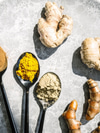
Dear goop, I want to do everything I can to support my immune system. Are there nutrients and herbs that can support a healthy immune response in a balanced way?
Ask Gerda: Can My Diet and Supplements Affect Blood Clotting?
Dear goop, I never really thought about how blood clotting works, but I’m wondering if it’s really a good idea to take vitamin K—it’s in my multi—given that it promotes blood clotting. And should I be taking fish oil, which I’ve heard is a blood thinner? —Beth H.
Ask Gerda: Should I Take Vitamin C for Immunity?
Dear goop, I want to do everything I can to support my immune system. I don’t hear much about vitamin C and immunity these days except that some people swear by it and others think it doesn’t help. Is the evidence connecting vitamin C and immune health out of date?
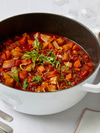
4 Immune-Friendly Soup Recipes
Gerda Endemann, our senior director of science and research, gave us a list of immune-supporting ingredients, and we came up with four new feel-good soups: a creamy chicken stew that gets its richness from peanuts, a sweet and spicy coconut parsnip purée, a lighter goulash with root veggies, and a clam stew with spinach.

Bolivian Peanut Stew
A lot of us could identify zinc in the supplement aisle but not in our food. This comforting soup packs in two surprising sources of zinc: peanuts and chicken. Gerda Endemann, our senior director of science and research, says zinc is important because “it’s necessary for the different types of white blood cells to carry out their specialized functions fighting pathogens.”

Coconut, Lemongrass, and Parsnip Soup
There’s some sweetness and a little kick to this creamy soup, which is often what we want when we’re not feeling well. We added parsnips for flavor and function—this unglamorous vegetable may be the next superfood. Parsnips provide multiple vitamins and minerals, including vitamin C, for the immune system and overall good health, says Gerda Endemann, our senior director of science and research.

Root Vegetable Goulash
“Vitamin A is needed for healthy mucous membranes in the nose and mouth and gut, which are our body’s first line of defense against pathogens,” says Gerda Endemann, our senior director of science and research. And this goulash has tons of vitamin A, thanks to the sweet potato and carrots. They also happen to lend sweetness to this savory spiced stew.

Ask Gerda: All Your Detox Questions
Our bodies have to deal with a multitude of toxic compounds from air, water, food, and personal- and home-care products. Sometimes our built-in detoxification processes can cope and we get away with this. Other times, our bodies suffer—in what can be surprising ways. January is a good time to help our bodies catch up with detoxification. It’s a good time to think about removing environmental toxins. And to figure out whether particular foods are toxic for you.
Ask Gerda: Is It Okay to Cook with Salt?
Dear goop, My boyfriend doesn’t use salt when he cooks. He’s afraid of high blood pressure. But I think food tastes bland without it. Is salt unhealthy?

Ask Gerda: Should I Take a Vitamin D Supplement for Immunity?
Dear goop, I’m reading a lot about vitamin D deficiency and, of course, stressing because I’m spending most of my time inside the house right now. Can you get enough vitamin D from food? Does supplementing have any benefits for immunity?
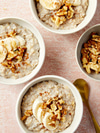
Veggie-Packed Meatball Subs, Curry Noodle Soup, and More Nutritious Pregnancy Foods
We asked Gerda Endemann, our senior director of science and research, which foods best support the health of pregnant women and growing babies. We also surveyed new moms and moms-to-be around the office about their experience with food and cravings. The short version: They’re pretty hungry. We think these moms should have it all, so we created four recipes that fill them up and provide the critical nutrients they need now.

Curry Noodle Soup
Many of the moms we talked to said that they could never satisfy their hunger. But with this big bowl of broth-y soup, you don’t need to overeat to feel full. Gerda Endemann, our senior director of science and research, says: “A great way to make a warm, rich soup even more nutritious is to top it with an egg, or two or three. Eggs have lots going for them, but what’s especially important during pregnancy and lactation is their generous amount of choline, an essential component of the developing neural tube. The placenta pumps in choline to keep levels in utero high, and it isn’t easy to replenish Mom’s supply. Choline is absent from or present at low levels in most prenatal multivitamins, despite its importance for fetal brain development, so eat eggs, meat, fatty fish, soybeans, or lecithin regularly. The other toppers aren’t bad either—mint way outdoes spinach as far as fiber and iron, so pile it on.”
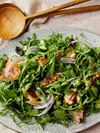
Honey Harissa Salmon Salad
What makes this salad stand out is that it has lots of protein to keep you going—and a spicy-sweet harissa honey marinade that makes it way more interesting than your typical lunch. Gerda Endemann, our senior director of science and research, says: “Developing brains and eyes need lots of omega-3 fats as building blocks. Supplements are great, but why not eat fatty fish, like salmon, which also packs a good amount of two other nutrients essential for brain development—vitamin B12 and choline? Salmon is naturally low in mercury, making it safer than swordfish, and wild salmon is clean as far as other pollutants go; minimize your intake of European Atlantic-farmed fish. Last, with the arugula in this salad, you get the best-known nutrient associated with a developing nervous system—folic acid. Folic is from the Latin ‘folium,’ which means leaf.”

Veggie-Packed Meatball Subs with Garlicky Broccoli Rabe
We wanted to give expecting moms something that really feels like comfort food but is sneakily packed with nutrients. We don’t have a ton of red meat recipes, and we feel good about the 50-50 ratio of grass-fed ground beef and veggies in these meatballs. Here’s what Gerda Endemann, our senior director of science and research, says: “This ultimate comfort food is also, amazingly, the ultimate nutrition to support you and your baby during pregnancy. A lot of veggies with a little meat gives you the best of both worlds. You get all the vitamin and mineral and antioxidant benefits of the beets and broccoli rabe, combined with the highly bioavailable iron and complete protein from the beef. Iron is probably the hardest nutrient to get enough of during pregnancy—it takes a lot to build your baby, and often there isn’t enough left over for mom’s strength and energy needs. Meat contains iron, and even better, a little meat increases the normally very poor absorption of iron from vegetables.”
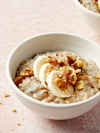
Overnight Sweet Brown Rice Porridge
We love this option because it’s a warm breakfast made ahead in the slow cooker overnight. It’s hearty but also mild if you’re still dealing with first-trimester nausea. Gerda Endemann, our senior director of science and research, says: “For this recipe, find an almond milk with calcium. Growing and feeding a baby takes a lot of calcium, and you don’t want it to come from your bones. (You’ll also get calcium from the greens and beans in these recipes—dairy products aren’t the only good foods for bone health.) The porridge is made into a true superfood, though, by its chia and flax seeds, which are rich in protein, fiber, calcium, iron, and an omega-3 fatty acid. Your body can turn the plant omega-3 into DHA and EPA of fish-oil fame.”

Ask Gerda: What’s the Point of Diffusers and Essential Oils?
Dear goop, I’m interested in aromatherapy but a little skeptical about diffusers and essential oils—do they do anything?

Ask Gerda: Can You Please Help Me Get Some Sleep?
Dear goop, It’s frustrating when I finally collapse into bed at night only to lie awake, thinking about what a drag tomorrow will be if I don’t fall asleep soon. When will people learn that it’s not nice to comment on how tired you look? But seriously, I would appreciate some help..
Gerda Explains: The Best Fats to Eat and Burn
“I love to eat fats. Have you ever had peanut butter with whipped cream and honey? Nutritional scientists never thought that fat was bad for you, or eggs for that matter. We just haven’t been very good at communicating what science knows and doesn’t know,” writes our director of science and research. “There’s a yin and yang to fats, and although they are complicated in a way, it’s really not that difficult to learn to use them wisely.”

Shopping with a Scientist: Gerda’s Sex Edit
Gerda Endemann, our senior director of science and research, is picky when it comes to wellness products—which is why we turn to her first whenever we’re choosing between A and B. Here, Gerda picks from the goop shop’s sex selection.