
These practices are nearly as old as time—many find value in them, even if modern-day research hasn’t caught up yet (or the practices will never catch its attention).
Across cultures, postpartum recovery isn’t just about rest but restoration through nourishment. In China, the practice of postpartum confinement (“zuo yue zi,” or “sitting the month”) emphasizes warm, nutrient-dense meals to aid healing. In Latin America, La Cuarentena ensures new mothers receive 40 days of care, often centered around deeply nourishing foods. These traditions recognize what modern science increasingly supports: postpartum nutrition is a cornerstone of recovery.
“Food, in general, is a language of love for many ethnicities. It’s also part of a rite of passage into motherhood, where everyone comes together to nurture a new mother,” says Kristal Lau, MBBS, MPH, a physician based in France, and leading authority on postpartum wellness.
Yet, in the U.S., this communal, food-centered approach is often missing. Without government policies like paid family and medical leave, many mothers are forced to return to work soon after birth, leaving little time for healing, let alone traditional food practices. “Some confinement meals require time-consuming preparation and specialty ingredients that may not be accessible, especially in a Western country,” Lau explains. The decline of multigenerational households also makes postpartum support harder to come by—many new mothers are left to recover alone.
Irene Liu saw this firsthand when her aunt became a mother. The rich postpartum traditions she knew were largely absent in the U.S. She co-founded Chiyo, a meal delivery service rooted in Traditional Chinese Medicine, to help fill this gap.
Postpartum nutrition is powerful. Beyond providing essential protein, fiber, and hydration, many traditions emphasize “warm foods,” a concept deeply rooted in Chinese medicine.
“In many cultures, the mother is always fed first. It’s not just about the ingredients—it’s about ensuring that new mothers are cared for and supported during this critical time. —Kristal Lau, MBBS, MPH”
“After childbirth, there is a loss of blood and Qi—the vital life force or energy that flows through all living things as taught in traditional Chinese medicine—and the body’s channels are open and vulnerable,” Lau explains. “If external factors like cold, wind, or dampness enter and the body closes before expelling them, they can lead to long-term health issues.” Warm, easily digestible meals—soups, congee, stir-fries—are designed to protect, heal, and replenish.
But the most valuable aspect of these traditions isn’t just about what’s on the plate; it’s about care. “In many cultures, the mother is always fed first,” Liu says. “It’s not just about the ingredients—it’s about ensuring that new mothers are cared for and supported during this critical time.”
Here, six ways to reconnect with food and practices that nourish the body and honor tradition postpartum.
1. Reconnect with Your Roots
If you don’t feel connected to any postpartum nutritional rituals, Lau recommends rediscovering them within your community or through family members. You might ask an aunt or grandmother or someone on your partner’s side of the family what they experienced regarding postpartum support or saw in their family. She also suggests searching online on Facebook, Reddit, or other forums using keywords like “confinement practice” or “postpartum rest'—or even more specific, like Korean, Cambodian, Thai, or Greek postpartum practice. Remember: Reconnecting with traditions isn’t just about nourishment—it’s about embracing a lineage of care, wisdom, and support.
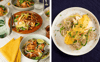
Photos Courtesy Chiyo
2. Utilize a Meal Delivery Service for Mothers
Chiyo is inspired by traditional Chinese medicine and is modernized with current-day nutritional science. “Meals are nutritionally balanced with a registered dietitian making sure there are enough macros and micros, specifically enough protein, and ensuring that everything is phased throughout the day.” The company provides everything from tailored meals for trying to conceive or pregnancy, anti-inflammatory and antioxidant-rich foods, broths, bites, teas, and full meals—all formulated with a traditional Chinese medicine advisor.
Other companies such as Mother Bees, Mama Meals, Chebona, and Nourish offer meal delivery services and holistic wellness products and foods for mothers and babies, too.
3. Try a Tonic Tailored to Pregnancy or Postpartum
It took having a baby of her own forAnya co-founder Jane Baecher to realize that the gap in maternal care between the U.S. and other countries centered around a lack of cultural traditions and ongoing, comprehensive care for women and mothers. Today, the company sells vitamin C-rich recovery drops, lactation teas, monthly packages of goodies tailored to each step of the fertility journey, and more. Freida Pinto, the company’s chief impact officer, brings her family’s Indian roots to product development and care efforts.
Another to check out: Milk Moon, a company started by a mother and herbalist, sells herbal tonics and tinctures designed to support women’s health, particularly during the postpartum period.
4. Cozy Up with a Book
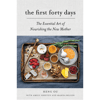
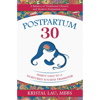
Not only are books an easy way to educate yourself and start collecting some recipes, but they’re also an easy way to teach those around you about the importance of postpartum rituals. Add books to a baby registry, send links to friends, or simply pick one up to flip through yourself. Two to try: The First Forty Days: The Essential Art of Nourishing the New Mother, which has 60 recipes for soups, meals, snacks, and more, and Lau’s book Postpartum 30: Thirty Days to a Nurtured Fourth Trimester, which serves as a guide for postpartum care; both center traditional Chinese confinement nutritional practices.
5. Consider a Postpartum Retreat
They’re expensive and in no way a fix for the lack of maternal care in this country, but postpartum retreat facilities—places that prioritize the recovery and health of mothers in the initial postpartum weeks or months—are popping up all over the country. Lau recommends Sanu, a physician-developed postpartum care program in the D.C. area. Boram Care, rooted in Korean culture, brings recovery support and care to New York City-area mothers via at-home care. In California, Sanhu House in Santa Monica, inspired by Korean 'sanhu-jori' traditions incorporates ancient postpartum traditions, while Ahma & Co at the Waldorf Astoria Monarch Beach Resort & Club in Dana Point offers solace and curated nutrition for new mothers.
6. Create a Support Team
When it comes to food and overall support, help can come in many forms: friends, family members, a community, or paid help, such as doulas, newborn care specialists, and others. “Confinement nannies” are specially trained in cultural nutritional rituals; Lau recommends Obaatan Women, a Newport Beach, CA-based company that connects families with postpartum care workers versed in nutrition, traditional recipes, and overall support at home. She also recommends involving a partner in this care if you have one. “It gives the non-birthing parent an important place and responsibility in the early days of postpartum,” she says. “This can help with bonding during this early family dynamic change.”