What to Do If Heartburn Is Becoming Your “Normal”Created with Reflux Gourmet

Heartburn is one of those health issues you don’t think twice about until it’s happening to you—it’s filed under fuzzy memories of cable TV commercials and things your mom complains about. However, as women get older, many suddenly find themselves able to relate, dealing with the telltale discomfort after every coffee or glass of wine.
The term “heartburn” gets tossed around often, though it’s important to note that heartburn is not a condition itself—it’s a symptom. Heartburn is the painful, burning sensation you feel in your chest and throat. It’s most typically caused by acid reflux, which is when stomach acid flows backward into the esophagus. Other issues can cause heartburn, including esophageal motility problems or hiatal hernias, though acid reflux is the most common culprit, explains Jennifer Timmons, MD, a functional and integrative medicine physician.
Why does reflux happen, and is there anything you can do to deal with it besides toting antacids around in your purse? Experts explain what’s behind your heartburn, including how to squash the spark before it starts.
What’s Behind the Burn? And How Hormones Play a Role
Acid reflux occurs when gastric contents like acid, bile, or pepsin flow back into the esophagus, explains Vikram Tarugu, MD, a board-certified gastroenterologist specializing in esophageal health. There are a few different reasons this can happen, though it's usually because your lower esophageal sphincter—the muscle that holds the bottom of the esophagus closed—relaxes inappropriately. "Unlike the stomach, the esophagus lacks a protective mucosal lining so when this happens, it produces the burning sensation we call heartburn," he says.
What causes that barrier to slack off? For one, a weak or loose lower esophageal sphincter is something you can be born with, Timmons notes.
In women, specifically, hormonal changes can also impact how well it functions. “For example, elevated progesterone in the early phases of pregnancy can cause the esophageal sphincter to loosen, allowing more acid to move from the stomach into the esophagus,” Timmons explains. One study published in BMC Gastroenterology, for example, found that 12.5 percent of pregnant women had heartburn at least once a week during their first trimester, 21.5 percent during the second trimester, and 35.3 percent during the third trimester, compared to 1.6 percent of non-pregnant women.
But pregnancy is far from the only time hormonal shifts can be enough to trigger reflux. “Women are generally more prone to it when their estrogen and progesterone fluctuate at other times in their lives,” Timmons says.
For instance, you might find that certain phases of your menstrual cycle trigger reflux like clockwork, or that once you enter menopause, you suddenly have symptoms. “During perimenopause and menopause, changes in progesterone and estrogen can also change the sensitivity and motility in the esophagus, making the symptoms of reflux much more noticeable,” says Daniel Ghiyam, MD, board-certified family physician with a focus on precision medicine.
Increased abdominal pressure can also cause acid reflux—something that can happen in the later stages of pregnancy (as the uterus and baby press on the stomach), from obesity (where excess weight physically pushes on the esophagus and stomach), or because of delayed gastric emptying (aka slowed digestion). For example, GLP-1 medications work by slowing gastric emptying, which means food stays in your stomach longer, increasing the volume and pressure, Ghiyam explains. In any of these scenarios that increase abdominal pressure, the lower esophageal sphincter is more likely to be overrun, he says.
Finally, lifestyle triggers can also contribute to acid reflux. This includes stress and anxiety, smoking, alcohol, eating large meals, and lying down after eating, Timmons says.
Two important caveats: First, know that a heart attack can mimic symptoms of acid reflux. “This is especially relevant in women, where heart attack symptoms often don’t present in the classic way seen in men, and may instead resemble chest discomfort similar to acid reflux,” Timmons explains. Chest pain or discomfort, anxiety, shortness of breath, upset stomach, unusual tiredness and weakness, or pain in the shoulder, back, or arm can all be symptoms of a heart attack in women, according to the American Heart Association. Second, keep in mind that heartburn isn’t the only symptom of acid reflux. Other signs can include chronic cough, hoarseness, or constant throat clearing, Ghiyam says.
The Reflux Outlook
Occasional heartburn is common and usually isn’t something to worry about—but if you’re consistently experiencing acid reflux, you may want to take action. “The lining of the stomach is typically resistant to acid, but the lining of the esophagus is not,” Timmons says.
It’s important not to ignore acid reflux, because over time, chronic acid exposure can progress from erosive esophagitis (severe inflammation and damage to the esophageal lining) to Barrett’s esophagus disease or even esophageal cancer, says Tarugu. And, if you have reflux symptoms two or more times per week—or if reflux is causing damage to the lining of your esophagus—you may be diagnosed with gastroesophageal reflux disease (GERD).
This doesn't mean that every person with heartburn will eventually get a more serious diagnosis. Still, it’s crucial not to ignore persistent reflux, says Ghiyam. Signs you may be dealing with something more severe include: heartburn or related symptoms two or more times per week; unexplained weight loss; anemia (iron deficiency); or lack of response to other standard treatments and interventions (like those listed below). In all of these instances, be sure to speak with your doctor to see if you might be dealing with a more serious condition.
Your Heartburn Survival Guide
There are several simple techniques you can use to manage acid reflux and reduce heartburn, including the six below. If these don’t seem to help, it’s a good idea to check in with your doctor.
1. Avoid Trigger Foods
One lifestyle intervention includes identifying—and then cutting back on—trigger foods. You might notice that black coffee or even your favorite marinara sauce reliably causes a heartburn flare. Common culprits are spicy and acidic foods, which can irritate your esophagus, Timmons says. This includes tomato or citrus-based foods, onions, peppermint oil, and caffeinated and carbonated beverages. “Big, greasy meals require your stomach to make more acid to digest them, which can also cause worse acid reflux,” she says.
2. Limit Alcohol
Swapping your cocktails for mocktails could do wonders for minimizing your heartburn. Research shows a significant link between alcohol consumption and acid reflux, which is why both Ghiyam and Timmons recommend limiting your drinking to reduce symptoms.
3. Try Alginate Therapy
Alginates are natural, seaweed-derived compounds, and have been used as a form of acid reflux therapy for decades. That's because certain alginate formulas are specially created to react with the contents of the stomach to form a gel raft, which "acts as a mechanical barrier against reflux rather than suppressing acid," says Tarugu.
For example, try a dose of Reflux Gourmet’s Rescue, which contains alginates and sodium bicarbonate (an ingredient that supports the floating barrier) after an acidic meal.
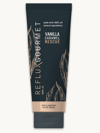 Reflux GourmetVanilla Caramel Rescue$28.00shop now
Take one teaspoon of the gel as needed (for example, after a large meal or before bed) to calm reflux.
4. Avoid Late Meals
When you can, avoid eating within two hours of bedtime or lying down, as this can exacerbate acid reflux, Timmons says. “It’s very helpful to go on a 10- or 15-minute walk after meals and to stay upright,” she says, adding that the walk can also help with managing your blood sugar. If you can’t avoid a late meal or deal with reflux in bed regardless of when you eat, try raising the head of your bed at night. This is easiest with an adjustable mattress or bed frame, or try sleeping with your torso elevated on a wedge pillow, ideally around 7 inches high.
5. Manage Your Weight
Both Ghiyam and Timmons agree that carrying excess weight in your abdomen can push on your stomach and esophagus, increasing the chances you’ll deal with reflux. So, finding healthy, sustainable ways to manage weight can be very helpful in your acid reflux reduction journey.
GLP-1 medications could be part of that strategy—though the downside is that they can also trigger reflux as a side effect. Before adjusting medication, Ghiyam says he looks at behavior first, including meal size, eating pace, and how close to bedtime someone is eating. If addressing those factors doesn’t resolve the issue, “breaking the weekly dose into two smaller doses can also help, as can shifting to smaller, more frequent meals rather than one large meal in the evening,” he says. “If those adjustments don't do it, microdosing is often the answer.”
When you experience reflux on a GLP-1, it’s almost always a signal that the gastric emptying has slowed much more than the body was ready for, he explains. Starting with a smaller dose and slowly increasing can help prevent reflux as it gives your gut more time to adapt. “I've also had patients switch from tirzepatide to semaglutide, and the reflux has cleared up entirely,” he notes. “Patients have different GI profiles, and some simply tolerate one better than the other. Reflux doesn't mean that the medication isn't working for you. It's just that the approach needs to be adjusted.”
6. Talk to Your Doctor If You Think Hormones Are to Blame
If you think hormones are behind your recurring reflux, talk to your doctor about potential solutions—unfortunately, they’re not one-size-fits-all. “For women experiencing acid reflux due to hormonal changes from perimenopause and menopause, hormone replacement therapy can sometimes help mitigate these symptoms, although not always,” Timmons says. Whether you’re pregnant, perimenopausal, or menopausal, Timmons says: “Lifestyle modifications remain the number one recommended treatment.”