Which Skin-Care Actives Work Best Together?

Building a skin-care routine in 2026 can feel a bit like planning a dinner party: You want the guest list tight and the seating chart just right. Retinol still deserves a prime seat. Vitamin C and SPF belong together in the morning. Glycolic acid is best kept apart from retinol. And newer ingredients—peptides, exosomes, and NAD+ support—can be worthwhile, if you know where they fit.
The best routine isn’t the one with the most actives, the trendiest ingredients, or the highest price tag. It’s the one with the right actives, in the right order, at the right frequency.
To make things clear, we asked leading dermatologists and a plastic surgeon to break down the ingredients worth building around, the combinations to use with care, and the simple morning and night routines that can support skin longevity without overwhelming your barrier.
What Each Active Ingredient Does Best
Retinol
Retinol remains the gold standard for a clear complexion and broad anti-aging benefits. According to Michele Green, MD, a board-certified dermatologist in New York City, this vitamin A derivative accelerates skin cell turnover, exfoliates dead skin cells, and stimulates collagen production. The result: fewer breakouts, smoother skin texture, less hyperpigmentation, reduced fine lines and wrinkles, and improvements in skin laxity. Sunscreen aside, retinol’s anti-aging potency is unmatched.
 goop Beauty3x Retinol Regenerative Serum$150.00shop now
This next-generation serum pairs a triple-retinoid complex with peptides and soothing botanicals to support skin-cell renewal, firmer-looking skin, and the appearance of softened fine lines and wrinkles—without making the experience feel punishing.
Vitamin C
Vitamin C serums are the workhorse of many a morning routine. “Think of vitamin C as your skin’s personal bodyguard. Its primary job is antioxidant protection, neutralizing the oxidative damage that comes from everyday environmental aggressors like pollution, car exhaust, and UV exposure,” says Forum Patel, MD, FAAD, a board-certified dermatologist at Arya Derm in San Francisco. It also supports collagen production, improves skin brightness, and promotes an even skin tone.
 goop Beauty20% Vitamin C+ Advanced Brightening Serum$125.00shop now
This daily brightening serum combines 20% L-ascorbic acid—the purest, most powerful form of vitamin C—with stabilizing ferulic acid, skin-soothing ectoin, and hydrating hyaluronic acid for a brighter, more even-toned complexion.
Glycolic Acid
This alpha hydroxy acid is a tried-and-true chemical exfoliant that helps even out skin texture and boost glow. As effective as it is, it can be intense for some. In that case, you can lean on gentler AHAs like lactic acid or formulas with fruit-derived enzymes.
 goop BeautyMicroderm Instant Glow Exfoliator$125.00shop now
This OG exfoliator—which employs micro-exfoliating minerals plus glycolic acid—was formulated to mimic in-office microdermabrasion treatments. Use it two to three times a week to resurface and renew the look of your skin.
Peptides and Niacinamide
Peptides are a category rather than a single ingredient. Green describes four main types: signal peptides, which stimulate collagen and elastin production to firm the skin and smooth lines and wrinkles; carrier peptides, which deliver essential minerals to reduce inflammation and restore the skin barrier; neurotransmitter peptides, which work similarly to Botox to reduce muscle contractions and prevent dynamic wrinkles; and enzyme-inhibiting peptides, which help keep the skin firm and plump by minimizing the degradation of collagen and hyaluronic acid.
Since many people have more than one skin concern, Green says they often use multiple peptides together, which can lead to a more youthful appearance.
Think of niacinamide as the friendly all-rounder. The vitamin B3 derivative seems to do a little bit of everything: calm redness, balance oil production, brighten discoloration, and support the skin barrier. It also has anti-inflammatory properties, making it useful for those who are acne-prone or sensitive, says Nancy Samolitis, MD, FAAD, a board-certified dermatologist in Los Angeles and the medical director and cofounder of Facile Dermatology and Facile Skincare. Fun fact: Niacinamide is also a precursor to NAD+.
 goop BeautyYouth-Boost Peptide Serum$150.00shop now
This age-defying serum uses heptapeptide-7, which “mimics epidermal growth factors to stimulate collagen, improve cellular renewal, and smooth the skin,” says Green. It also features niacinamide, postbiotics, and ceramides to boost skin resilience. Altogether, they target key signs of aging, including laxity, wrinkles, dullness, and sun spots, while boosting radiance and supporting the skin barrier.
NAD+ Support
NAD+ is a cofactor used by mitochondria—the powerhouses of your cells—to produce energy. Levels naturally decline with age, contributing to oxidative stress that can lead to premature skin aging. These days, you can find NAD+ precursors, such as nicotinamide mononucleotide and nicotinamide riboside, not just in skin care but also in supplements for system-wide support. Daniel Gould, MD, PhD, a board-certified plastic surgeon in Beverly Hills, says these precursors function like fuel and ultimately support cellular health. In topical form, that translates to improving the skin’s resilience, repair mechanisms, and longevity.
 goop BeautyYouth-Boost NAD+ Peptide Rich Cream$105.00shop now
This cushiony moisturizer delivers NAD+ support via NMN alongside biomimetic plant peptides, postbiotics, and barrier-strengthening ingredients. Fragrance-free, it works immediately for soft, supple skin and over time to visibly boost firmness, elasticity, texture, tone, and the appearance of fine lines and wrinkles.
Exosomes
Exosomes are among the buzziest skin-care ingredients right now. They’re tiny extracellular vesicles that cells release to communicate with other cells, trading information on how to heal and regenerate. Gould says they transport precious cargo to other cells. “That cargo can include growth factors, phosphorylated RNA, signaling molecules, and proteins,” he says. They particularly shine when applied directly after procedures—like microneedling and lasers—to expedite healing.
 goop BeautyExosome Hydration Therapy Serum$95.00shop now
Powered by over 3 million cica leaf exosomes—plus moisture-grabbing hyaluronic acid and polyglutamic acid, and barrier-protecting snow mushroom and red sea moss—this serum floods skin with hydration to leave it looking plump. It’s also safe for sensitive complexions, as the barrier-friendly formula soothes irritation and reduces redness.
What to Pair
Many ingredients work synergistically to advance your skin goals, whether they focus on protection, prevention, or correction. Some of the best pairings include:
Vitamin C and SPF
This duo should be the backbone of your morning skin-care regimen to shield your skin from the elements and stave off signs of aging. Patel says both are best suited to the morning, though SPF should be reapplied throughout the day, since they protect against daytime threats.
Retinol and Peptides
Consider it a one-two punch for more youthful-looking skin. “Retinoids force change. Peptides guide repair. The smart move is layering: retinoid for remodeling and peptides for support and barrier care,” says Gould.
Just be sure to integrate retinol with a low-and-slow approach. To err on the side of caution, start with a once-weekly application and bump it up to twice weekly the next week, and so on. If peptides are a newer addition to your lineup, you can rest easy. “Unlike retinol, peptides are gentle on the skin and can be an excellent option for patients with dry or sensitive skin,” says Green.
Niacinamide and Most Ingredients
Niacinamide doesn’t just offer a wide range of benefits; it also plays well with others. “I will often pair it with an acne treatment or retinol to reduce irritation risk from those active ingredients,” says Samolitis. In short, count on it for a friendly barrier boost.
Peptides and NAD+ Support
Consider pairing these two newer ingredients to focus on repair and resilience. Compared to other buzzy ingredients on the skin-care scene, Gould singles out peptides as his favorite. “If we’re talking about what is truly worthy in an at-home routine, peptides are well tolerated, compatible with most routines, and offer real benefits,” he says. NAD+ precursors further support cellular metabolism and help keep premature aging at bay.
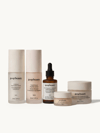
If you’d rather not play cosmetic chemist, some formulas—like our Youth-Boost NAD+ Peptide Rich Cream—combine both in a single step. It uses arginine/lysine polypeptide—which, according to Green, “stimulates collagen to smooth wrinkles and can also repair the skin’s moisture barrier to soothe inflammation”—and NMN to boost cell longevity.
What to Avoid Pairing—or Pair with Caution
Not every skin-care pairing is ideal. Scan this list before layering actives to make sure your heavy hitters don’t fight each other and leave your skin stressed or angry.
Retinol and Glycolic Acid, or Other Exfoliating Acids
Both actives stimulate skin cell turnover—and there can be too much of a good thing. Samolitis says both are admired for their anti-aging and smoothing benefits, but they’re best kept separate to avoid irritation. She recommends alternating them on different nights, leaving a few rest days in between to see how your skin responds. “If there is no itching, redness, bumps, or signs of irritation after the first few weeks, you can increase use.”
One exception: If your skin is oily or highly resilient, you may be able to tolerate both on the same day, depending on the formulation at hand. In this case, “I typically suggest using glycolic acid in the morning and retinoid at night,” says Samolitis.
Vitamin C and Retinol
“Vitamin C and retinoids should not be applied at the same time because pH conflicts can reduce the effectiveness of both,” says Gould. While some vitamin C serums advise twice-daily use, you may be better off leaning on other actives that’ll regenerate and repair your skin while you sleep—retinol included.
Vitamin C and Exfoliants
As beneficial as each is on its own, the pairing is ill-advised for most. Keep them separate to prevent side effects like redness, dryness, and skin-barrier dysfunction.
How to Layer Your Morning Skin Care
Your morning routine is about protection: antioxidant support, hydration, and SPF. Your own lineup may differ slightly based on your skin tolerance and goals, but this is a good place to start.
According to Samolitis, your skin-care routine doesn’t require a ton of rest stops. “It is optimal to let one product settle before adding the next layer,” she says. In most cases, this should take anywhere from a few seconds to about a minute or two, max. Simply let each layer absorb so it doesn’t slip, pill, or dilute what comes next.
A good cleanser is the foundation of any skin-care routine. Gel and foaming cleansers are ideal for normal to oily skin, whereas cream cleansers are best suited to nourish dry and sensitive complexions.
Protect your complexion while boosting luminosity with proven support from vitamin C.
A serum or moisturizer with peptides can help support firmness, resilience, and barrier health. If you want a serum format, use the goop Beauty Youth-Boost Peptide Serum. If you want to combine peptides, NAD+ support, and moisturizer in one step, use the goop Beauty Youth-Boost NAD+ Peptide Rich Cream.
SPF is your morning non-negotiable. Yes, 365 days a year—even when it’s cloudy, or you spend your day indoors. Find one you actually don't mind wearing and commit to wearing it religiously. With daily use, your skin will reward you years from now with fewer lines, wrinkles, and dark spots.


How to Layer Your Nightly Skin Care
At night, the focus shifts from protection to repair. The simplest route: Swap out your vitamin C for another active—namely a retinol or exfoliating product—and ditch the SPF. To take things a step further, integrate more nourishing products to coddle your skin while you sleep.
While there’s no set standard for how many products you should apply, it typically pays to take a more conservative approach. “Other than increasing risk of irritation, my concern with layering ingredients is that you will block absorption of your active ingredient by having layers of other products between it and your skin,” says Samolitis. For this reason, she usually recommends applying no more than two products between your cleansing and moisturizing steps.
Gould ups the ante to three, if you’re so inclined—but more isn’t necessarily better. “Using eight different actives rarely produces eight times the results,” he says. “It usually creates confusion, unnecessary expense, and a higher risk of irritation.”
In other words: Choose the right actives for your needs rather than adding something just because it has good marketing or it’s all over your feed.
If you are wearing a lot of makeup, start your double cleanse with a creamy balm. Then reuse your morning cleanser to wash away any sweat, makeup, pollution, and buildup you’ve accumulated throughout the day.
Retinol is best tolerated on fully dry skin, so make sure to towel off before applying. And always reserve retinols for night. “Retinoids are deactivated by UV light, meaning applying them in the morning is a bit like putting ice out in the sun,” Patel says. Over time, retinol also increases sun sensitivity due to increased skin cell turnover, making morning SPF use nonnegotiable. Invest in a high-quality formula and work your way up to nightly use as tolerated.
For extra credit—read: to sweep away dead skin cells and wake up with a noticeable glow—pause retinol for one night a week and replace it with an exfoliating treatment instead. Our go-to is glycolic acid for its skin-polishing power.
Peptides pair well even with stronger actives like retinol and glycolic acid, so don’t second-guess layering them. While you can use your peptide serum from your morning lineup, those with more sensitive complexions may want to consider swapping in a barrier-boosting serum instead to further fortify their skin.
To streamline your routine, it’s perfectly fine to use your daytime moisturizer at night. However, many prefer to opt for a richer night cream or decadent face oil to seal in hydration overnight.


