How to Choose the Right Foundation (No Matter Your Skin Type)

Pick the right foundation and your skin shouldn’t look made up at all. Instead, it should just look like luminous, healthy skin. But even as formulas have become more skin-like than ever, finding the perfect foundation or tinted moisturizer remains a headache for pretty much all of us. That’s because your foundation needs, wants, and even shade can change constantly as your skin shifts with seasons, climates, environmental pollution, hormone fluctuations, and more.
“Foundation is not a one-size-fits-all sort of makeup product,” says celebrity makeup artist Sam Fine. “You don’t go to the grocery store hungry, so don’t go to a makeup store to pick a foundation without doing the legwork first. It’s worth the time and effort to do some research to find your ultimate formula.”
Finding an exact shade match of foundation or tinted moisturizer, it turns out, isn’t the first goal of foundation shopping. “Finding the most flattering foundation option for your particular skin has less to do with the undertones and more to do with your skin concerns and performance goals,” adds Fine. “So don't be afraid to do a little trial and error and make mistakes.”
Whether your vibe is a subtly perfecting tint, a build-to-full-coverage cream, or something in the middle, Fine and top makeup artist and Westman Atelier founder Gucci Westman are here to help you zero in on the perfect wear-it-forever makeup shade, finish, and application technique for your skin type.
1Ask: What's My Foundation Personality?
Before you even think about shades and undertones, you need to understand what you want in a foundation formula. “Think of it like going to the doctor—they ask you some important questions first. A professional makeup artist will do the same," says Fine. “So ask yourself a few of those questions to get to the core of your needs. Are you oily? Are you trying to smooth fine lines and pores? Do you have hyperpigmentation or uneven tone? Are you looking for coverage that lasts all day and night for a special event? Or are you going to the beach where it’s humid?”
If you’re still having trouble, this is where Fine says the beauty of social media comes in. “Find a makeup artist, influencer, brand founder—whoever you like to follow—and watch some videos on how certain foundations look on their skin,” he says. “When they’re done applying, ask yourself if that formula fits your own foundation identity.” Once you have an idea of what you want from a foundation, you can start testing formulas. Remember—a lot of it comes down to personal preference.
2Choose Your Finish and Coverage
Fine says the biggest mistake we make when searching for the right foundation is not paying attention to the words brands use to describe their complexion offerings in the first place. “Does it say long-wearing? Mattifying? Full coverage? Luminous coverage?” he says. “Those are important indicators that help you narrow down a formula to meet your goals.”
Sheer, buildable formulas tend to be more forgiving and look much more natural, working with your natural undertones instead of masking them. And you don’t need to be a pro to wield the formula—you can build up a sheerer formula for more coverage, and the result will look more natural than one layer of a heavier product. Full-coverage foundations, on the other hand, don’t mimic skin’s natural vibrancy and texture as convincingly as sheerer formulas, but are brilliant for those looking to blur dark spots, hyperpigmentation, or breakouts.
Coverage
Sheer, buildable formulas tend to be more forgiving and look much more natural, working with your natural undertones instead of masking them. And you don’t need to be a pro to wield the formula—you can build up a sheerer formula for more coverage, and the result will look more natural than one layer of a heavier product. Full-coverage foundations, on the other hand, don’t mimic skin’s natural vibrancy and texture as convincingly as sheerer formulas, but are brilliant for those looking to blur dark spots, hyperpigmentation, or breakouts.
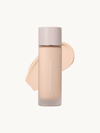
Makeup artist Gucci Westman recently created a new skincare-infused liquid formula—the brand's first true liquid foundation. “It's a weightless, medium-coverage formula that blurs and smooths with a natural, hydrated, second-skin finish,” says Westman. The formula took over three years to perfect—Westman wanted it to act and feel like your favorite face serum but perform like makeup. “It brightens, blurs, diminishes the look of texture, reduces the look of wrinkles, and it feels like nothing on the skin,” says Westman.
Westman’s cult-favorite Vital Skin Foundation Stick is the one she reaches for when she wants to build coverage exactly where she needs it. The creamy, buildable formula has a natural finish that works beautifully across skin types. Both formulas are packed with skin-care actives in line with Westman's skin-first philosophy. “Foundation melds with your skin and remains there all day, which means it has the opportunity to work for your complexion beyond surface level,” says Westman. “Foundation is first and foremost a makeup product, but I wanted it to be good for your skin too.”
Light-medium coverage tint

Medium-coverage liquid
Buildable, full-coverage stick

Finish
Narrow it down further with more questions. Radiant? Luminous? Matte? Velvet? Satin? "Matte can be ideal for those with oily skin because their skin has a sheen naturally," says Fine. "Radiant or luminous coverage is often a bit more dewy, with dimension to it. And velvet, satin, or natural finishes tend to be right in the middle, offering a more hybrid skin option."
Luminous finish

Natural finish
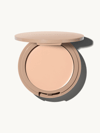
Velvet finish

How to Shade-Match Foundation (No Matter Your Skin Tone)
As shade-technology innovation grows, more brands can expand their color offerings down to the most hyper-specific tones. But Fine suggests starting with the larger shade groups (fair, light, medium, tan, deep) before narrowing down the three that feel closest to your skin.
Where to Test It: Hands, Then Face
You can test the shades on the back of your hand and look for a color that feels like you—you’ll know it when you see it. Fine says it's best to test the foundation exactly where you plan on wearing it. "Swipe it across the jawline, but you can also dab a bit on the cheeks, around the nose, and even go towards the under-eyes," he adds. "Don't be afraid to be judicious with application—you're testing it, not wearing it, so you need to really see how the formula responds to your skin." Trust your intuition: you want to make sure the color is flattering and makes you feel good.
Use Natural Light
Store lighting will almost certainly distort how foundation looks on your skin. Fine says natural daylight is best—if you're shopping in store, don't be afraid to use a mirror and walk outside with a swatch on your face. "That's why most glam teams bring their own lighting to do makeup," says Fine. "We need to control the light to see the color, contour, and contrast of skin to make sure the foundation is the truest color match and blends into skin naturally."
Color Match to Your Palest Complexion
Most people’s skin is darker in summer and lighter during colder months. “Choose a shade that suits your skin in winter; then you can add a bit of warmth come summer,” Westman says. “If you’re super careful with your exposure to the sun, one shade can get you through all the seasons. I prefer to use two shades to create the perfect finish—I use one as a concealer and one to tie everything together.”
What About Undertones?
Your skin tone is your surface hue, and your undertone is the color beneath it. Together, they make up your true shade. Warm, cool, and neutral undertones exist in the fairest skin color all the way to the deepest.
“There are no rigid rules, but if you have an olive or golden complexion and tan easily in the sun, you are probably warm,” says Westman. “If your skin is rosier, you're prone to flushing, and you turn pink in the sun, there's a good chance you're cool. Neutral undertones fall somewhere in the middle.”
“You don’t have to understand undertones to choose a foundation,” says Fine. The reason? Many brands, again, use different descriptors for undertones, which can lead to even more confusion—even the most seasoned beauty pros can struggle to understand. “It feels like deciphering a new language,” says Fine. “There’s not a Google Translate for every brand that helps you understand shades and undertone identifiers. So I find it best to just stick to the overall shade and match it to your skin.”
3Prep Your Skin By Your Skin Type
How you prep your skin will definitely influence how your foundation wears. Dryness or texture can cause foundation to look patchy or cakey, so using a serum and moisturizer to create a smooth, hydrated base is essential. However, too much moisture—say, a moisturizer that's too rich for your skin type or layering too many products—can cause foundation to slide and wear off. “If you're overly moisturized, you're actually diluting your foundation,” explains Fine. The most important rule is to use products tailored to your skin type and let them fully absorb before applying foundation to avoid it moving, melting, and wearing off: “You need to let moisturizer or face oil dry down to a degree before you apply your foundation.”
Dry skin

Oily/Combination skin

Sensitive skin
Mature skin


For those with mature skin or concerns like fine lines or large pores, Westman likes to prep skin she made especially to play well with makeup. "My Skin Activator serum floods the skin with 12 potent actives to hydrate, calm, and soothe, and Supreme C is a targeted treatment I like to layer on top to boost brightness and fade dark spots," says Westman. "Eye Activator was made especially for the delicate under-eyes and helps plump, smooth, and brighten dark circles."


Some people love primer, and some people don’t. Fine says it’s up to you. “Just remember to tailor it to your skin,” he says. “A mattifying primer can help blur pores and tamp down shine, where a luminous one may give you extra dewiness.”

4Color Correct Before Foundation
According to Fine, the only makeup you need to apply prior to foundation is a color corrector. “Color correcting helps to ensure you have a more even skin tone to begin with,” says Fine. “Think of it like having a fresh canvas before you begin to paint.” As a rule of thumb, use opposites on the color wheel: Pink covers grey, orange covers blue, green covers red, and yellow covers purple.

5Brush, Sponge, or Fingers?
Smooth on foundation with a brush rather than blending it in with your fingers for the most even, natural-looking application. “A brush is going to smooth and buff out the foundation on the skin because it helps it spread more evenly,” says Fine. “Look for something dense and fluffy for optimal coverage.” Westman agrees, noting that using a foundation brush helps give a more refined finish.
A sponge absorbs a lot of product but is great if you want to build sheerer layers of coverage. “A sponge is also fantastic for placing foundation precisely,” says Fine. “Ultimately, look to what the brand recommends with the foundation to help guide you on what tool may work best with that particular formula.”

6Apply Lightly and Blend Outward
A rule to live by when applying any foundation: a little goes a long way. For liquid foundations, like Westman's Suprême Bio-Complex Liquid Foundation, start by dispensing one pump onto the brush or fingertips. “Dab it into the center of the face and blend outward,” says Westman. “Apply it right after your skin care while everything is still fresh on skin—that's when the formula melts the best.” For thicker, creamier foundations, Westman says it takes more layering. “After you prep your skin, use your fingers to pat the foundation into your skin all over or just in areas you need it,” she says. “Build and blend more product wherever extra coverage is needed.”
7Spot-Check Potential Flaws
Nothing looks prettier than real skin, and using more product than you need distracts from its luster and can emphasize pores and fine lines. Even if you have blemishes, leave the unblemished areas bare. “I call it spot-checking—you target only problem areas instead of applying foundation all over your face,” says Westman. Fine agrees, noting that you can add a bit of concealer over your foundation to help blur and correct any imperfections. “It's best to see how your foundation works with your skin first before adding more coverage,” he adds. Brush the pigment over blemishes, dark circles, and other imperfections, and use your finger to pat (never rub) to blend.


8Pinpoint Powder and Set
Powder is your best friend. But like spot checking, you only need to apply powder where you need it versus all over your face. “Powder is incredible to help set any spots that typically crease or get oily,” says Fine. A mist of setting spray can help melt everything in together at the end, giving you that final second-skin dewiness.

